Tesla rebrands FSD in China to Tesla Assisted Driving
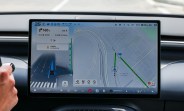
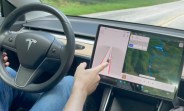
Tesla has quietly altered the name of its driver assistance software in China. The American automaker changed the label on its official Chinese website from the "Full Self-Driving" moniker to "Tesla Assisted Driving." The world's largest EV market presents unique challenges, and this seemingly simple name change highlights ongoing regulatory pressures. Tesla faced criticism over the years for overpromising its software capabilities and failing to deliver true autonomous driving.
Buyers in China can still purchase the newly named system for a flat upfront fee. The complete "Tesla Assisted Driving" package currently costs RMB 64,000, which equals roughly $9,420. Unlike overseas markets, where the manufacturer now only offers monthly subscription models, Chinese customers still have the rare option to buy the software outright. The company stated the package includes every basic and advanced feature available. An official description promises that a future update will allow vehicles to handle most complex driving tasks with minimal human input.
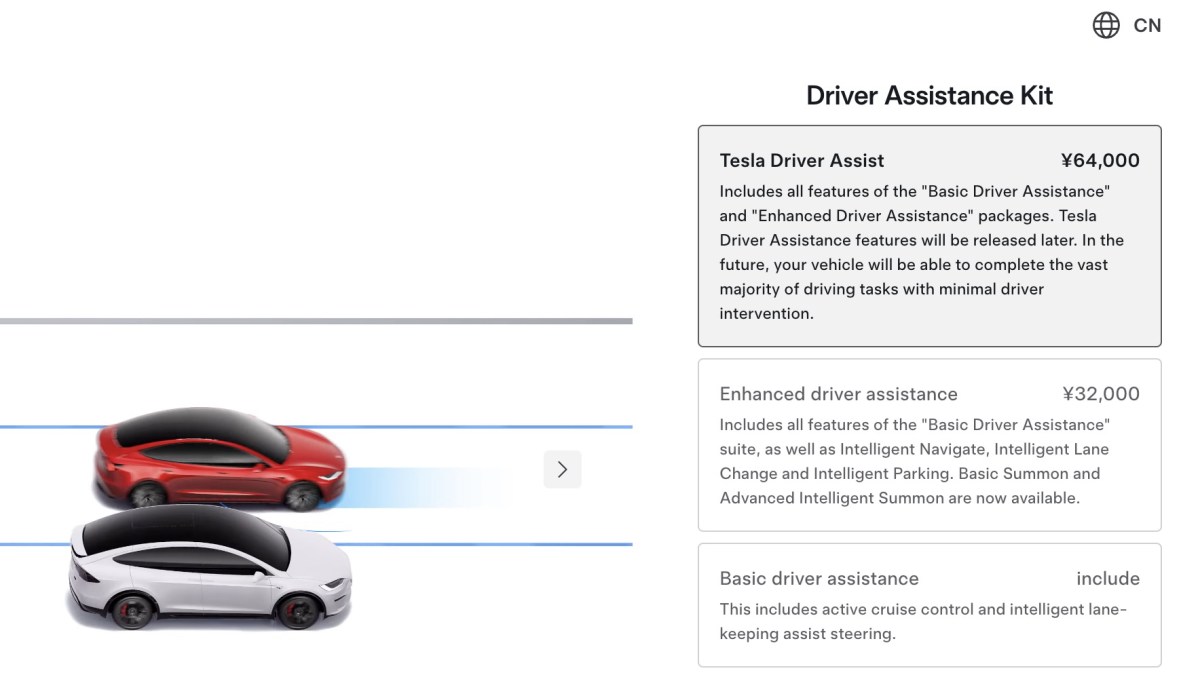
Despite the grand promises made by the brand over the last ten years, the software cannot operate a vehicle completely on its own. Global industry standards firmly classify the current system as Level 2 technology. This specific designation means the human driver must remain fully alert, keep their hands near the wheel, and take responsibility for the car at all times. Calling a Level 2 system "Full Self-Driving" created a lot of confusion among early adopters of these EVs. The new "Tesla Assisted Driving" label offers a much more accurate and truthful description of what the software actually achieves on the road.
The Chinese website changes represent the second time Tesla has modified the software name to appease local authorities. Early last year, the brand changed the original label from "FSD Intelligent Assisted Driving" to simply "Intelligent Assisted Driving." Chinese regulators maintain strict, no-nonsense oversight regarding vehicle safety and corporate marketing claims. Dropping the word "Intelligent" and adding "Tesla" shows the automaker is still trying to find a safe middle ground with government officials.
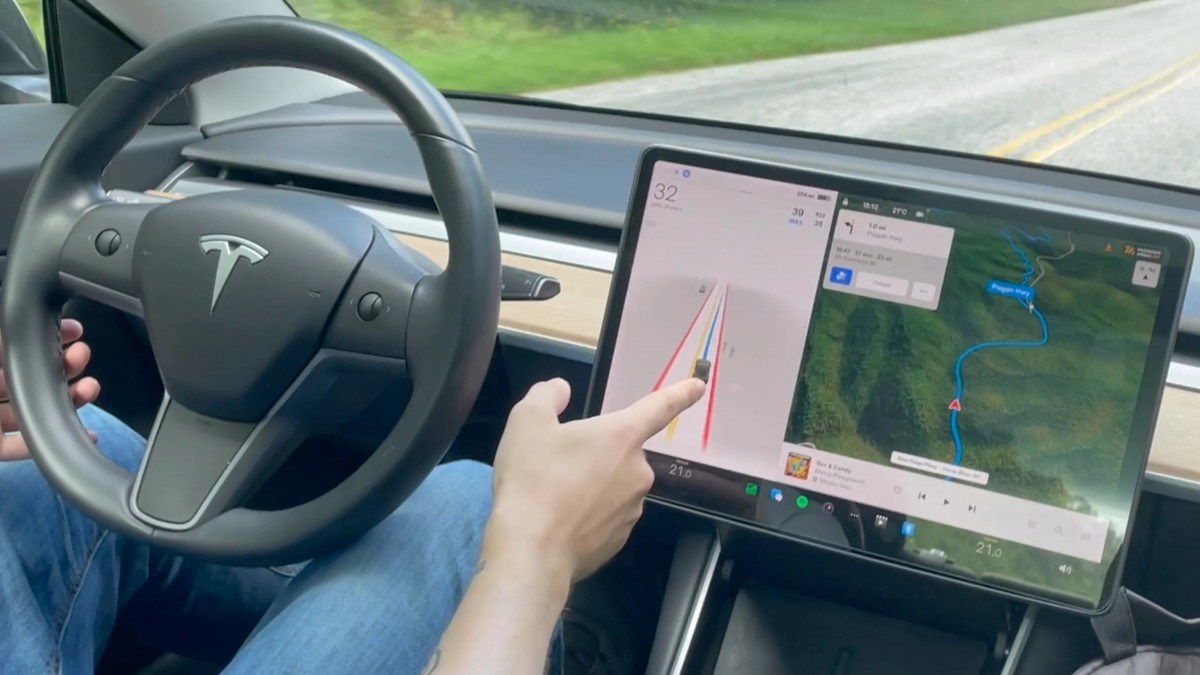
Interestingly, the strict marketing rules do not apply uniformly across the entire region. The brand still sells the exact same software under the "Full Self-Driving" banner in Hong Kong. As a special administrative region, Hong Kong sets its own distinct traffic laws and consumer protection regulations. Just days ago, the automaker proudly announced on the social media platform X that the supervised version of the software is now active in several countries, including China - the very first official confirmation of the technology entering the massive Asian market.
The timing of the software announcement aligns perfectly with major geopolitical events. United States President Donald Trump visited China last week, and Tesla chief executive Elon Musk traveled alongside him as an official business representative. The company confirmed the software availability online, but local consumers are still patiently waiting for concrete details regarding the actual launch mechanics. Adapting the sophisticated technology to handle crowded and unpredictable urban streets requires massive amounts of local testing data. To speed up the development process, the automaker posted multiple urgent job listings for local smart driving test operators.
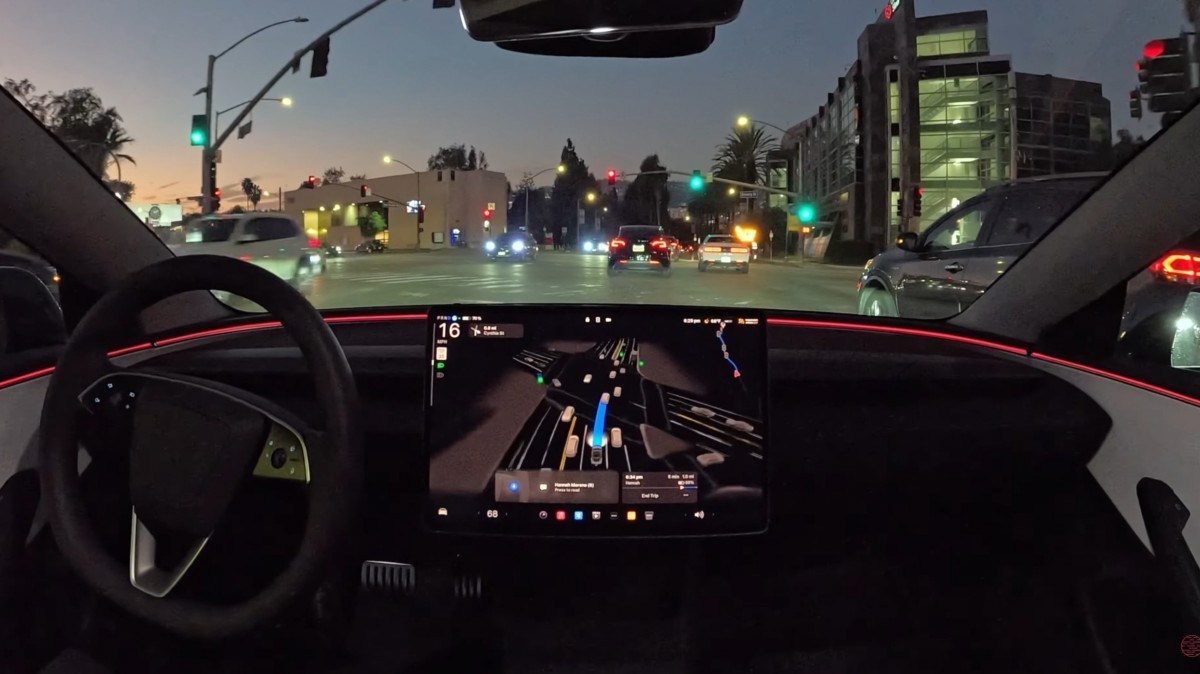
Tesla does not have the luxury of time in the rapidly evolving and fiercely competitive electric car sector. Domestic tech giants like Huawei, XPeng, and Xiaomi provide intense daily competition. These local manufacturers already include sophisticated urban driving systems as standard equipment in their new EVs. Some Chinese brands even offer highly advanced features completely free of charge to attract new buyers. Independent media road tests showed Tesla performing exceptionally well on local highways and city streets, but domestic competitors finished right behind them in a very tight race.
Securing a successful and flawless software rollout is absolutely vital for the brand's long-term survival in the region. The company faces persistent sales hurdles with retail numbers for vehicles like the popular Model Y in the country dropping by a concerning 15.05 percent between January and April of this year. Launching a reliable, highly capable, and safe driver assistance system might help reverse this frustrating downward trend. If the automaker wants to convince skeptical buyers to spend over $9,000 on optional software, it must deliver tangible features that match the new, more honest name.

From the team behind
GSMArena.com
Facebook
Twitter
Instagram
RSS
Settings
Log in I forgot my password Sign up