Self-driving startup Wayve gets a $1.2 billion boost from tech and auto giants
The British company Wayve announced it raised $1.2 billion from some of the biggest names in the world. When you add in extra money already promised by Uber, the total new investment jumps to $1.5 billion. This huge pile of cash gives the company a total value of $8.6 billion.
Major car companies like Mercedes-Benz, Nissan, and Stellantis (the company that makes Jeep and Chrysler) are all chipping in. Tech giants Microsoft and Nvidia are also part of the growing group of early investors. These companies believe Wayve has found a smarter way to make electric cars navigate busy city streets without a human behind the wheel.
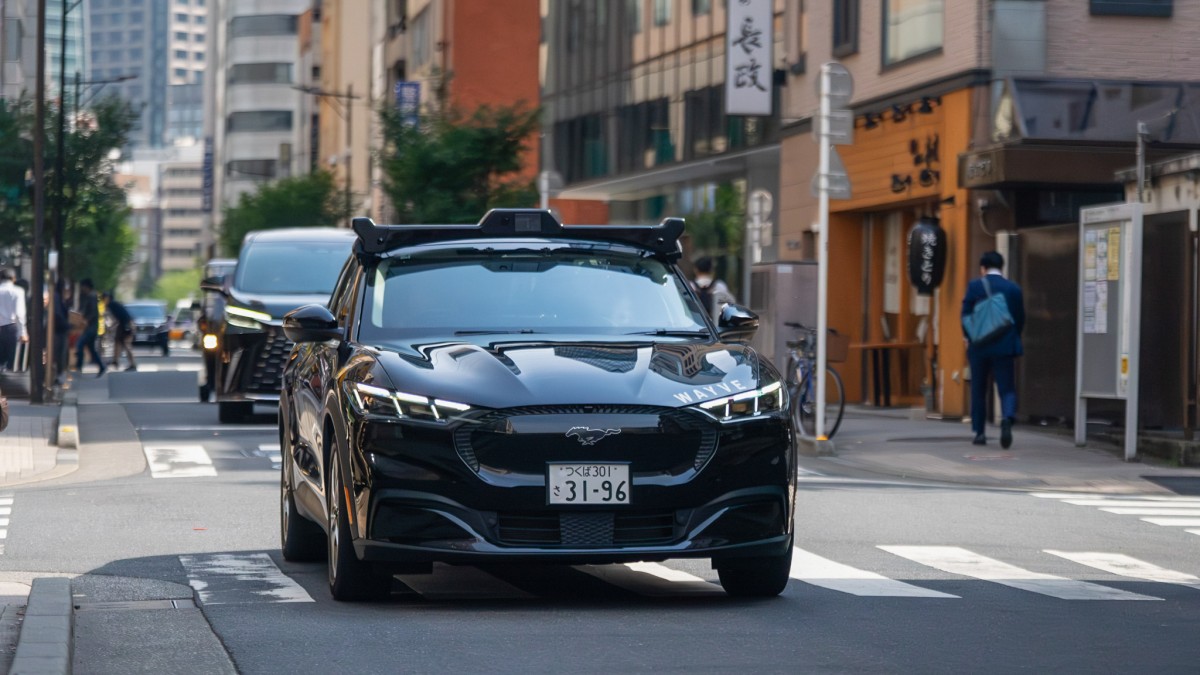 Wayve testing in Japan - source: Wayve
Other companies try to build self-driving cars by giving them digital maps and thousands of rules. If a car saw a stop sign, the rule said "stop." But the world is messy, and rules often break. Wayve does things differently. They use something called "embodied AI."
It works on a similar principle to teaching a teenager how to drive. You don't give them a map of every single pebble in the city - you teach them to use their eyes and brain to react to what they see. Wayve's software learns by watching millions of miles of driving. Because of this, their EVs can drive in new cities they have never seen before. In fact, they have already tested their system in more than 500 cities across Europe, North America, and Japan without needing to "pre-learn" the specific streets.
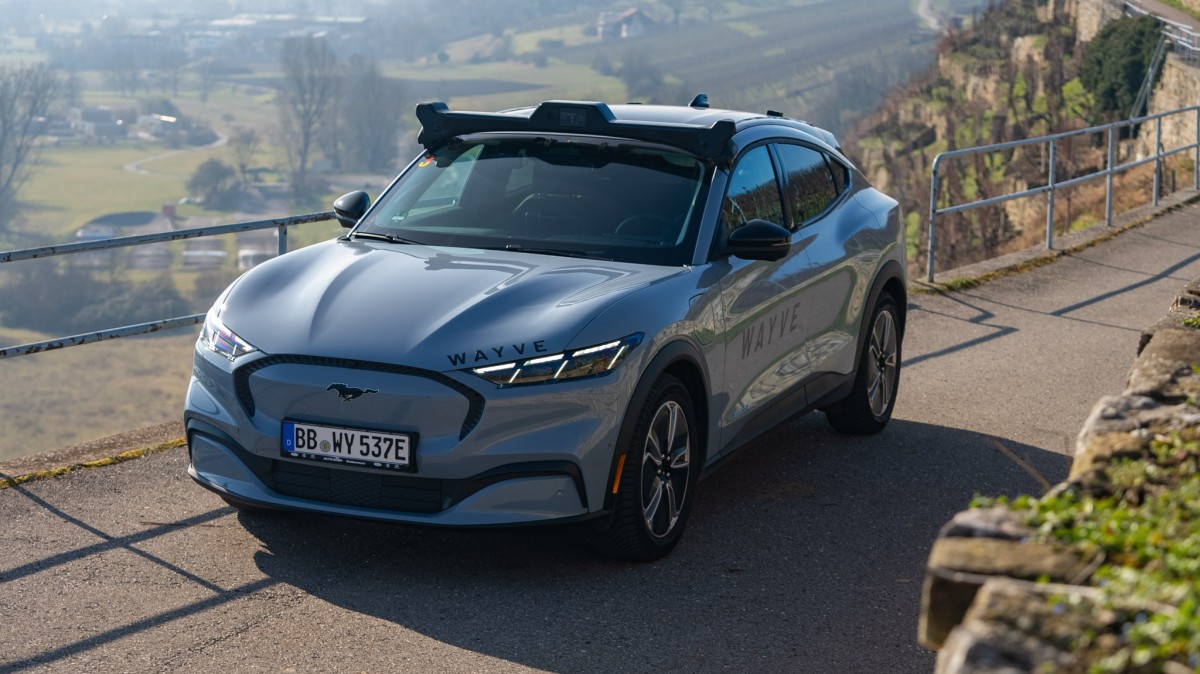 Wayve testing in Germany - source: Wayve
When can we actually catch a ride in one of these? The plan is moving surprisingly fast. Starting in 2026, Uber plans to launch Wayve-powered robotaxis in London. This is a big deal for the ride-sharing giant, with a plan to expand the self-driving rides to 10 cities around the world shortly after.
Uber has even bigger dreams, hoping to have robotaxis in 15 cities by the end of 2026. Some of these locations include Madrid, Hong Kong, Houston, and Zurich. In these setups, Wayve provides the "brain," a car manufacturer provides the electric cars, and Uber runs the app that lets you book the ride. It is a team effort to get humans out of the driver's seat.
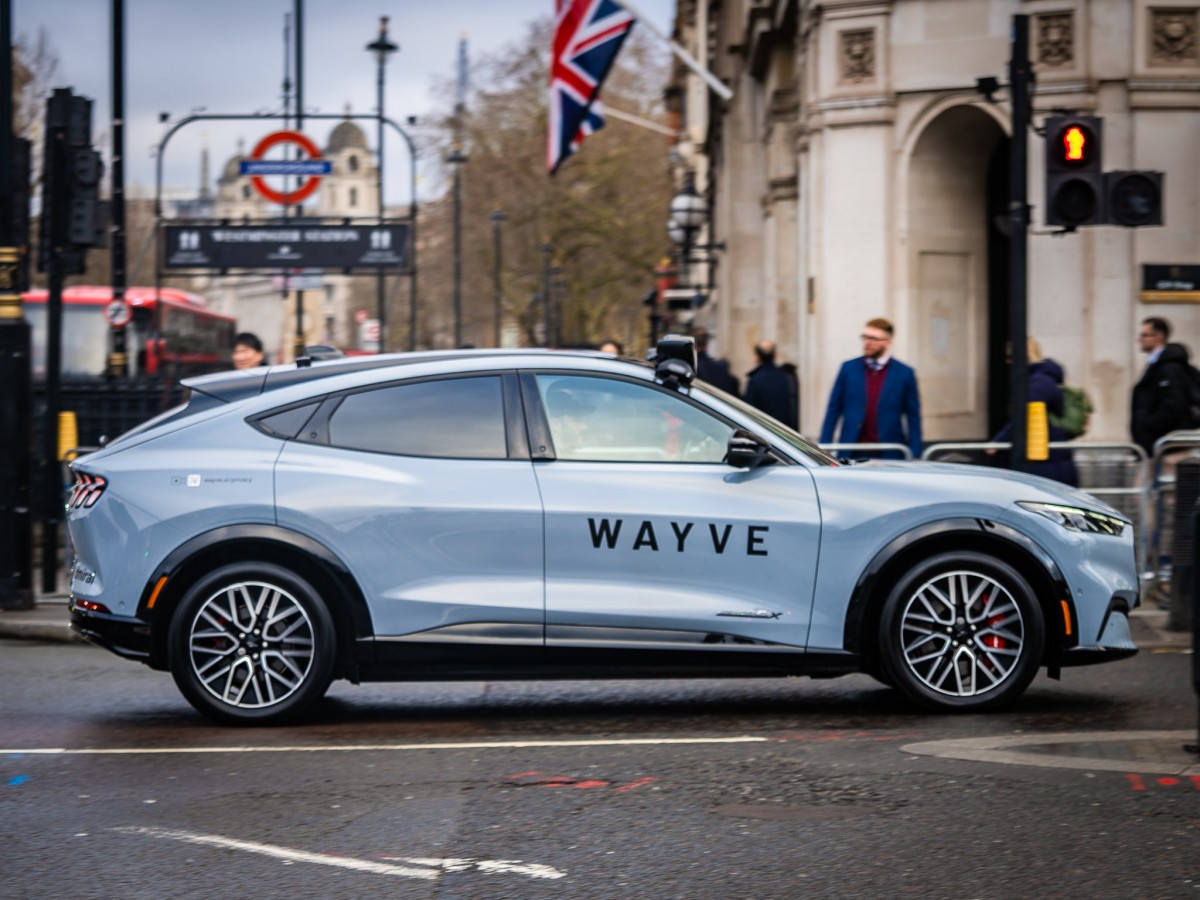 Wayve testing in London - source: Wayve
By 2027, we actually might be able to buy a car with Wayve's "AI Driver" inside. The first version will have the "Level 2+" technology. This means the car can steer, speed up, and slow down on its own, but we still have to keep our eyes on the road just in case.
Later on, the company wants to reach "Level 3" and "Level 4." At these levels, the car does almost all the work, and we might even be able to take our eyes off the road for a bit. Nissan is already working on a system using this tech that it hopes to launch in Japan by the year 2027. Mercedes and Stellantis are also looking at how to put this "brain" into their electric cars.
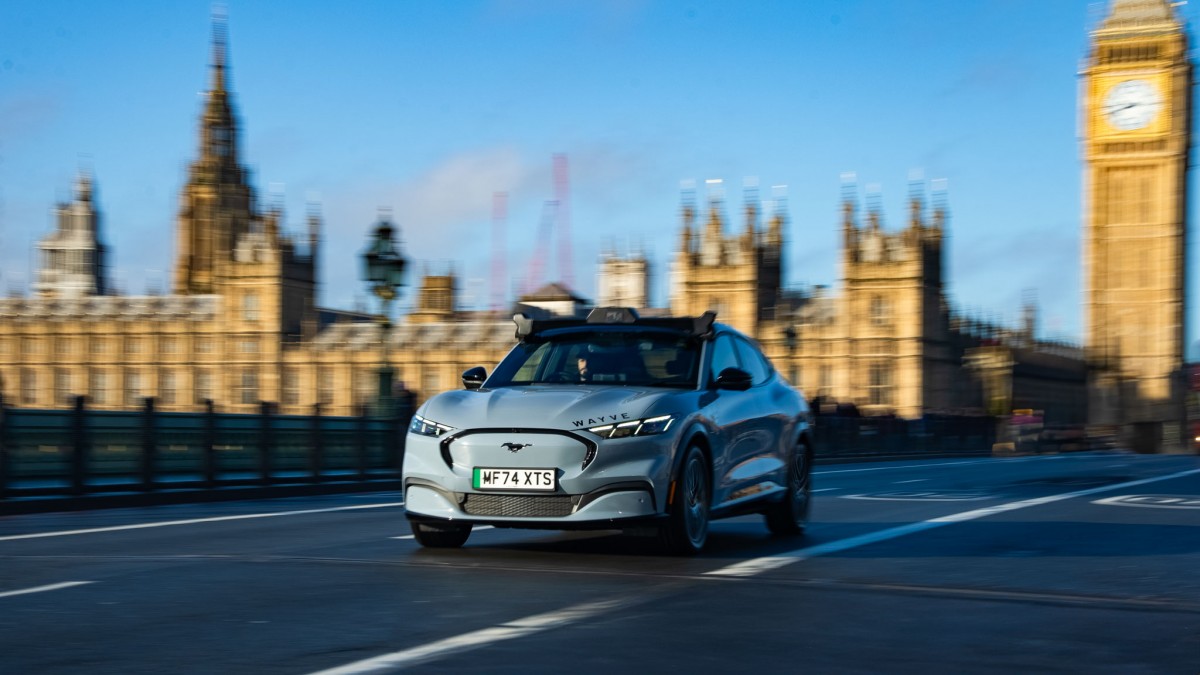 Wayve testing in London - source: Wayve
Wayve's technology doesn't need expensive sensors or super-detailed maps to work. Most self-driving systems break if the internet goes down or if they go to a city that hasn't been mapped yet. Wayve's system lives entirely on the computer inside the car. It uses the cameras and sensors already built into the vehicle, making it much cheaper for car companies to add the feature. It also means an electric car bought in London could theoretically handle the streets of New York or Tokyo without needing a software update.
Building self-driving technology is very expensive. Some big companies, like Ford and General Motors, have struggled and eventually given up on similar projects because they cost billions of dollars. Wayve's CEO, Alex Kendall, claims his company is in a different position.
He mentioned that they still have most of the $1.05 billion they raised back in 2024. With this new $1.5 billion boost, he calls their bank account a "war chest." It seems Wayve has enough money to not only finish building the software but to keep it running and improving for decades.
The people behind Wayve believe that electric cars that drive themselves will be much safer than human drivers. Computers don't get tired, they don't get distracted by phones, and they don't get angry in traffic. By partnering with many different brands instead of building its own cars, Wayve wants to be the "Windows" or "Android" of the car world.

Reader comments
- Lpoik
- U@m
Sounds good, hope they are legit and succeed. However, raising money since 2024 and L2 in 2027, basically adaptive cruise control, doesn't speak much. They say they need just basic sensors.....ok so what's minimum requirement? Easy to scale...

From the team behind
GSMArena.com
Facebook
Twitter
Instagram
RSS
Settings
Log in I forgot my password Sign up