Apple was working with BYD on LFP battery for its abandoned car project
The electric vehicle industry is no stranger to collaborations, but one of the most potentially exciting ones never came to be. It was discovered that Apple partnered with BYD, the Chinese EV and battery giant, to develop a revolutionary battery system. This clandestine collaboration, which took place around 2017, focused on lithium iron phosphate (LFP) cells. That tech is often praised for its longevity and safety advantages over the EV batteries available at the time.
While Apple ultimately abandoned its ambitious car project, the partnership with BYD offers a fascinating glimpse into the company's EV aspirations. The collaboration aimed to create a highly customized battery system tailored specifically for Apple's planned vehicles. Apple engineers brought their expertise in advanced battery packs and thermal management to the table, while BYD contributed its manufacturing prowess and advancements in LFP cell technology.
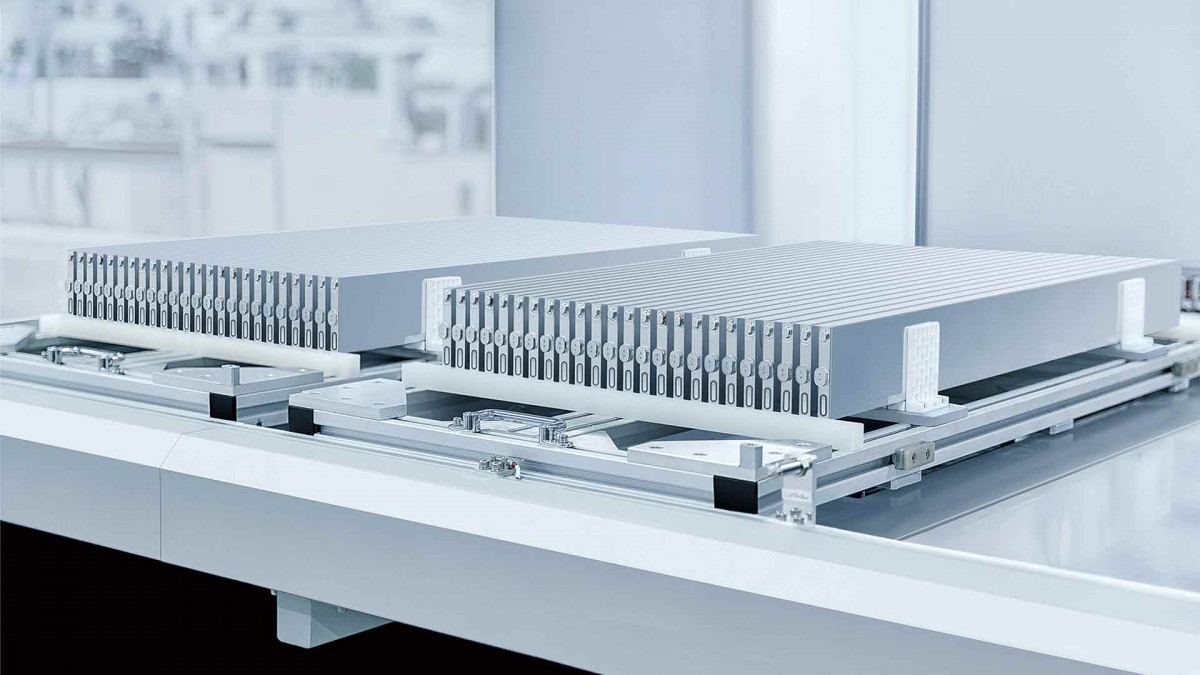
Although neither company officially confirmed the joint battery development, BYD emphasized in a statement that its "Blade battery" technology, which currently powers its entire EV lineup, originated from its own engineers. However, sources close to the development suggest that the Blade battery's design was influenced by lessons learned during the collaboration with Apple.
Apple reportedly sought customizations that would significantly boost the range of its EVs, a key factor in consumer adoption. At the time, the company was already exploring various battery chemistries, including nickel and alkaline, and investing heavily in battery pack design and engineering to maximize cell density.
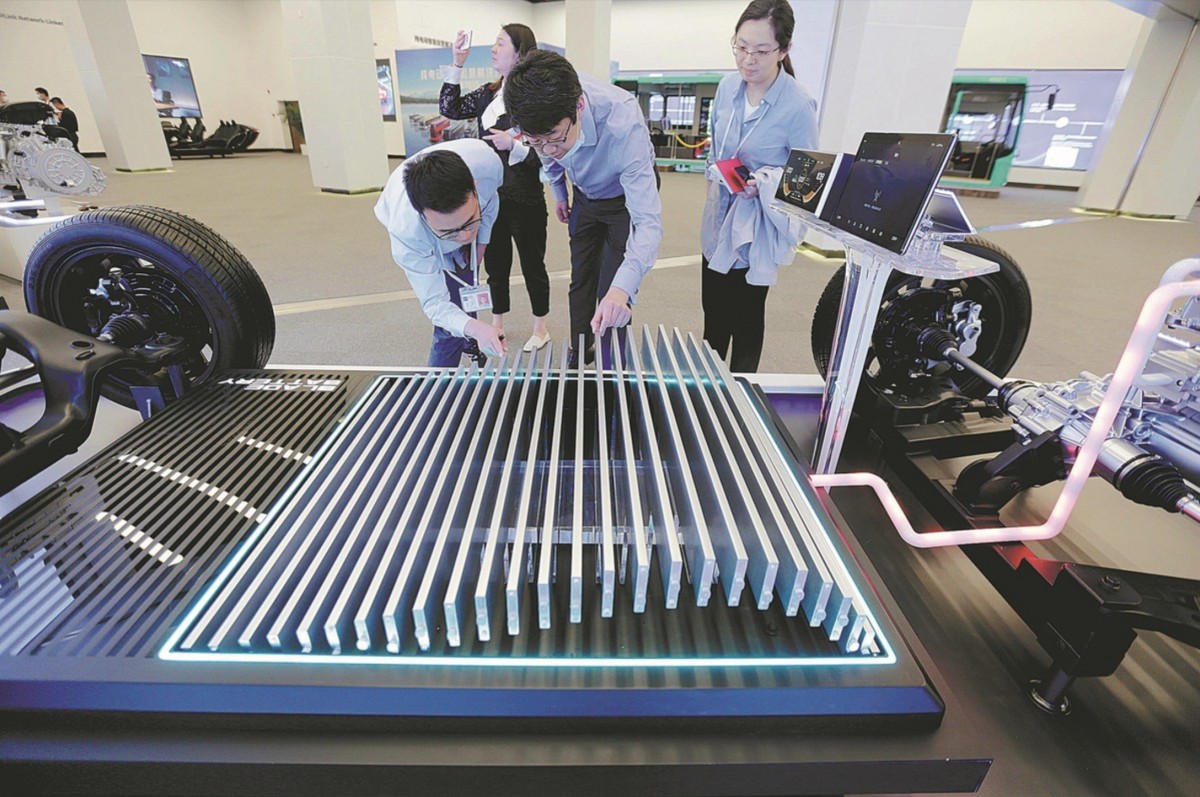
The collaboration with BYD aimed to help the development of a long-range battery system that would have set Apple's EVs apart. Despite years of joint efforts, Apple eventually decided to explore battery systems from other manufacturers. The EV project faced numerous delays, and the challenging economics of the EV market likely played a role in Apple's decision to ultimately pull the plug.

Reader comments
- KicksCVT
- 7kL
BYD is making some brilliant EV vehicles with excellent range and price point. Apple was clever enough to use its technology for its own vehicles which is understandable considering the BYD’s great innovative engineering and EV Tech capabilities whic...
- Anonymous
- 2Wa
Apple has some good predictors, the automotive market is declining outside China and Apple would have faced a lot of challenges if it entered in EV market. That is a good move business wise.

From the team behind
GSMArena.com
Facebook
Twitter
Instagram
RSS
Settings
Log in I forgot my password Sign up