BAIC sodium-ion battery charges in 11 minutes
When it comes to electric cars, there's one universal truth - they usually rely on lithium to keep their motors running. This is about to change because of big news coming from China. Car company BAIC shared the first details of a new kind of power source: the sodium-ion battery. This technology uses salt instead of expensive lithium, and BAIC claims its new battery can fully charge in just 11 minutes.
The engineers at BAIC finished making a sample of the new battery using prismatic cells. This is a flat, rectangular design that fits well inside a car. The battery has an energy density of 170 Wh/kg, making it strong enough to compete with the common lithium batteries found in many electric cars today. Being able to hold a lot of power in as small a space as possible is the main goal for any battery maker.
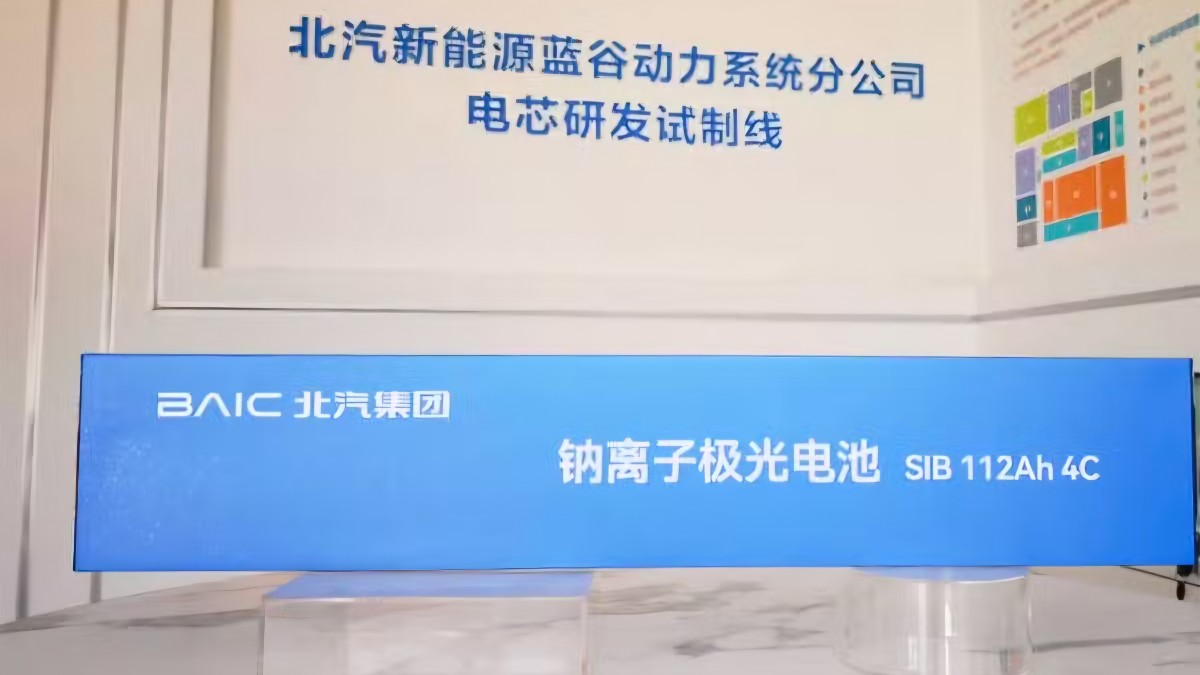 BAIC revealed its sodium-based battery - source: IT Home
BAIC tested the new batteries to see if they were dangerous. The engineers tried to overcharge them to 200%, which is double what they should hold. Even then, the batteries did not catch fire or explode. They also heated the batteries to 392°F - the batteries stayed stable and safe. This performance already exceeds national safety rules in China.
One of the biggest problems for EVs is the cold. Most batteries lose power when it gets freezing outside. BAIC designed their sodium-ion battery to work in temperatures as low as -40°F and as high as 140°F. Even when it is -4°F, the battery keeps more than 92% of its energy. This makes it a great choice for people who live in very cold places where regular batteries might struggle to stay charged.
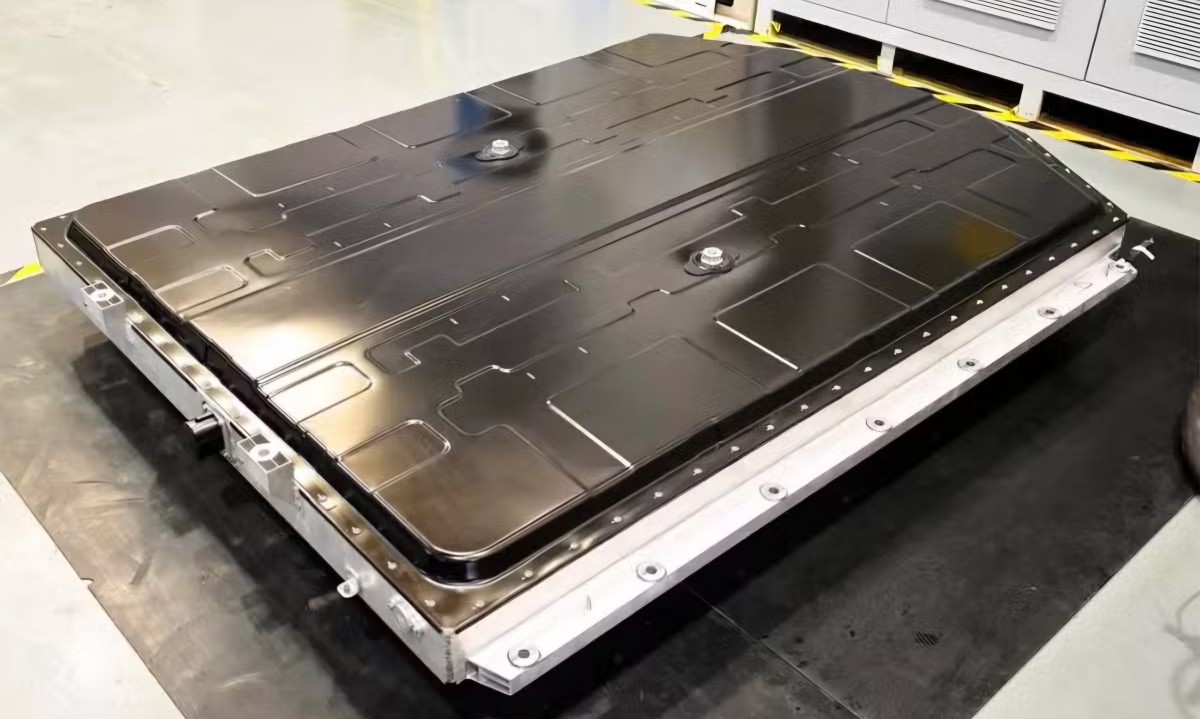 Sodium-ion battery from BAIC - source: IT Home
But BAIC is not the only company looking at sodium. In February 2026, Changan and CATL showed off a passenger car that uses sodium-ion batteries. That car has a 45 kWh battery and promises to drive over 249 miles on a single charge, and it is expected to go on sale in the middle of 2026. The Chinese auto giant BYD is already working on a version that can be charged 10,000 times before it wears out.
The reason so many companies are interested in sodium is its abundance. Lithium is expensive and hard to get and sodium is basically the same stuff found in table salt. Because it is everywhere, it costs less to make. This could make electric cars much cheaper for everyone to buy. Sure, sodium batteries cannot hold quite as much energy as the most expensive lithium ones yet, but they are perfect for smaller cars that people use for driving around cities every day.
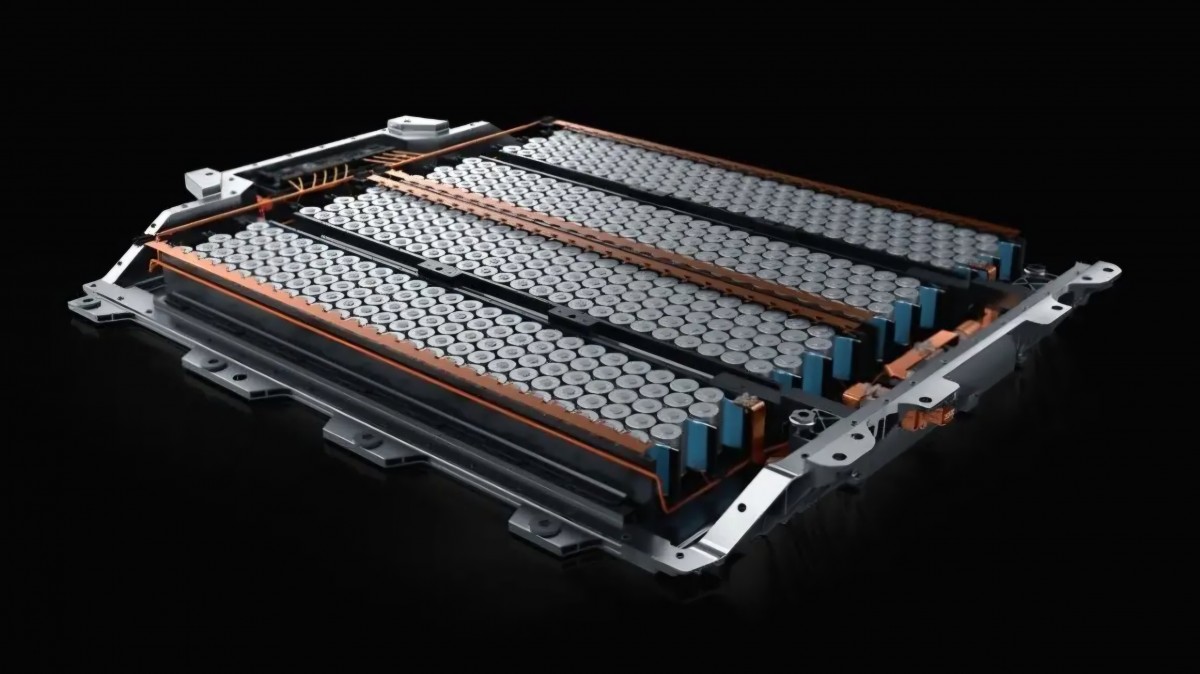 Sodium-ion batteries are cheaper and safer than lithium-ion cells
The new battery is part of BAIC's "Aurora Battery" program. This research looks at different ways to power cars, including lithium and even solid-state batteries. BAIC has already filed 20 patents for its sodium technology, covering the materials used and ways to build the cells. BAIC has already figured out how to manufacture these batteries in large numbers, which is a major step toward putting them in real cars on the road.
Right now, we do not know exactly which BAIC car will be the first to use this 11-minute charging battery. The technology is still in the early stages, but the results look very promising. As the car industry inevitably moves away from gasoline, having different types of batteries will help make EVs more reliable and affordable for everyone.




From the team behind
GSMArena.com
Facebook
Twitter
Instagram
RSS
Settings
Log in I forgot my password Sign up