Hyundai Ioniq 3 spotted in the wild - coming to Europe next year
Hyundai is jumping into the compact EV class with a brand-new vehicle: the Ioniq 3. This car will join the successful Ioniq family, acting as a smaller sibling to the popular Ioniq 5. But the Ioniq 3 isn't just a shrunken version of its predecessors. Hyundai first showed off this new direction at the Munich Motor Show in September with the "Concept Three."
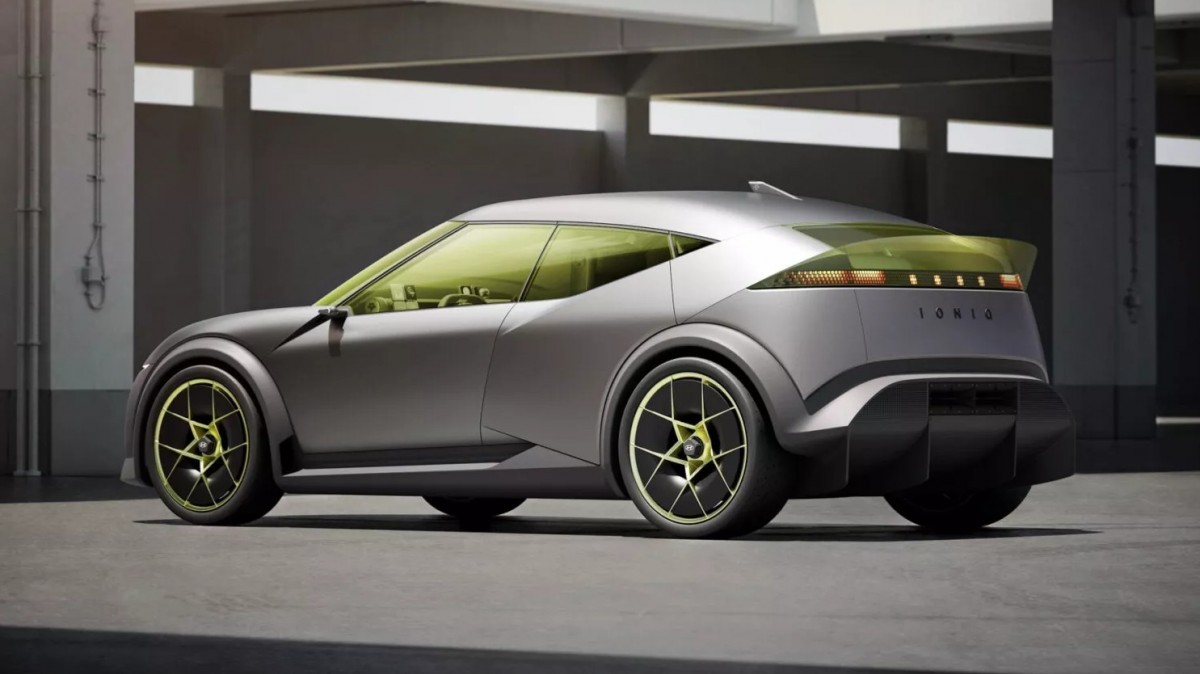
The idea behind the design is what Hyundai calls "Art of Steel," a look inspired by the company’s advanced steel manufacturing technology. The car’s profile is dubbed the "Aero Hatch," which the company describes as a fresh approach to the compact EV silhouette. It has a sleek, almost hot-hatch-like body and finishes with a unique ducktail spoiler at the back.
Despite this radical silhouette, Hyundai kept some familiar visual cues from the other Ioniq models. The front and rear both feature the distinctive Parametric Pixel lights - a signature design element that helps tie the car to the larger Ioniq lineup. Recent sightings of prototypes in South Korea and Europe - some with very little camouflage - show that the production version of the Hyundai Ioniq 3 will stick closely to the bold styling of the Concept Three.
The development of the Ioniq 3 is officially part of what Hyundai refers to as “the next step in the company’s electrification journey.” The company plans to start production early in 2026, and the manufacturing will take place at Hyundai’s facility in Turkey, with customer deliveries scheduled to begin shortly after the production line starts rolling.
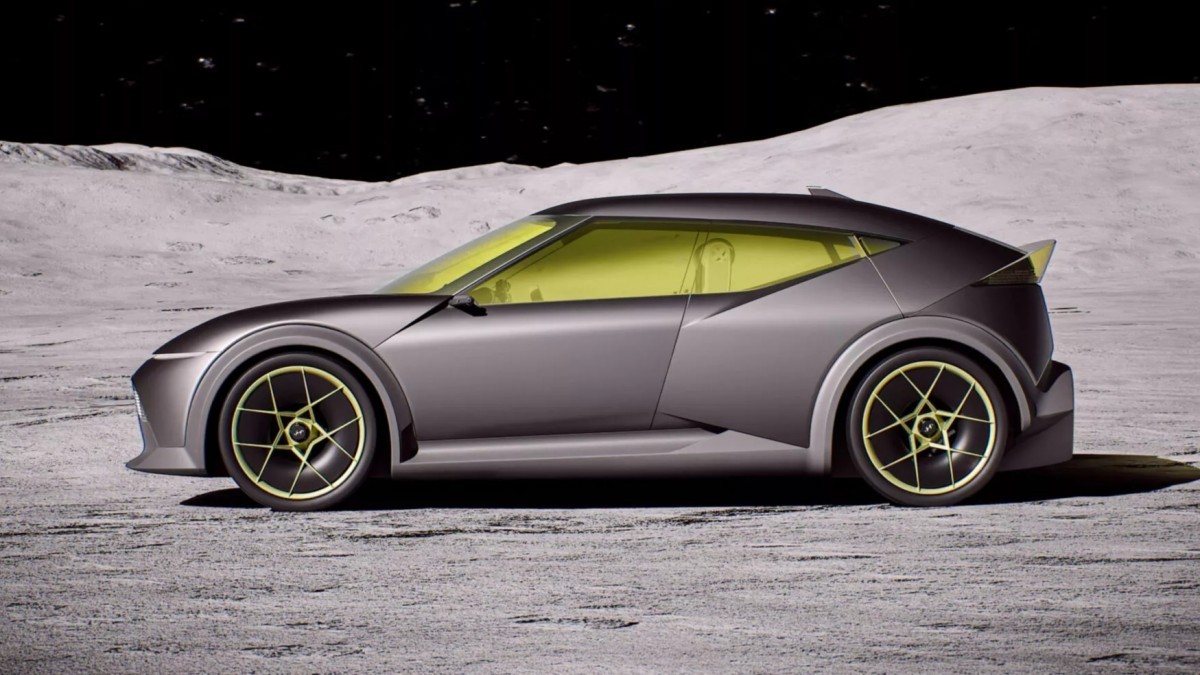
This compact EV is designed to compete directly with other European-focused small electric cars, such as the Kia EV3 and the Volkswagen ID.3. The Ioniq 3 will measure just over 14.04 ft in length, about 6.36 ft in width, and will stand a little over 4.59 ft tall. Its wheelbase is surprisingly long at 8.92 ft - plenty for a small, urban-friendly machine designed to be nimble.
Hyundai has not officially announced the final price or battery details, but we expect it to share most of the components with its corporate cousin, the Kia EV3. This suggests that customers will have a choice between two battery packs: a smaller one with 58.3 kWh and a larger one with 81.4 kWh. The larger pack should provide an excellent driving range for a car of its size, and the little EV shouldn't have a problem hitting around 365 miles on the WLTP cycle.
When it comes to pricing, the Ioniq 3 will target the entry-level EV buyer. Considering the Kona Electric starts at a higher price point - around $48,100 in the UK - the smallest electric Hyundai will probably be much more accessible, likely priced closer to $34,300.
One important detail for North American consumers: don’t hold your breath. This new compact EV is not crossing the Atlantic anytime soon. Hyundai’s strategy appears to be focused on meeting the strong demand for compact EVs in other global regions.



From the team behind
GSMArena.com
Facebook
Twitter
Instagram
RSS
Settings
Log in I forgot my password Sign up