The US-spec ID. Buzz is sent back to the end of the line
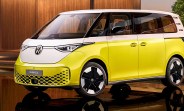
Would you believe that the whole saga of ID. Buzz started 25 years ago? I remember looking at the Volkswagen Microbus back in 2001, watching executives promise that Woodstock's favorite party bus was about to make a comeback. The Microbus then morphed into the ID. Buzz in 2017 as EV fever started to take hold. It took more than two decades, leadership shuffles, and a powertrain revolution before the actual ID. Buzz touched down on American soil in late 2024.
But before the novelty even had a chance to wear off, Wolfsburg decided to cut the music. Volkswagen's American dealers were informed that the ID. Buzz will skip both the 2026 and 2027 model years, freezing its transatlantic comeback until late 2027, when it will possibly re-emerge with a 2028 model-year badge.
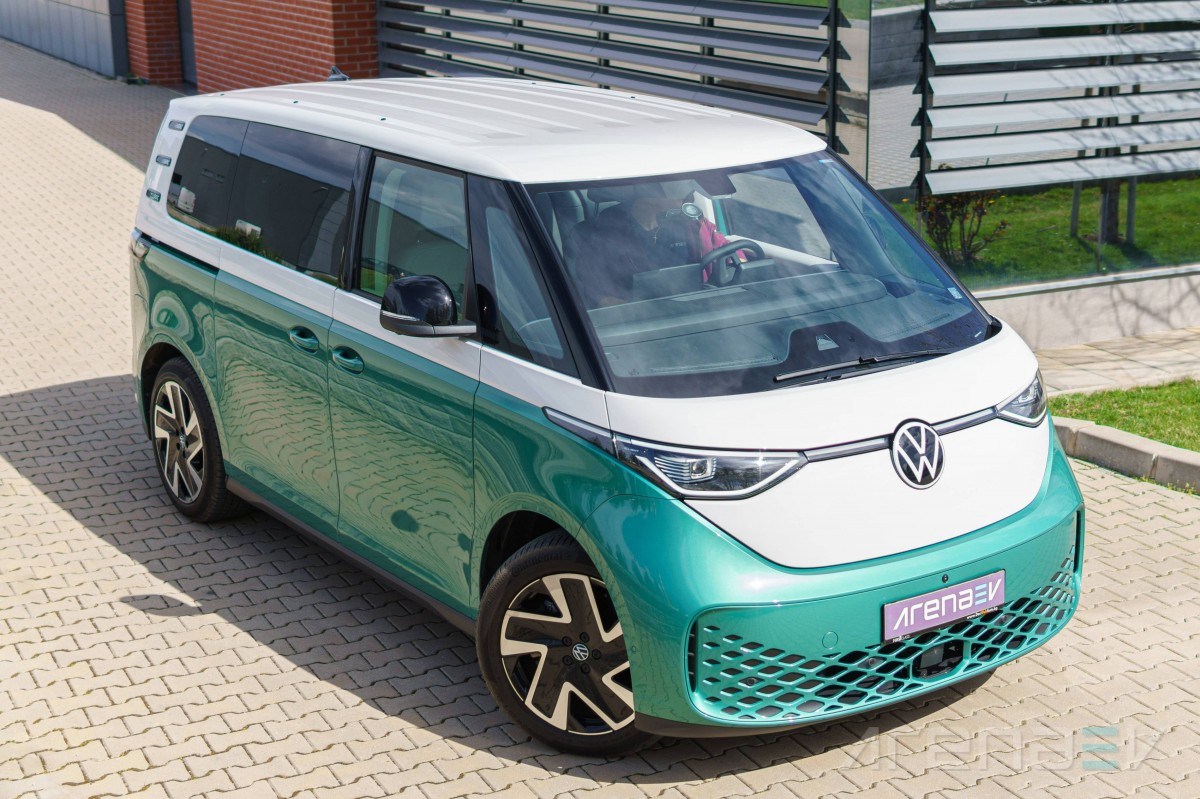
Skipping two model years for a flagship halo machine that landed eighteen months ago sounds like madness. VW claims this awkward hibernation will allow them to squeeze every possible upgrade into a car that actually works. When the van returns, buyers are promised a camping-focused Tourer package, two-tone paint options, North American Charging Standard compatibility, vehicle-to-load capability, and new infotainment software. Best of all, Wolfsburg is deleting the infuriating capacitive touch sliders from the helm, bringing back real physical buttons on the steering wheel.
The real reason behind the missing model years is way less glamorous than software fine-tuning. In its first full calendar year on the American market in 2025, Volkswagen managed to shift 6,140 units of the ID. Buzz nationwide. That only worsened through the opening half of 2026, generating a dismal 2,481 sales. For a vehicle that was meant to be a high-visibility brand ambassador, those numbers are an icy shower. The retro bus simply ran headfirst into a wall of American market skepticism.
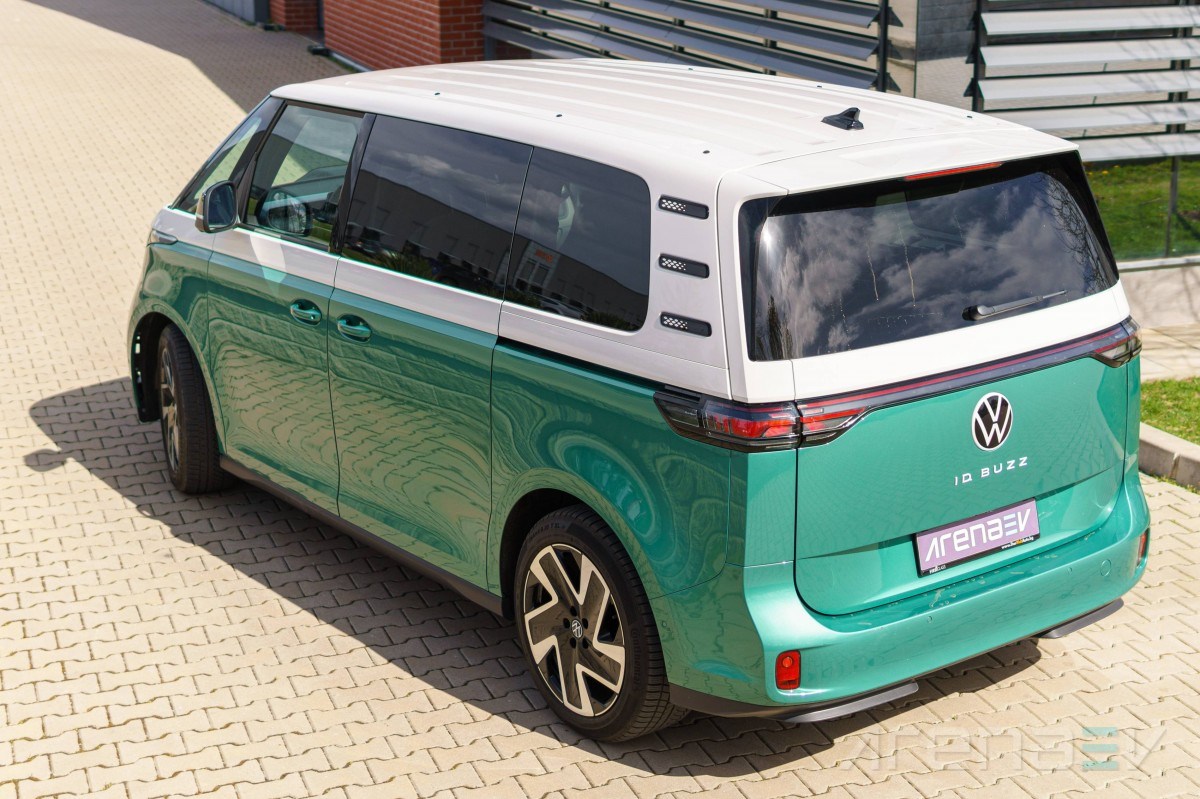
Much of that friction comes down to sticker shock. With an opening price kicking off around $61,545 and easily flying past $71,000 once you spec dual-motor all-wheel drive and a splash of vintage two-tone paint, the ID. Buzz arrived with a luxury price tag without the luxury badge. When you take away the federal EV tax credits that once cushioned premium EV purchases, buyers are left with hefty monthly payments for a van. For that kind of cash, you could get well-appointed luxury crossovers or plush three-row SUVs.
Range anxiety also did the bus zero favors. That boxy front and retro upright silhouette look charming, but they punch a big hole in the air. The 91 kWh battery pack in the American rear-wheel-drive Buzz delivers 234 miles of EPA-rated range (231 miles in the 4Motion). On a quick highway run with the aircon on and family luggage packed to the roof, that real-world range shrinks down to as little as 150 miles, turning road trips into strategic planning rather than breezy surf adventures.
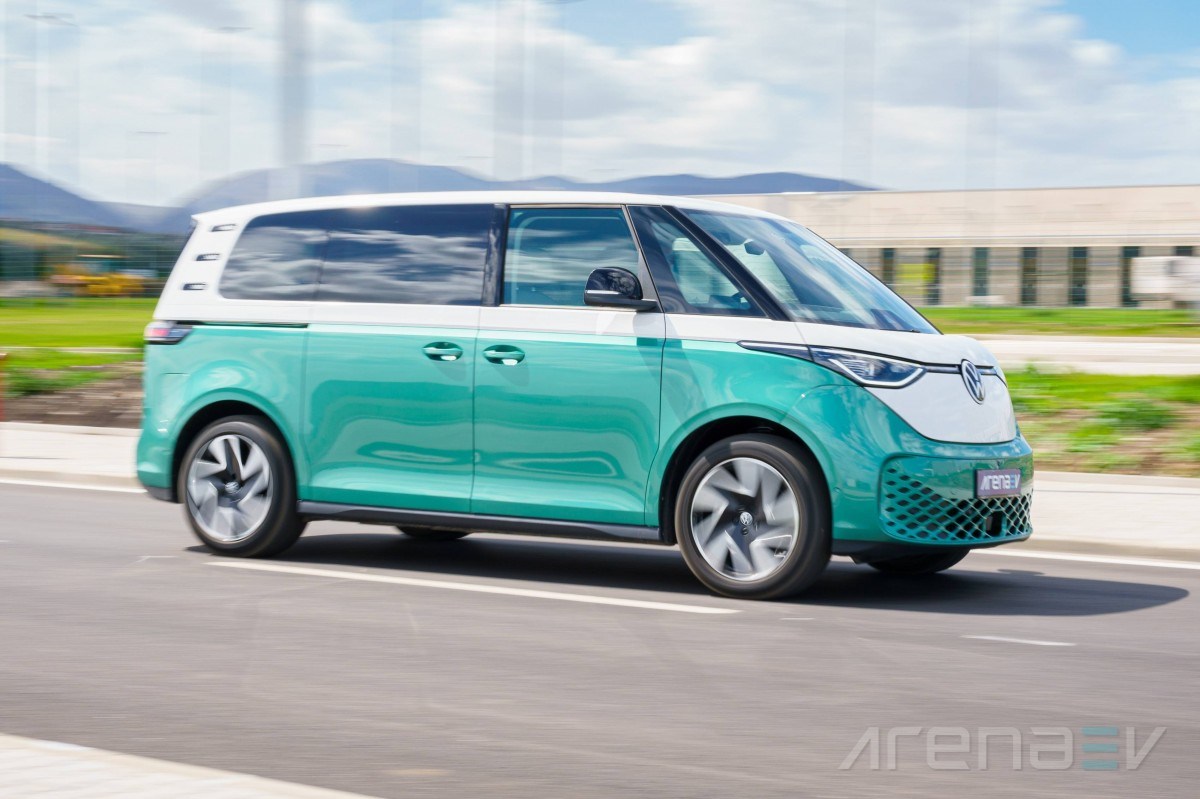
Wolfsburg's pause is also dictated by trouble at home. The Volkswagen Group struggles with software architecture holdups at Cariad, and regional protectionism and tariffs on imported European vehicles. Shipping a niche, German-built electric bus across the Atlantic at tiny margins became a vanity project. Pausing the sales gives the factory time to integrate the NACS connector into the car and retool without burning money building slow-selling models.
The 2028 ID. Buzz's second act depends entirely on whether Volkswagen can figure out the next step. Bundling bidirectional V2L power to run campsite stoves, fixing infotainment glitches, and restoring proper switches will please hardcore brand devotees. But unless the automaker finds a way to trim the asking price or squeeze more efficiency out of its battery, the ID. Buzz will stay a high-dollar novelty rather than the people's car that kickstarted the legend.

From the team behind
GSMArena.com
Facebook
Twitter
Instagram
RSS
Settings
Log in I forgot my password Sign up