2026 Volvo EX90 Twin Motor Performance real life range test with 21-inch wheels and summer tires
The Volvo EX90 had a far from smooth launch. Plagued by delays, software issues and controversy, Volvo was forced to introduce a mid-cycle refresh barely a year into production. Today, we are testing the efficiency of the most powerful version in the lineup - the Volvo EX90 Twin Motor Performance.
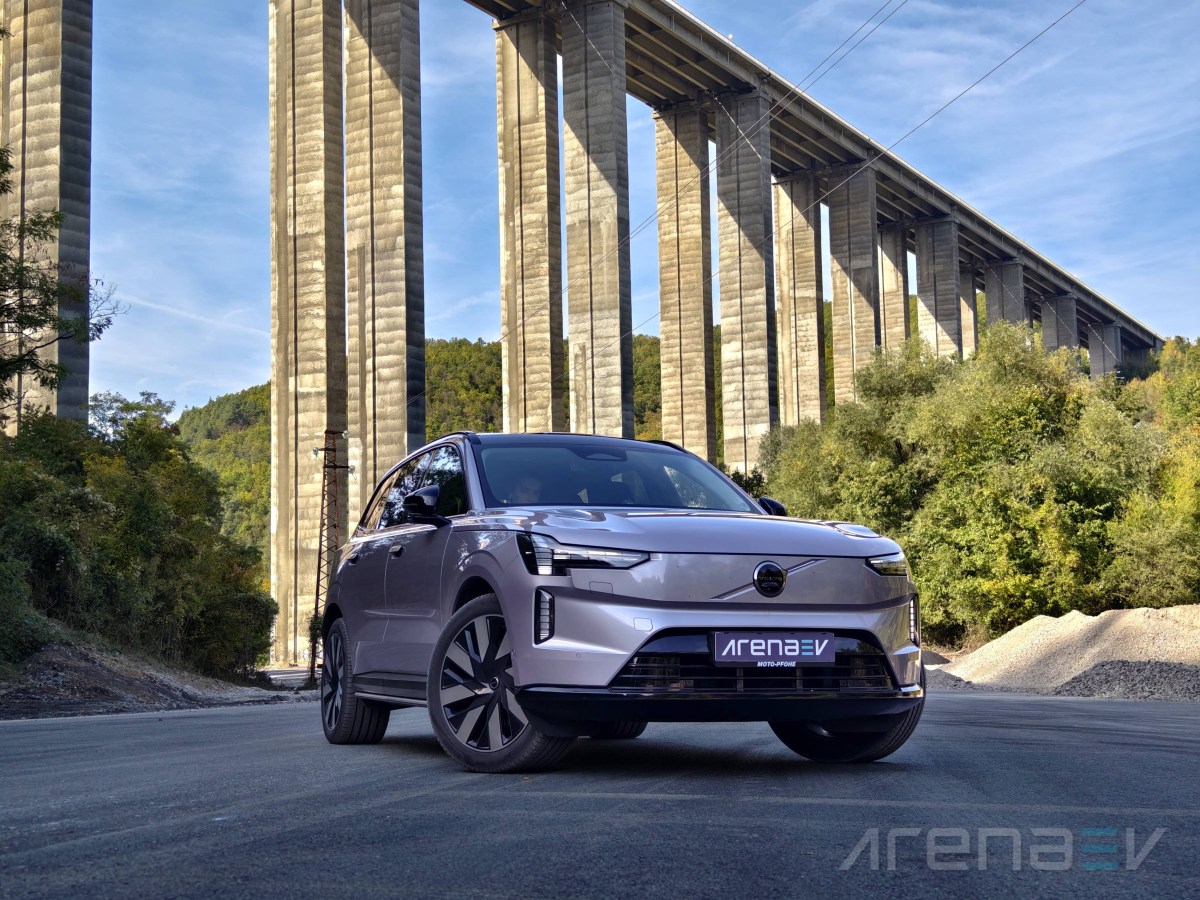
The huge electric SUV faces surprisingly little direct competition. Among established European manufacturers, Mercedes is currently the only other brand offering a fully electric seven-seat SUV of comparable size in the face of the EQS SUV. The Hyundai Ioniq 9 and Kia EV9 provide similar levels of practicality, but neither aims quite as high in terms of luxury and interior ambience, leaving the EX90 in a relatively comfortable niche.
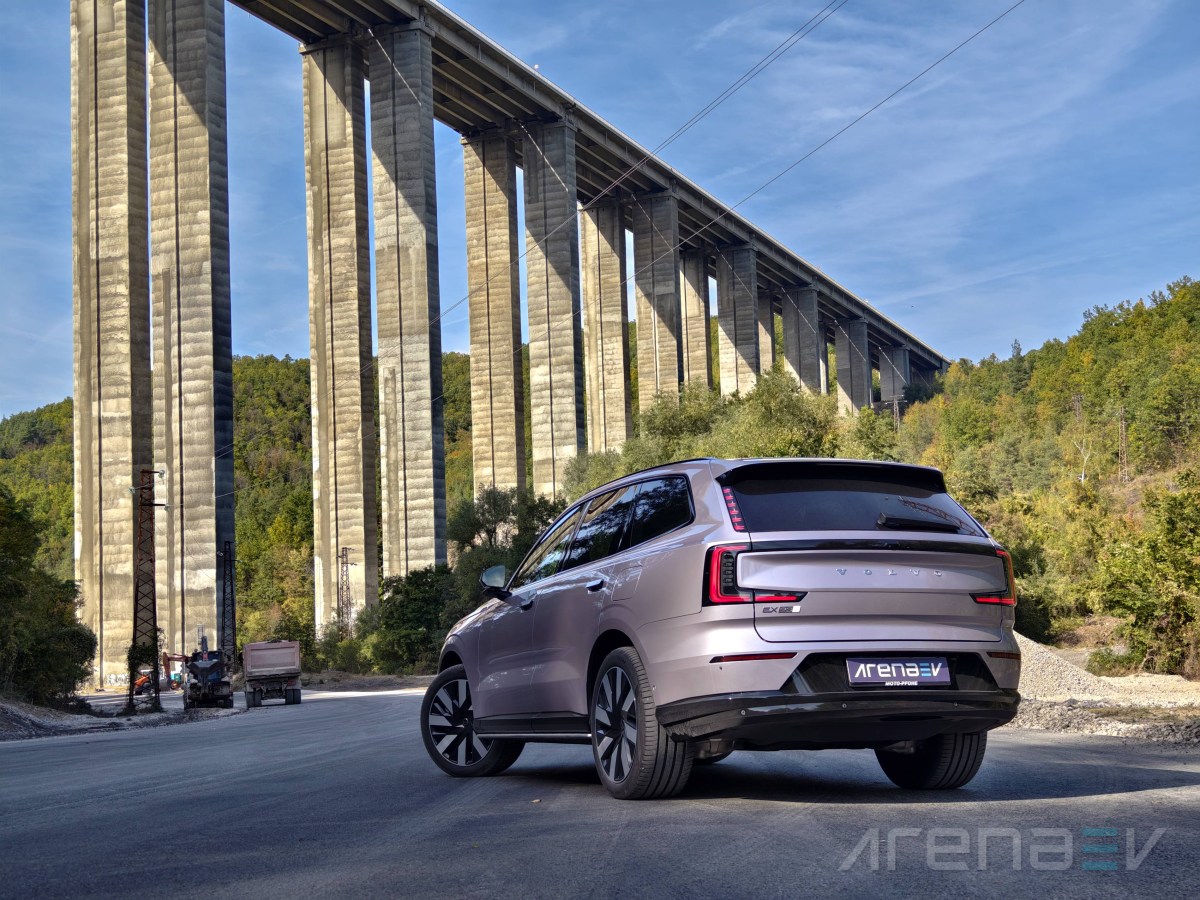
Today, we want to find out how efficiently the 2026 Volvo EX90 Twin Motor Performance can get around in the real world. Its large 106 kWh usable battery should provide respectable range, provided consumption can be kept under control - far from guaranteed with those dimensions and weight. Our full review of the updated EX90 is coming soon.
We drove our usual test routes, doing the same track both ways at constant speeds at the same pace as with every other car we test. The ambient temperature while testing the 2026 Volvo EX90 Twin Motor Performance was 73°F, which is the perfect weather to perform such testing.
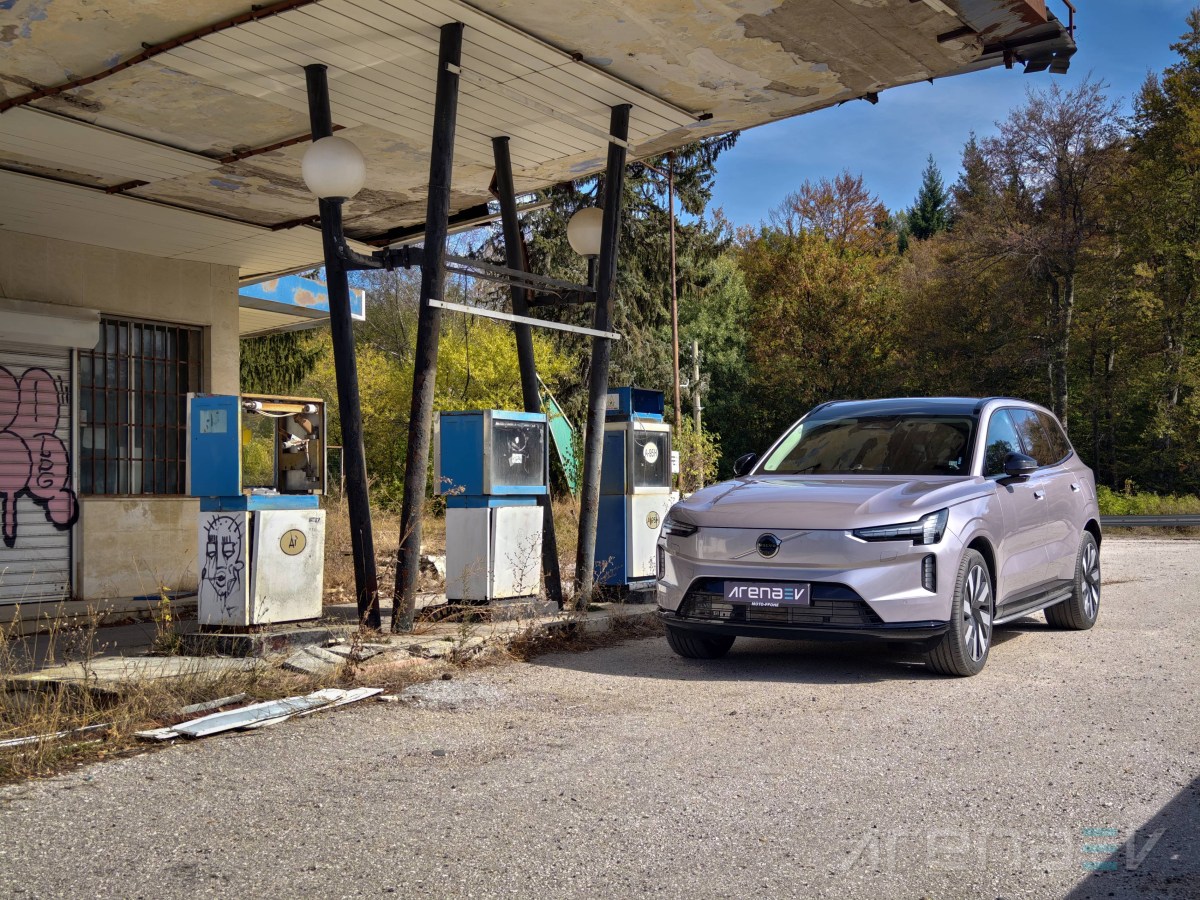
Based on the values we get in the testing, we are able to provide a real world range widget. You can use it to simulate a wide variety of conditions and check out how well the car will work for you. You can find it at the end of the article.
At our lowest test speed of 37 mph, the EX90 Performance delivers genuinely impressive efficiency. It manages to compete with much smaller and less powerful vehicles, which hold a natural advantage at lower speeds.
Range test results
- 37 mph
- 56 mph
- 81 mph
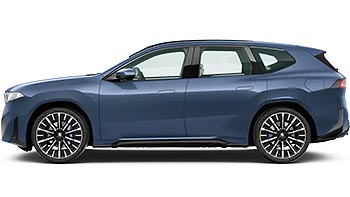 BMW iX3 50 xDrive (Summer tires 21")
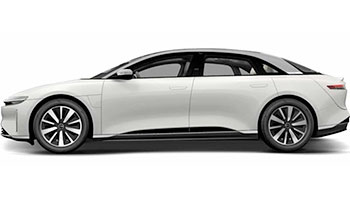
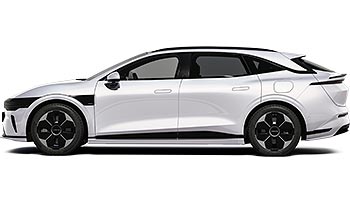
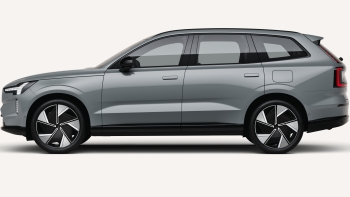 Volvo EX90 Performance
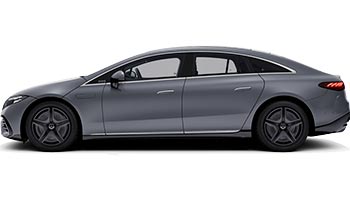
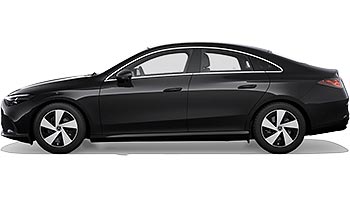
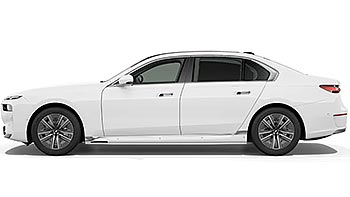
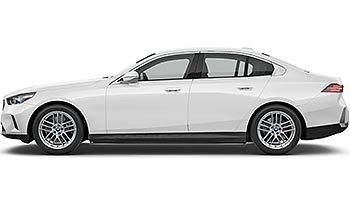
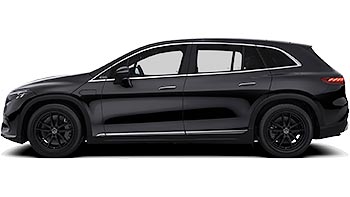 Mercedes-Benz EQS SUV 580 4Matic
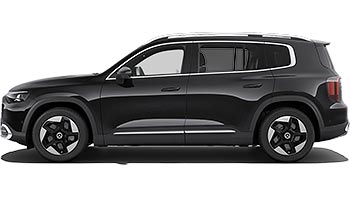 Mercedes-Benz GLB 350 4Matic
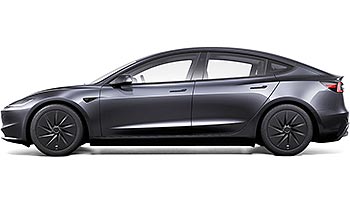
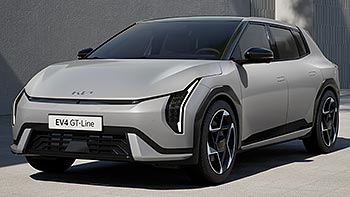

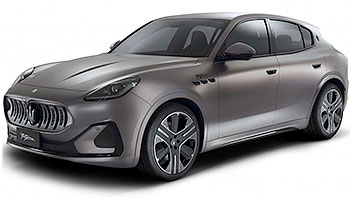
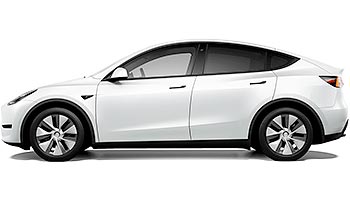
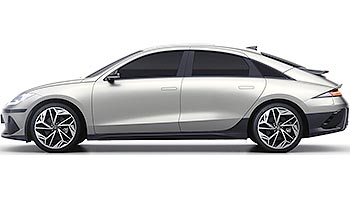
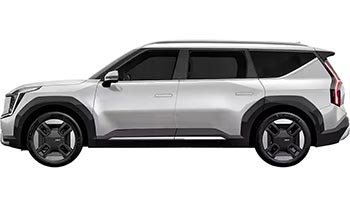 Kia EV9 99.8 kWh AWD
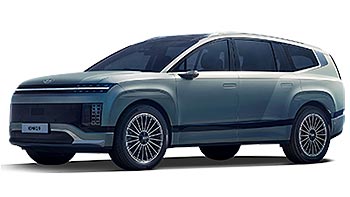 Hyundai Ioniq 9 Performance
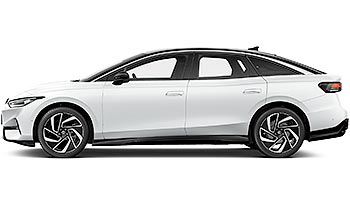
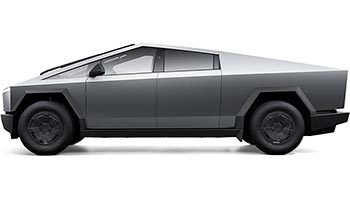 Tesla Cybertruck Cyberbeast
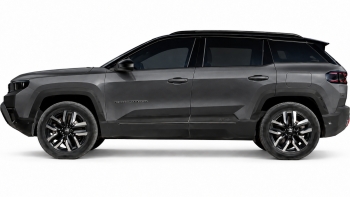
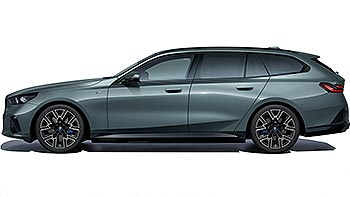
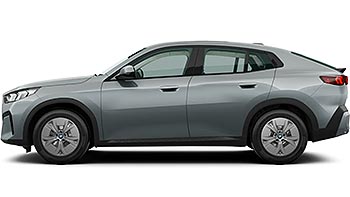
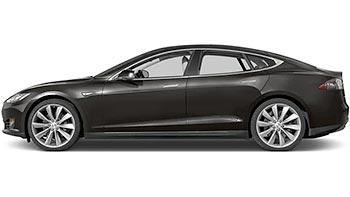
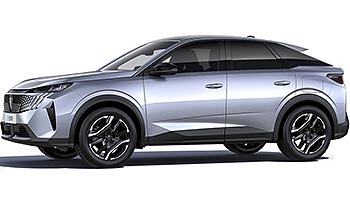

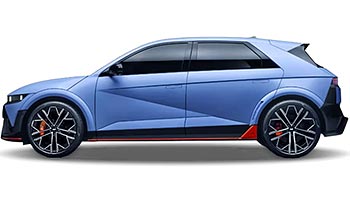
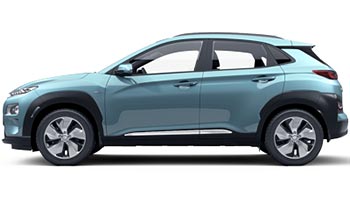
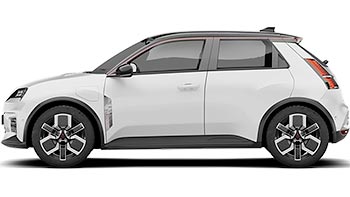
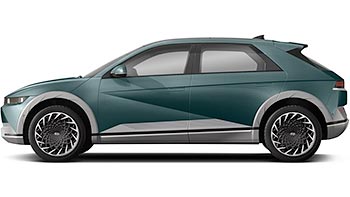
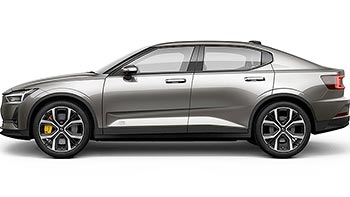
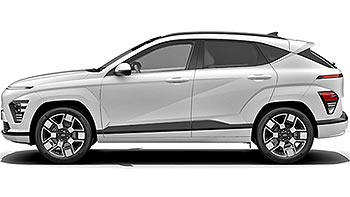
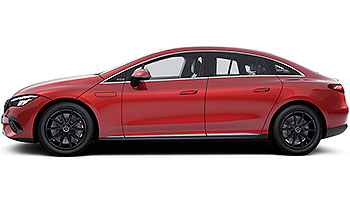
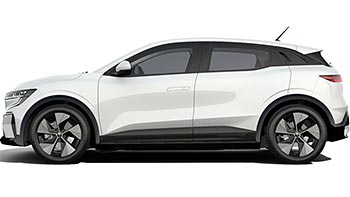
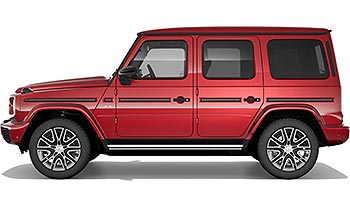
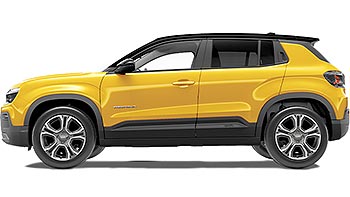
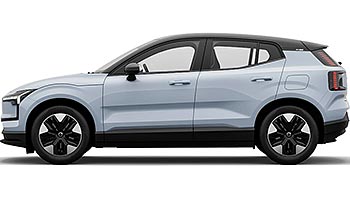
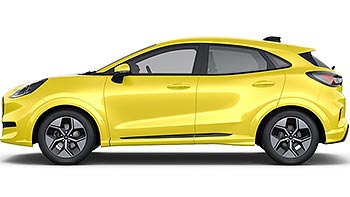
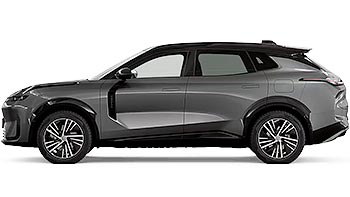
At 56 mph, consumption remains remarkably well controlled. Despite the AWD system, enormous weight and substantial power output, the EX90 continues to post figures comparable with smaller rivals and delivers excellent real world range. As this is the speed limit on many European country roads, longer journeys away from highways should be easily accomplished.
At our highway test speed of 81 mph, however, physics finally catches up. The EX90 begins to pay the price for its size and frontal area, with consumption rising considerably. It remains efficient for a full size electric SUV, but the advantage over direct competitors becomes much smaller and overall range takes a noticeable hit.
That matters because vehicles like the EX90 are often expected to cover long distances in a single journey, primarily on a highway. It still dominates the 7-seat SUV category, yet if we allow for some 5-seat alternatives that absolute domination starts to crumble. Its biggest advantage is the new 800V architecture, which dramatically improves charging speeds and helps compensate for the higher highway consumption by keeping stops relatively short.
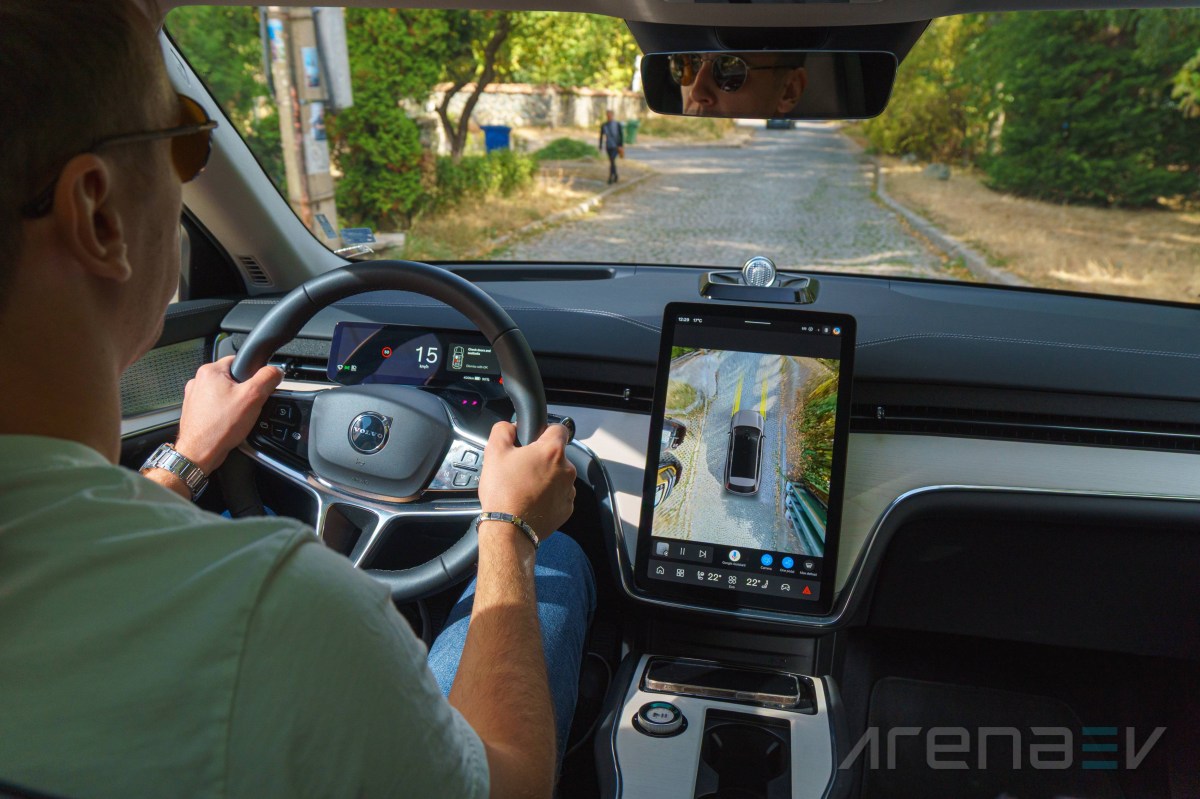
The Performance trim offers much more power and very similar range figures to the regular Twin Motor version for a minimal price difference. A single-motor version with the large battery would’ve been the best choice for those aspiring for the longest range possible, yet Volvo doesn't offer that option. Given the available choices, we would therefore be tempted to go straight for the Performance.
You can use the widget below to find out the 2026 Volvo EX90 Twin Motor Performance’s range in every combination of speed and temperature you might need. We've used our real world tests and a complex model to provide an estimate that should be as close to the actual performance as possible.





From the team behind
GSMArena.com
Facebook
Twitter
Instagram
RSS
Settings
Log in I forgot my password Sign up