Second-gen Dacia Spring exposes the absurdity of modern electric cars
For the last ten years at least, mainstream carmakers have insisted that saving the planet means building two-and-a-half-tonne, leather-lined electric dreadnoughts that cost as much as a small terraced house in Yorkshire. Showrooms are packed to the rafters with SUVs each having three displays across the dashboard, artificial motor hums, and tri-motor powertrains capable of going from zero to sixty faster than a classic supercar.
But if you look out the window, the real world is completely different. Real people are stuck in bumper-to-bumper traffic, dodging potholes, hunting for a parking space that hasn't been pinched by a delivery van, and watching their household budgets get squeezed until there's nothing left.
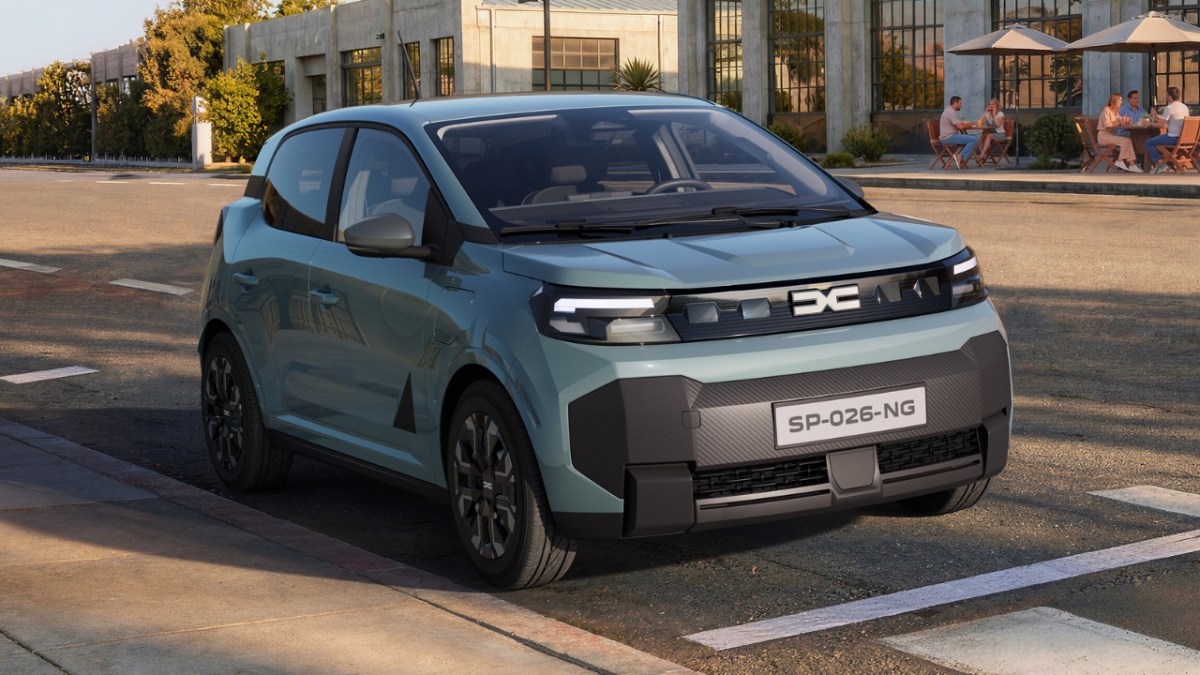
Dacia has been the undisputed world champion of pure pragmatism since its rebirth under Renault wings. When the Romanian outfit launched the original Spring back in 2021, the motoring snobs smirked. It was essentially a re-engineered, China-built budget runabout riding on spindly bicycle tires, with interior doors that shut with the tinny "clang" of an empty biscuit tin and a 44-horsepower motor timed to sixty with a desk calendar.
Surprisingly, despite all those drawbacks, over 210,000 European buyers voted with their bank accounts across five years. Why? Because the rest of the industry got busy pricing normal families out of personal mobility, and Dacia offered an electric runabout that cost less on a monthly finance deal than taking your partner out for a decent steak dinner and a couple of craft pints. It was flawed, narrow, and very basic, but it was honest to its back teeth.
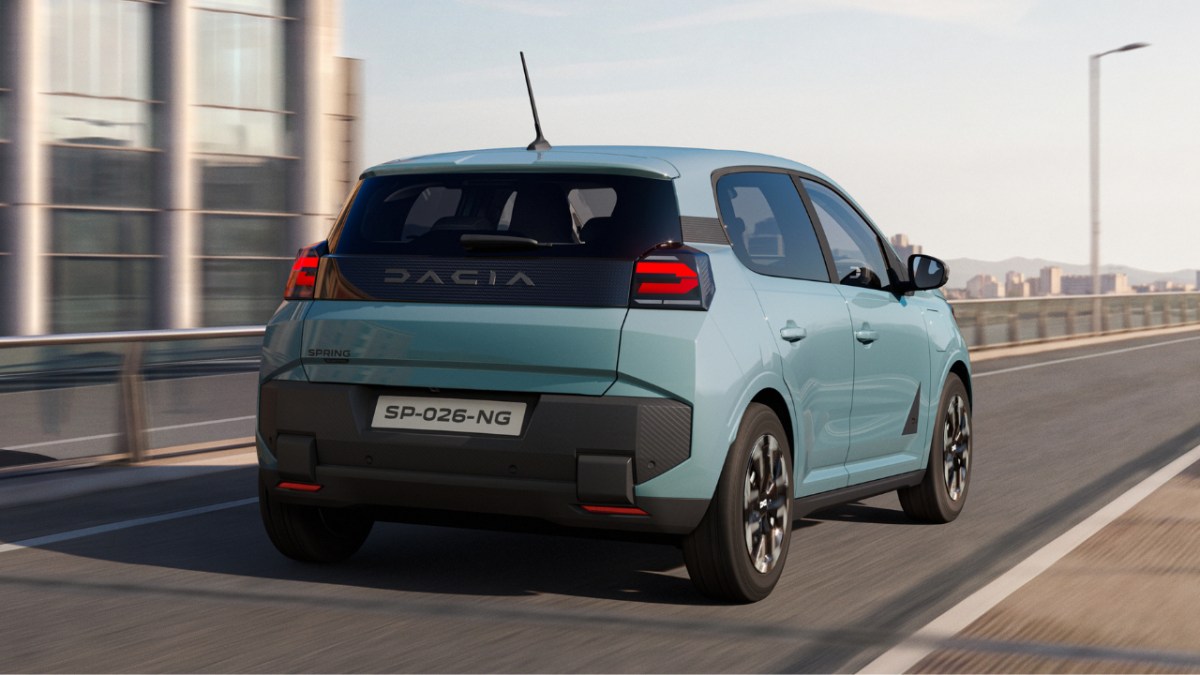
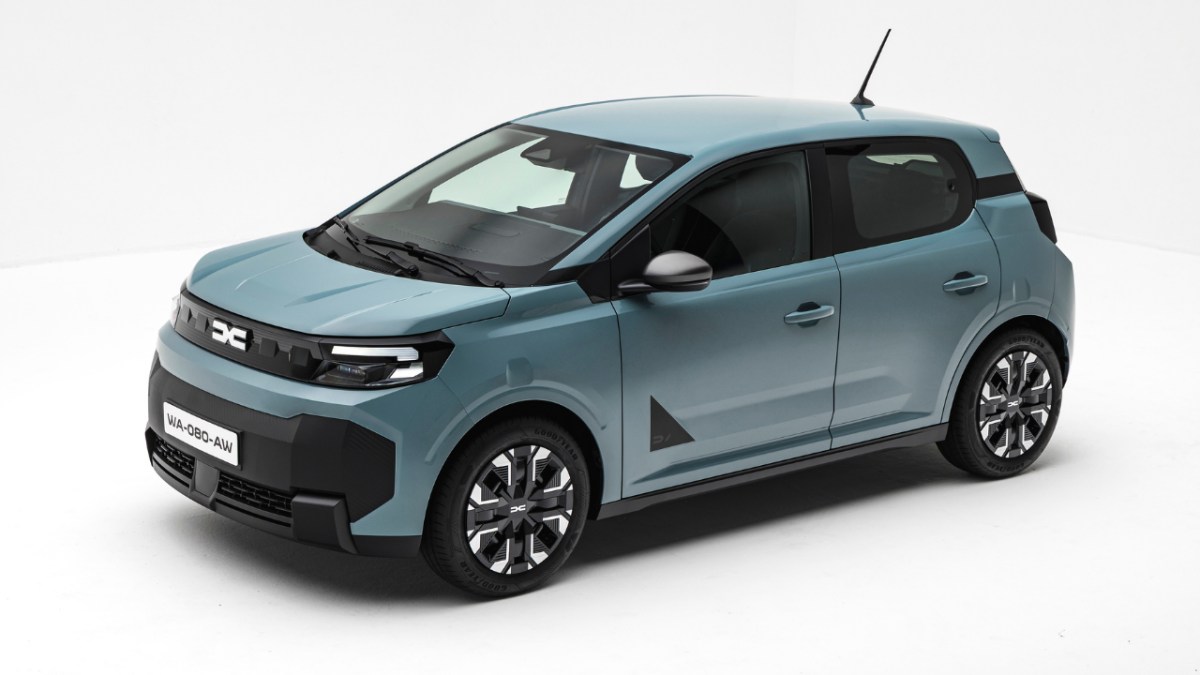
And today, Dacia has pulled the wraps off the second-generation Spring. And it is a colossal shift. Instead of lazily warming over the old car's Dongfeng-derived bones, Renault Group went back to the drawing board and cooked up this all-new Mk2 in 16 months - the fastest vehicle concept-to-production sprint in the conglomerate's modern history.
The Spring has packed its bags, fled its Chinese assembly line, and moved production onto European soil at the Novo Mesto factory in Slovenia. It rides on Renault Group's purpose-built RG-EV small architecture (the very same AmpR Small platform underpinning the retro-chic Renault Twingo E-Tech and the Renault 5), giving it an entirely fresh mechanical lease on life.
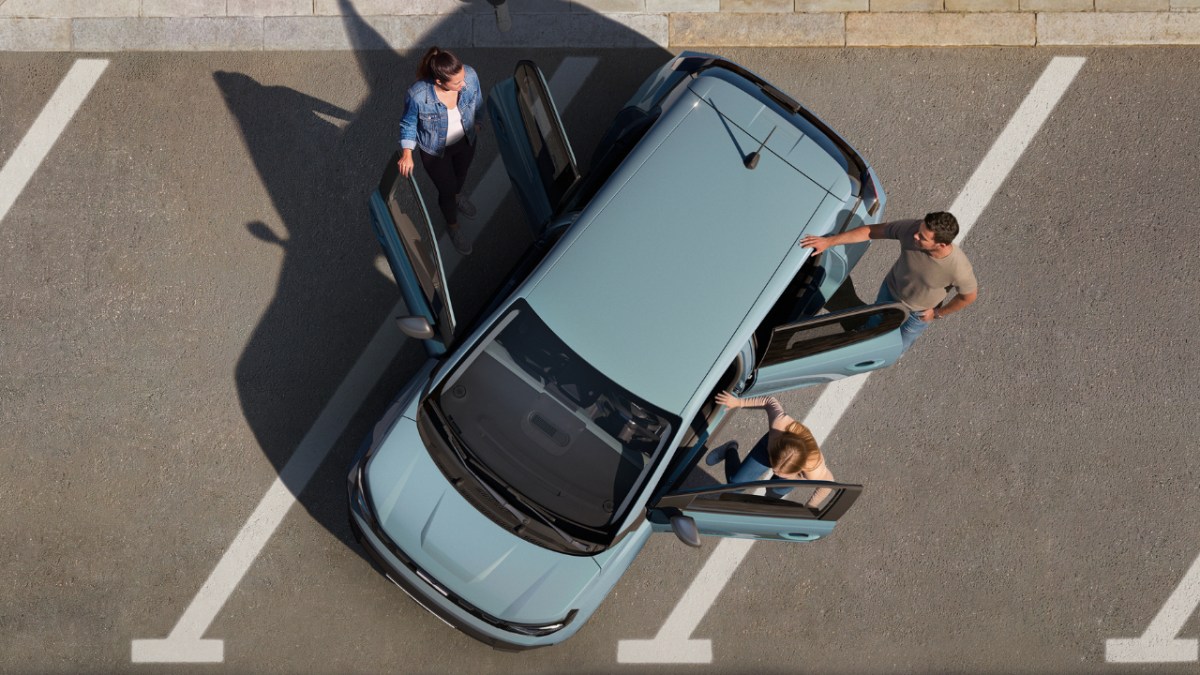
You can spot the newfound European maturity the second you lay eyes on it. The original Spring looked like a startled tall-boy hatchback perched precariously on roller-skate casters. This Mk2, by contrast, adopts Dacia design boss David Durand's chunky, rugged aesthetic. It stretches 151.6 inches from nose to tail, stands 58.7 inches tall, and spans 68.5 inches wide. That last number is a massive 7.1 inches wider than its spindly predecessor, giving it an aggressive, square-jawed stance that finally looks planted on the tarmac.
Purely for comparison, the French-built Renault Twingo sibling is 149.2 inches long, 67.7 inches wide, and 58.7 inches tall, sporting a cute, smiling, retro-bubble face. Dacia went in the opposite direction, ditching the smiley face for geometric body cladding, flared wheel arches, and bold horizontal trim strips bridging the lights. The budget benchmark from Stellantis and China, the Leapmotor T03, sits at a stubby 142.5 inches long, a skinny 62.2 inches wide, and a tall 65 inches high. Where the Leapmotor feels like a narrow phone booth on tiny wheels, the Spring now has the broad shoulders of a proper, grown-up B-segment crossover squeezed into an urban footprint.
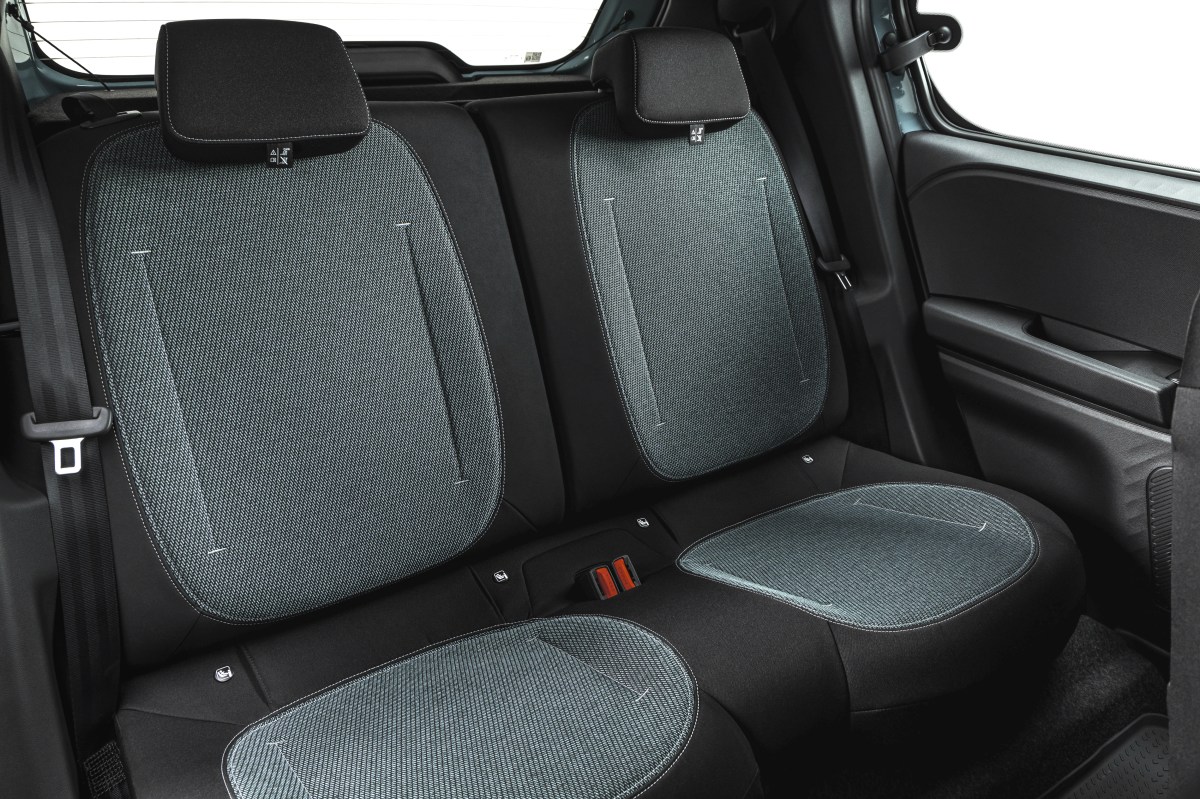
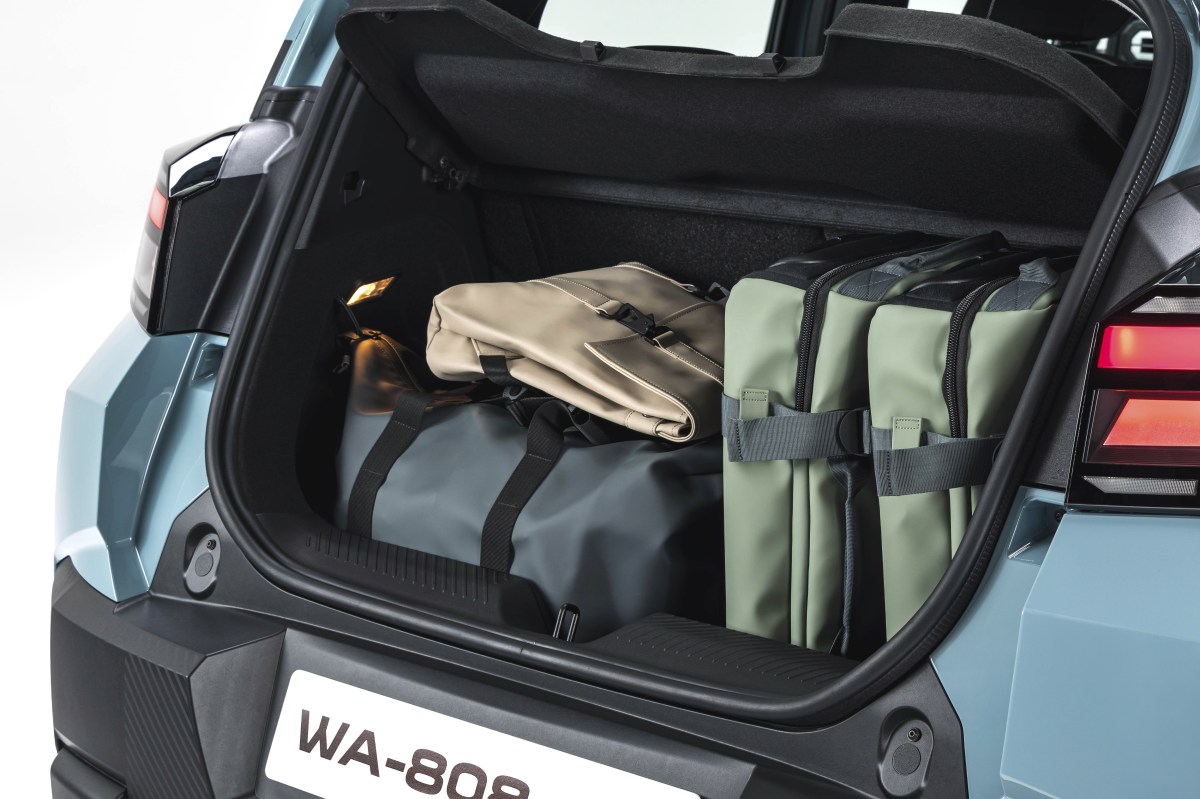
Better yet, Dacia gave the Spring an extra 2.36 inches of rear overhang compared to the Twingo. While it sacrificed the Twingo's sliding rear bench to keep manufacturing costs from spiraling, that extra tail yields an impressive 11.9 ft³ of luggage capacity - nearly matching the luggage volume of the far pricier Renault 5.
And because the bluff, upright nose freed up clever packaging space under the hood, Dacia managed to squeeze in an 18-l frunk. In a sub-compact city car, having a dedicated front cubby to stash greasy, rain-soaked charging cables instead of tossing them on top of your weekly groceries is a stroke of genius.
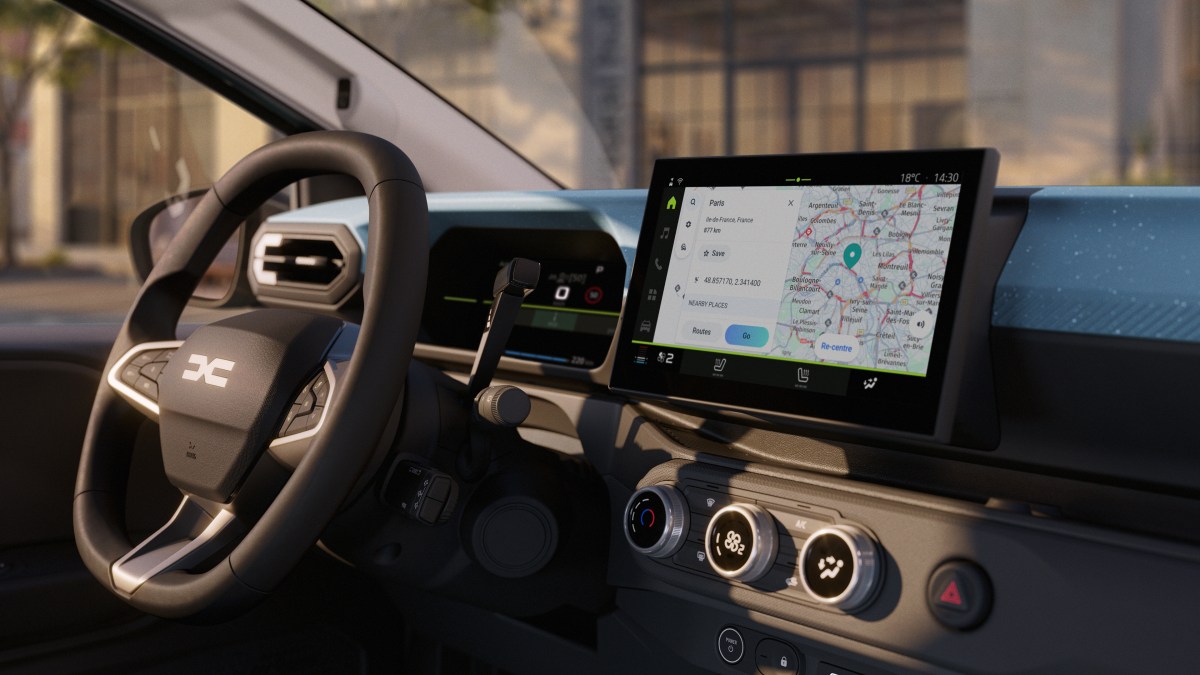
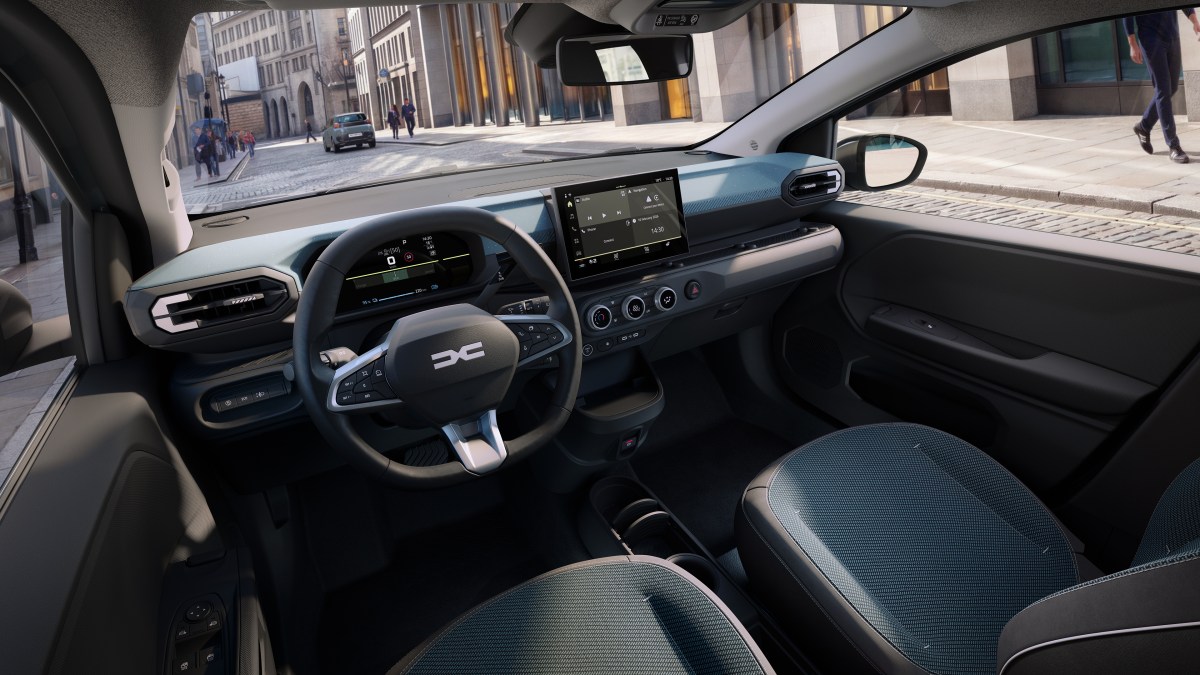
Climb inside the cabin, and there's nowhere to hide from Dacia's stubborn philosophy. If you are expecting touch-sensitive haptic sliders, plush suede headliners, or faux-carbon fiber, you have knocked on the wrong door. The plastics across the dashboard and door cards are rigid, scratchy, and hard-wearing. Close the door with too much oomph, and you will still get that familiar, lightweight automotive "ding." But unlike the previous generation, it no longer feels bargain-bin bleak - it feels smarter, more durable, and cleverly styled.
The entry-level Expression trim skips a built-in infotainment screen entirely, providing an ergonomic, horizontal smartphone clamp so your phone can handle navigation and music via Dacia's Media Control app. It is an honest solution that avoids installing sluggish touchscreens that will age like milk in five years.
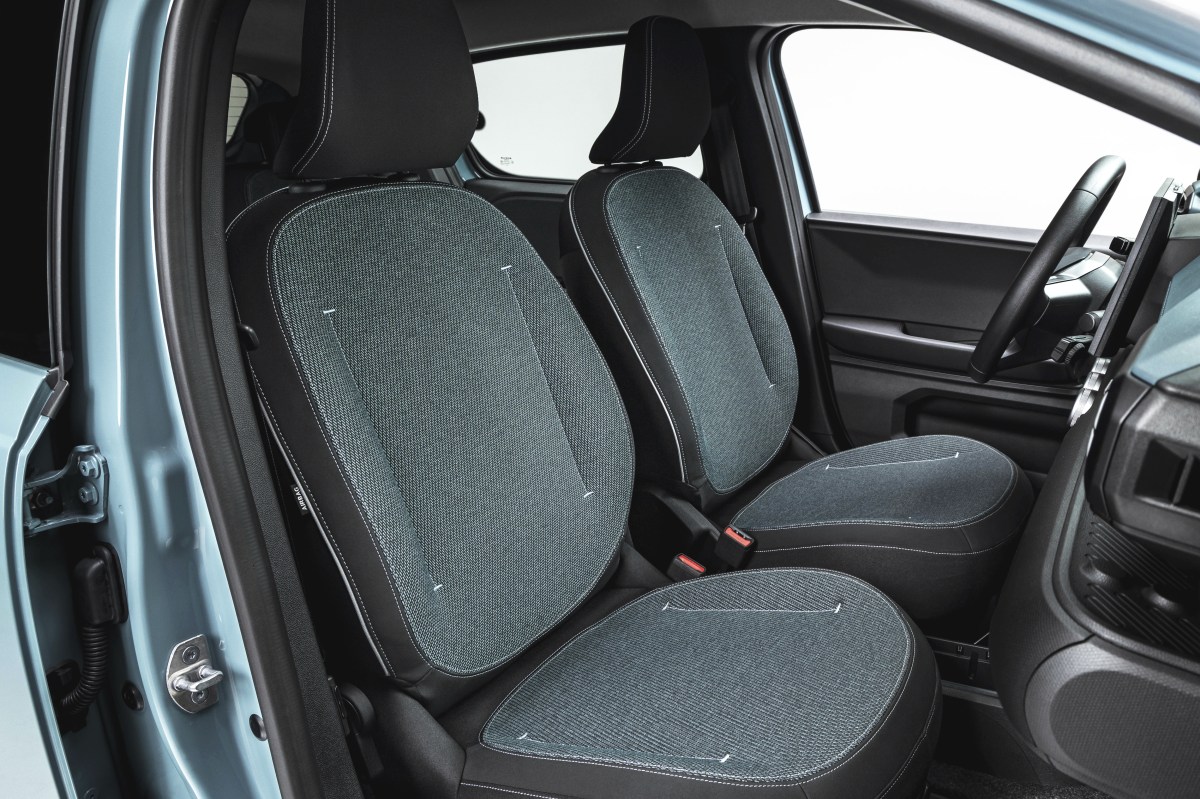
If you insist on "luxury," the Journey trim adds a 10.1-inch central touchscreen with wireless Apple CarPlay and Android Auto, paired with a standard 7-inch digital driver's cluster. Scattered throughout the cabin are Dacia's clever YouClip mounting pegs, allowing you to clip on cup holders, portable torch lights, and bag hooks wherever you please. And since European safety bureaucrats force maddening lane-keep beeps onto everyone, Dacia has fitted a physical "My Safety" button on the dash, letting you mute the irritating nannies with a single, satisfying press before pulling away.
The mechanical package focuses on urban survivability rather than bragging rights at the pub. A single front-mounted electric motor develops 60 kW (79 bhp and 129 lb-ft of torque). You will not be pinning your passengers' eyeballs into their sockets, but with a 0 to 62 mph sprint dispatched in 12.1 seconds and a top speed capped at 81 mph, the Spring finally has enough gumption to merge onto dual carriageways without you having to say a silent prayer. A tidy turning radius of 16.24 ft ensures you can execute a cheeky U-turn across virtually any high street without making it a three-point embarrassment.
Feeding the motor is a 27.5 kWh usable lithium iron phosphate (LFP) battery, with an official WLTP combined range of 155 miles. Armchair critics will scoff at that number, but Dacia's actual customer telematics reveal the cold, hard truth: the average Spring owner drives 13 miles a day at an average speed of 13 mph.
Charging is similarly unfussy since 75% of Spring drivers plug in at home. The standard 6.6 kW AC onboard charger replenishes the battery from 15% to 80% in nine hours on a simple domestic plug socket - meaning you can top it off overnight without spending thousands installing dedicated wall units. If you do venture beyond city limits, opting for the fast-charge pack brings an 11 kW AC charger alongside 50 kW DC rapid-charging capability, which cuts that 15% to 80% pitstop down to 28 minutes.
When the new Spring lands in UK dealerships in early 2027, the initial sticker price is expected to hover just below $24,700. On paper, that is a big jump from the outgoing model's astonishing $16,470 entry point. But since the production has moved from China to Slovenia, the new Spring avoids punitive tariffs and could qualify for a $5,150 government grant, pulling the net price tag down toward $19,200.
That still leaves the Chinese-built Leapmotor T03 clutching the crown for the UK's cheapest brand-new electric car at $17,846, but the Dacia offers more interior room, proper European crash engineering, and a dealer network that doesn't vanish into thin air.
It turns out that this little runabout is only the opening salvo. CEO Katrin Adt has confirmed the Spring kicks off an ambitious four-model electric blitz by 2030, which will soon see an electric Sandero supermini, followed by zero-emission variants of the rugged Duster and the muscular Bigster.
Dacia is taking the fight directly to the bloated, overpriced mainstream, demonstrating that building an honest car for everyday people is way more revolutionary than producing another luxury land yacht. The second-generation Spring is cheap, unpretentious, and built for the reality of modern life. It borders on an impulse buy - and I believe the electric car market desperately needs it.

Reader comments
- John
- XZr
This article was boring as shit to read. Whoever wrote it needs a lesson on writing article and not making it so boring along the way

From the team behind
GSMArena.com
Facebook
Twitter
Instagram
RSS
Settings
Log in I forgot my password Sign up