Tesla joins White House EV charging expansion program
Tesla is joining the NEVI program announced by White House and will open up its Supercharger network to all EV users across the US. On top of that the company will make its Level 2 AC destination chargers available to non-Tesla vehicles and the company will double the size of its Supercharger network.
While this sounds exciting, picking the deal apart unveils a shrewd move by Tesla. First of all the company agreed to make at least 3,500 Superchargers available to other users by the end of 2024. Those fast DC chargers will be located along the main highways across the US. In addition the company will make its destination chargers available to all EV users - these are Level 2 AC chargers. In total, Tesla promises access to at least 7,500 EV chargers in 2 years.
This isn’t a charitable move on behalf of Tesla, it simply joined the NEVI program together with General Motors, BP, Hertz, Mercedes-Benz, Electrify America and many others. The NEVI program (New Electric Vehicle Infrastructure) is a $5 billion undertaking to promote and create EV charging infrastructure across the US.
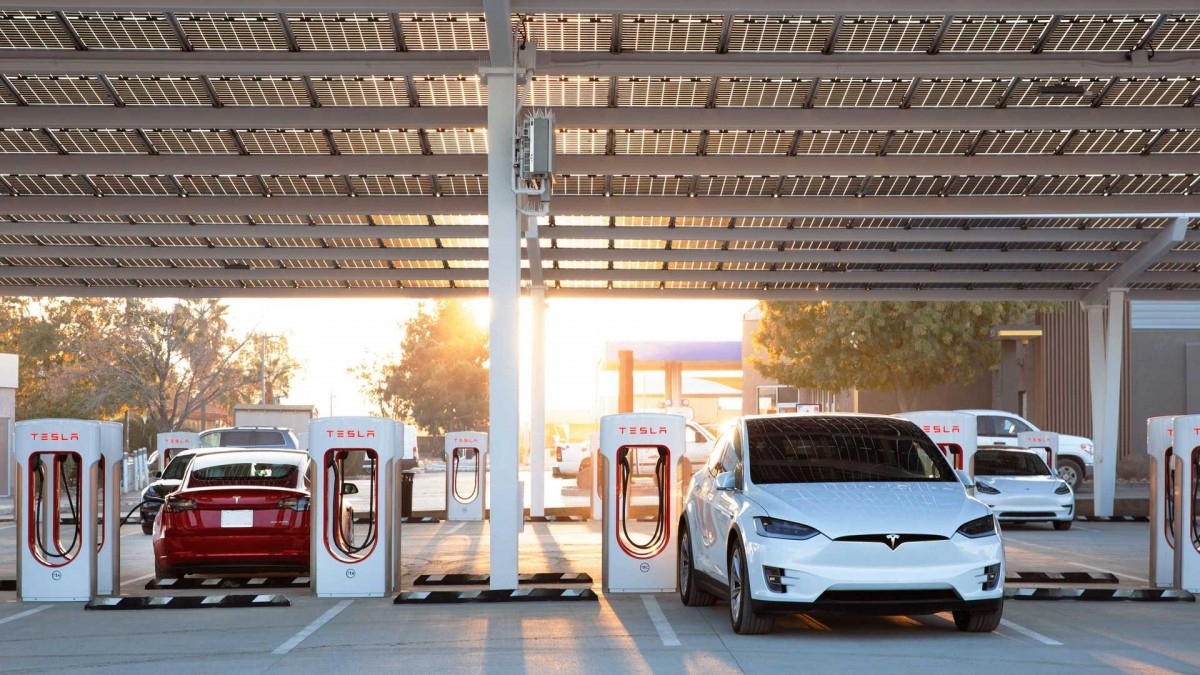
The program offers grants and other financial support to installers and manufacturers of EV chargers and is focused on the highway network to facilitate long distance travel for electric cars. The requirements for grants are simple - at least 55% of components of the EV charger has to be made in the US.
This puts Tesla in a very good position, it is almost as if the NEVI program was designed with the company in mind. By opening up its EV charging network to other customers, the company will gain access to grants and other funding. Tesla plans to take advantage of the situation and announced it will double the size of its Supercharger network at the same time.
The language used in the White House press release is fairly vague as usual. The issue here is whether the soon-to-be-available 3,500 Supercharger stations mean actual sites or just chargers. Currently the company operates 1,664 Supercharger locations and if it was to open them all up and double their number as it plans to do, it would mean 100% of the network available to every EV. But the release says that Tesla will open access to only part of its SUpercharger network.
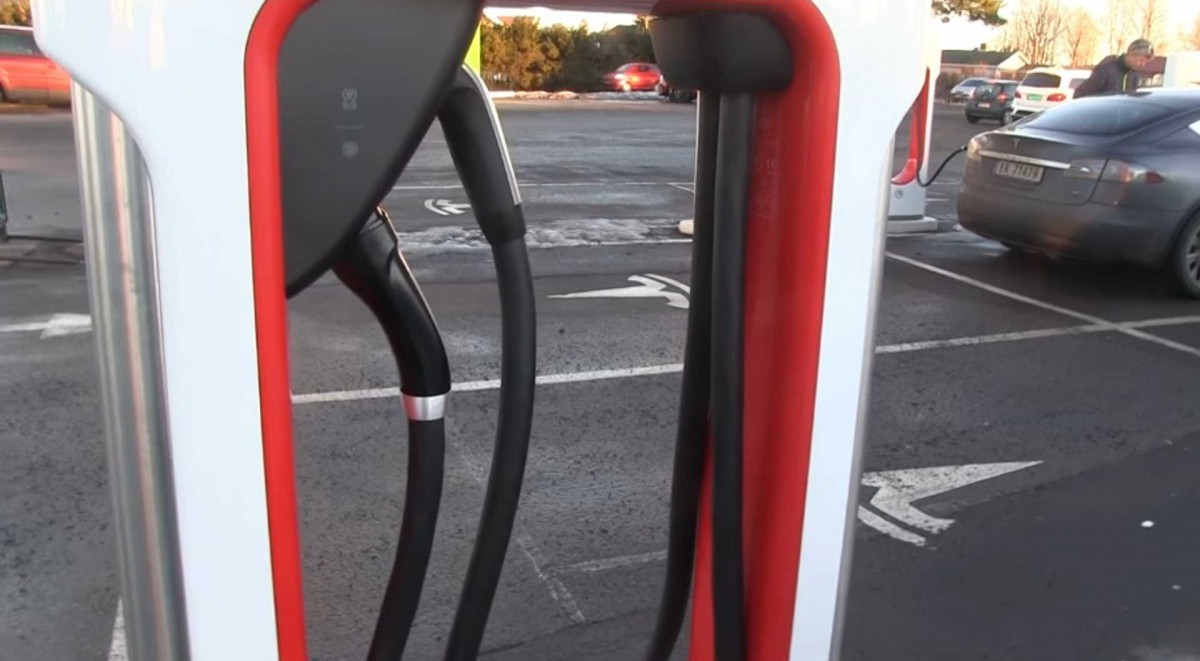 Dual Supercharger
This most likely means the 7,500 of new and existing Superchargers and Level 2 destination chargers mean actual chargers - plugs if you will. And that is the shrewd move from Tesla, by dangling a carrot and giving access to a small part of its extensive charging network to non-Tesla vehicles, the company just secured grants to double up its charging network. That’s very clever and it explains yesterday’s Tesla shares movements.
Tesla is not the only company taking the advantage of the NEVI program and in all honesty, that’s what NEVI is for. The consumers will benefit, there will be far more EV chargers across the US and the network will be built quickly. Tesla’s advantage here is just the proof that its strategy of building a charging network was right from day one and it can finally reap the rewards.




From the team behind
GSMArena.com
Facebook
Twitter
Instagram
RSS
Settings
Log in I forgot my password Sign up