Tesla's FSD gets a new name and lower speed margin in the Netherlands

The Netherlands' Vehicle Authority RDW just gave Tesla's FSD a green light after asking the company to make some "minor changes" to the software. In addition, the Full Self-Driving software is no longer called FSD. The new official name is Tesla Assisted Driving since this is what the actual feature is doing - assisting and not offering a full self-driving experience.
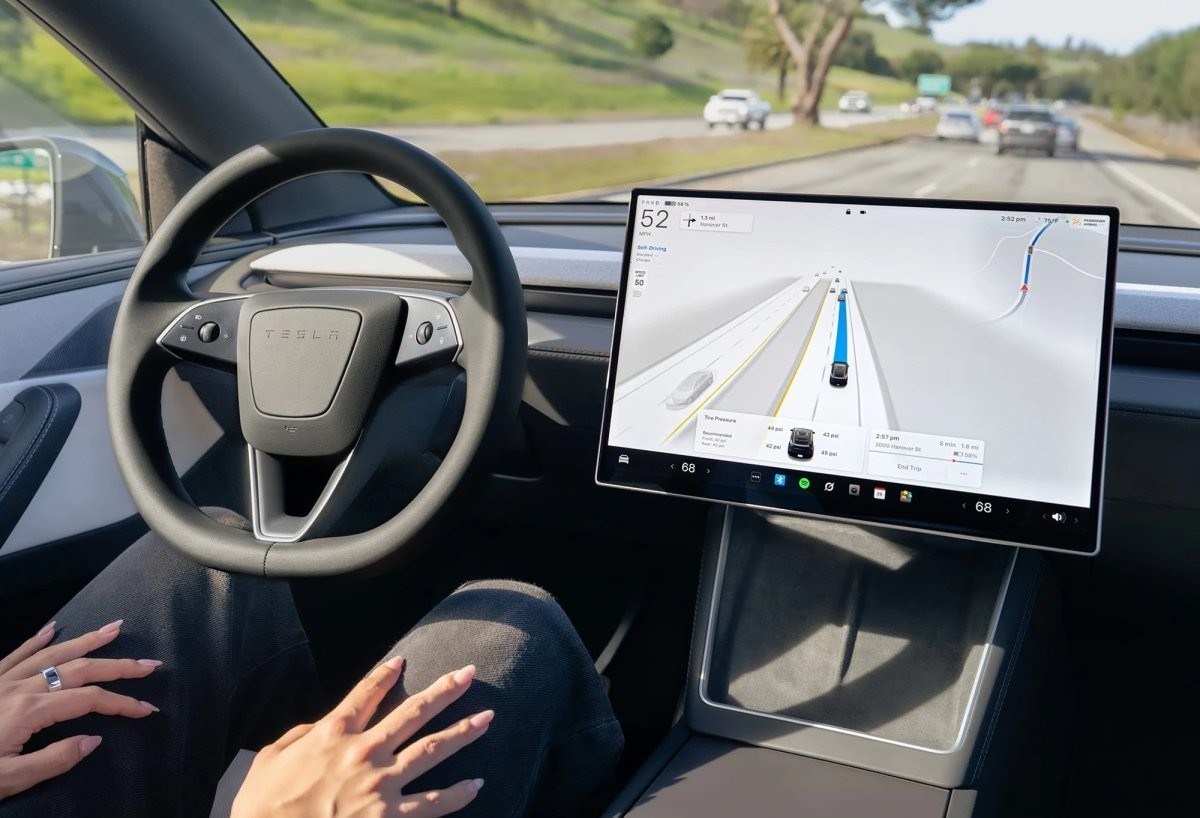
However, the most notable change is the speed limit margin. Up until now, Tesla's software was given a 50% margin over the speed limit, meaning the system can go up to 50% over the speed limit. On a motorway with a 100 km/h speed limit, for example, a Tesla can accelerate up to 150 km/h if needed. The Netherlands' regulatory agency argued that this limit should be no more than 10%.
Tesla pushed an over-the-air update, and the infotainment system in Tesla vehicles running on the HW4 computer displays the "Tesla Assisted Driving" name, and the speed limit margin is capped at +10%. Additionally, the margin is set back to 0% every time you start the vehicle. Other speed limit-related settings revert back to default as well.
The Dutch decision to approve Tesla's ADAS comes weeks before EU member states could vote on approving the system across the bloc. Tesla will need 15 out of 27 member states to vote in favor to win a majority, and those states need to represent at least 65% of the EU's population.
It's going to be a tough one for Tesla since not all member states agree on the same guidelines. For instance, Sweden wants a zero-tolerance approach, meaning it's against speed margins in general.
Other countries like Belgium and France are also wary of the speed margins, as researchers found that vehicles with Assisted Driving go beyond the previously imposed 50% margin cap, especially in 30 km/h segments in urban areas. That could be related to another issue that plagues Tesla's FSD and that's the inability to recognize speed limit signs at times. Germany, on the other hand, agrees with the Dutch authorities on the 10% margin cap and the name change.
EU member states will cast their votes in December, and we will see if the approval becomes bloc-wide.





From the team behind
GSMArena.com
Facebook
Twitter
Instagram
RSS
Settings
Log in I forgot my password Sign up