The Genesis GV60 Magma is a riot
Genesis - the one brand that has always been the polite guest at the luxury automotive dinner party. Back in the day, the Germans traded blows with ever-stiffer suspensions and carbon-fiber trinkets, but the Korean brand carved out a serene niche of quilted leather, silent cabins, and rotating crystal spheres on the center console. It was civilized. It was dignified.
Somewhere along that dignified line, the engineers in Namyang decided they had enough of playing nice. And what they came up with is the GV60 Magma - soaked in bright orange paint, with a rear wing that means business, and packing enough clout to send shockwaves through the unsuspecting electric crossover market.
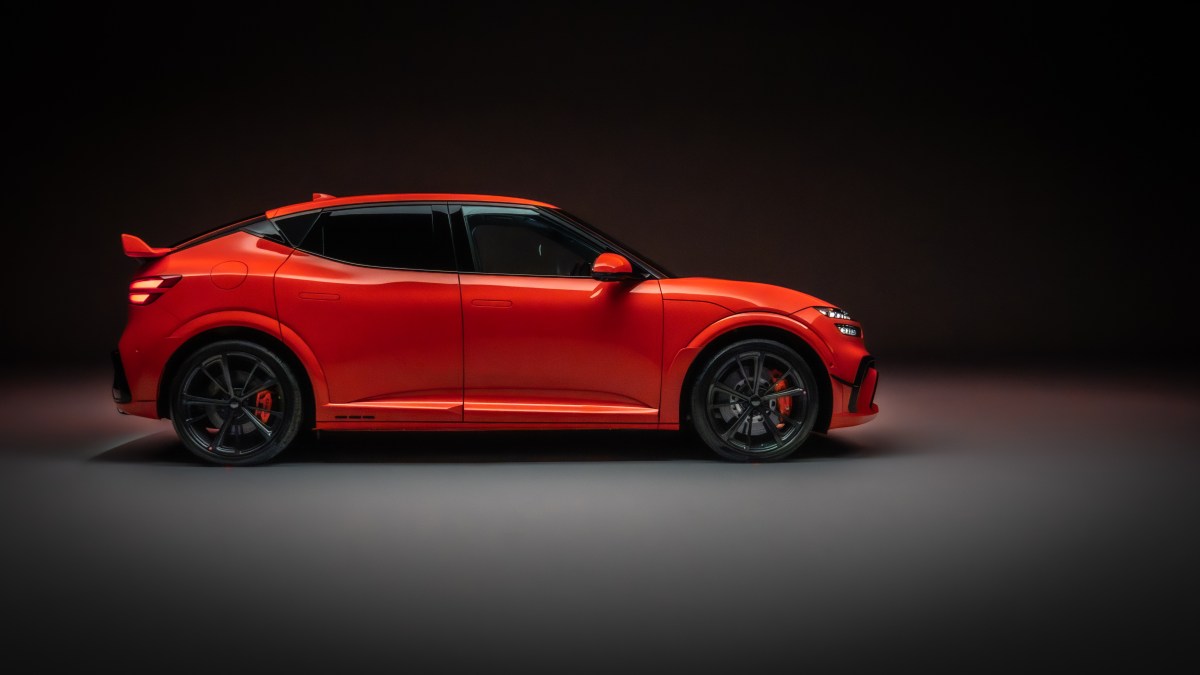
This is not a cosmetic lash-up with fancy badges and bigger wheels - the hardware underneath is serious. Leading the team behind Magma is Manfred Harrer, the former Porsche chassis guru who now heads Hyundai Motor Group's R&D division. When someone with that kind of sports car pedigree talks about vehicle dynamics, you listen.
Harrer's philosophy is simple: straight-line thrust is cheap, razor-sharp controllability is priceless. Rather than dialing up the electric juice and hoping the tires hold on, his team went to work turning a plush urban cruiser into an apex-hunting missile.
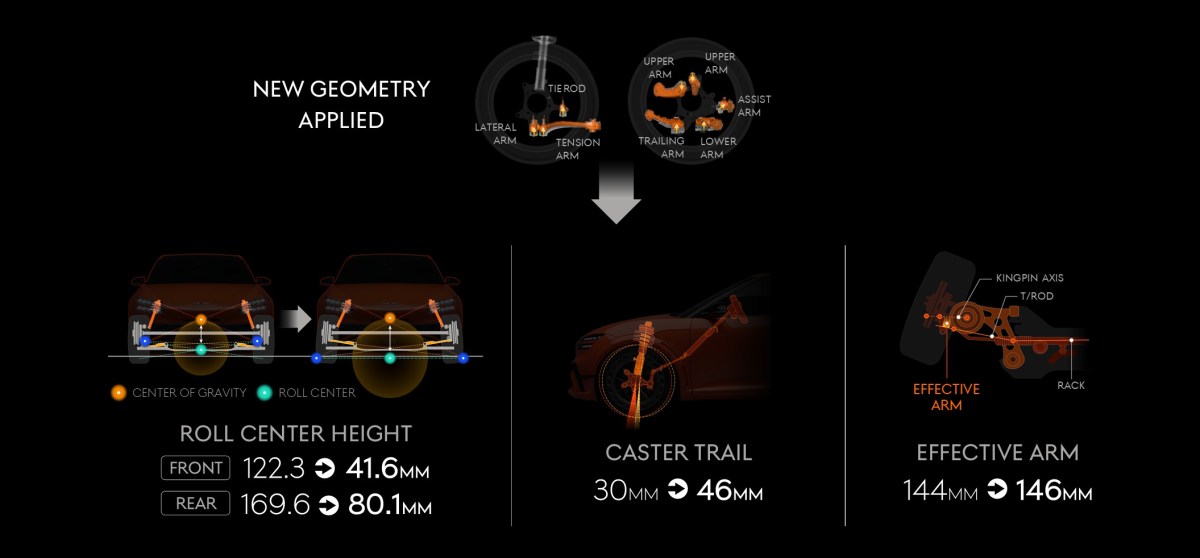
Sure, the straight-line numbers will still rearrange your internal organs, together with your perception of what it means to be fast. With electric motors capable of spinning beyond 20,000 rpm, the dual-motor powertrain unleashes 650 PS and 583 lb-ft of torque. Pin the throttle and you blast from standstill to 62 mph in 3.4 seconds, blitz 124 mph in 10.9 seconds, and keep pulling all the way to a derestricted 164 mph.
But even more importantly, Genesis tackled the emotional void that plagues so many fast EVs. By integrating the e-ASD+ acoustic soundscape with a Virtual Gear Shift (VGS) system, the Magma mimics the rev-matched downshifts and rev-limiter barking of a high-strung petrol engine. Gimmicky on paper? No doubt. But out on the black stuff, it promises the visceral feedback your inner hooligan craves.
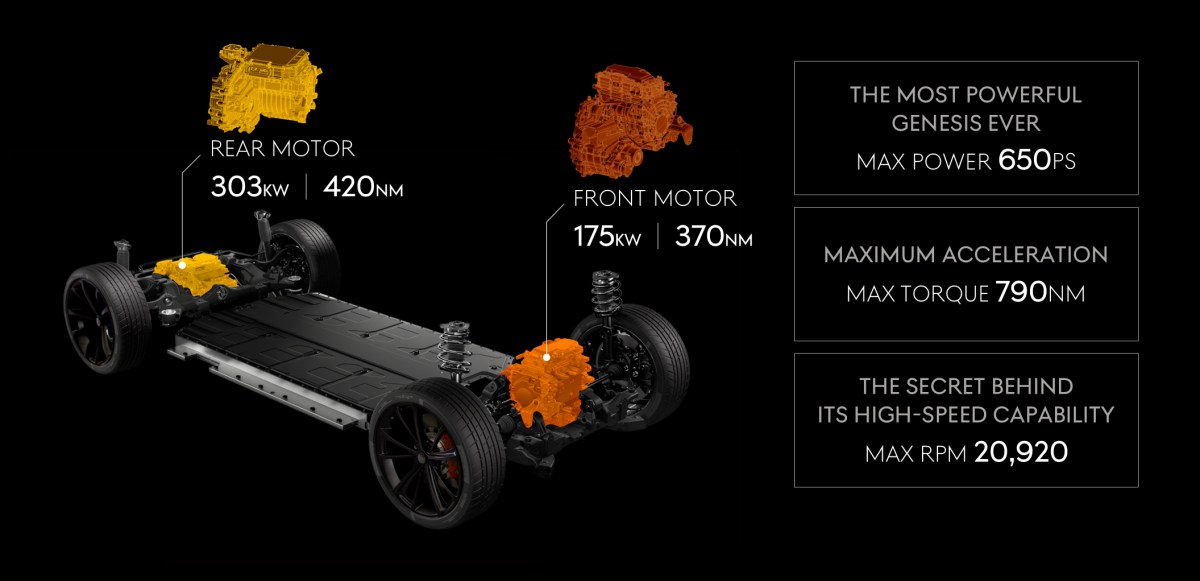
Where the Magma sets itself apart from the fast EV crowd is the chassis re-engineering. Instead of taking the lazy route of fitting rock-hard dampers, the engineers redesigned the suspension geometry from the ground up. They slashed the vehicle's roll center - dropping it from 4.81 inches to 1.64 inches at the front and from 6.68 inches to 3.15 inches at the rear.
Pair that with an extra 0.63 inches of caster angle and lower arms extended by 0.08 inches, and you get an extra 18% of cornering grip alongside a 10% jump in tire vertical loading. Confusing numbers? It means you can go much faster around corners without risking the orange paint.
Add in smart End-of-Travel damping that catches body roll in real time, plus bespoke Hydro G-bushings on the front axle, and you have an electric SUV that refuses to lean or wallow like a runaway barge. And to handle that extra violence, the body shell went to a structural boot camp. The chassis got additional 2.13 ft of structural adhesive, twenty extra spot welds, and reinforced L-brackets around the wheel arches, bumping torsional rigidity up by 9.7%.
Sticky 275-section Pirelli P-Zero rubber wraps around lightweight forged 21-inch wheels, cutting unsprung mass right where it counts. And when it comes time to wipe off frantic speed, massive 15.7 inches front brake discs clamped by monoblock calipers team up with heavy-duty regenerative braking to haul the car down from 62 mph in 110.9 ft. In track-focused Sport braking mode, hydraulic line pressure jumps to give an extra 15% bite at high speeds, keeping fade firmly at bay.
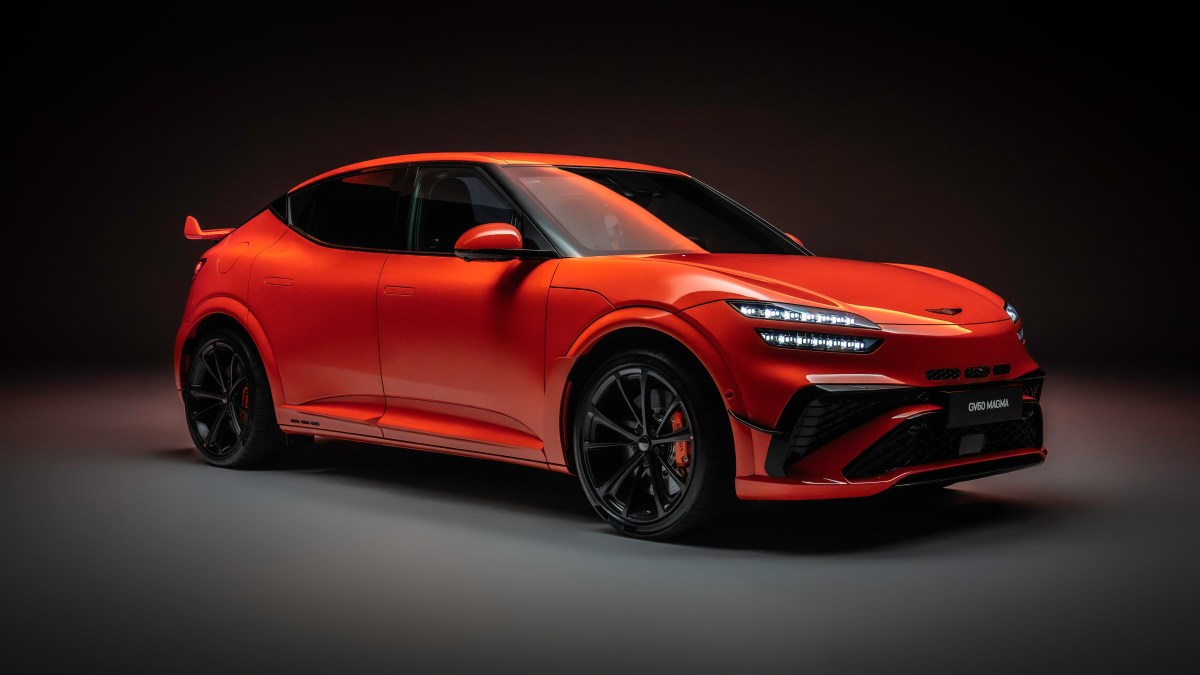
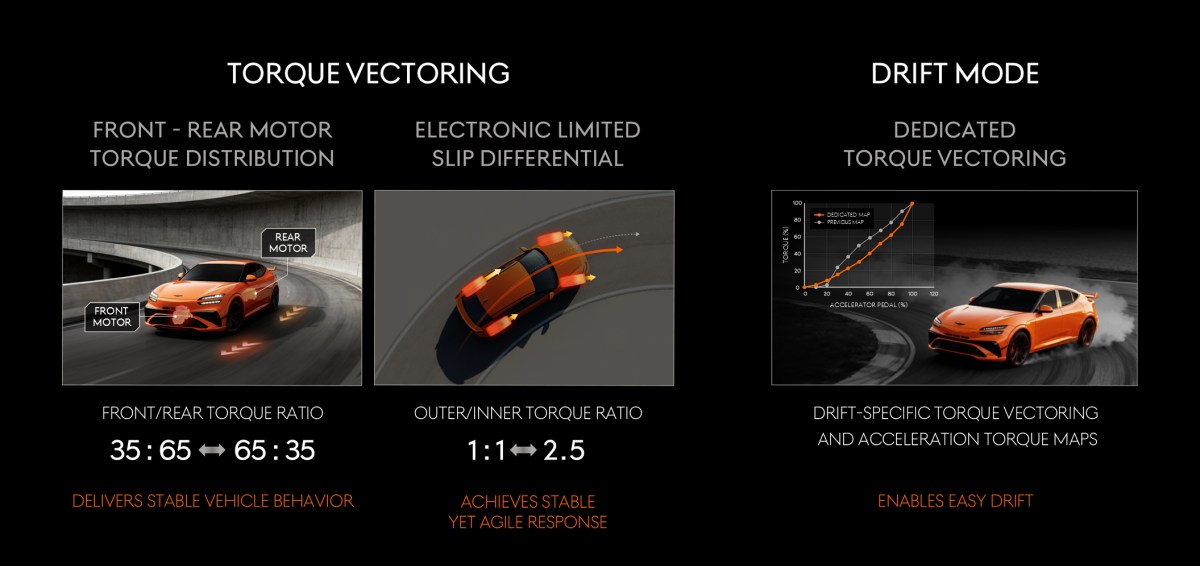
With the mechanicals out of the way, electronic trickery ties the whole ensemble together. Torque-vectoring setup constantly shuffles up to 65% of available grunt to either the front or rear axle, and the electronic Limited-Slip Differential (e-LSD) tightens the car's line through tight bends. If you really want to let your hair down, Genesis built in a dedicated Drift Mode. Select it, and the software rewrites the throttle mapping and torque distribution to put the rear end into predictable, smokey slides on command.
The Magma stretches 182.5 inches in length, 76.4 inches across its widened arches, and it sits low at 61.4 inches on a 114.2 inches wheelbase. It is surprisingly more compact and hunkered down than its rowdy corporate sibling, the 185.6 inches Hyundai Ioniq 5 N. It is also smaller than the 184.8 inches Kia EV6 GT.
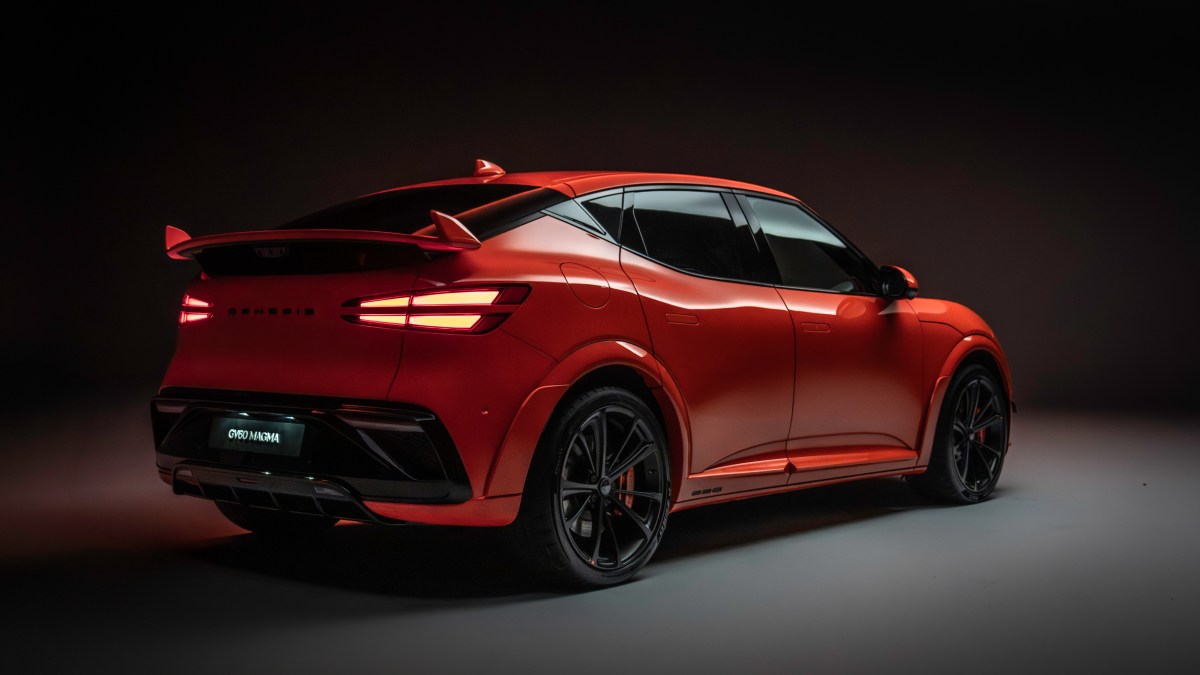
The high-end European heavyweights like the 188.3 inches Porsche Macan Turbo tip the scales at an intimidating 5,302 lb, but the Genesis keeps its bulk closer to 4,938 lb - a clever diet that makes it feel genuinely athletic rather than managed by electronic gizmos.
Of course, all this theatre doesn't come cheap. With an asking price of $104,254 in the UK (and early US estimates floating around $80,000), the Magma is a huge money leap over the entry-level $74,200 GV60 and asks a big premium over a $89,300 Ioniq 5 N. But it also undercuts six-figure German exotics while delivering a cabin swathed in leather, suede, and genuine high-end flair.




From the team behind
GSMArena.com
Facebook
Twitter
Instagram
RSS
Settings
Log in I forgot my password Sign up