Xiaomi's aggressive EV push weighs down Q2 earnings
Building a desirable car from scratch has to be the quickest way on earth to incinerate a mountain of cash. Doing it when your background is stamping out pocket-sized glass rectangles and smart rice cookers makes it look like pure madness. And yet, here we are, watching Xiaomi shift sleek EVs at a pace that should keep legacy boardroom executives awake at night. The only catch? Speeding up production lines does not magically speed up profits.
Xiaomi’s second-quarter earnings laid bare the reality of the modern EV race. The brand’s electric vehicle, AI, and new initiatives arm posted an operating loss of RMB 2.6 billion (around $383 million). Sure, that is an improvement over the first quarter’s painful RMB 3.1 billion shortfall, but it is the division’s second straight quarter swimming in red ink. It is a shocking mood swing from 2025, when the brand-new car division briefly tasted operating profit and made everyone wonder if the tech giant had found a cheat code for the automotive industry.
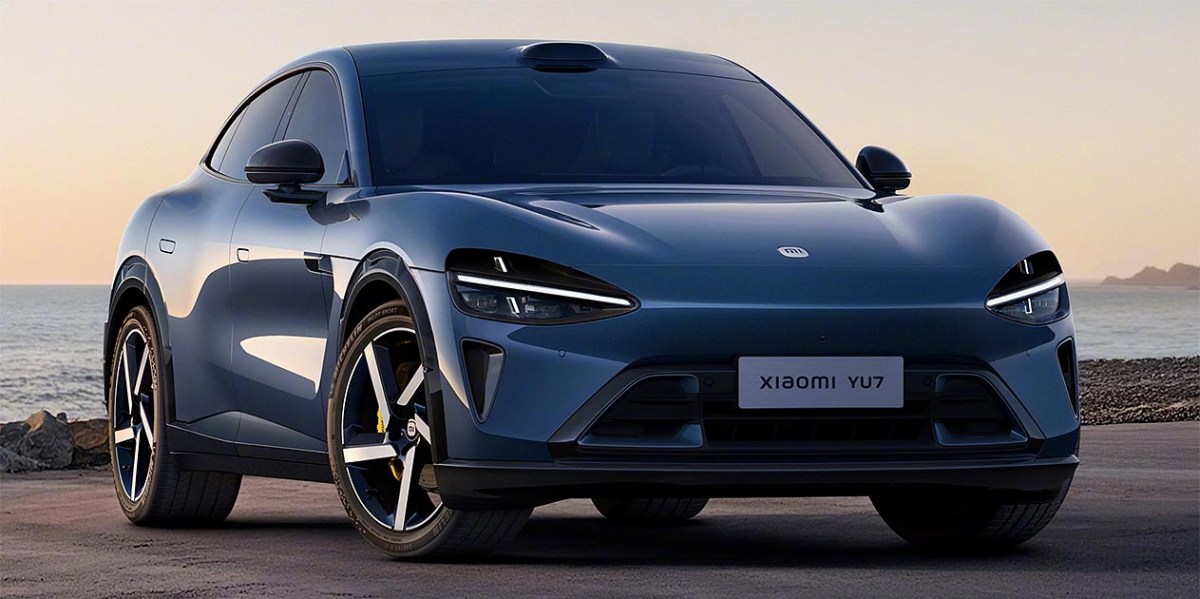
There is some good news - at least the top line looks like a runaway freight train. Total segment revenue shot up to RMB 24.9 billion ($3.7 billion) - a healthy 17.1% bump year-on-year - with pure EV sales accounting for RMB 23.9 billion ($3.5 billion) of that haul. Another RMB 1 billion trickled in from related tech ventures, including the in-house MiMo large language models. But revenue is vanity, and profit is sanity. Gross margins for the vehicle arm withered from a cushy 26.4% twelve months ago down to 19.2%. When margins take a dive like that, you know the bean counters are sweating behind their monitors.
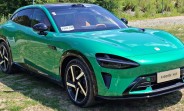
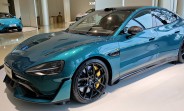
Why the margin squeeze? It’s all down to a classic case of product mix and ruthless manufacturing realities. Earlier on, buyers were snapping up the flagship SU7 Ultra - a wild, carbon-clad missile that sent 1,500 electric ponies straight to the black stuff together with juicy manufacturer profits.
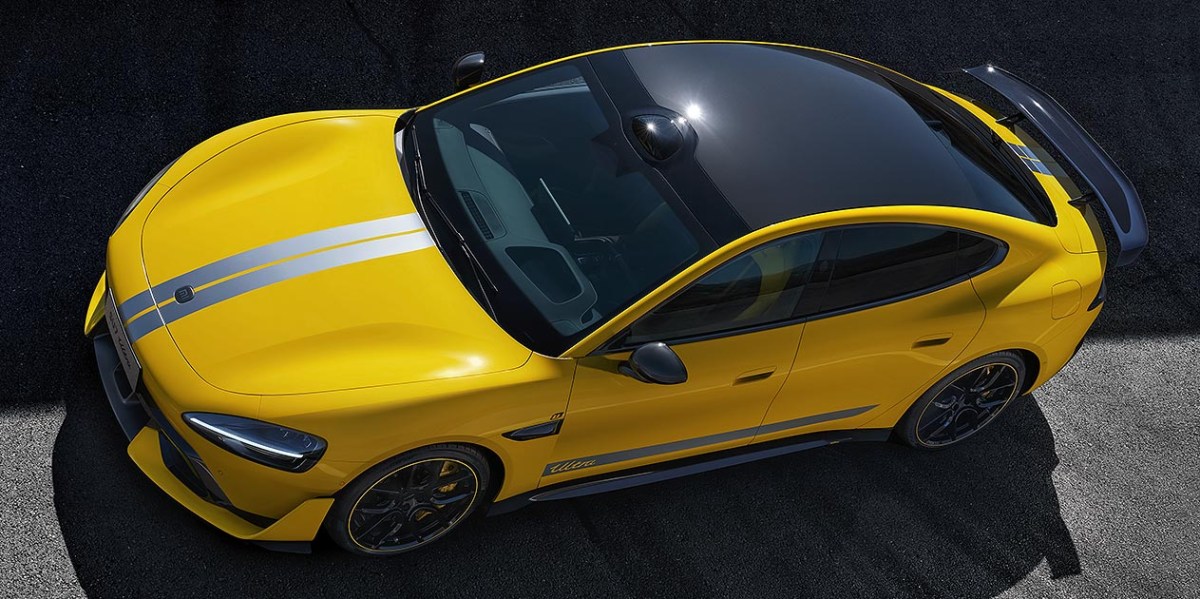
Unfortunately, customer appetite has now settled into more sensible, lower-margin versions, dragging Xiaomi’s average selling price down 9.6% year-on-year to RMB 229,312 ($34,020) per car. Add to it pricier supply chain components and an RMB 9.2 billion ($1.36 billion) group-wide R&D budget feeding AI infrastructure, and the spreadsheets start bleeding.
Yet out on the street, you would never guess the accountants were panicking. Xiaomi managed to deliver 104,199 vehicles in the second quarter alone - that’s a 28.2% leap over last year when passenger car sales across China slumped by 22%. Cracking past 500,000 cumulative SU7 deliveries while crowning the sales charts for premium electric sedans priced above RMB 200,000 is no small feat.
A big reason for that success is pure swagger. Walk up to an SU7, and you quickly realize it is a serious piece of kit. At 196.7 inches in length, 77.3 inches width, and riding on a generous 118 inches wheelbase with a 4,365 lb curb weight, it offers executive-class proportions. Park it next to a Tesla Model 3 - which measures a much tighter 185.8 inches long on a 113.2 inches wheelbase and tips the scales at 3,891 lb - and the American stalwart suddenly feels half a size down. Even against sleek domestic rivals like the Zeekr 007, which lands at 191.5 inches long with a 115.3 inches wheelbase, the Xiaomi wins in road presence and cabin real estate.
But coasting on the sales of a handsome saloon only gets you so far before the market catches its breath. July served a cold splash of reality: deliveries slowed to 31,267 units, creeping up 2.68% year-on-year and sliding nearly 10% from June. With 216,322 vehicles delivered through the first seven months of 2026, Xiaomi has a mountain to climb. To hit their ambitious full-year target of 550,000 cars, the factory floor needs to deliver an average of 66,700 vehicles every single month until New Year’s Eve.
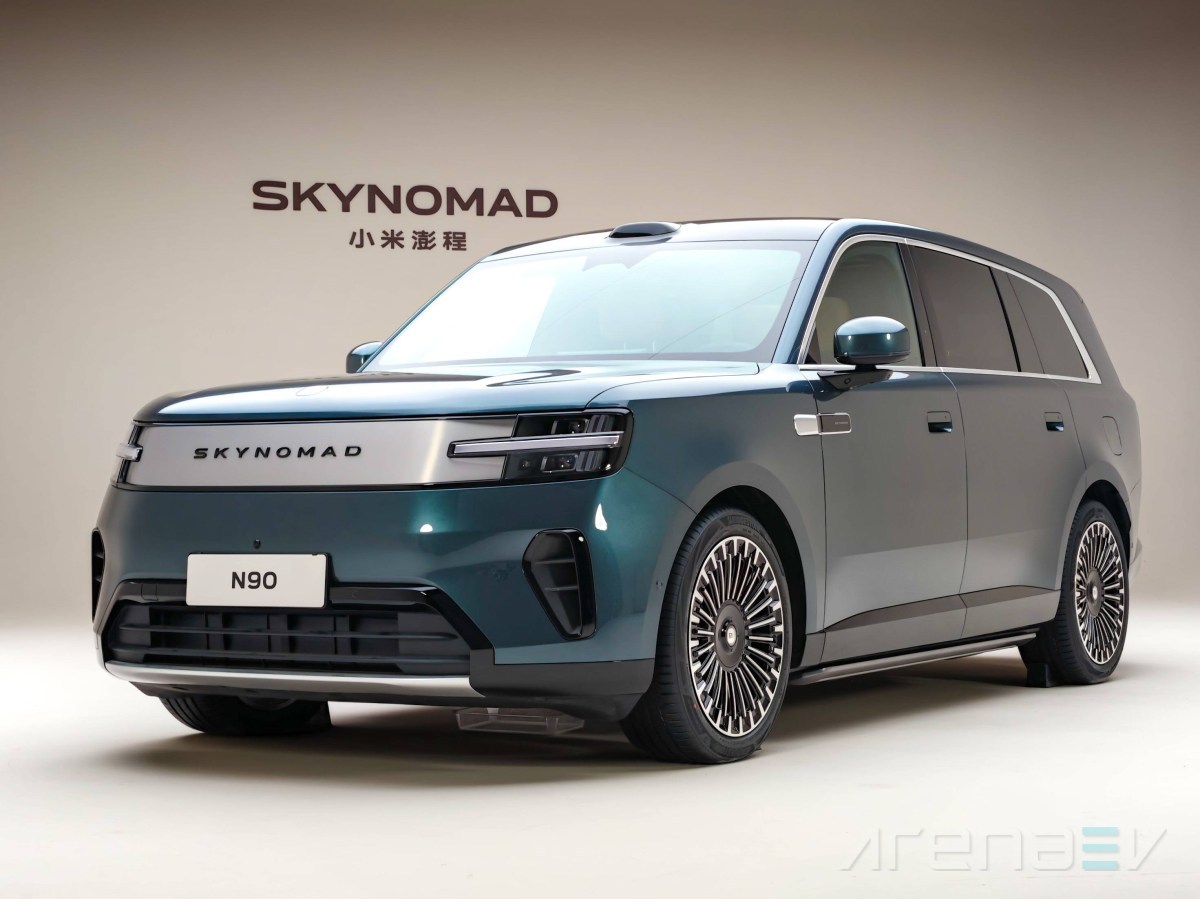
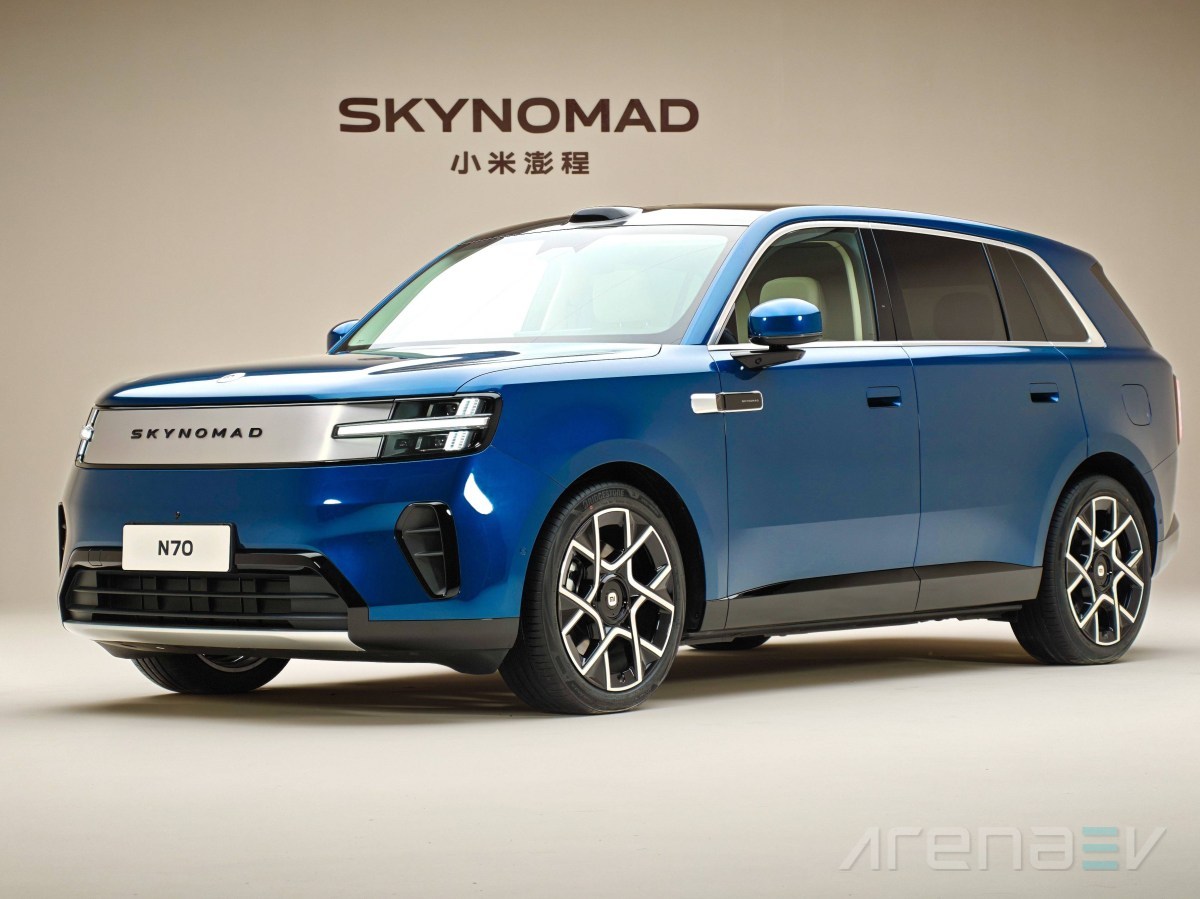
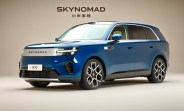
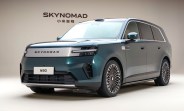
To make that leap, Xiaomi is embracing the combustion engine as a generator with the new Kunlun Technical Architecture and the SkyNomad SUV series. By dropping in a 1.5-liter petrol range extender alongside big battery packs, the five-seat SkyNomad N70 Max and the colossal seven-seat N90 Max promise 1,059 miles of combined CLTC range.
We have seen plenty of tech titans stumble to know that hype only buys you a ticket to the starting grid. Becoming a car maker means enduring the bruising, putting up with capital-intensive retooling and ever-shifting product mixes, and then surviving pricing wars. Xiaomi is learning that going fast on track is great fun - keeping your finances balanced is how you win the championship.
Reader comments
- Anonymous
- D6e
plenty of countries have plenty of people that are in poverty. in comparison, the quantity of these countries and people are MORE than the 'plenty of countries' in your example. they can't even provide enough food for themselves an...
- Anonymous
- LXQ
Why should cars be sold in hundreds of millions per year? Please enlighten me! BTW It's not like expensive cars are selling only in USA, EU or China. BTW, Chinese people can be hardly considered as rich, they are just many.

From the team behind
GSMArena.com
Facebook
Twitter
Instagram
RSS
Settings
Log in I forgot my password Sign up