Case against Tesla over broken FSD promises in Europe gets serious
Tesla is facing a serious legal challenge in Europe regarding its automated driving claims. A collective action in the Netherlands is focusing on older Tesla models equipped with Hardware 3, and alleges that Tesla made promises about its autonomous software that the vehicles simply cannot fulfill. Owners of the affected EVs argue that the company sold them technology under false pretenses.
The legal initiative started in April 2026 with 3,000 participants in its first week. The number of verified participants has now grown to over 7,100 electric vehicle owners. A prominent Dutch law firm, Kennedy Van der Laan, is backing the case. The organizer of the campaign, a Dutch Tesla owner Mischa Sigtermans, is moving the case into a formal foundation, which will legally represent the owners under Dutch collective action laws. Tesla should be worried because those laws have historically proven effective against large international corporations.
The legal action is on behalf of two specific groups of Tesla owners. First, organizers argue that every pre-Hardware 4 vehicle lost value because Tesla promised the built-in equipment could handle complete autonomy. This part of the claim covers all Hardware 3 owners, whether they bought the extra software or not. Second, owners who paid extra for the Full Self-Driving package want their money back. In the Netherlands, this package did cost buyers up to €6,400 at the time. An online calculator now lets owners link their vehicle registration data from the Dutch road authority, known as the RDW, to estimate their potential payout.
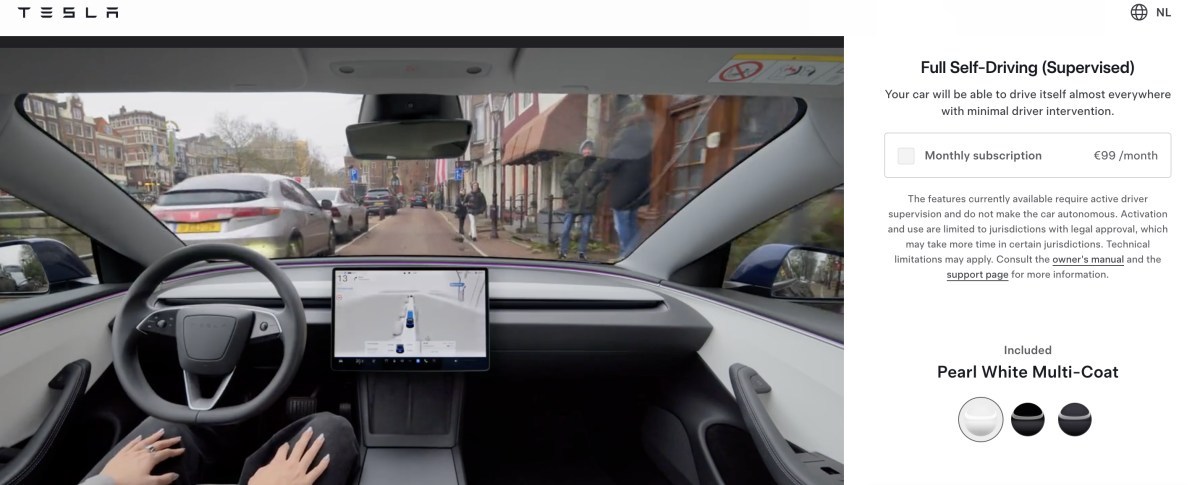
Government documents made public through freedom of information requests present a serious problem for the American carmaker. The RDW records show that Tesla never actually submitted its Hardware 3 system for regulatory testing or approval. This directly contradicts information that Tesla previously shared with its customers. The company had left owners with the impression that European regulators rejected the older system and that Tesla was appealing the decision. The public records prove that Tesla never even attempted the approval process for the older equipment.
Instead, official records show a different timeline. Tesla applied for European type approval on November 5, 2024. The company specifically limited the testing scope and setup to the newer Hardware 4. The RDW eventually granted approval for the supervised version of the autonomous software on April 10, 2026, but exclusively for vehicles with the newer H4. On May 13, 2026, the RDW confirmed in writing that it had no record of any application, rejection, or appeal involving the older Hardware 3 system.
Technical limitations also support the legal case. During an earnings call in the first quarter of 2026, Tesla executives admitted that Hardware 3 cannot achieve unsupervised autonomous driving. Elon Musk himself confirmed that the system suffers from a lack of memory bandwidth. This hardware limitation existed the day the electric cars left the factory.
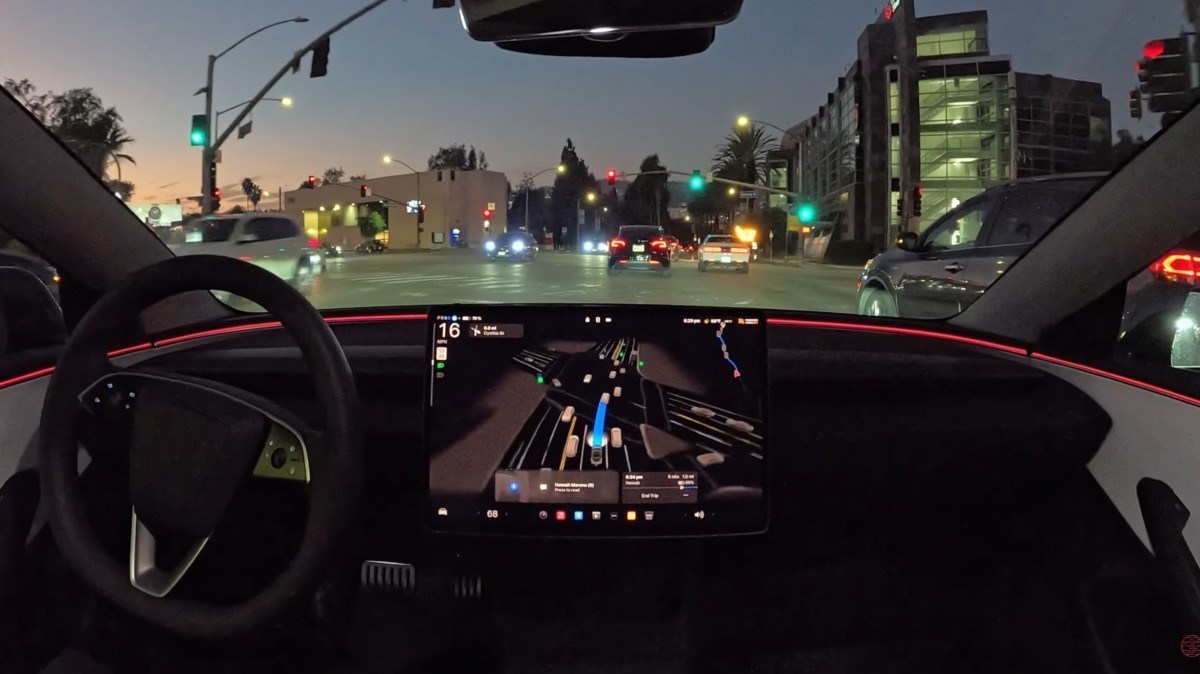
Real-world software updates highlight the hardware divide. Tesla launched its supervised autonomous software in Belgium, Denmark, Estonia, and Lithuania. In every country, the software only operates on vehicles equipped with Hardware 4. Older electric cars do not get the feature. The rollout confirms that the software needs the newer processing components, despite Tesla assuring buyers for years that their older EVs already had all the necessary equipment.
The automaker is also under a lot of pressure for its safety claims. On June 15, 2026, news reports revealed that Tesla may have provided inaccurate safety data to European authorities, including the RDW. Independent traffic safety researchers reviewed the numbers and concluded that Tesla exaggerated the safety performance of its software. Ten out of eleven experts stated that the marketing materials over-reported the system's safety by roughly three times its actual capability.
The legal action in the Netherlands will cost participants nothing out of pocket upfront. A specialized litigation funding company is negotiating to cover the legal costs. In exchange, the funder will receive a set percentage of the money if the court rules against Tesla. Because European consumer protection laws are generally stricter than regulations in the United States, automotive experts believe this case could force Tesla to address similar complaints from millions of EV owners worldwide who bought cars under the same promises.
Reader comments
- Anonymous
- Tpc
You can take 99.9% of any billionaire wealth and they won't notice the difference. Unless they actively search for it. Tax wealth, and nothing else ;D

From the team behind
GSMArena.com
Facebook
Twitter
Instagram
RSS
Settings
Log in I forgot my password Sign up