China accuses the US of violating trade rules in electric car battery battle
In the latest exchange on the global stage, China accused President Joe Biden's administration of breaching international trade rules by attempting to exclude Chinese batteries from the American electric vehicle supply chain.
China's allegations stem from the Biden administration's efforts to reduce the presence of Chinese materials in batteries eligible for tax credits under the Inflation Reduction Act (IRA). According to Automotive News, China contends that these measures "violate the WTO's basic principles" and could disrupt global supply chains. However, skeptics point out that similar arguments were raised by Japan and other nations in the past, only to see restrictions move forward despite the objections.
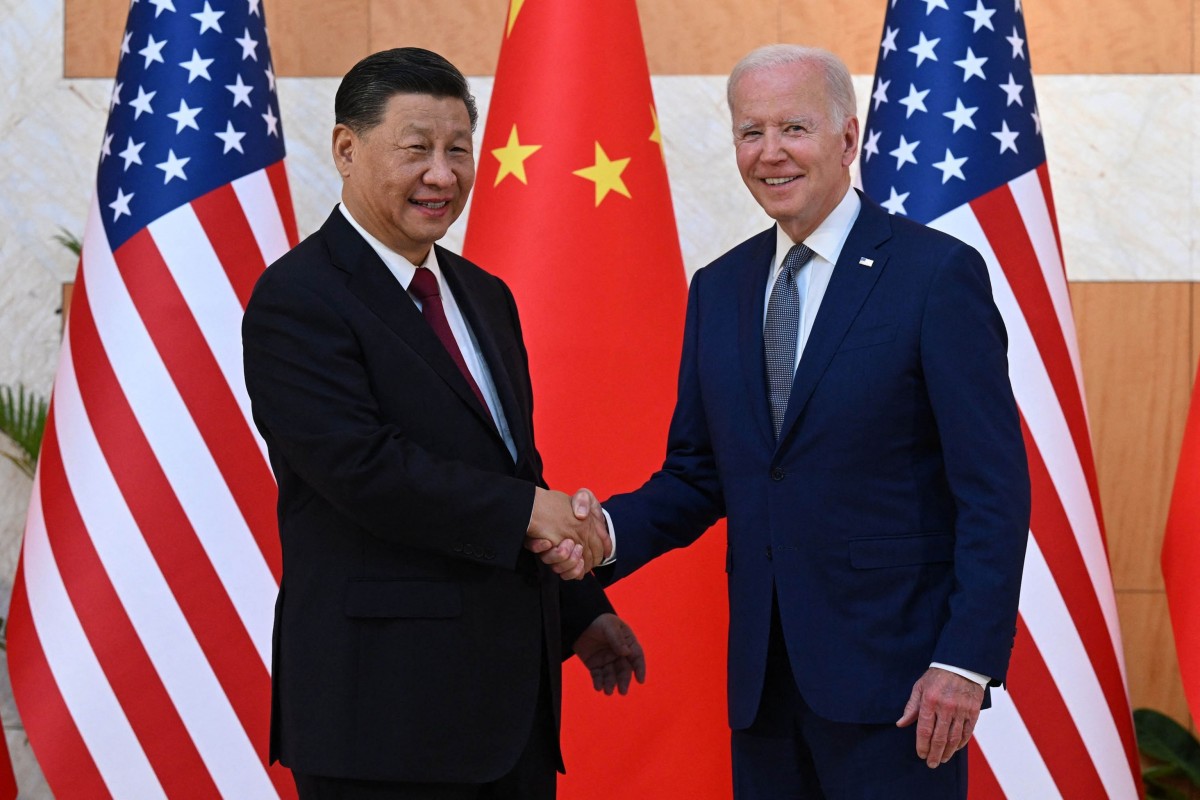 It was all smiles - now back to business as usual
President Biden's administration is imposing restrictions on Chinese involvement in the American EV supply chain. They intend to also penalize on investors found to have connections to China or other nations considered "foreign entities of concern," including Russia, North Korea, and Iran. Lawmakers have already passed laws that exclude such investors from accessing tax credits for batteries and critical minerals used in EV production, as well as subsidies for EV sales.
China strongly opposes these measures, viewing them as discriminatory and non-market-oriented. He Yadong, a spokesperson for China's commerce ministry, criticized the United States for creating "glass barriers" that harm the development of EV technologies and disrupt international trade and investment. China's position is that targeting Chinese enterprises by excluding their products from subsidies is not in line with the principles of the World Trade Organization (WTO).
These new restrictions are already impacting the American automotive industry, as Ford's Mustang Mach-E is unlikely to comply with the sourcing regulations set to take effect on January 1. Tesla already confirmed its Model 3 will lose out as well. This could be a significant setback for automakers and underscores the potential consequences of these evolving trade dynamics.
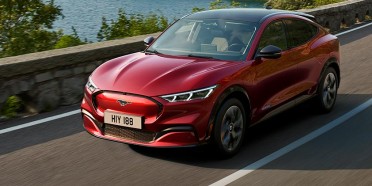
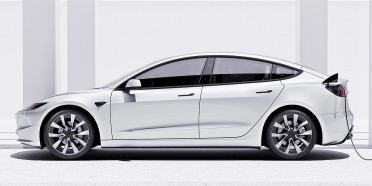
Mustang Mach-E and Model 3 are first to lose out on lower tax credit
While concerns over China's dominance in the global battery supply chain are valid, some experts question whether the measures proposed by the European Union and the United States are sufficient to mitigate these risks. Dan Marks, a research analyst for energy security at Royal United Services, believes that the current steps may not match the scale of the threat. Both sides are apprehensive about a potential influx of Chinese EVs, and Marks fears that without a strategic approach, industries in Europe and the United States may struggle to compete.
As tensions rise between China and the United States over the future of electric vehicles, the World Trade Organization's response remains uncertain. This clash between economic giants could have far-reaching consequences for the global automotive industry and the trade rules that govern it.




From the team behind
GSMArena.com
Facebook
Twitter
Instagram
RSS
Settings
Log in I forgot my password Sign up