General Motors hands its $3.5 billion battery dream to Samsung
Detroit has been making cars long enough to learn that nothing tests a carmaker's resolve quite like a sudden shift in consumer trends. A couple of years ago, you couldn't pass an automotive press conference without hearing corporate executives preach the gospel of total electrification, backing up their sermon with eye-watering checks for mega-factories.
The grand plan in New Carlisle, Indiana, was supposed to be a cornerstone of that brave new world - a $3.5 billion joint venture between General Motors and Samsung SDI sprawling across a 680-acre site. It promised thousands of jobs and enough battery capacity to power hundreds of thousands of heavy-duty electric haulers.
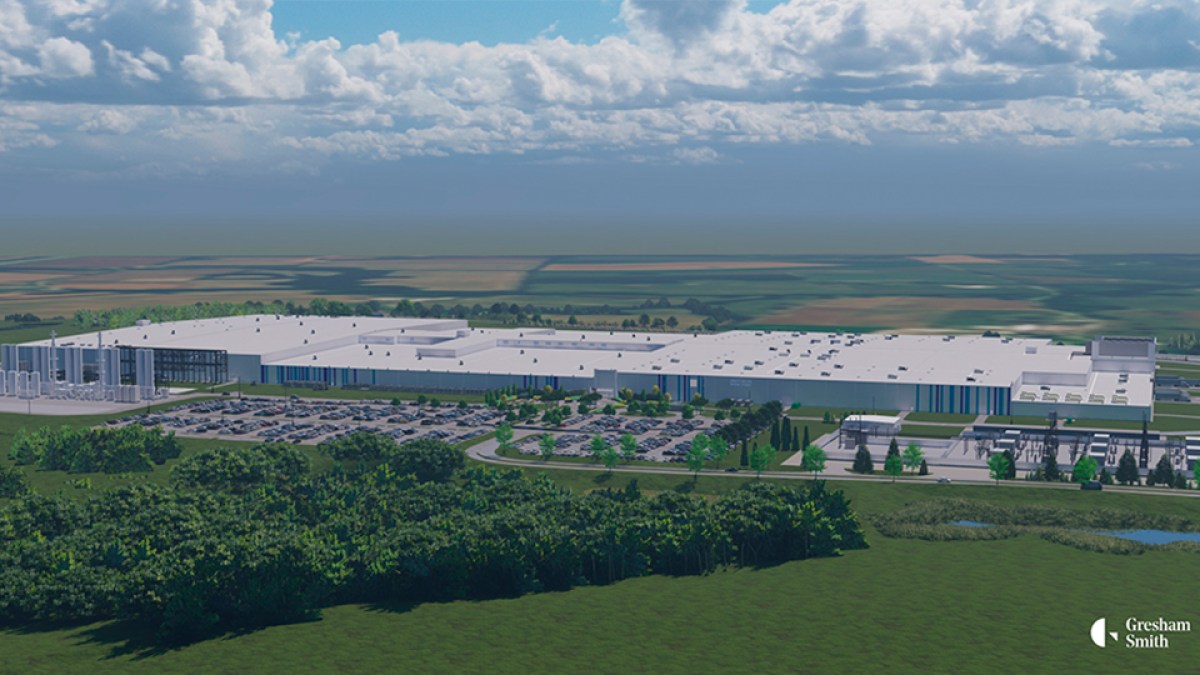
Then reality hit. In a handbrake turn, Samsung SDI is buying GM's 49.99% stake in their Synergy Cells venture, converting the massive Indiana complex into a wholly owned subsidiary. The purchase price is locked in a vault, and the headline is painful: GM is officially stepping out of the battery business in Indiana.
Instead of co-owning the brick-and-mortar, Detroit's largest automaker is retreating to a simpler supply and co-development agreement for next-generation prismatic cells. This exit is the aftermath of a massive demand hangover that ripped through the North American EV market when Washington pulled the plug on the $7,500 federal EV tax credit on September 30, 2025.
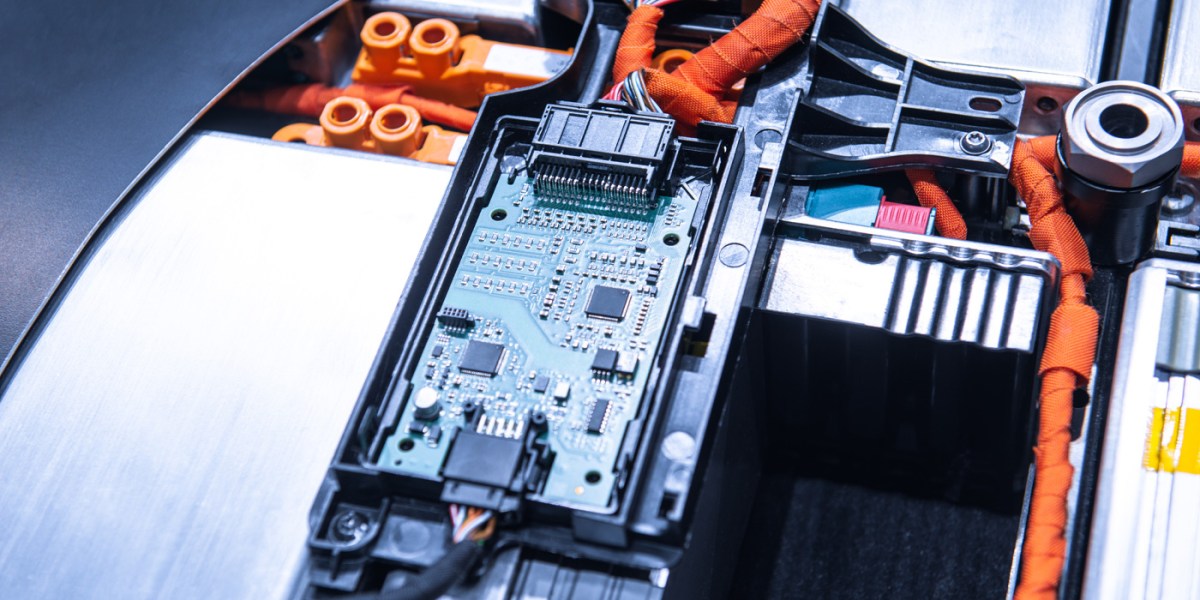
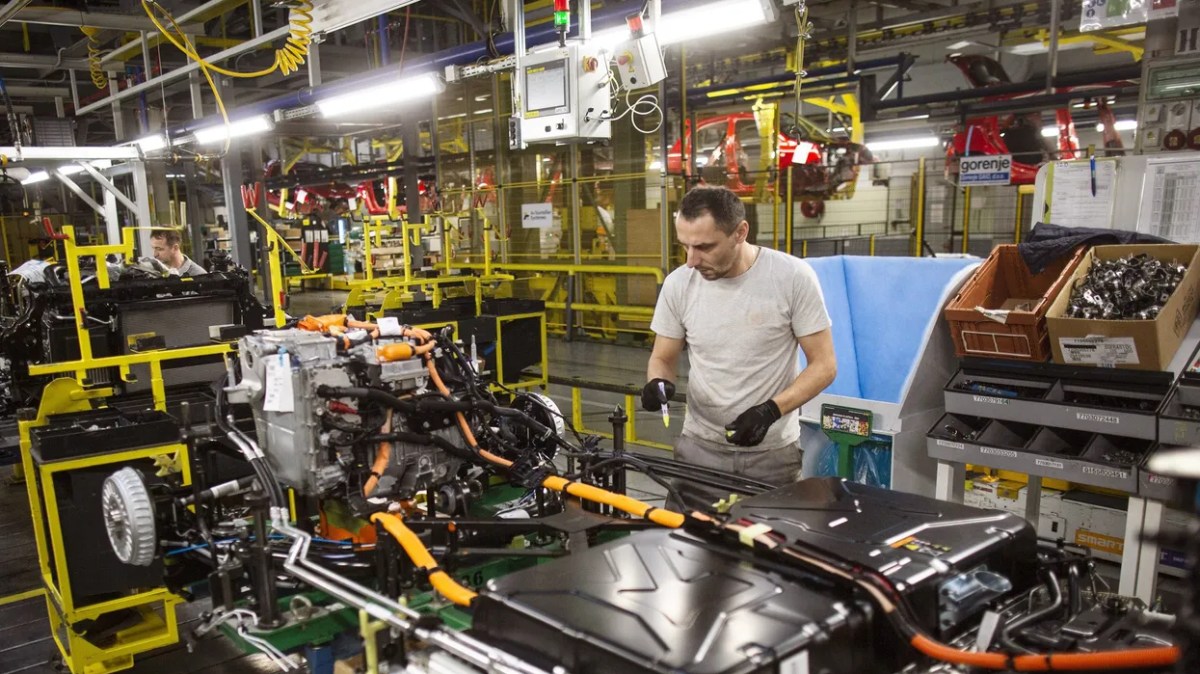
Without that government cushion softening the blow on window stickers, retail buyers slammed on the brakes. GM felt the burn pretty much straight away, taking an agonizing write-down of over $6 billion as it throttled back EV assembly lines and idled facilities within its Ultium Cells partnership with LG Energy Solution - eventually selling its stake in a third Ultium plant for $2.14 billion.
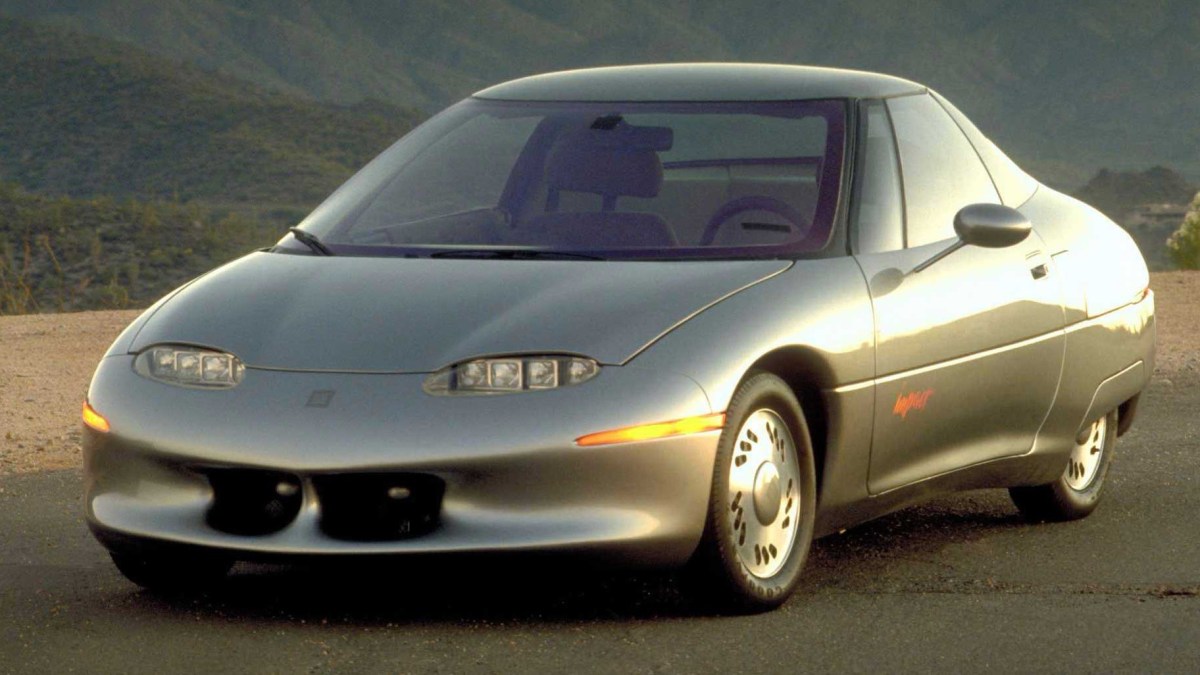
To anyone familiar with GM's playbook, this sudden decision isn't really surprising. General Motors has a rich history of pulling off sharp retreats whenever the market gets choppy - the legendary EV1 that was crushed in the desert after all the enthusiasm is a great example. Or the Chevrolet Volt, a genuinely decent plug-in hybrid that was abandoned just as the market started asking for PHEVs.
The Bolt EV wasn't spared from a chaotic cycle of cancellations and rewrites either. GM is notorious for bowing to political winds, flying forward when subsidies offer tailwinds, only to hit the brakes the very moment those incentives vanish into thin air.
The main issue is that building batteries for GM's electric cars needs an astronomical amount of raw capacity - capacity that only makes financial sense if showrooms are emptying at breakneck speed. Consider the Chevrolet Silverado EV - that beast is 232.9 inches long and crushes the scales at over 8,378 lb. Park it next to a rival like the Ford F-150 Lightning - which spans 232.7 inches long, or the sleeker Rivian R1T, stretching 217.1 inches end-to-end, and you realize that feeding these multi-ton road locomotives takes enormous battery packs. And that makes any dip in vehicle demand a catastrophe for a half-owned cell plant.
It is a similar story over in the luxury aisle. The Cadillac Lyriq commands respect with its portly curb weight of 6,116 lb. That gives it a larger footprint than European class rivals like the Audi Q8 e-tron, which weighs 5,699 lb. GM built machines with genuine road presence and serious battery requirements, but when buyers hesitate to sign on the line for luxury EVs or heavy-duty electric haulers, co-funding a 27 GWh to 36 GWh battery factory becomes a very expensive hobby.
Where does that leave Samsung SDI? Rather than panicking over GM's retreat, the South Korean battery giant is executing a clever pivot of its own. Taking full control of the Indiana plant gives Samsung SDI the freedom to add a dedicated Energy Storage System (ESS) production line. The North American passenger EV market goes through a sluggish recalibration, but the demand for stationary grid storage and power-hungry AI data centers is off the charts. Samsung is repurposing the production lines to feed gigawatts to energy-starved server farms instead of full-size pickup trucks - a pragmatic shift that keeps the lights on.
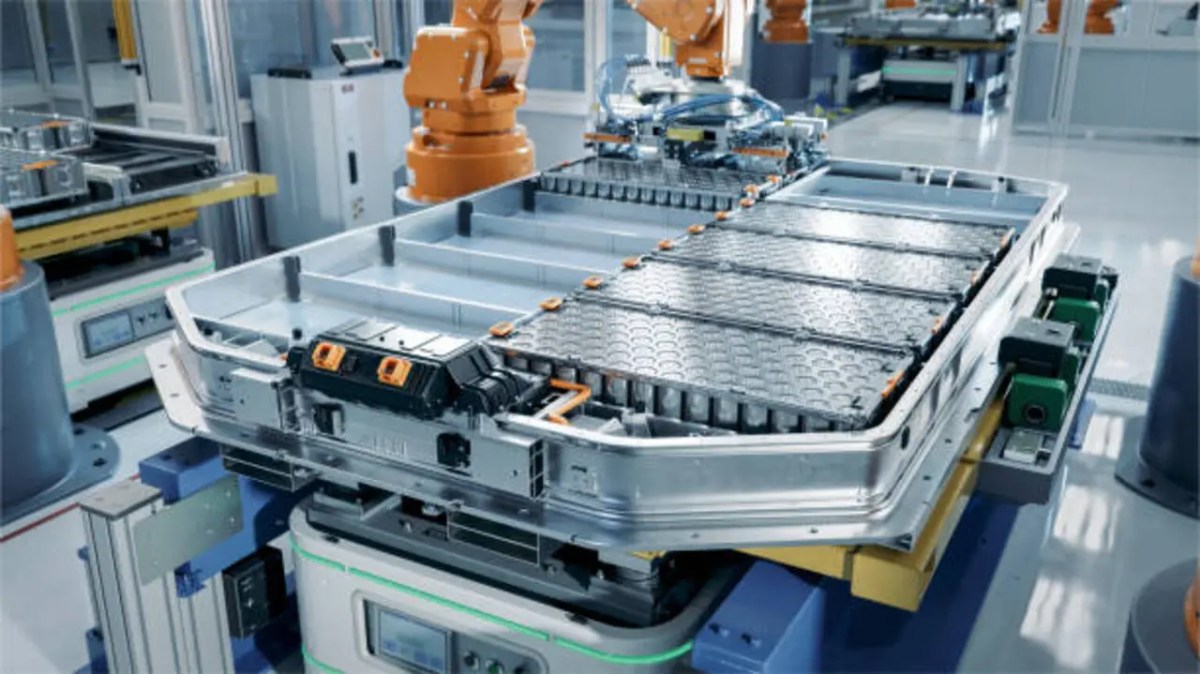
Under the new deal, Samsung SDI and GM will still work together on developing next-generation nickel-rich prismatic cells under Samsung's PRiMX brand, promising high energy density and great charging performance. But from GM's perspective, this arrangement shifts the risk onto supplier shoulders. GM gets access to high-tech cells down the road without carrying billions in real estate and factory debt on its balance sheet.
Detroit recalibrating its electric transition is a masterclass in automotive survival. We all love the idea of tire-shredding EVs with silly power numbers, but the truth is that mass adoption is dictated by consumer wallets, not corporate promises. GM's exit from Indiana is not a total surrender on electric cars - at least not yet - but it is a sobering dose of reality.



From the team behind
GSMArena.com
Facebook
Twitter
Instagram
RSS
Settings
Log in I forgot my password Sign up