The Trump Administration reveals plans to overhaul America's fuel economy rules
The Trump administration has announced a sweeping new proposal to reset the nation's Corporate Average Fuel Economy (CAFE) standards. The White House argues that the previous rules were too expensive and impossible to meet with today's gasoline and diesel technology, conveniently ignoring the proven benefits of electric cars.
The Department of Transportation calls the new package the "Freedom Means Affordable Cars proposal," setting the stage for a dramatic shift away from policies that heavily incentivized EVs. The White House characterized the previous administration's goals as "unrealistic fuel economy targets" that amounted to an "electric vehicle mandate" - a move they claim American consumers neither asked for nor could easily afford.
The biggest structural change involves how the government defines an efficient car. Under this new plan, fuel economy standards would be developed without consideration of electric vehicles or the credits they previously generated. Since electric cars produce zero tailpipe emissions, they made the overall fleet average look much better for automakers. By removing EV sales from the calculation, the rules become much tougher for companies to meet, despite the lower overall targets.
President Donald J. Trump is delivering massive wins for American families and automakers by driving down the cost of cars. 🇺🇸
— The White House (@WhiteHouse) December 4, 2025
Another HUGE step in crushing Biden’s hidden cost-of-living increases. pic.twitter.com/WeaCtrHY51
Compounding this, the administration plans to eliminate the CAFE credit trading system starting in the 2028 model year. This system allowed companies that sold many efficient cars (or EVs, like Tesla) to sell credits to companies that struggled to meet the rules - a vital revenue stream for those focused on electrification.
The new proposal also changes how vehicles are categorized, providing immediate relief to manufacturers. Crossovers and small SUVs - some of the country's most popular vehicles - will be reclassified as passenger automobiles instead of light trucks. In simple terms, this change makes it easier for automakers to hit their required averages because the light truck category typically has lower standards.
The Trump administration's plan also slows the rate at which efficiency must improve. Instead of steep increases, passenger vehicles would see modest annual gains: a 0.5% increase from model years 2023 through 2026, dropping to 0.35% for 2027, and then a quarter-percent (0.25%) increase for the final years of the program, 2029 through 2031. Light trucks would follow a similar, gradually easing ramp-up.
Freedom Means Affordable Cars!
— U.S. Department of Transportation (@USDOT) December 3, 2025
Under @POTUS, @NHTSAgov is resetting fuel economy standards to help save American families more than $1,000 on new vehicles.
This administration is letting Americans take the wheel 🚘 ♥️ pic.twitter.com/R6JAvyvgQt
These incremental changes mean the new fleet average fuel economy standards will reach 34.5 mpg by the 2031 model year. For drivers using metric measurements, that goal translates to roughly 6.82 liters per 100 kilometers. This is a big reduction from the more aggressive standards pushed by the previous government, which the White House deemed "costly and unlawful."
The administration's central argument is economic: that the old, strict regulations would have hiked the average new car price by nearly $1,000. By contrast, the reset is projected to save Americans a massive $109 billion in total over the next five years, and promises consumers they will be able to purchase newer vehicles without facing significant cost-of-living increases.
The economic focus ties directly into claimed safety benefits. The Trump administration suggests that by making newer vehicles more affordable, more Americans will be able to trade in their older models sooner. The government projects that this policy is set to save more than 1,500 lives and prevent nearly a quarter-million serious injuries through 2050. It's an interesting statistical gamble, tying deregulation directly to public safety.
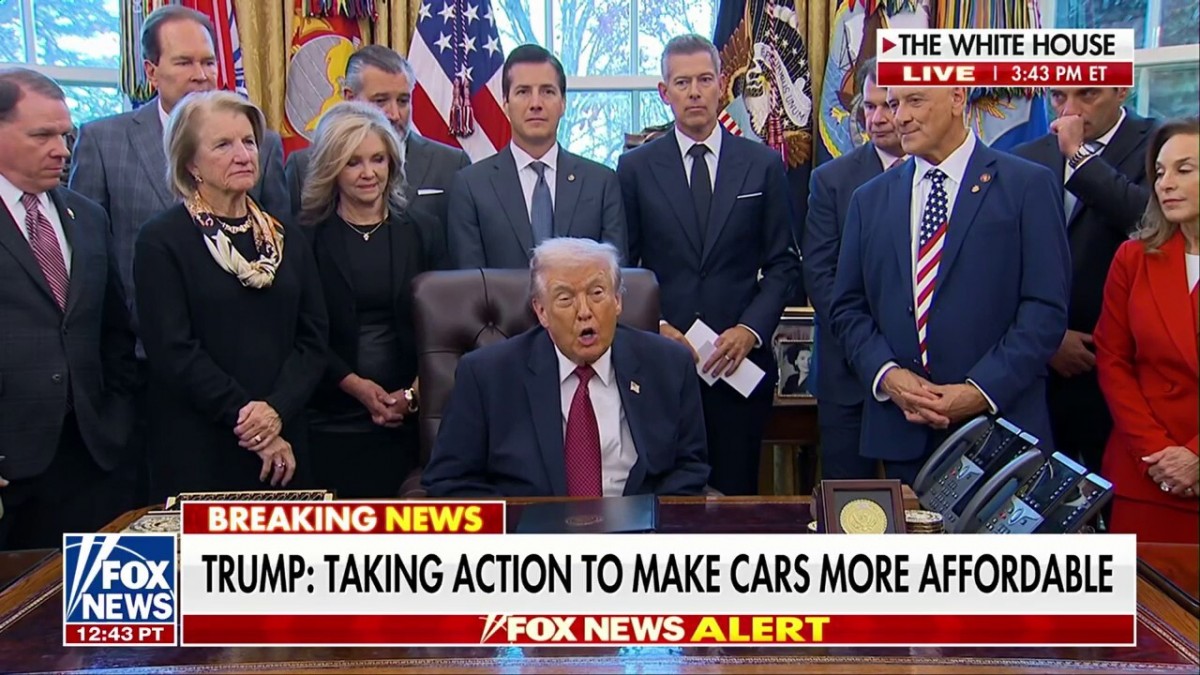
The new policy aligns with a fresh trend in the American market: the transition to electric cars is proving far more gradual than many environmental proponents hoped. The administration argues its plan reflects the current reality that consumers are simply not ready for a mass shift to EVs, preferring to maintain choice and affordability in the market.
For now, the proposal is just a plan, not a rule. Once the Department of Transportation publishes the complete details in the Federal Register, it will kick off an important 45-day public comment period. The proposal is already proving divisive, pitting arguments about consumer choice and affordability against the long-term goal of reducing fuel consumption and emissions.
From the perspective of an electric vehicle supporter, this policy reset is not only backward but also threatens America's place in the global auto industry. While the Trump administration claims it is easing burdens for consumers, critics argue that weakening the fuel economy standards will simply encourage automakers to keep producing heavy, high-profit, gas-guzzling SUVs and trucks for the domestic market.

This new strategy ignores the rapid global shift occurring in China and Europe, where governments and consumers demand ever-tighter emissions and efficiency rules. By lowering the bar, U.S. manufacturers will lose the incentive to develop cutting-edge EV technology and will instead focus on old-school internal combustion engines. This decision effectively isolates the American automotive sector, putting it far behind global competitors.
The argument that lower-priced gas cars will save lives because people can buy newer models is challenged by the long-term impact on air quality and public health. Every time a manufacturer sells a less-efficient vehicle, it locks in a lifetime of higher emissions. This rollback means vehicles will collectively burn far more gasoline over their working life than they would have under the previous, stricter rules.
More burning of fuel means higher emissions of planet-warming greenhouse gases and smog-producing pollutants. The new policy is designed to slow the adoption of electric cars and eliminate the financial benefits for companies like Tesla, and increase the nation's reliance on oil. The result is a short-term price break for a few thousand dollars on a new car, traded for billions of dollars in higher fuel costs and public health burdens over the next few decades.


Reader comments
- Anonymous
- xIA
Lol Ev is older then gasoline, go to school US had ev stations in the early 1900s, and until gasoline cars came it was then norm. Once gasoline cars came and people saw you could drive 200-300miles on one tank it was the end for EVs Well at lea...
- Anonymous
- pqq
How does freedom relate to this? It is as overused as revolutionary from Apple. Anyway, that picture tells everything with one man sitting in the middle with a bunch of "supporting" in the background.
- Anonymous
- kmq
Will Leiters, Zipse, or Kallenius be first mover to ramp volume on performance?

From the team behind
GSMArena.com
Facebook
Twitter
Instagram
RSS
Settings
Log in I forgot my password Sign up