Leapmotor's latest innovation promises to kill the old lead-acid 12V battery
As you are sitting inside an EV that packs enough energy to power a suburban semi-detached house for three days straight, run by silicon microchips executing billions of calculations per second, there’s one major problem with it. When you stumble out to the driveway on a freezing morning, the entire rolling supercomputer is stone-cold dead. Why? Because a primitive, 33 lb box of lead plates swimming in sulfuric acid - a piece of technology whose basic chemistry predates the invention of the telephone - ran out of puff.
For good fifteen years, automakers have been ignoring this dirty little (but heavy) secret. We celebrate clean mobility, we talk about zero tailpipe emissions and instant torque. And then we bolt a Victorian-era 12V lead-acid battery under the hood to keep the locks and lights working.
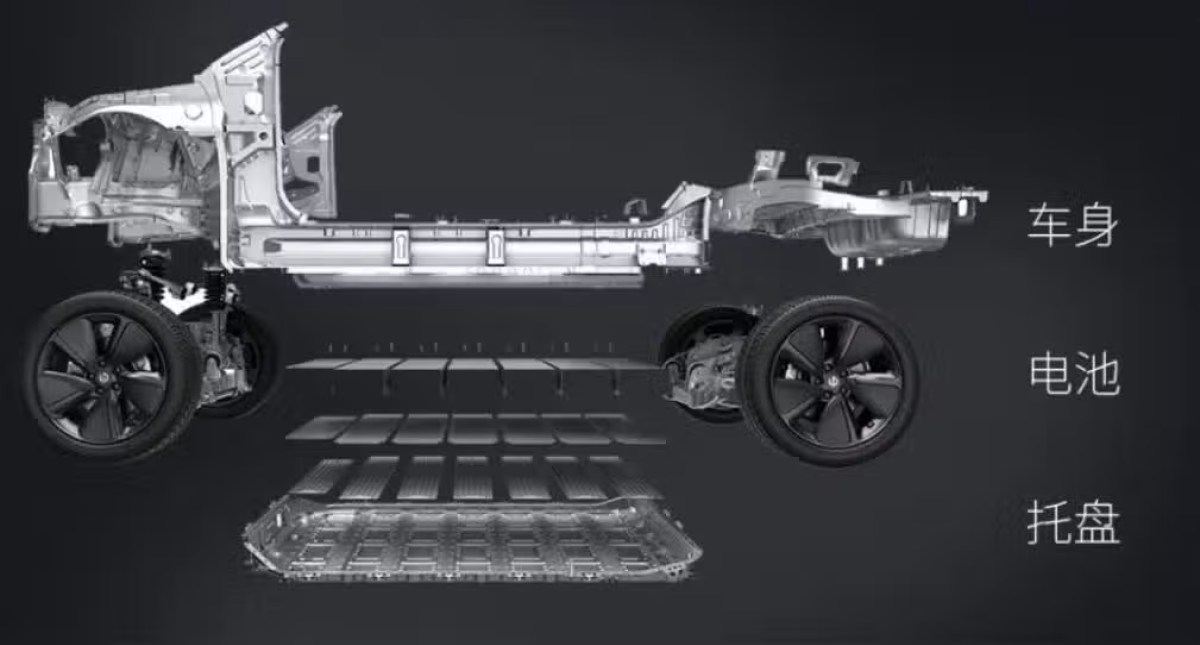
When Leapmotor took to the stage at its battery facility in Huzhou to pull back the curtain on its 2026 Tech Day, they showed off plenty of sleek design renderings and ambitious promises. But under all that marketing fanfare of the LEAP 5.0 New Mobile Space Architecture was the real stroke of engineering genius: a system that finally puts a bullet in the auxiliary 12V battery.
To understand why this is a monumental headache to solve, you have to look at how an automobile is actually wired. High-voltage traction batteries are brilliant at hurling two tonnes of metal down the road, but they are lethal to delicate microprocessors, windscreen wiper motors, seat heaters, electric door poppers, and airbag detonators. Virtually every sensor, ECU, and infotainment screen in the global supply chain expects a steady trickle of 12V direct current - or 24V if you happen to be piloting a commercial lorry, or 48V if you are wrestling a Tesla Cybertruck. The entire global parts business is hardcoded to this standard.
Worse still, your high-voltage pack relies on mechanical safety contactors that physically disconnect the big battery whenever the car is parked, crashed, or powered down. To close those contactors and bring the powertrain to life, you need an independent, low-voltage power source to throw the switch. For a very long time, the answer was simply to throw in a cheap lead-acid battery and let an onboard DC-to-DC converter keep it topped up while driving. When that auxiliary battery eventually sulfated, degraded, or froze, the contactors refused to close, and your $59,000 technological triumph was transformed into a driveway ornament.
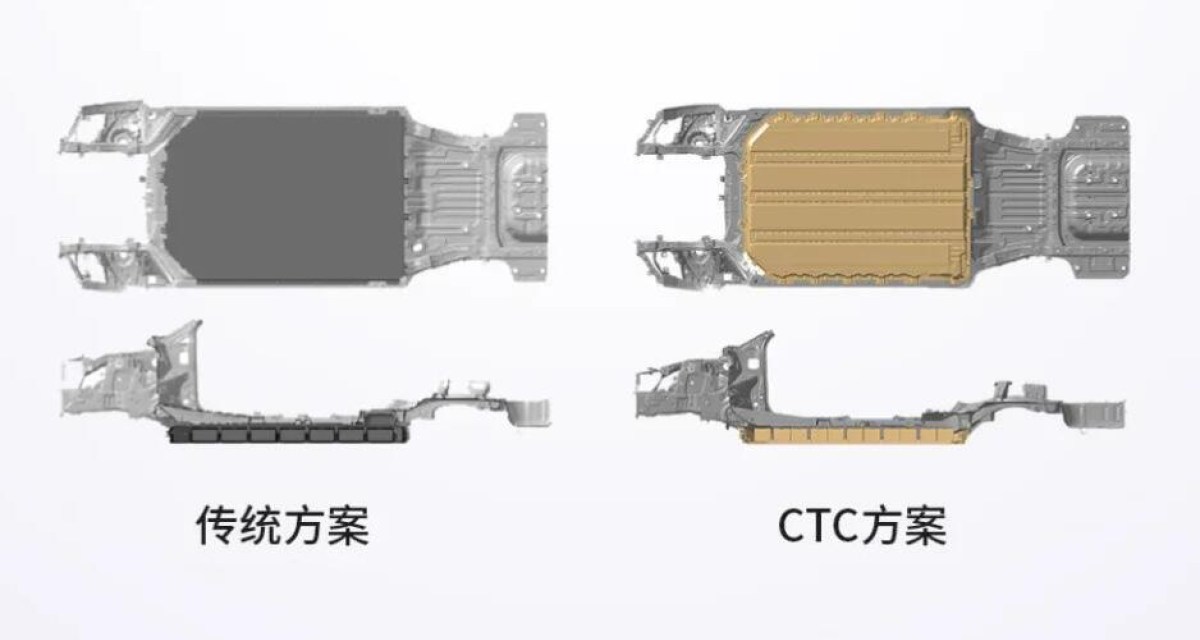
Leapmotor says it has an answer to that - it is called the Cell-to-Chassis 3.0 High-Low Fusion Battery. Instead of slapping a parasitic secondary battery into an empty corner, CTC 3.0 eliminates the physical 12V module entirely. The low-voltage and high-voltage systems now drink from the exact same structural chassis-integrated cells. By giving the internal power management a seven-fold increase in low-voltage delivery and function over the previous hardware generation, the battery pack manages auxiliary draw natively across shared thermal loops, identical cell modules, and integrated energy routing.

It sounds painfully obvious until you realize the scale of the market Leapmotor is defying. Roughly 550 million 12V batteries are sold out every year across the globe, with at least 300 million of them going into passenger cars. There is a multi-billion-dollar global aftermarket ecosystem built on selling you a replacement lump of lead every three to four years. Eliminating that recurring revenue stream - and sparing motorists from roadside assistance callouts caused by flat batteries - is the ruthless efficiency the EV sector has needed. Leapmotor claims the setup is maintenance-free for the entire lifespan of the vehicle. If true, it will be the first time in over 70 years that a production road car leaves the factory without a lead-acid buffer.
That this disruption comes from Leapmotor is fascinating on its own. A decade ago, the Hangzhou-based upstart was a quirky footnote in China’s crowded EV field, known for launching the S01 - a strange, narrow little electric coupe. But as competitors burned through venture capital, Leapmotor focused on hyper-pragmatic, vertically integrated engineering. The budget-friendly T03 city runabout kept the lights on, and the larger C-series family haulers proved the company could build a competent, high-volume product. Stellantis took notice, wrote a cheque for a 20 percent stake and formed the Leapmotor International joint venture to bring these cars to European and global showrooms.
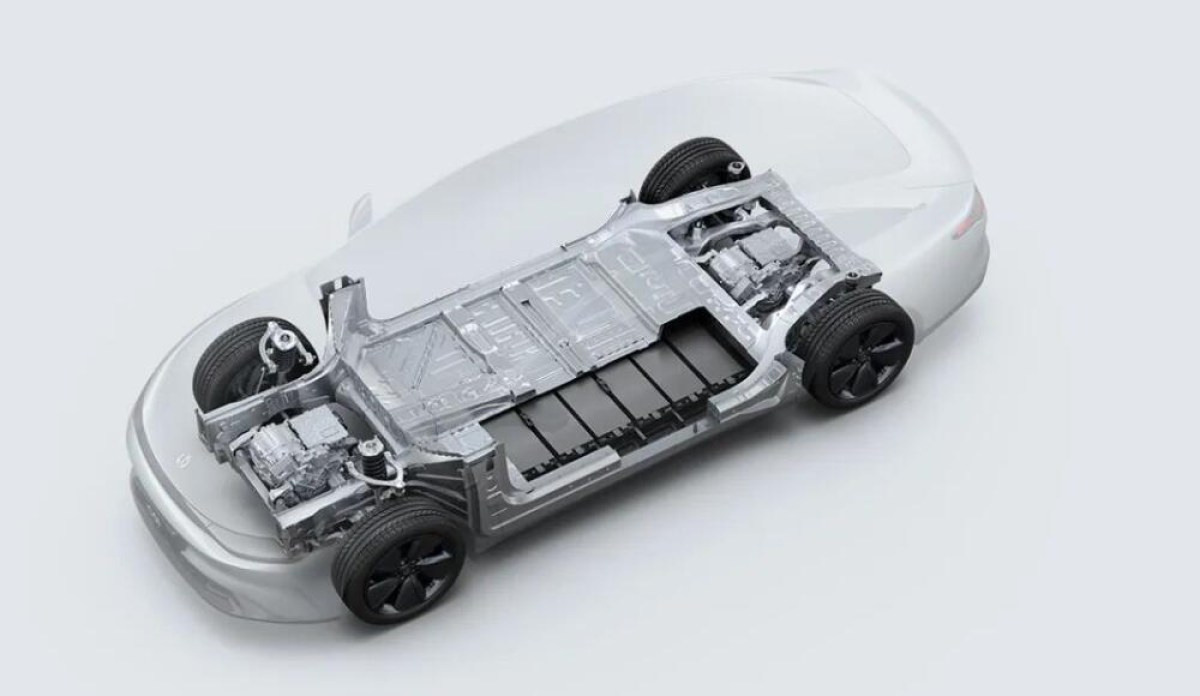
That international ambition is where the second half of Leapmotor’s Huzhou announcement comes into play. Set for production vehicles arriving from 2027 onwards, the LEAP 5.0 New Mobile Space Architecture is a packaging leap. By consolidating the front heating and air conditioning unit with the powertrain, Leapmotor’s engineers managed to slash part counts by 18% and cut internal fluid piping by 30%. That consolidation delivers a 19% gain in usable cabin length. Up front, a redesigned vertical shock absorber arrangement mounted inside condensed aluminum towers frees up 37.5% more legroom, clearing away the bulky mechanical intrusions that used to crowd the pedal box.
With LEAP 5.0, Leapmotor is pushing beyond standard crossover proportions. When you combine an ultra-low, skateboard-style flat floor with a raised roofline, you get a nearly 64% jump in interior vertical clearance compared to conventional floorpans. That means an airy, loft-inspired interior with a layout designed for lounging, with the Level 3 autonomous software navigating the motorway.
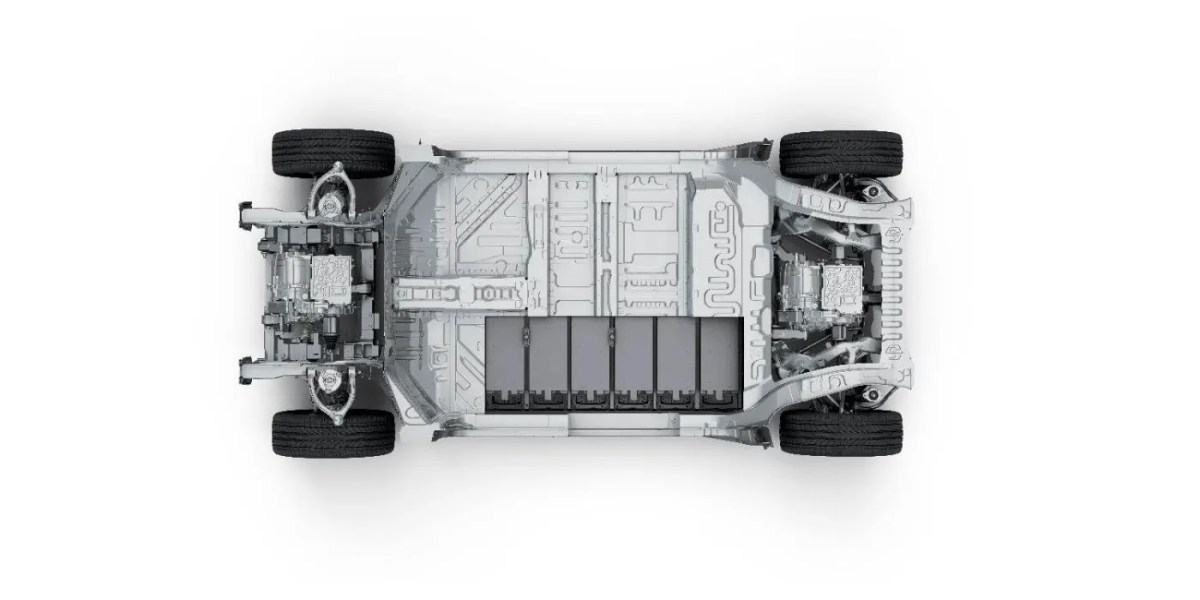
Packaging improvements and skateboard chassis are great news, but the true prize hides under the floor. Car manufacturers used to treat transition-era electric cars like combustion cars that swapped a petrol tank for a battery, holding on to outdated electrical architectures out of industrial habit. Leapmotor is simply eliminating an engineering relic that should have been forgotten the moment lithium took over.





From the team behind
GSMArena.com
Facebook
Twitter
Instagram
RSS
Settings
Log in I forgot my password Sign up