New data reveals how often Tesla's Robotaxis hit trouble
The future of driving, where software handles the heavy lifting, is already a reality. As electric cars move toward full automation, the way vehicle incidents are tracked by the government is changing as well.
Tesla used to primarily report incidents related to its basic driver-assistance software, which is classified as Level 2 technology - meaning a human driver must always be ready to take over. This changed with the launch of the Tesla Robotaxi pilot service in Austin, Texas.
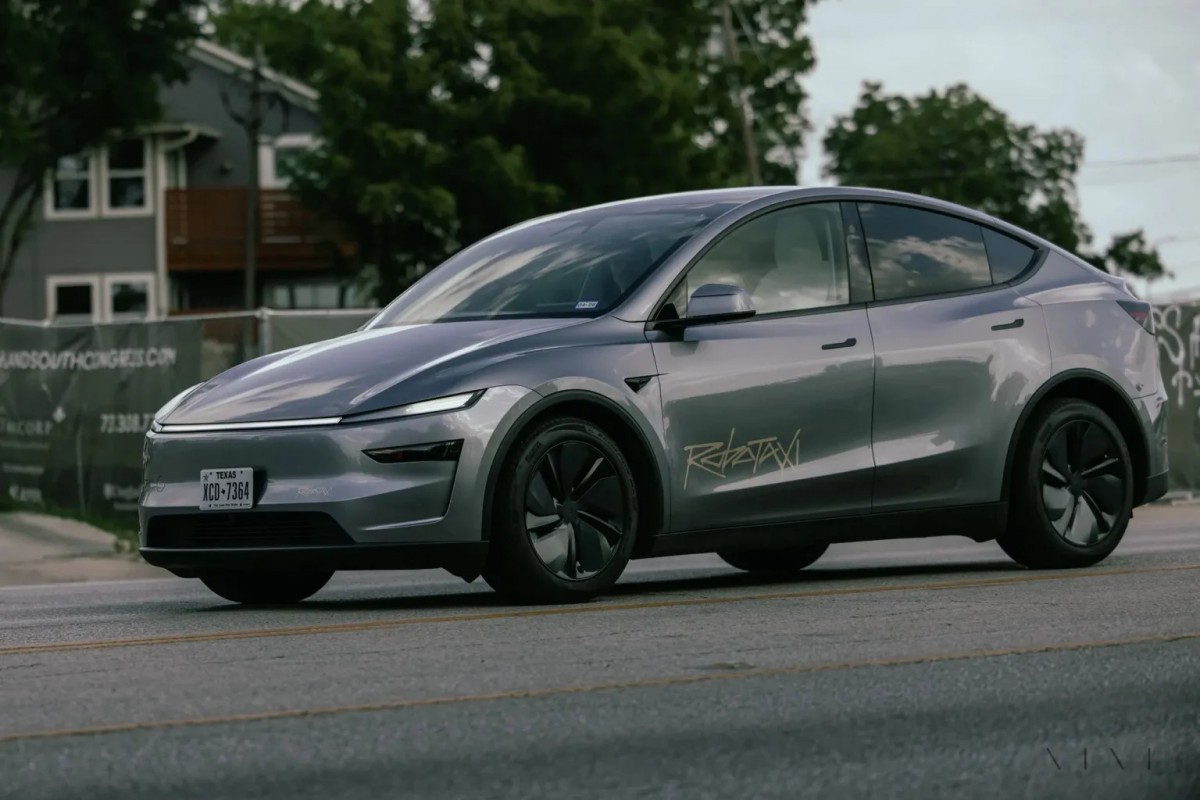
In a big shift for this pilot program, Tesla moved the human supervisor from the driver's seat to the passenger seat. This operational change meant the system now qualified as a higher level of automated driving, requiring new crash reporting under the Agency's Standing General Order.
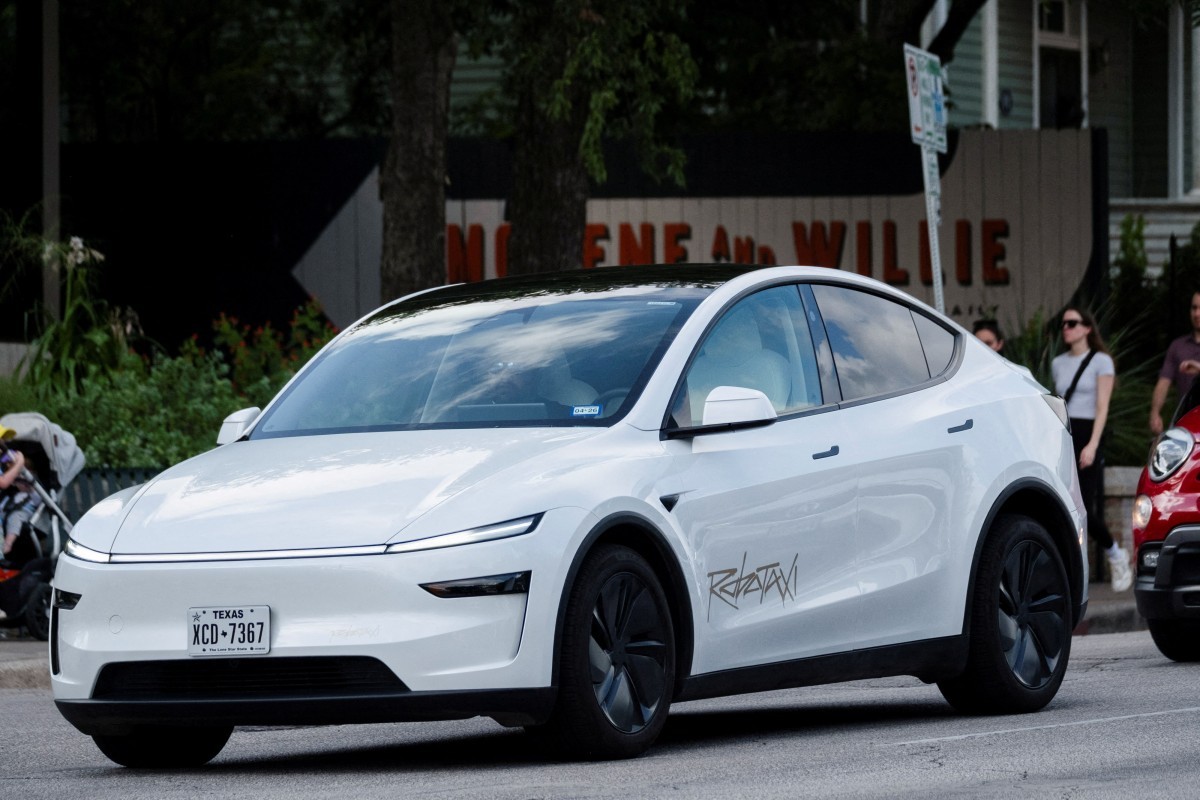
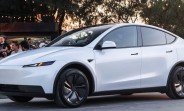
The first data from this Austin program provides an early look at the service's safety record. Since the service began its limited operations in late June, the Tesla Robotaxi fleet has covered a total distance of 250,000 miles. In that time, Tesla has reported four crashes to the NHTSA.
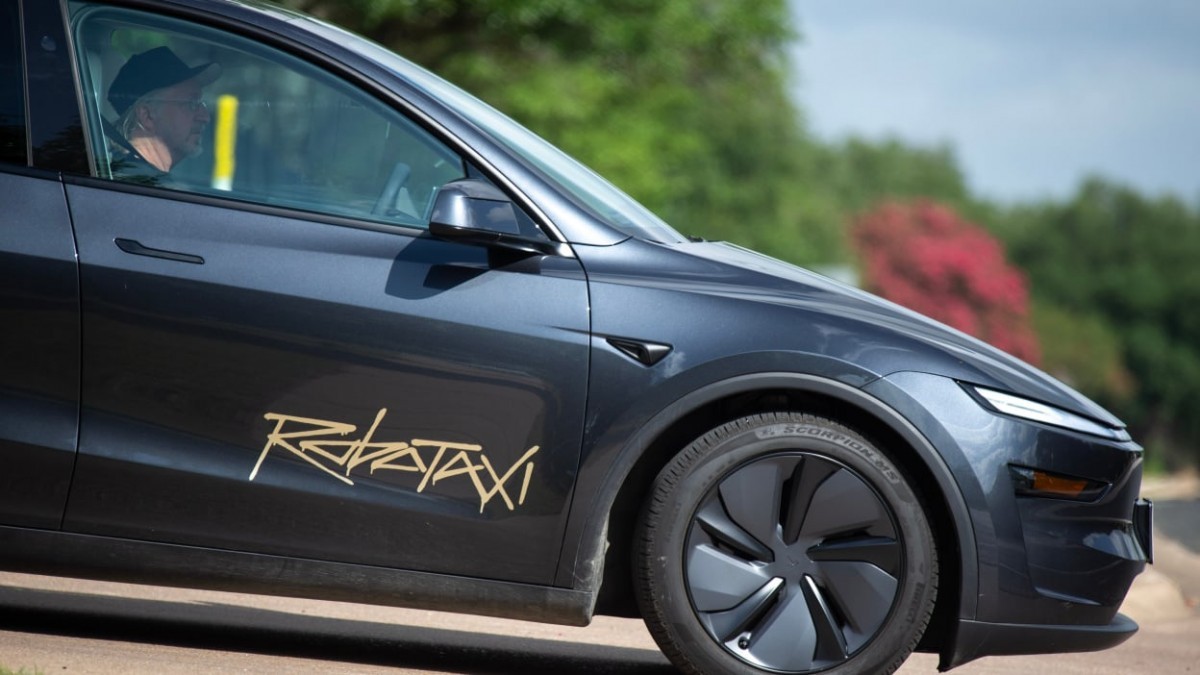
Three incidents occurred in July, the service's first month of operation, and a fourth crash recently surfaced in the agency's updated report for September. This means the self-driving EVs currently crash at a rate of roughly once for every 62,500 miles driven. Importantly, every mile driven came with a human safety monitor on board, sitting ready with a finger on a kill switch to instantly stop the car if necessary.
The most recent crash, reported for September, happened in a parking lot. The Tesla Robotaxi collided with a "fixed object," such as a pillar or barrier, resulting only in property damage. Unfortunately, unlike most competitors, Tesla frequently hides basic information about its crashes, making it harder for the public and safety experts to fully understand the circumstances of these incidents.
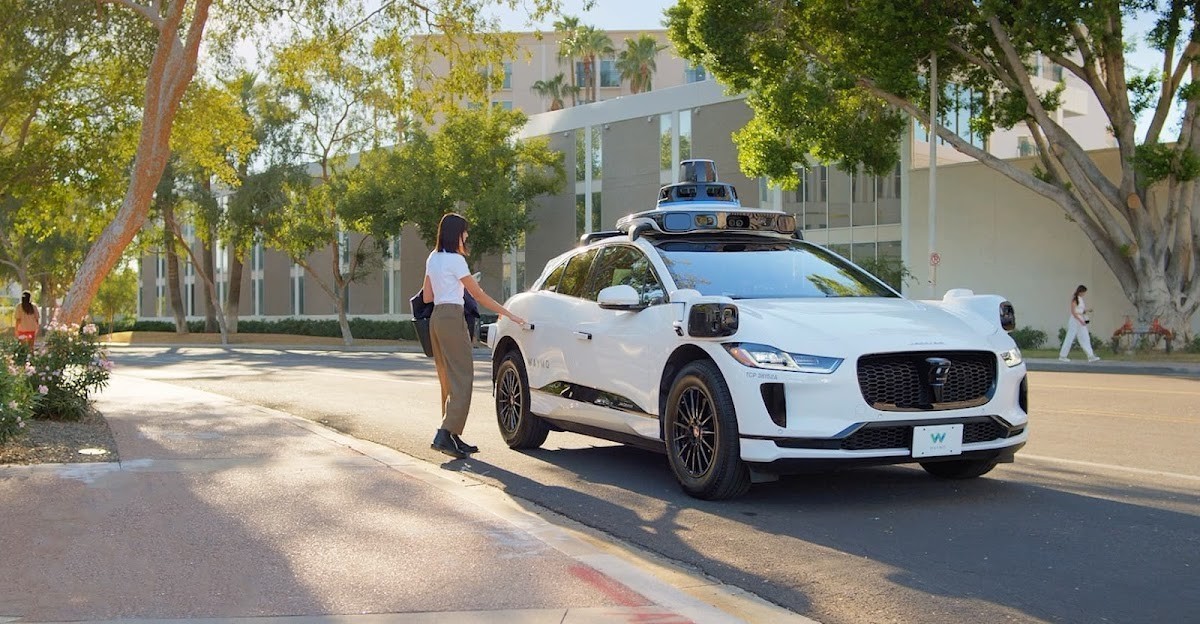
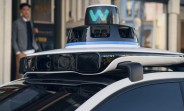
To put the Tesla Robotaxi crash frequency into perspective, it helps to look at a company that has been operating self-driving technology for far longer: Waymo. The Waymo fleet operates entirely without a human safety monitor behind the wheel - meaning their cars are fully driverless. Since the beginning of their testing, Waymo EVs have racked up an incredible track record, surpassing 125 million fully driverless miles. Waymo has reported 1,267 crashes overall.
The comparison in crash frequency shows a clear contrast. When you divide the total crash count by the total miles driven, you find that Waymo vehicles crash about once every 98,600 miles. That is a much lower frequency than the Tesla Robotaxi rate of one crash per 62,500 miles, and Waymo achieves this while operating without any human backup in the car.
This comparison raises a key question for the Austin program: how many potential crashes did the human monitor in the Tesla Robotaxi prevent? Tesla has not released any data on how often the onboard supervisor had to take control and stop an accident. For now, the public must rely on the limited information the company chooses to release, combined with the basic data reported to the regulators.


Reader comments
- Rueway
- vFs
@arenaEV your system swaps the article i am reading between kilometres and miles randomly on each refresh. Please don't ever use two systems of measurement in the same article. It is amatuer at best, and dishonest at worst.

From the team behind
GSMArena.com
Facebook
Twitter
Instagram
RSS
Settings
Log in I forgot my password Sign up