Tesla’s vision takes shape with first Cybercab rolling off the line in Texas
On Tuesday, February 17, 2026, Tesla announced that its first Cybercab finished production at the Gigafactory in Austin, Texas. This is a big deal because the vehicle is the first one Tesla has built from the ground up to drive itself. Unlike the other Teslas, this new model does not have a steering wheel or pedals. It is a small, two-seat coupe designed to pick up passengers and drop them off without any human help.
This new addition has two "butterfly" doors that open upward, making it easy to get in and out. Since there is no steering wheel, the inside is very roomy for two adults. A large 20.5-inch screen sits in the middle of the cabin. Passengers can use it to watch movies or check the map while the car handles the roads. It even has a large trunk with space for a few suitcases.
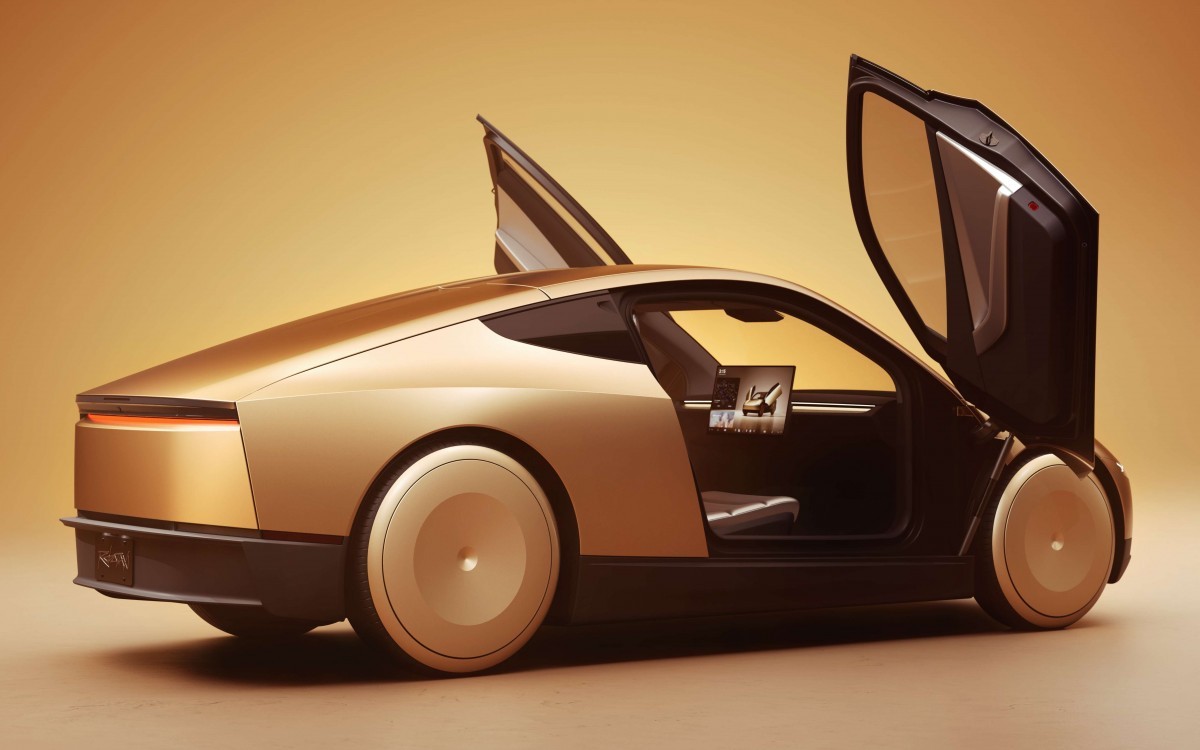 Cybercab - source: Tesla
Tesla is using a brand-new way to build the Cybercabs called the "Unboxed" process. Instead of a long assembly line where the car moves slowly while parts are added, Tesla builds different sections of the car in different areas. They build the sides, the floor, and the seats separately. Then, they snap everything together at the very end. This method is meant to save space in the factory and lower the cost of making each vehicle. Tesla hopes this will help them build millions of cars every year.
The Cybercab is meant to compete with other driverless cars, like those from Waymo and Zoox. Companies like Waymo already have robot taxis in many cities, but Tesla wants to sell its cars for a much lower price. The target price for a Cybercab is under $30,000. Tesla also says the car will be very cheap to run, costing only about $0.12 per kilometer. To make things even easier, the car uses wireless charging - it can fill up its battery just by parking over a special pad on the ground.
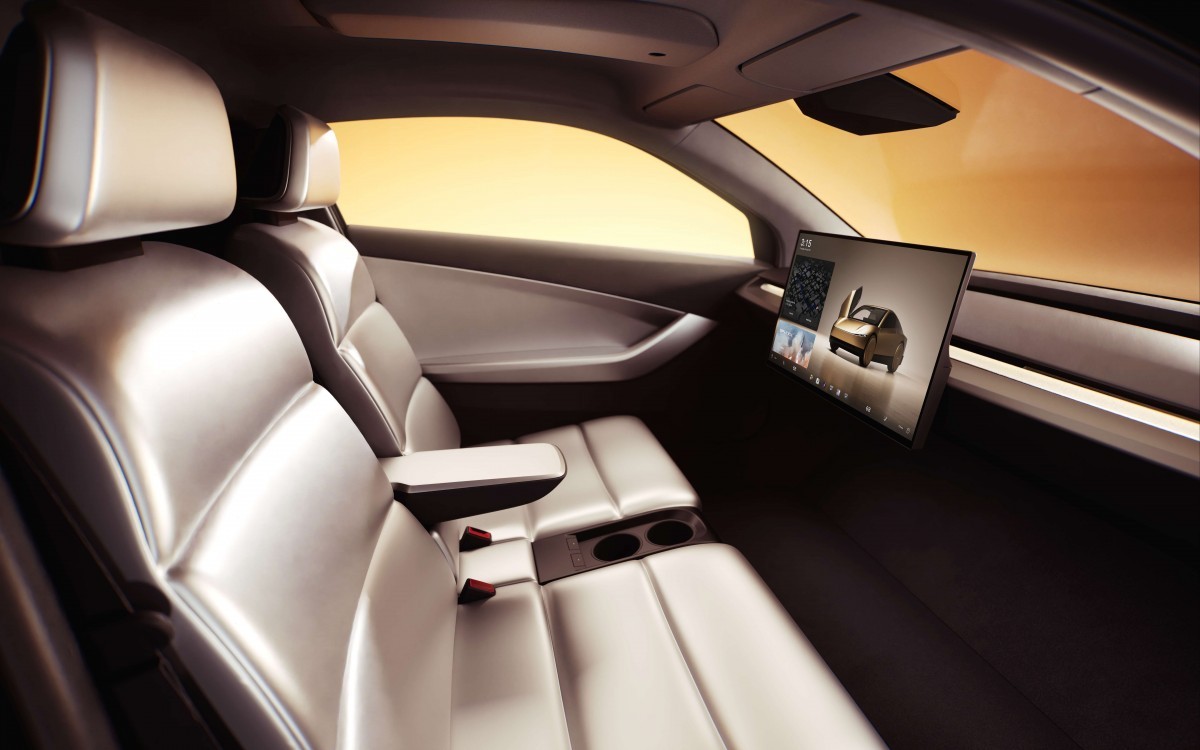 Cybercab - source: Tesla
The first driverless Tesla uses a 35 kWh battery that allows it to travel about 199 miles on a full charge. It can speed up from zero to 60 mph in less than seven seconds. It isn't the fastest car on the road, but its top speed of 100 mph is plenty for city trips. The car is also fairly light for an electric vehicle, weighing between 2,500 lb and 3,000 lb.
Elon Musk, the head of Tesla, warned that production will be "agonizingly slow" at first. This is because the company is learning how to use its new manufacturing tools. It takes time to get everything working perfectly. Musk has said he wants to build five million of these EVs every year eventually, but many people think it will take a long time to reach that goal. For now, only a few of these cars exist, and mass production isn't expected to start until April.
First Cybercab off the production line at Giga Texas pic.twitter.com/kY8vCqtrCA
— Tesla (@Tesla) February 17, 2026
There are also questions about the software that drives the car. The Cybercab uses Tesla's Full Self-Driving (FSD) system. In most Tesla cars, a human still has to watch the road and be ready to take over. But since this car has no steering wheel, the software has to be perfect. Government safety groups, like the NHTSA, are still looking into the software because of past accidents. Tesla needs to prove that its cars can drive more safely than humans before these taxis can roam every street.
Even with these teething problems, the launch of the first production unit is a major step. Tesla is already testing its robot taxi service in cities like Austin and the San Francisco Bay Area. Right now, many of those test cars still have a person in the seat to keep things safe. But the ultimate goal is a fleet of driverless cars that anyone can call with a phone app.
Reader comments
- mrom
- U@m
Hope this has Dry Brake by wire. Bi directional reduces maneuvering required to turn around, like Zoox

From the team behind
GSMArena.com
Facebook
Twitter
Instagram
RSS
Settings
Log in I forgot my password Sign up