Rivian rejects Apple CarPlay and bets heavy on AI for future electric cars
Automakers continue to argue over how drivers should interact with their dashboard screens. Many car buyers expect to see smartphone screen-mirroring platforms like Apple CarPlay or Android Auto when they step inside a new vehicle. A small number of manufacturers of electric cars are choosing a completely different direction. Companies like Tesla, General Motors, and Rivian are deliberately leaving these popular phone systems out of their vehicles. Instead, they are investing millions of dollars to build their own unique digital systems from scratch.
The software strategy at Rivian shows a clear shift in how tech executives view the future of driving. Wassym Bensaid, the Chief Software Officer at Rivian, shared the company's long-term software goals during an episode of the Decoder podcast. Bensaid explained that the young electric car company wants to keep total control over every pixel on its large dashboard screens. When a driver plugs in or connects a phone to run a mirroring app, that software takes over the entire display. Rivian believes this total takeover ruins the specific, carefully designed user experience they want to offer their owners.
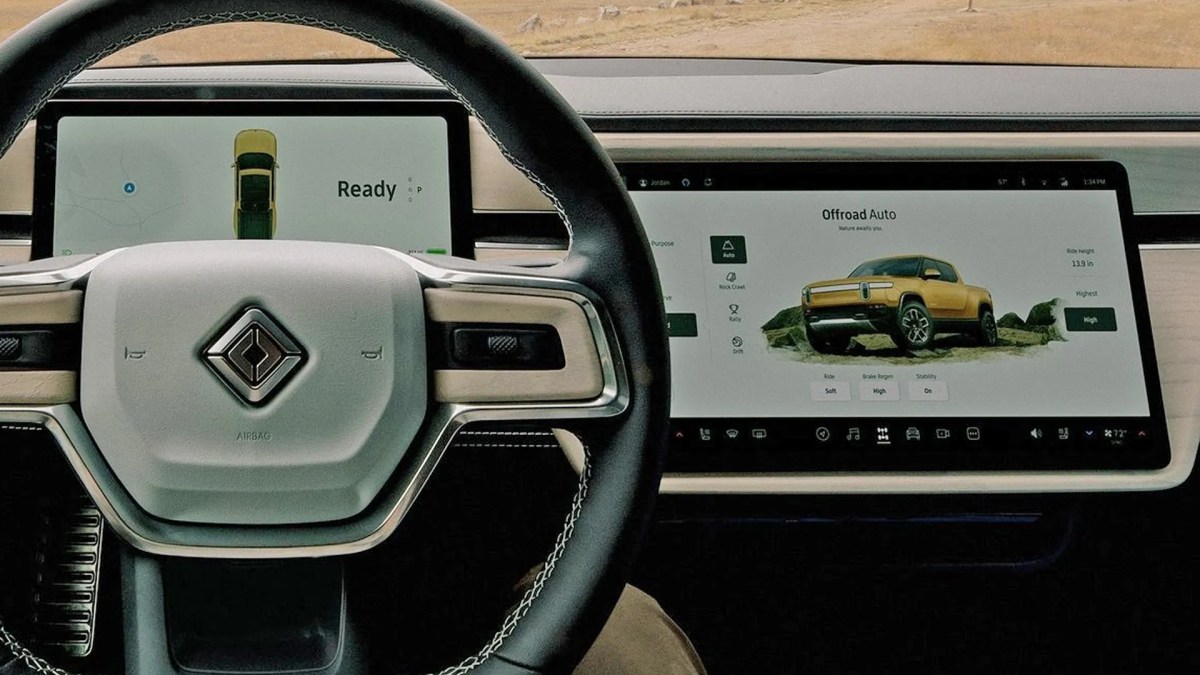
Instead of traditional screen mirroring, the brand is betting heavily on artificial intelligence. The idea is to move completely away from older interfaces that rely heavily on physical buttons or a maze of digital screen menus. Rivian expects advanced voice systems to become the absolute primary way that people operate their vehicles. As the voice technology matures, the company wants to put the Rivian Assistant directly at the center of the driving experience. This virtual assistant will soon handle almost all major operations inside the cabin, making the traditional phone-mirroring debate entirely obsolete.
The pivot toward voice controls is a bold gamble because early automotive voice software was notoriously frustrating to use. Even dedicated Rivian owners have historically complained about poor voice recognition in their vehicles. Relying on an incomplete system requires a massive amount of trust from everyday drivers, especially given the history of early tech glitches in the wider automotive industry. But the company believes that modern, conversational tech will rapidly solve these old software problems.
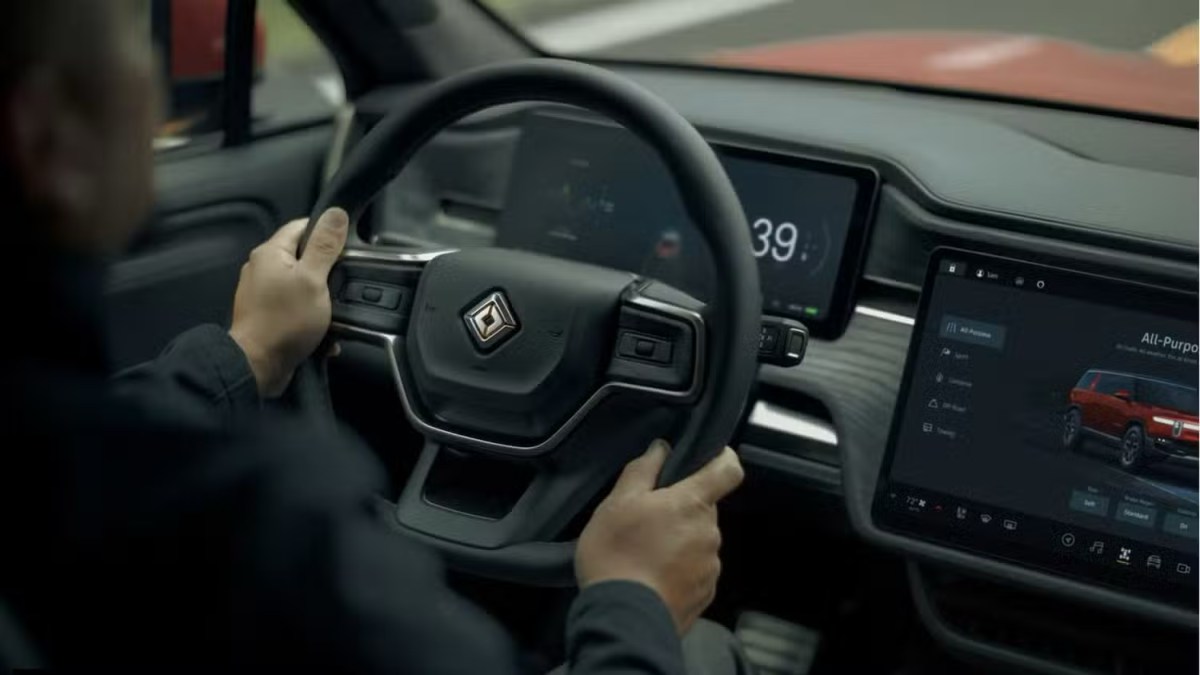
The underlying concept relies on shifting from vehicles that are simply "software-defined" to vehicles that are "AI-defined." Instead of opening single apps by clicking separate small icons, drivers will converse naturally with an integrated digital agent. Moving away from complicated physical hardware also allows automakers to eliminate hundreds of mechanical parts, which directly lowers vehicle production costs. It also ensures that drivers never have to take their eyes off the road to hunt for climate or navigation settings buried deep inside confusing digital tabs.
Building an in-house system gives a vehicle manufacturer complete freedom to update the cabin experience on its own schedule. When an automaker relies on a tech giant like Apple, it must wait for third-party software updates before it can fix bugs or introduce new features. Rivian can design, test, and ship software updates overnight. This independent strategy is already showing clear results in consumer data. Internal surveys conducted by Rivian five years ago showed that more than 70% of potential buyers demanded Apple CarPlay. Today, after years of frequent software improvements, less than 25% of buyers still ask for it.
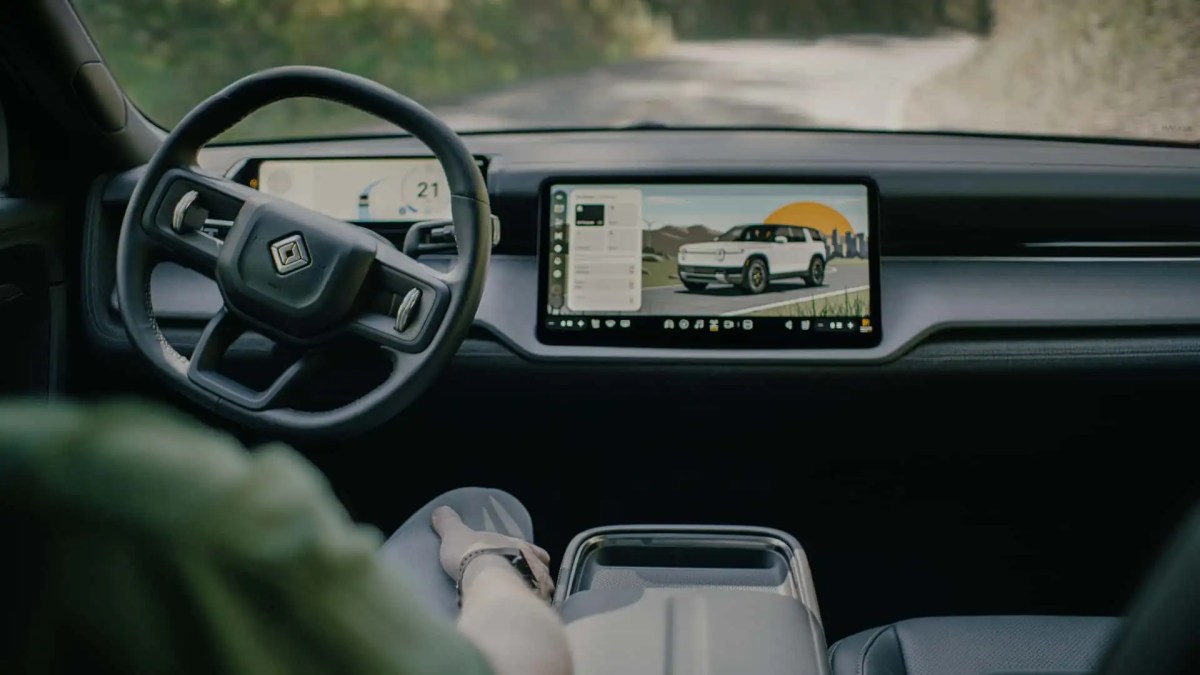
Operating large artificial intelligence models inside a moving vehicle does present unique cloud computing challenges. Processing millions of spoken sentences through remote data centers can get incredibly expensive. To prevent these costs from spiraling out of control, Rivian will put strict limits on users who try to have long, casual conversations with their car for hours at a time, and eventually, the company will move the actual data processing directly into the vehicle itself, using a brand-new infotainment microchip, known internally as the XMM3. The new chip will allow the vehicle to process complex, multi-step spoken requests locally without needing a cellular connection to a distant server.
Rivian is certainly not alone in believing that the era of smartphone mirroring is coming to a close. Other luxury automotive brands are proving that voice-first systems can actually succeed in the real world. The latest all-electric Volvo EX60 SUV has a highly advanced factory integration of Google Gemini. Early reviews of the car show that the system can easily understand natural human speech without requiring specific, rigid commands. As these smart systems roll out to global markets, the dream of a truly helpful, conversational electric car is becoming a reality much faster than expected.



From the team behind
GSMArena.com
Facebook
Twitter
Instagram
RSS
Settings
Log in I forgot my password Sign up