Lower US prices drive record EV sales despite end of government tax credits
The American auto industry worried about the future of electric cars when the federal government completely eliminated retail tax incentives. The analysts believed that removing state financial assistance would instantly halt the transition toward clean energy, but the latest vehicle transaction data shows that consumer interest is surprisingly resilient. Car shoppers are buying zero-emission cars in big numbers, proving that the market can survive without administrative help.
According to the newest industry data released by Kelley Blue Book, dealerships experienced a wave of retail activity during May. Early market evaluations suggest that automakers sold more than 85,000 new EVs over the course of the month. On top of that, May had the highest monthly sales volume since the Trump administration terminated federal tax credits in the fall of 2025, right at the conclusion of the third quarter.
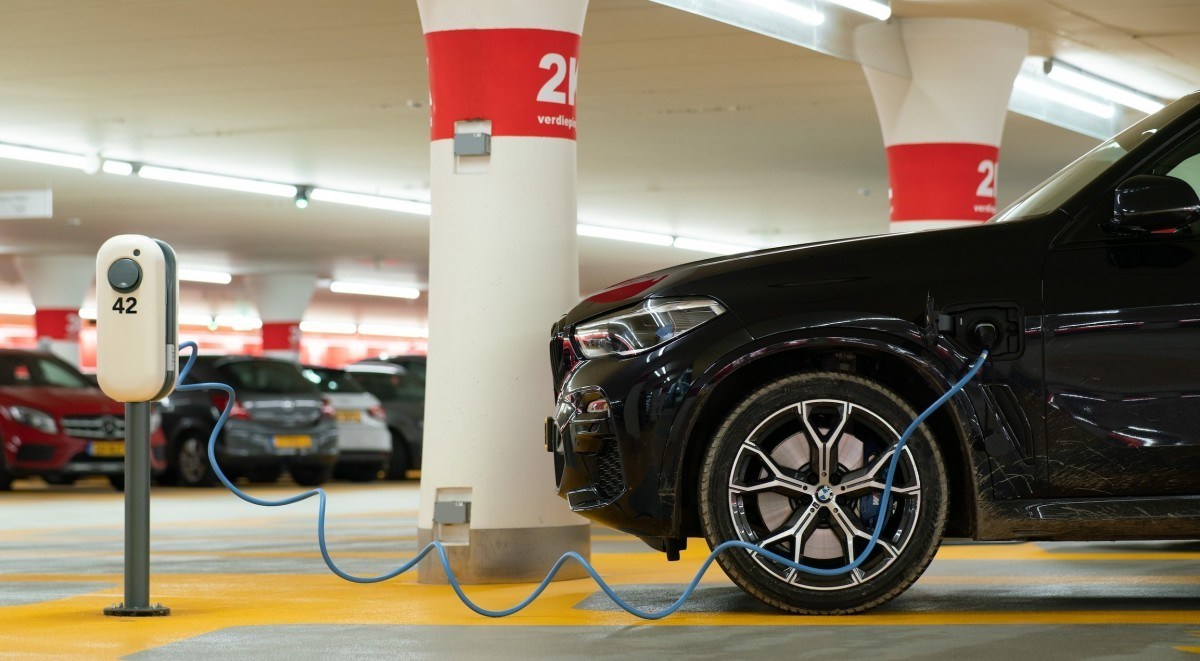
The main force behind this sudden acceleration in consumer demand is the continuous drop in retail prices. The average transaction value for a brand-new electric vehicle fell to $54,532 in May. This is a clear 4% decline when you compare the figure to the exact same period from the previous year, and it is not an isolated monthly event. May is the 11th consecutive month where year-over-year transaction prices for electric cars fell, allowing these vehicles to become affordable for a much larger group of buyers.
Automakers are using very aggressive promotional strategies to keep the assembly lines moving and avoid unsold inventory from piling up. Car manufacturers are offering deep discounts directly at the retail level, essentially funding their own competition just to maintain high factory output. During May, automotive brands spent an average of 14% of the final vehicle transaction price strictly on consumer incentives. That means manufacturers provided roughly $7,600 of direct financial assistance for each vehicle sold - nearly double the typical average found across the rest of the automotive industry.
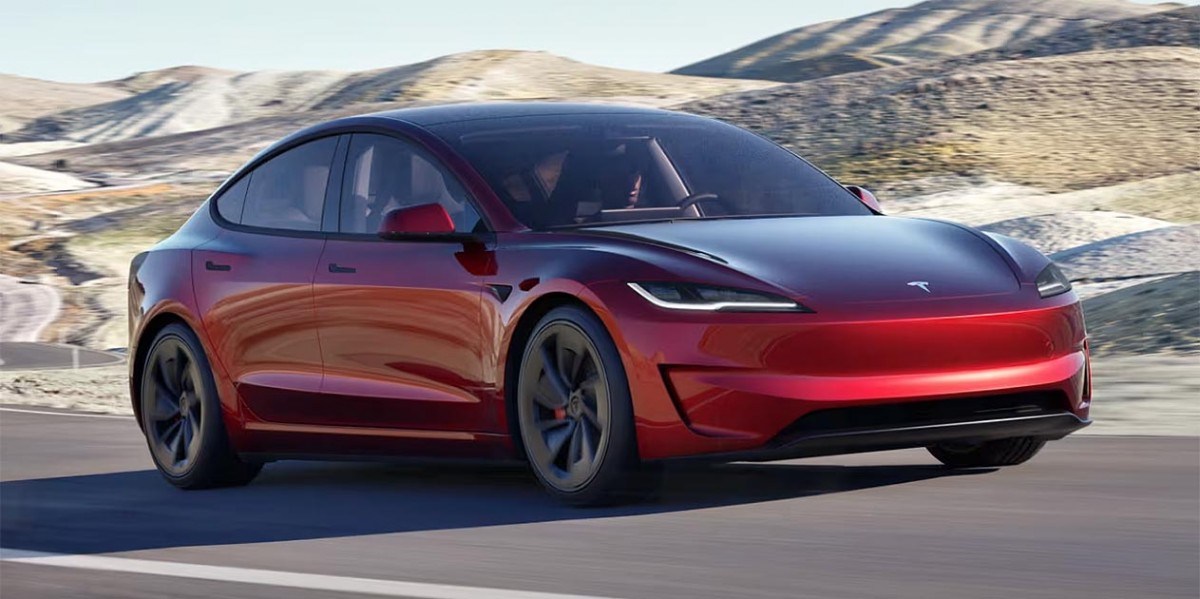
No observer can accurately evaluate the overall health of the US domestic EV market without analyzing Tesla. The electric car giant controls approximately half of all new electric vehicle sales in the United States. Because the company owns such a big share of the marketplace, its internal corporate pricing choices influence the entire sector.
Tesla continued to apply heavy pressure on industry pricing throughout the month of May. The average transaction price for a brand-new Tesla vehicle dropped by 1% compared to the numbers recorded in April. Looking at a wider annual timeline, the average price paid by consumers for a new Tesla fell by 3.4% compared to May of the previous year. This steady drop in price is dragging down the overall transaction averages for the entire EV segment.
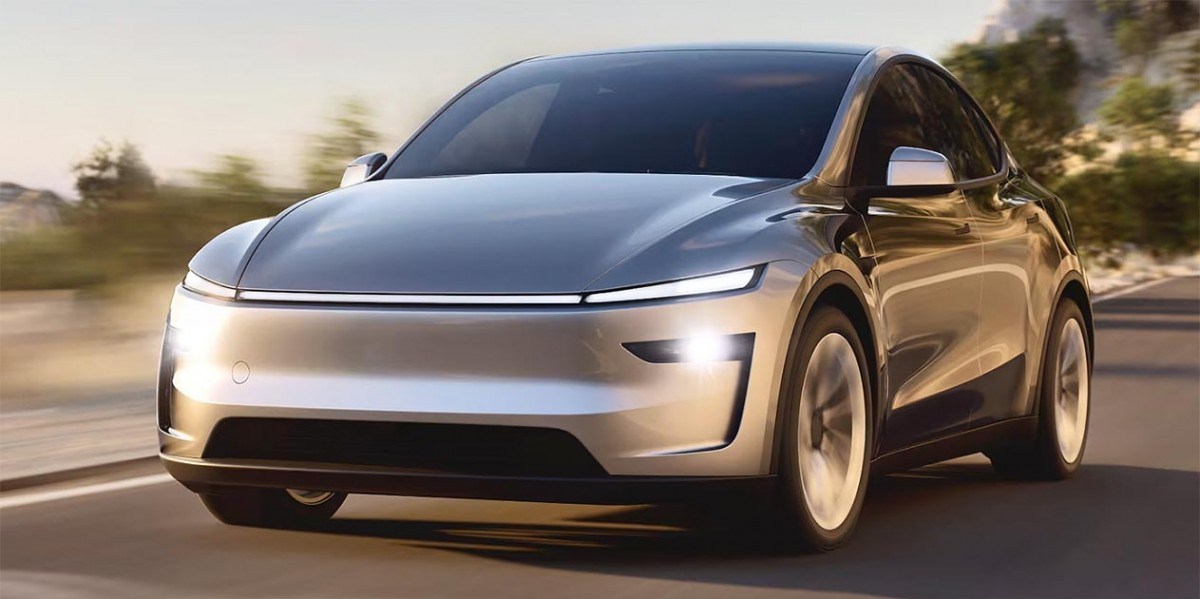
During May, the average transaction price for a brand-new Model 3 fell to $49,082. At the same time, consumers paid an average transaction price of $51,537 for the larger, family-sized Model Y. Both vehicles now sell for amounts that sit well below the broader industry average for electric choices, allowing them to easily dominate the marketplace.
External economic factors are also working hard to push car shoppers away from internal combustion vehicles. Global oil markets are volatile, and rising gas prices are squeezing household budgets every single week. This financial pressure alone is a powerful motivator, helping many hesitant drivers to abandon gas and diesel for good.
The sudden end of federal tax breaks created short-term issues, but natural market forces are correcting the imbalance. Heavy manufacturer discounts and expensive gasoline are keeping consumer demand at historic levels. The automotive sector is finally entering a mature phase where electric cars must win buyers based on their own financial merits, and right now, falling prices are successfully winning that battle.





From the team behind
GSMArena.com
Facebook
Twitter
Instagram
RSS
Settings
Log in I forgot my password Sign up