BYD Seal 06 brings Flash Charging, ADAS, AI, and 2,300 km of range - all for under $15,000
Every time a manufacturer promises a bargain EV, we usually end up with hollow plastic doors, anemic powertrains, and infotainment screens smaller than a retro handheld gaming console (Dacia Spring anyone?). But in China, the story seems to be completely different. BYD revealed the 2027 Seal 06, and it comes in twelve different configurations from plug-in hybrids to pure electric, completely upending expectations. It is a car that makes you squint at the spec sheet, double-check the currency conversion, and ask yourself where on earth is the catch.
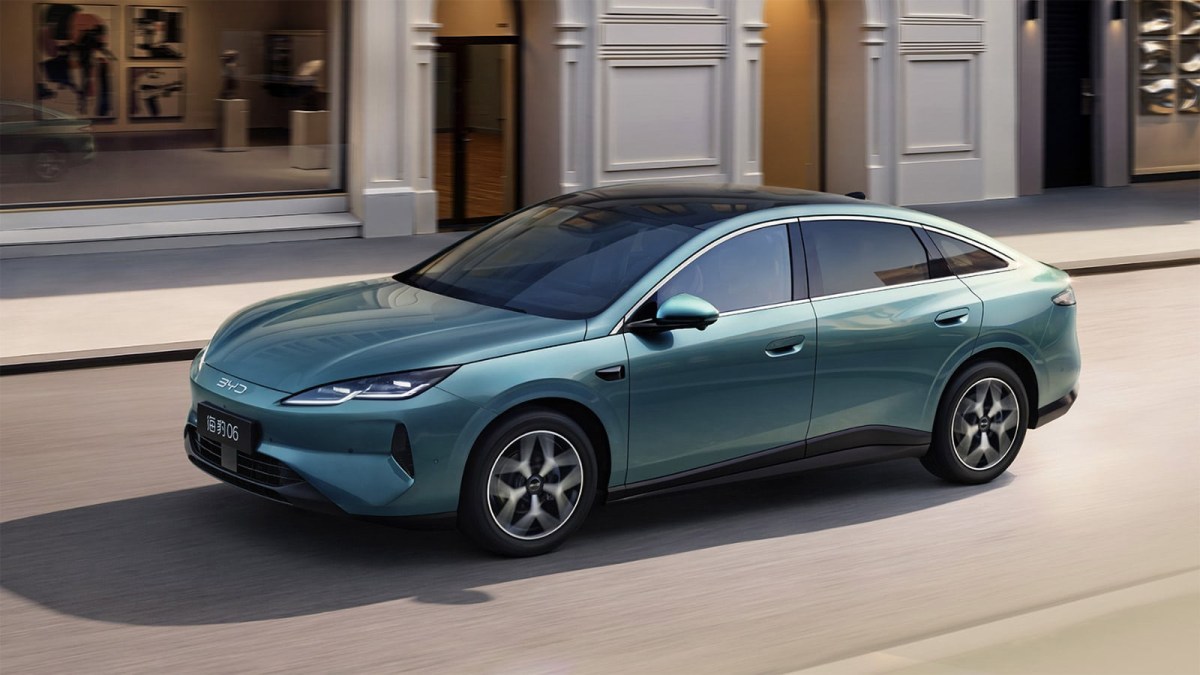
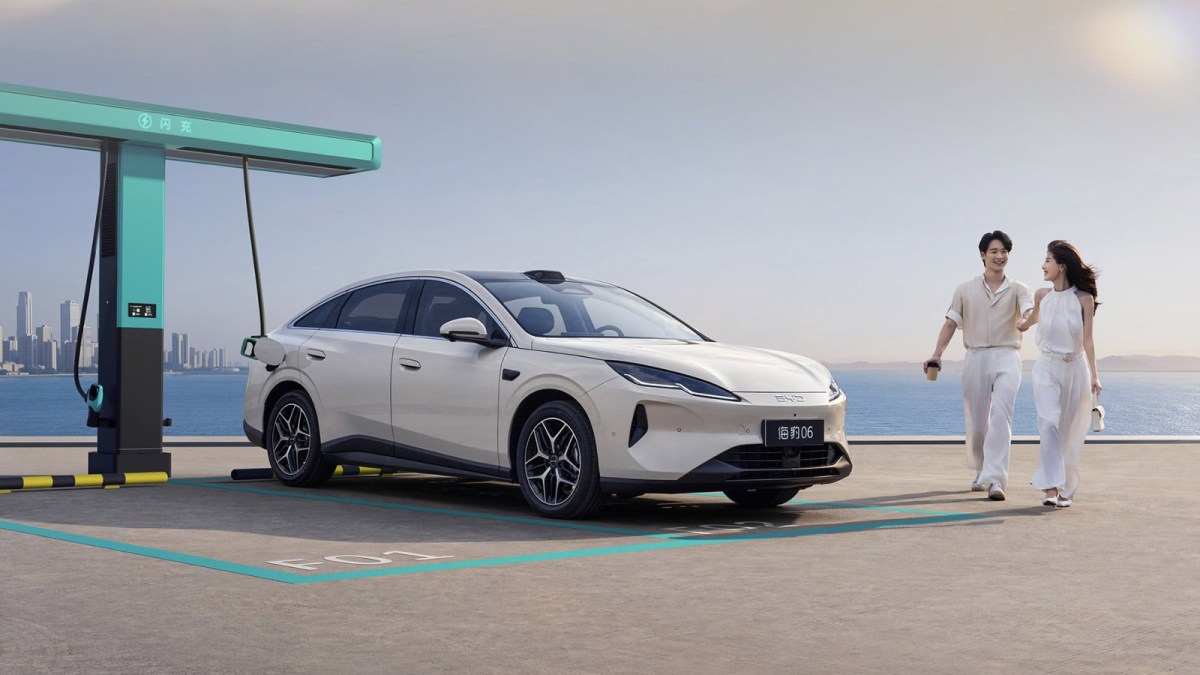
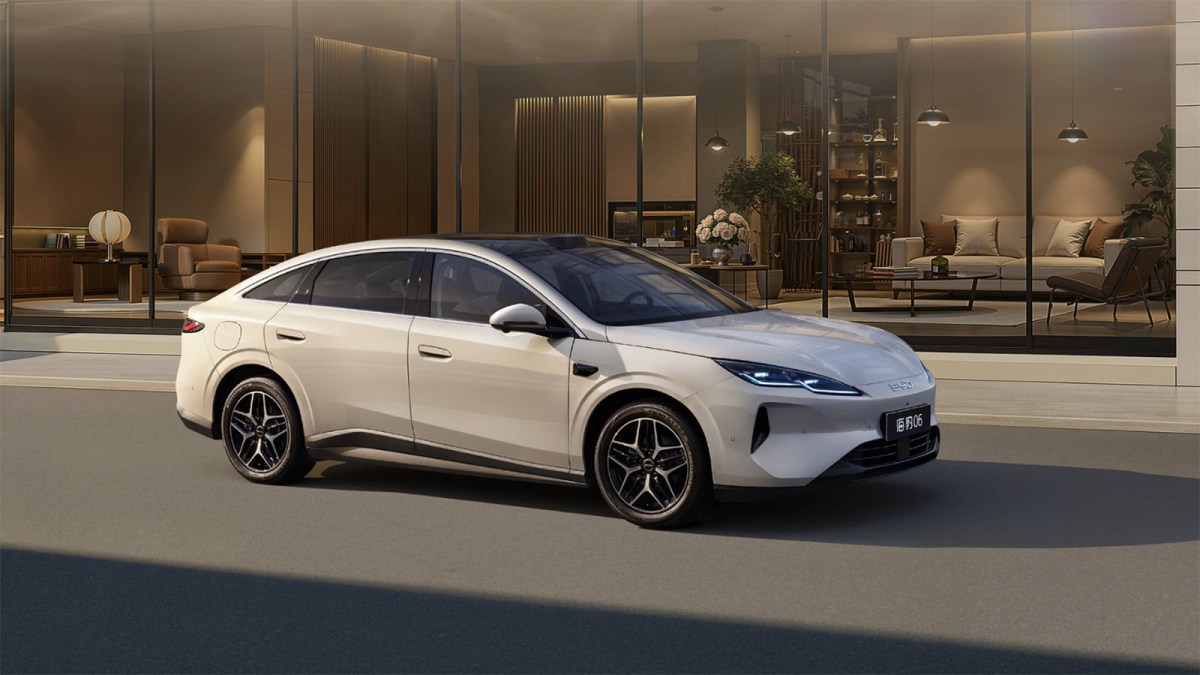
From the outside, BYD's Ocean-series design language has matured into something quietly confident. Up front, the Seal 06 wears what BYD calls "Wave Star River" dual-lens LED headlights sitting above redesigned 3D bumper air ducts, flanked by neatly blacked-out A, B, and C pillars that create a seamless floating-roof effect. Available in shades like Warm Sun White, Polar Tide Green, Cloud Sea Grey, Snowy White, and Atlantis Grey, it avoids looking like a fleet vehicle trying too hard. There is an understated elegance to its silhouette - swept back and aerodynamically clean.
The Seal 06 stretches 191.7 inches in length, measures 74.4 inches in width, stands 58.9 inches tall, and rides on a wheelbase that has been stretched by 1.18 inches to 111 inches, with 5.3 inches of ground clearance underneath. In case you were wondering, a Tesla Model 3 comes in shorter at 185.8 inches long, narrower at 72.8 inches, lower at 56.7 inches, but with a slightly longer 113.2 inches wheelbase. The Hyundai Ioniq 6 is 191.1 inches long, 74 inches wide, and 58.9 inches high, backed by a generous 116.1 inches wheelbase. BYD has engineered a machine with a footprint of mid-size executive saloons, and then priced it below basic hatchbacks.
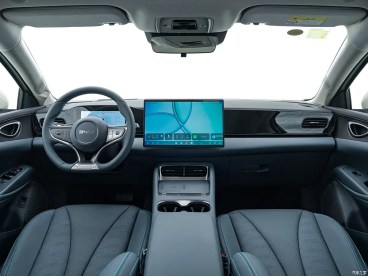
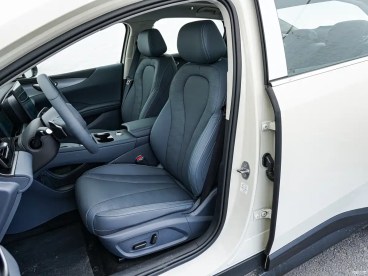
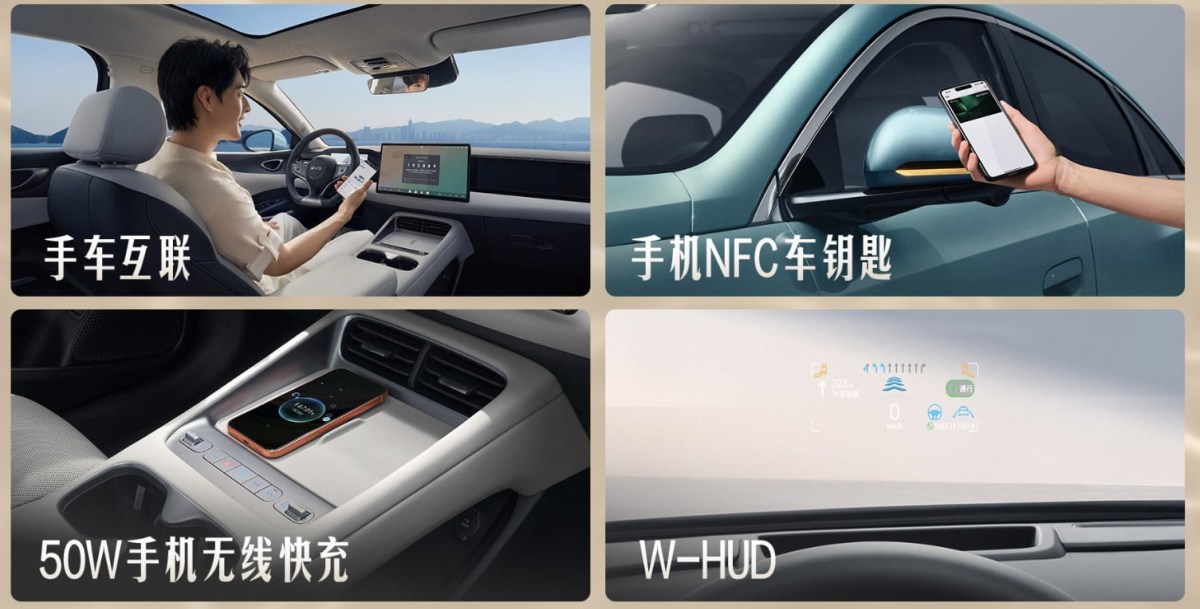
The former era of cheap interior trim vanishes completely in the new BYD. High-tier models swap hard plastics for plush leather upholstery wrapped around a driver-centric cockpit. The center console frees up storage by ditching the traditional selector for an electronic column shifter, creating room for a 50W wireless charging pad and deep storage pockets.
Technophiles get a massive display setup: a central 15.6-inch adaptive rotating screen paired with an 8.8-inch digital instrument cluster, complemented on top models by a projection-style 29-inch W-HUD. Powering it all is the latest DiLink operating system integrated with DeepSeek's onboard voice model, handling four-zone continuous conversation without breaking a sweat. Top trims even bring LiDAR-backed God's Eye 5.0 tech to the table, deploying Highway and City Navigation Pilot alongside automated valet and remote parking features.
Then we arrive at the powertrains, where BYD gives buyers a choice of two different mechanical flavors. First up is the DM-i plug-in hybrid variant, combining a 1.5-liter naturally aspirated engine punching out 74 kW with an EHS hybrid transmission and a front motor producing either 120 kW (161 hp) or 175 kW (235 hp).
Fed by either a 25.3 kWh or 34.3 kWh battery pack, it offers pure electric CLTC ranges from 143 miles to 199 miles. That efficient setup is paired with a 2.3 ft³ fuel tank, and BYD claims a total theoretical combined range of up to 1,473 miles. That is long-distance cruising on an almost absurd scale - you could virtually drive from London to Madrid and still have enough juice left to search for parking.
If you prefer your daily commute entirely free of fossil fuels, the pure EV version steps up to the plate with an 800V high-voltage architecture. The second-generation LFP Blade battery comes in 52.9 kWh or 64.3 kWh capacities; it delivers CLTC driving ranges from 329 miles to 391 miles. An upgraded rear-mounted electric motor pushes out 240 kW (322 hp) - plenty enough for a sprint from zero to 62 mph in 5.9 seconds. The whole setup rides on a MacPherson front and five-link independent rear suspension working in tandem with top-spec DiSus-C electromagnetic active damping, keeping body motion tightly controlled when you throw it into a quick corner.
To understand how BYD reached this point, we need to look back at their wider game plan. Fifteen years ago, Western automakers routinely dismissed BYD as an obscure battery maker trying to build derivative petrol cars. But as traditional OEMs dithered over hybrid transition timelines and battery supply chains, BYD ditched internal combustion cars entirely to focus on EVs and vertical integration. By manufacturing their own LFP Blade batteries, power electronics, and electric motors in-house, they built a massive cost advantage that allows them to iterate their Ocean and Dynasty product families at a pace no other company can match.
Which brings us back to the monetary reality of the 2027 Seal 06. The plug-in hybrid DM-i range starts at a mind-boggling RMB 99,900 (roughly $14,700) and tops out at RMB 141,900 ($20,800). The full EV variant opens at RMB 109,900 ($16,100) and tops out at RMB 155,900 ($22,900). I wonder how product planners in Detroit, Wolfsburg, or Tokyo must feel looking at these numbers.




From the team behind
GSMArena.com
Facebook
Twitter
Instagram
RSS
Settings
Log in I forgot my password Sign up