Geely’s new 1,000V architecture is upending EV charging
The quick petrol station stop has always been the elusive holy grail for EV owners. We all know the ritual: pull up to the pump, squeeze the trigger for two minutes, grab some snacks, and head back onto the open road. But electric vehicles, for all their neck-snapping launches and digital trickery, have spent the last decade asking drivers for a lot of patience. Thankfully, Geely is trying to kick the entire concept of the leisurely charging break straight into the history books.
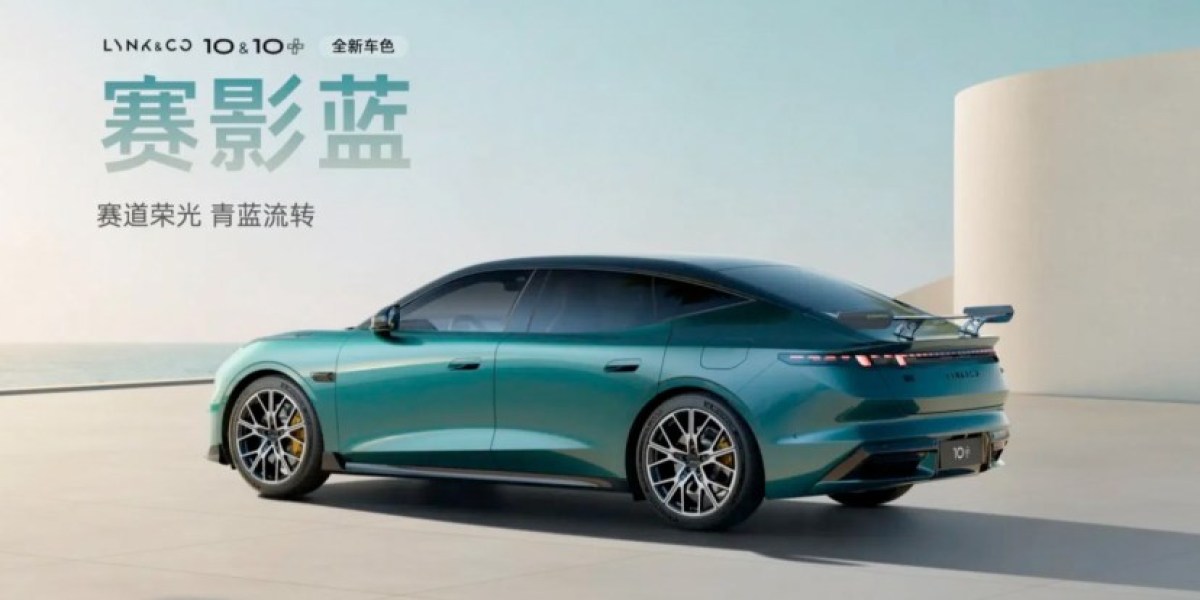
The spark that ignited this frenzy was a wild real-world charging run involving Geely's sleek Lynk & Co 10 sedan. In footage that quickly made the rounds, the executive four-door pulled up to a high-power stall and vaporized standard charging metrics - it went from 10% to 80% state of charge in 5 minutes and 32 seconds. Even more absurdly, it stayed plugged in to hit 97% in just 8 minutes and 42 seconds - a phase where virtually every other electric vehicle on Earth slows to a pathetic, trickle-charge crawl to protect its battery chemistry.
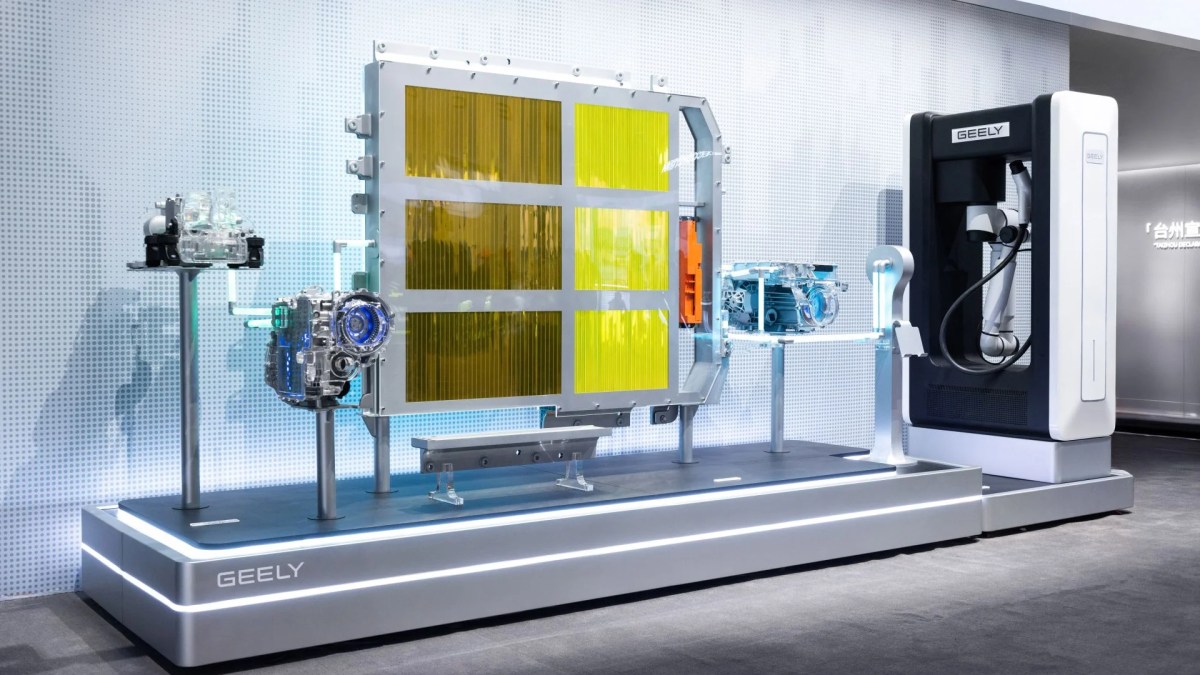
The brand's PR department immediately took a victory lap, loudly declaring that the car was running on a cutting-edge 900V architecture. But I always prefer checking the spec sheets over reading the glossy press releases. Peel back the marketing veneer, and you will find that the Lynk & Co 10's 95 kWh battery pack actually has a rated voltage of 772.8 V. That means this record-setting run wasn't achieved with some exotic voltage - it was pulled off on a standard, production-grade 800V setup. Which makes the thermal control and current management even more impressive. And it also reveals an engineering reality: standard 800V hardware is being pushed to its absolute physical limits.
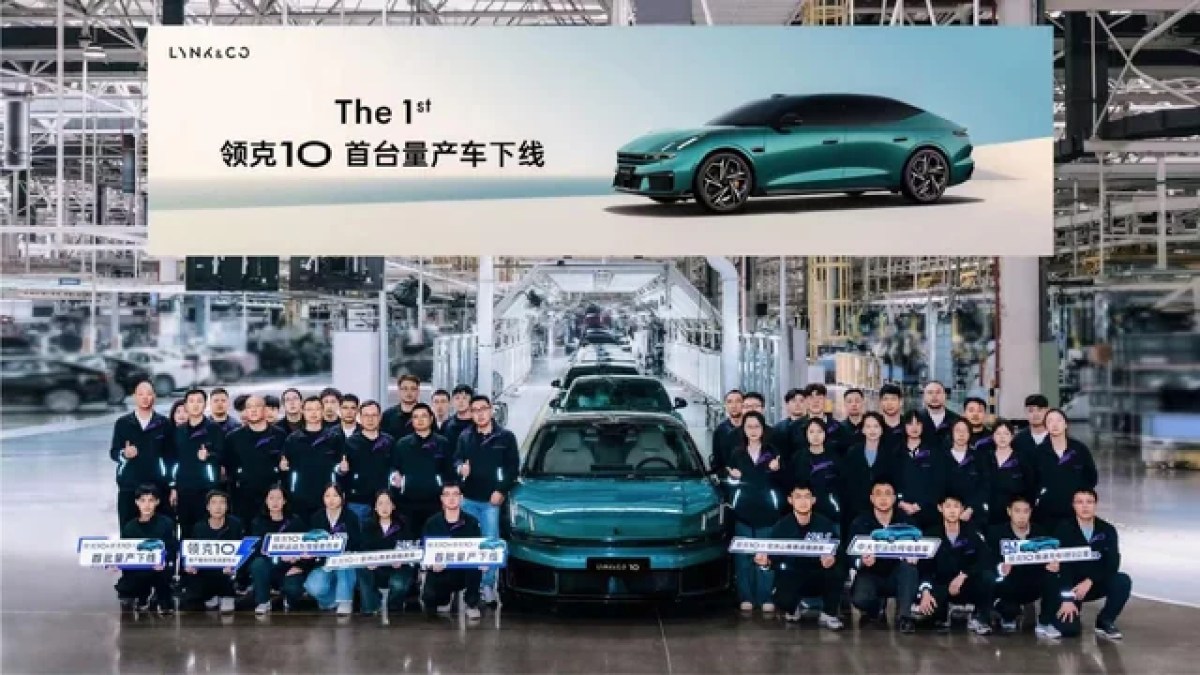
To shatter that 5.5-minute barrier permanently and make sub-five-minute stops repeatable in everyday driving, Geely is now engineering a bespoke 1,000V high-voltage architecture from the ground up. It is a direct stab at BYD, whose own megawatt flash-charging push has been dominating headlines across Asia. Rivalries are often fought with theoretical whitepapers, but Geely is using a road-going Lynk & Co 10 (marketed in several regions under the Z10 nameplate).
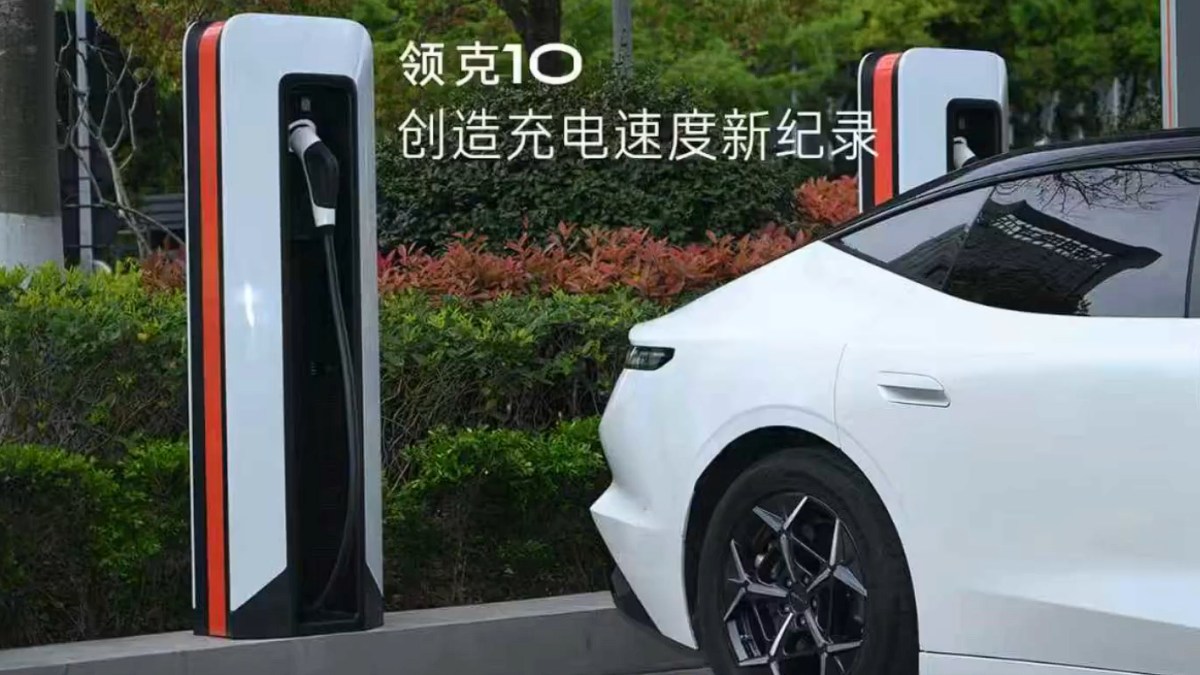
The Z10 is a sprawling executive express - it is 198 inches long, 77.4 inches wide, and 57.8 inches tall. With a cavernous 118.3 inches wheelbase, the sedan commands serious road presence while tipping the scales at a serious 5,016 lb. For comparison, the popular Xiaomi SU7 spans 196.7 inches in length, 77.3 inches across its hips, sits lower at 56.7 inches, and rides on a 118 inches wheelbase with a curb weight of 4,861 lb. BYD’s established Han EV executive saloon measures 196.7 inches long, 75.2 inches wide, and stands 58.9 inches tall on a 115 inches wheelbase, weighing 4,784 lb.
For Geely to pack ultra-fast charging hardware and executive-class rear legroom into the Lynk & Co 10 at a starting price in China hovering around RMB 215,800 (roughly $32,200) is a masterclass in aggressive packaging.
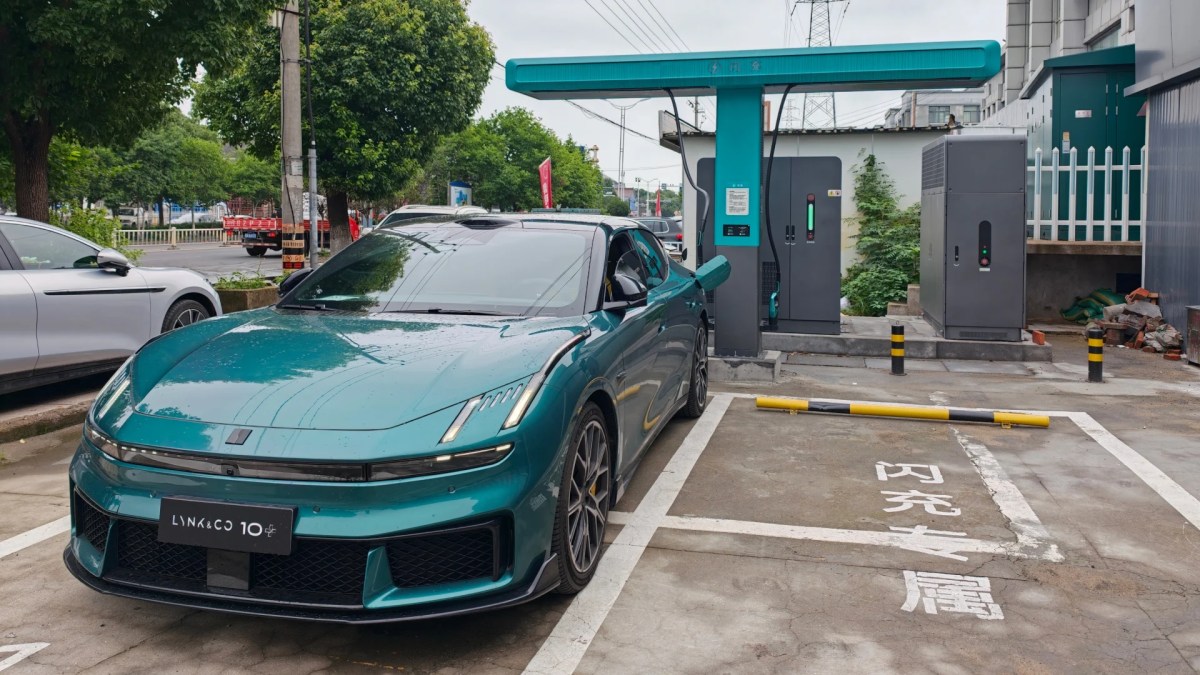
But hardware in the car is only half the battle. You cannot draw massive currents if the charger is wheezing through skinny copper cables. Geely anticipated this bottleneck well in advance. Back in March 2026, the Hangzhou-based automotive powerhouse confirmed that it had already installed more than 2,100 Zeekr-branded single-gun charging terminals across its charging network. The jaw-dropping specification? Each of these liquid-cooled dispensers has a peak power capability of 1,500 kW - 1.5 megawatts of direct current at a single plug.
At the moment, those terminals are an engineering buffer for the future, because no production car on the road can continuously ingest 1,500 kW without vaporizing its wiring harness. But the real-world delta between different networks is already growing. When testers plugged the Lynk & Co 10 into one of Geely's own Zeekr-branded 1,500 kW super-hubs, the sedan pulled a peak charging rate of 1,100 kW.
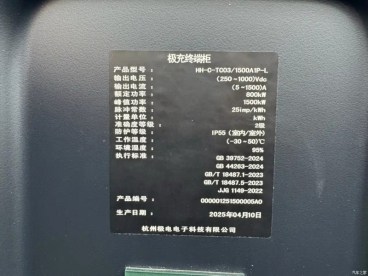
When they plugged that exact same car into a flash-charging station operated by BYD, power delivery topped out at a comparatively modest 430 kW. That difference alone proves that proprietary handshakes, terminal cooling algorithms, and station-side battery buffers dictate real charging curves just as much as battery chemistry itself.
This is precisely why moving to a true 1,000V architecture is the vital missing piece of the puzzle. Electrical power is the product of voltage multiplied by current. If you stay locked at 800V (or 772.8 V under load) and want to push beyond 1,100 kW, you have to pump insane amounts of amperage through the charging port. High current generates severe heat, forcing heavy liquid-cooling loops, beefier busbars, and thicker internal cables that add dead weight.
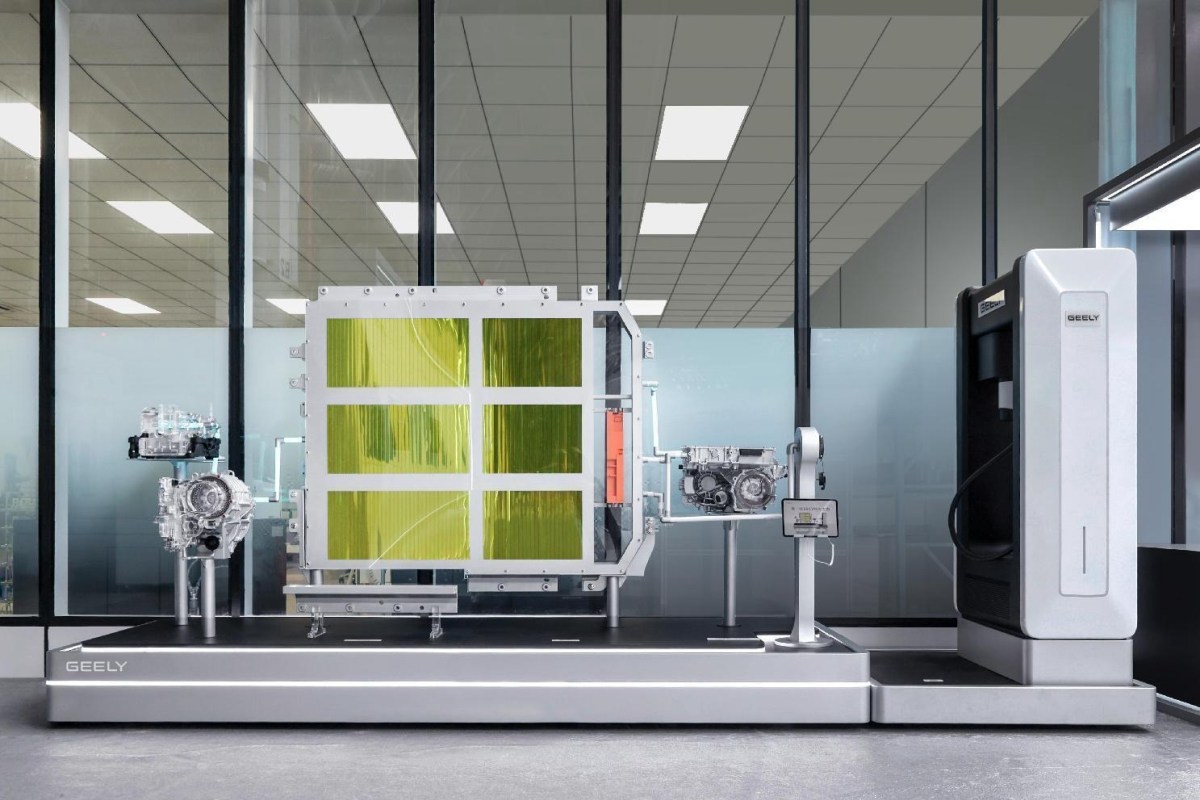
Raising the operating ceiling to 1,000V allows Geely to deliver that full 1,500 kW torrent while keeping current levels manageable, drastically curbing thermal throttling and allowing the battery management system to sustain peak charging power for much longer stretches of the charging curve.
For Geely, this high-voltage offensive is about asserting dominance across an empire that stretches from Volvo and Polestar to Lotus, Smart, and Zeekr. Chairman Li Shufu did not build one of the world's most formidable auto groups by playing catch-up. Several European and American legacy manufacturers have hit pause on electrification timelines, but the Chinese theatre is locked in an unforgiving high-tech slugfest.
Geely is upgrading every link in the chain - rolling out integrated 16-in-1 electric drives, advanced silicon carbide power controllers, and Aegis short-blade lithium iron phosphate packs built to withstand repeated 10C to 12C charging blasts without deteriorating.
When you step back from the megawatt figures and voltage calculations, the cultural shift is impossible to ignore. A reliable 10% to 80% charge in under five minutes does not only shave seconds off a charging stop - it obliterates the final practical argument against long-distance EV touring.
When plugging in takes no longer than cleaning a bug-splattered windscreen and walking back to the driver's seat, the entire ownership experience matches the convenience of gasoline-powered vehicles. Geely's 1,000V roadmap proves that the era of waiting around at charging hubs is finally running out of road.
Unfortunately, here in Europe, we are stuck in the last decade. Finding a 500 kW DC charger feels like winning the lottery, and even if you find one that works, the majority of EVs on the road can't make full use of it. We celebrate when charging takes less than 30 minutes, and still put up with overnight sessions at public 7kW chargers. This isn't a technological gap - China is literally in another galaxy, and we only get to watch their progress with envy.



From the team behind
GSMArena.com
Facebook
Twitter
Instagram
RSS
Settings
Log in I forgot my password Sign up