Tesla’s steering wheel-less Cybercab has a secret
Silicon Valley fed us a dream where steering wheels belong in museums together with hand-crank starters, and pedals are archaic nonsense. We are promised silent mobile living rooms where commuters recline, and let neural networks fight the traffic. And yet, no matter how much marketing you spread over the subject, cars are still the same stubborn chunks of metal subject to the laws of physics and human unpredictability.
When Tesla finally let loose its long-awaited Cybercab last week, it claimed the wheel was dead and buried. Then, a curious passenger hopped inside and uncovered the digital pacifier Tesla desperately hoped nobody would notice.
Weird #cybercab situation! When I got in the vehicle, the display was in a different configuration with a virtual joystick for manual driving! I have a feeling I wasn’t supposed to see this… but I try to manually drive the vehicle anyway! 😂 @wholemars @DirtyTesLa @DavidMoss… pic.twitter.com/mQsoDFDbEJ
— Matthew Skrzypczak (@MatthewSkrzypc1) September 7, 2026
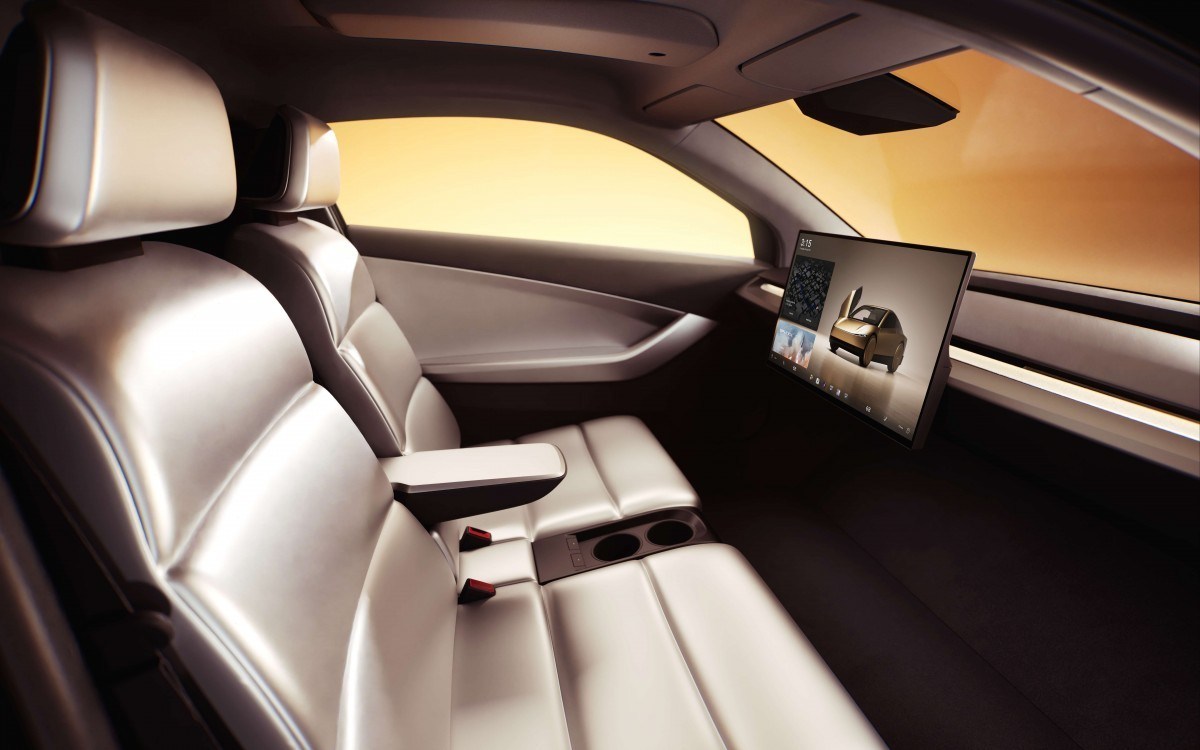
An early rider named Matthew Skrzypczak climbed into a Cybercab in Austin and was greeted by a screen configuration that clearly was not meant for public consumption. Instead of a sterile infotainment map or a soothing robotaxi welcome graphic, the central touchscreen was cleaved in two. On the right, a live surround-view camera feed displayed the surroundings - oddly marred by frozen side-camera frames cached from an earlier visit to a Supercharger.
On the left sat the smoking gun: a manual driving interface with a virtual joystick, complete with prompts to close cabin doors, unlock access, and dial remote support. Rather than politely looking away, he tapped it, prodded it, and proved what engineers had quietly coded into the vehicle's firmware. As it turned out, even the most radical autonomous pod on earth still needs a human touch.
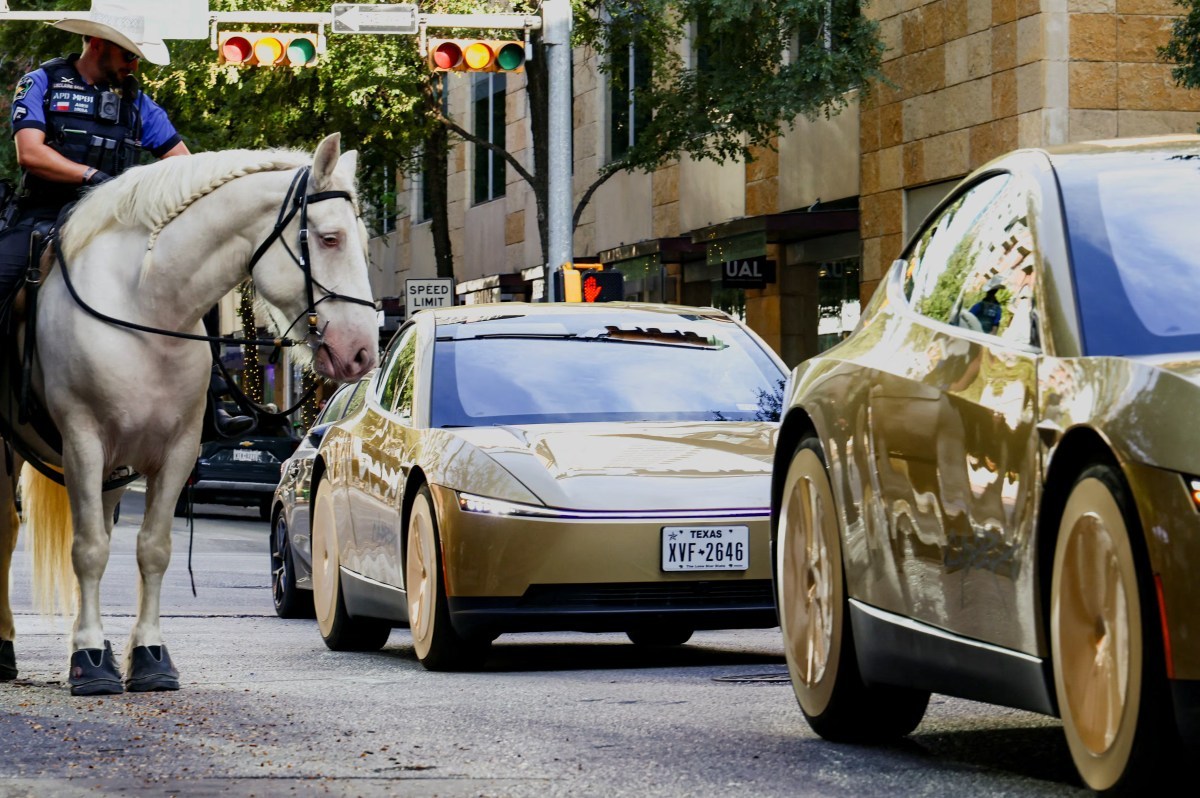
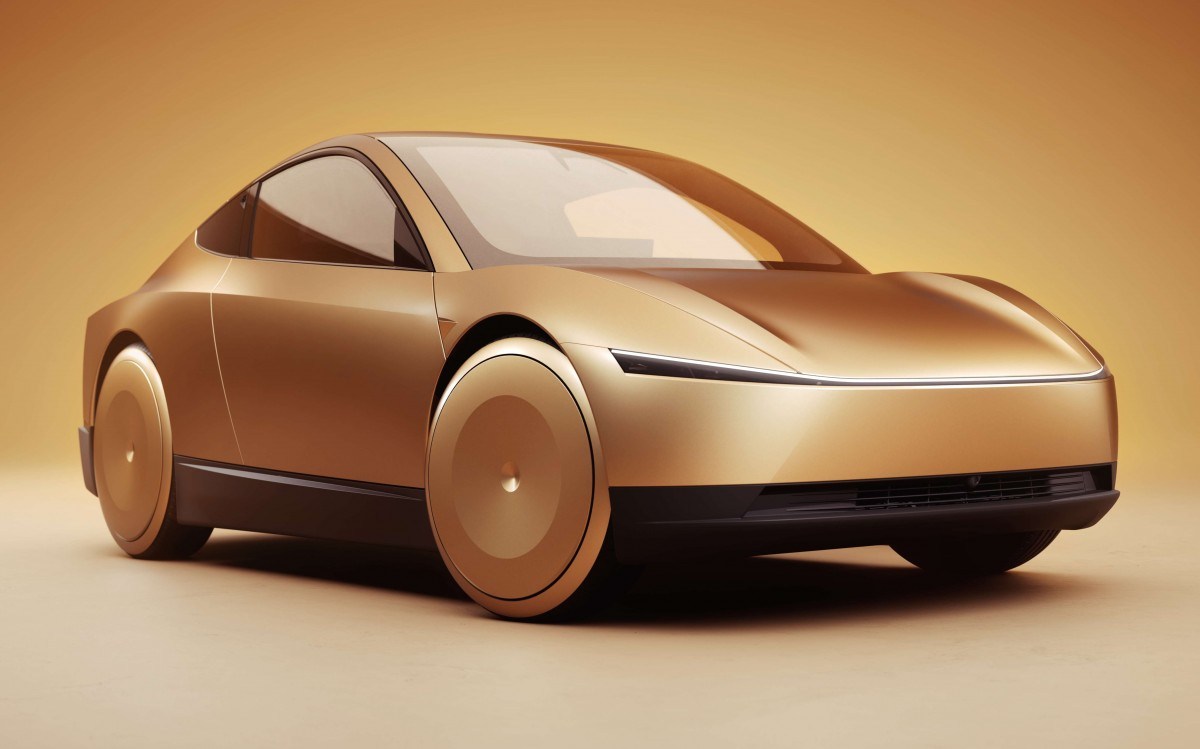
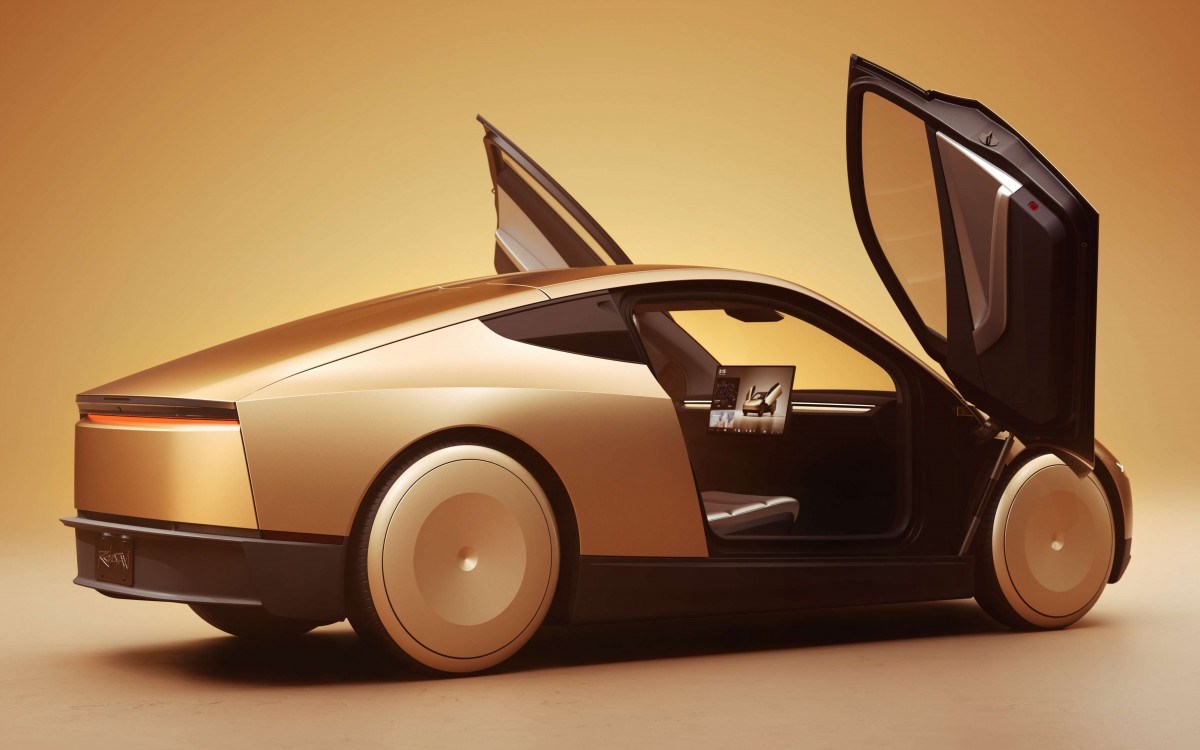
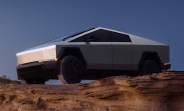
The irony of this discovery is priceless. Tesla built the Cybercab with butterfly doors and a gleaming golden hue, deliberately deleting the steering column, rack, and footwells to make a statement. Autonomy is here, the design screamed, and manual controls are an insult to the algorithm. Yet out in the real world - away from curated promotional videos and pristine test tracks - cars have to navigate messy, unscripted moments.
Depots get busy, service bays are tight, tow-truck beds need careful winch alignment, and chaotic construction sites confuse pure-vision cameras with a sea of orange cones. Tesla needed a way for flesh-and-blood technicians to nudge the Cybercab across a parking bay, and their grand engineering solution was an on-screen drag-pad.
From an enthusiast's standpoint, trying to maneuver two tons of rolling metal via a capacitive touchscreen is a catastrophe waiting to happen. Anyone who has ever attempted to play a racing simulation on a smartphone knows the horrifying lack of tactile feedback. There is no self-centering resistance, no caster angle telegraphing grip through your fingertips, and zero mechanical modulation when feathering the brakes.
Shifting a car with a virtual thumb-stick on glass reduces an automobile to a remote-controlled toy. It is an awkward, desperate band-aid applied to an ideological wound of Tesla's own making. By banishing physical controls entirely, the company backed itself into a corner where a software glitch could leave a vehicle completely paralyzed, relying on a finger swipe to creep along at walking speed.
Take a look across the international robotaxi arena, and you see radically different philosophies tackling the exact same puzzle. Baidu's Apollo RT6 has been deployed at scale across Chinese metropolises. Baidu designed the RT6 with a modular floorplan that allows the steering wheel to unclip, and the company kept the physical architecture for human intervention during testing and deployment. In the West, Waymo continues to rely on heavy-artillery conversions of the Jaguar I-Pace, together with full driver controls and expensive, redundant sensor arrays.
Waymo's sensor-encrusted Jaguars demand a dizzying entry toll, with the base luxury EV commanding north of $70,000 before adding tens of thousands more for custom rooftop LiDAR pods, spinning sensors, and military-grade computing rigs. Baidu has driven production efficiency downward, quoting a vehicle unit cost around $37,000 for the RT6. Tesla, meanwhile, promises that the Cybercab will retail for an ultra-lean target under $30,000, vastly undercutting the standard Model 3's $39,000 sticker price. But ditching standard mechanical linkages to chase an aggressive balance sheet feels like a false economy when you end up burying a half-baked virtual controller inside the software suite just to survive depot duty.
Regulators are neither blind nor amused by these digital workarounds. On September 3, the same day Tesla hosted its glitzy Austin showcase, the National Highway Traffic Safety Administration (NHTSA) opened a formal audit into the company's certification procedures. The federal agency is looking at roughly 1,000 vehicles, questioning how Tesla can legally bypass established Federal Motor Vehicle Safety Standards without physical equipment like steering wheels, brake pedals, or exterior mirrors.
Government watchdogs do not care about marketing reels or the drama of motorized doors - they want working crash avoidance systems and failsafe protocols. When an autonomous vehicle has its camera blinded or its computer freezes, an on-screen slider on a rebooting display isn't really an acceptable safety redundancy.
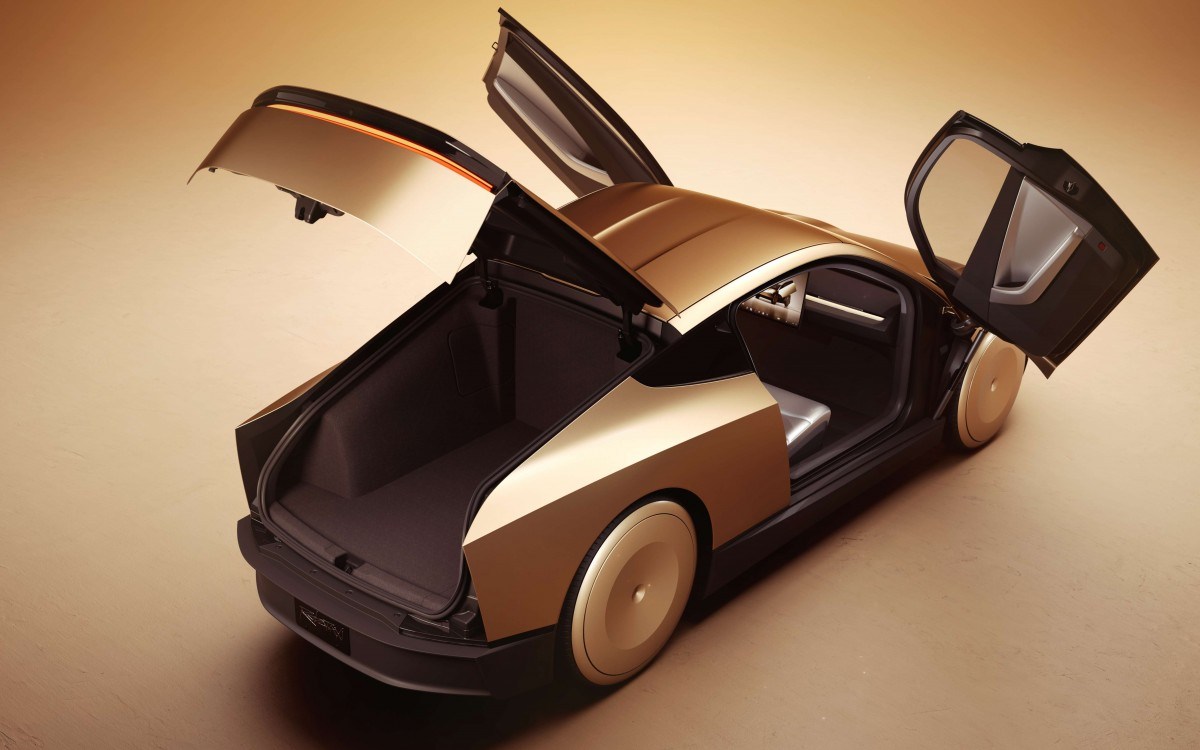
The noise surrounding a permanently wheel-less future has already shown signs of retreat. Prior to the Austin festivities, Tesla Chair Robyn Denholm conceded during an interview that the company was keeping its options wide open, acknowledging that if regulators need a steering wheel, the Cybercab can and will be fitted with one. Automotive spy photographers have repeatedly captured Cybercab engineering mules running around test tracks with conventional steering wheels and physical pedals in place.
This entire saga is magnified by the fact that Tesla has already been running an operational robotaxi pilot for well over a year using ordinary Model Y crossovers. Those production crossovers use the exact same optical camera configuration and the identical HW4 computer brain found inside the Cybercab. Beneath the two-door coupe's dramatic skin, the mechanical and electronic DNA is functionally unchanged. Tesla did not unlock a miraculous leap in artificial intelligence to coincide with the Cybercab. All it did was simply strip the interior out of an existing platform, slap on two dramatic doors, and declare human driving obsolete. The underlying neural nets are still learning the same lessons, stumbling over the same edge cases, and struggling with the same messy weather conditions.
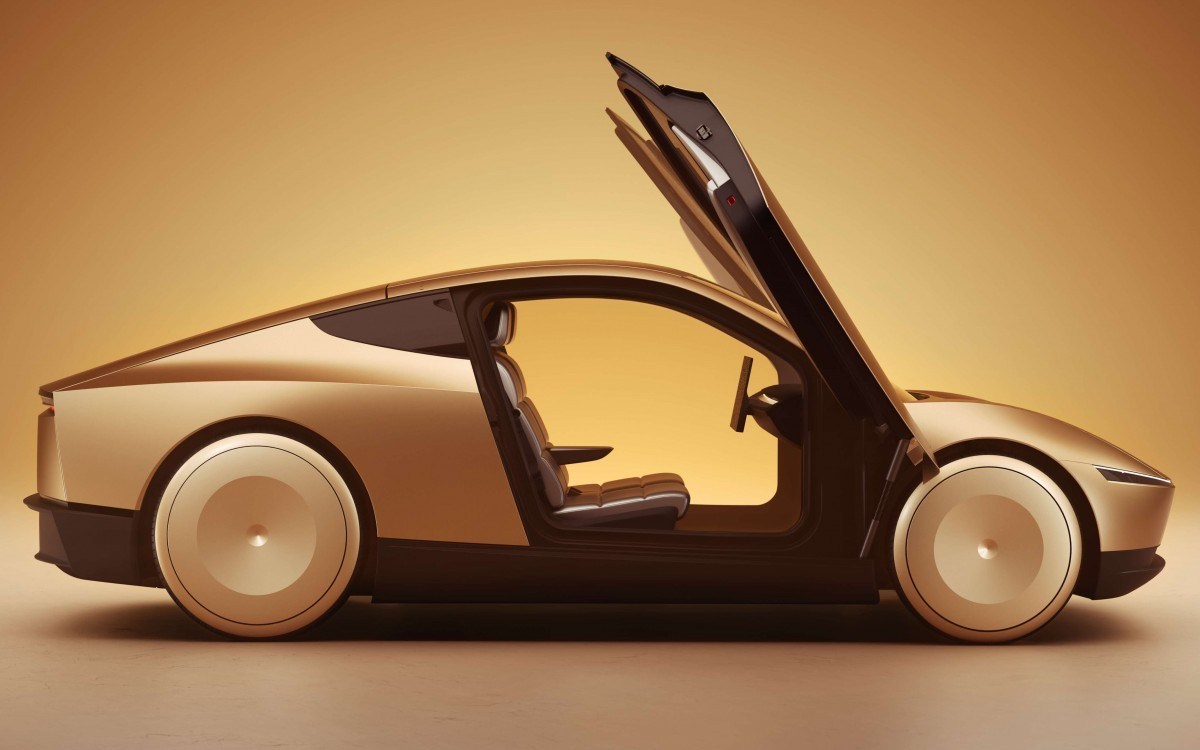
Tesla made its name by engineering machines that made the automotive enthusiast community sit up and pay attention - cars like the original Roadster and the Model S Plaid. Moving away from a high-volume driver's car to bet the entire enterprise on a pod without controls was a wild gamble on a techno dream.
Sitting in that Austin parking lot with a half-frozen camera feed and a touchscreen thumb-pad, the Cybercab revealed a fundamental truth. You can strip out the pedals, unbolt the steering rack, and declare the human obsolete, but when the dream meets the real world, you still end up asking someone to steer.

From the team behind
GSMArena.com
Facebook
Twitter
Instagram
RSS
Settings
Log in I forgot my password Sign up