Xpeng's Yoyo robotaxi service goes live
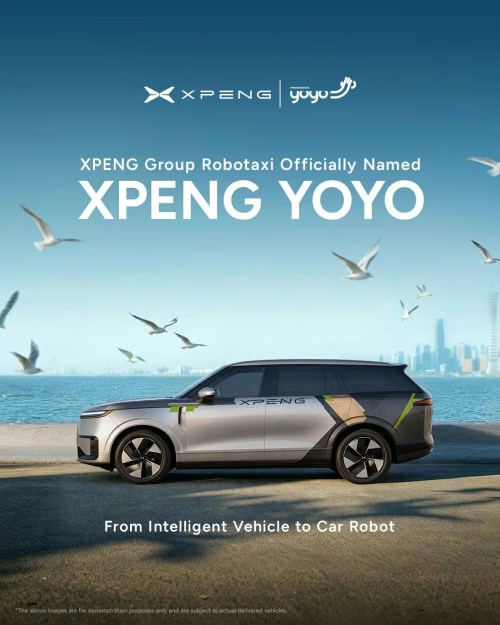
Guangzhou at dusk is a definition of anarchy - electric mopeds fly in all directions, and beat-up delivery vans cut across three lanes without warning. If you ever wanted an autonomous vehicle test ground, the heart of southern China is the best place for it. This is where Xpeng has chosen to kick off an invite-only pilot for its commercial autonomous driving venture under the playful moniker of Yoyo (or Xiaopeng Youyou 小鹏悠游). It sounds almost like a children's toy, but under that friendly branding is a high-stakes gamble that promises to rewrite how we hail a ride.
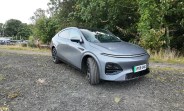
Instead of cobbling together a purpose-built pod or an egg-shaped city runabout, Xpeng drafted their flagship - the GX SUV. Stretching 207.3 inches from nose to tail, spreading 78.7 inches across the beam, and standing 70.9 inches tall, the GX commands right-of-way simply by existing. It rides on a 122.6 inches wheelbase, and tips the scales between 5,930 lb and 6,217 lb for the pure electric variant. Putting a vehicle of this scale into urban taxi duty is brave, to say the least.
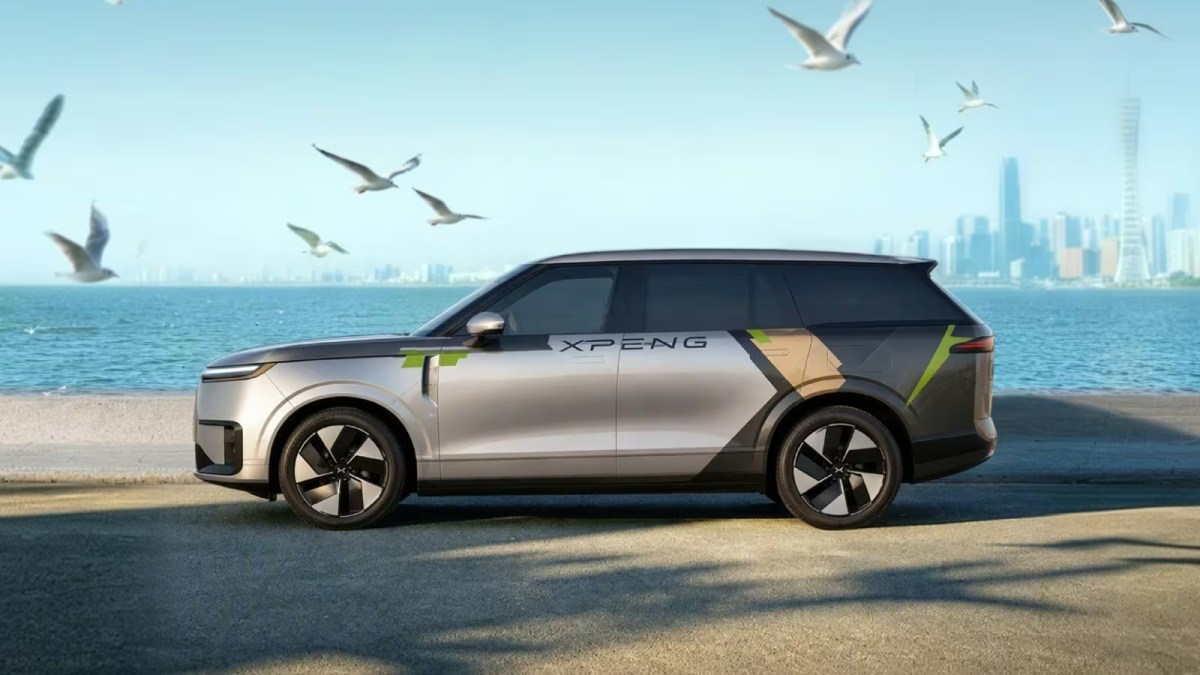
Tesla's veteran, the Model X, looks compact by comparison - it is 199.1 inches long on a 116.7 inches wheelbase, and weighs around 5,401 lb. Nio's executive hauler, the ES8, tops out at 200.7 inches with a 120.9 inches stretch between the wheels. Even Li Auto L9 is shorter at 205.4 inches over a 122.2 inches wheelbase. Western tech giants pour millions into purpose-built, boxy two-seaters to trim every gram, but Xpeng has launched a luxo-barge that outstretches almost every family hauler on the streets.
You can summon the GX through an invitation code in a WeChat app. Mini-programs in China's ubiquitous WeChat act as digital multitools embedded into daily routines, and hailing a Yoyo lets passengers adjust the cabin climate and even trigger a fragrance diffuser well before the doors pop open. Once aboard, you sink into deep zero-gravity captain's chairs, fire up a back massage, and browse media on a huge rear display. The cabin completely insulates you from the honking madness outside, swapping the downtown traffic reality for the isolation of a business-class lounge.
Under all that decadent upholstery is genuine hardware muscle. The dual-motor all-wheel-drive powertrain delivers 577 hp and 513 lb-ft of torque. To keep all that mass from wallowing through sharp city intersections, the chassis uses dual-chamber air suspension paired with active rear-wheel steering.
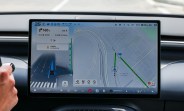
But what truly elevates the Yoyo is the silicon brain dictating every lane change and brake application. Rivals like Waymo and Baidu use LiDAR and pre-map the entire cities, but Xpeng has ditched LiDAR sensors and high-definition maps altogether. It uses an end-to-end vision-only system powered by the brand's second-generation Vision-Language-Action neural model, known as VLA 2.0. The calculations run on four in-house Turing AI chips pumping out a massive 3,000 TOPS. Having piloted Xpeng's VLA on Beijing's choked roads earlier this year, I can confirm that its judgment and assertiveness feel human-like, matching and even outperforming the competition.
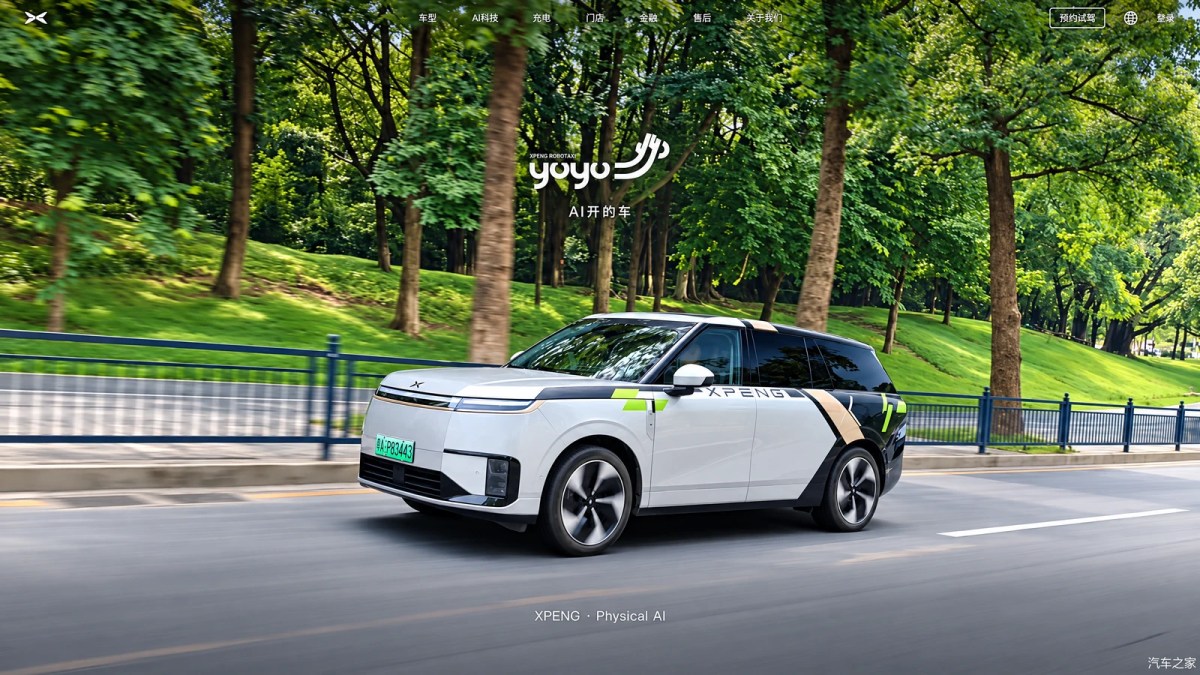
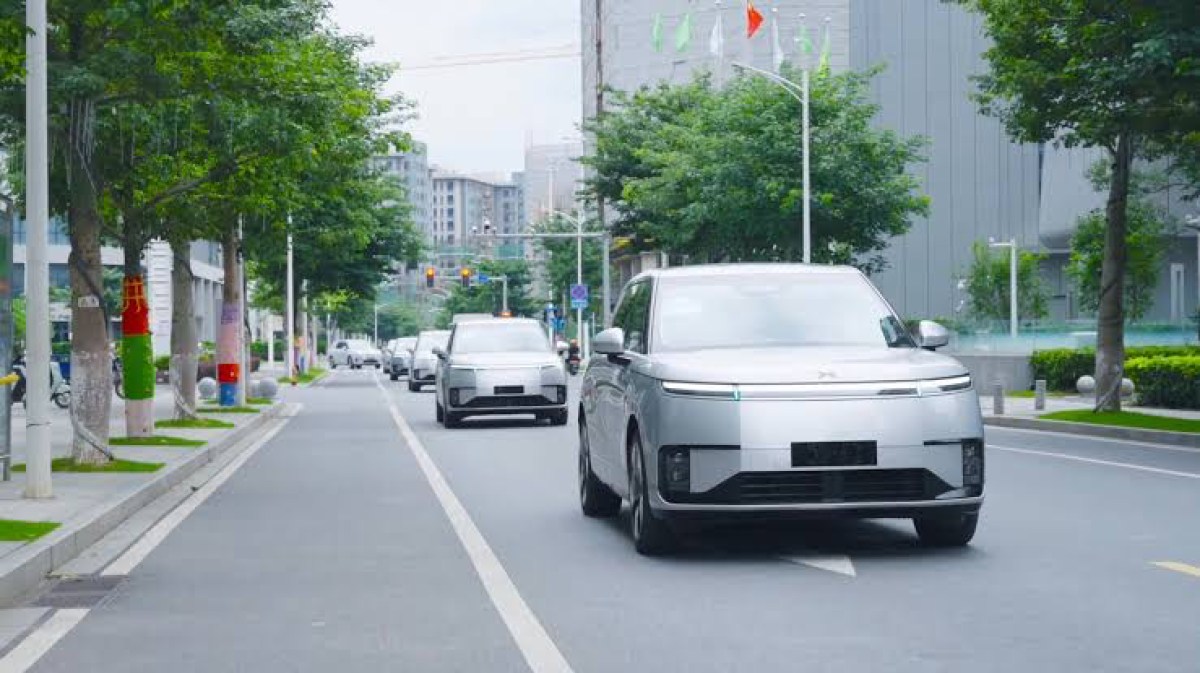
Putting an algorithm in charge of a nearly three-ton SUV without a human hand hovering over the wheel needed serious regulatory backing. After completing more than 2,200 trial runs in Guangzhou, Xpeng secured official qualifications allowing unmanned testing across Class I, Class II, and Class III roads. The entire operation is backed by a cloud-based remote takeover platform, ready to step in if the the onboard vision network gets into trouble. The official timeline is tight: small- to medium-scale demonstration services will expand through 2026, with fully driverless passenger operations starting in 2027.
The brand cut its teeth on the modest G3 crossover before striking proverbial gold with the P7. That was followed by a sobering wake-up call when the original G9 launched with confusing pricing and messy trim structures, prompting an executive overhaul. That misstep delivered an important lesson: building good cars is only half the battle.
Chairman and CEO He Xiaopeng decided on a wider transformation into what the company calls "Physical AI" - from humanoid robots and advanced computing to autonomous mobility ecosystems. Rather than sinking billions into running a capital-heavy taxi fleet on its own, Xpeng is using an asset-light approach: engineering the vehicles, licensing the autonomous software, and partnering with established platforms like Amap and regional taxi operators. The financial roadmap predicts vehicle-level break-even in Guangzhou as early as the second half of 2027, mainly due to high vehicle density across key urban sectors.
But the domestic market is far too crowded to sustain long-term ambition, which is why Xpeng is already laying the groundwork for Yoyo partnerships across Europe, Southeast Asia, and the Middle East. Export markets are expected to deliver the bulk of the company's autonomous operating revenue. A dedicated robotaxi vehicle is due in 2027 to complement the GX, with Xpeng planning to bypass retail networks, and export complete turnkey mobility fleets directly to international operators.

From the team behind
GSMArena.com
Facebook
Twitter
Instagram
RSS
Settings
Log in I forgot my password Sign up