Xiaomi enters its first international market as UAE orders open
The harsh, demanding environment of the United Arab Emirates is where many automakers go to prove themselves. In that respect, it makes for a clever launchpad for Xiaomi's first official overseas adventure. Lei Jun confirmed the company's 2027 international ambitions at the APEC CEO Summit in Shenzhen only days ago, but the real groundwork is happening right now in Dubai. Local distributor Gargash Prime Automotive has opened presales for the brand's entire lineup.
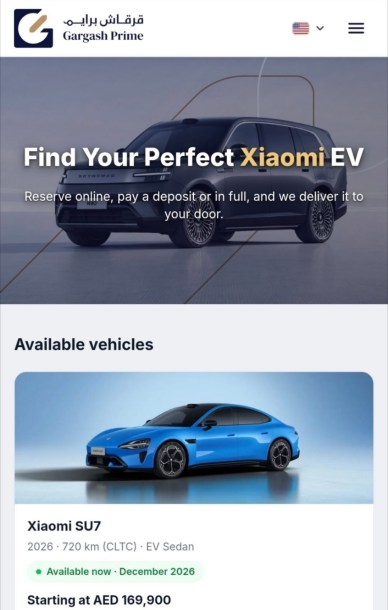
This is the first time the SU7 sedan, the YU7 SUV, and the SkyNomad extended-range SUV have been officially sold outside of China. By offloading the logistics of parts, servicing, and retail infrastructure to an established regional dealer rather than building a direct-sales network from scratch, Xiaomi is shielding itself from the operational risks of a new territory. They're using a wealthy, unforgiving market to stress-test their hardware and customer service channels before they attempt the more complex European market.
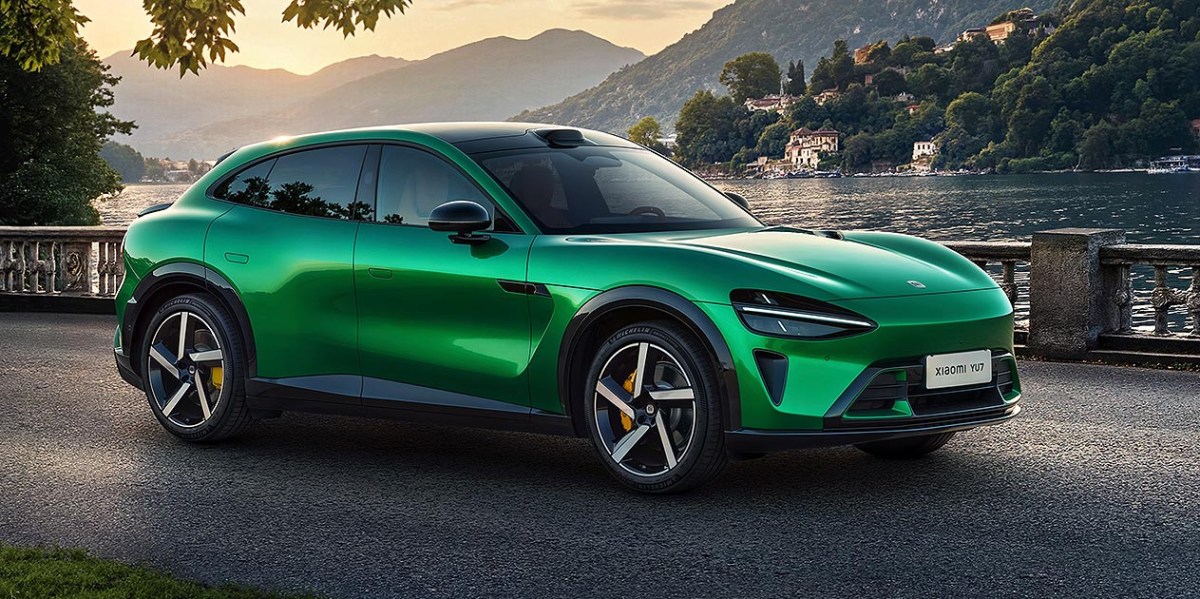
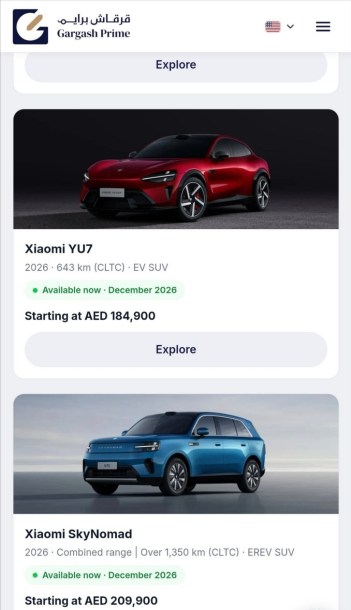
Deliveries for the SU7 Standard, SU7 Ultra, YU7 Standard, and select SkyNomad trims are locked in for December 2026. The rest of the 13 (that's right - Xiaomi has 13 different trims in total) variants will follow in February.
Pricing reveals exactly how Xiaomi views its own brand equity on the global stage, and they aren't playing for the bargain bins. The SU7 Standard kicks off at 169,900 AED, which translates to roughly $46,263, while the flagship SU7 Ultra demands a serious 375,900 AED ($102,355). After currency exchanges, shipping logistics, and local export duties, these prices come with a steep 40% markup over the Chinese market. Xiaomi isn't even trying to undercut premium players in Dubai - they've chosen to price themselves alongside them.
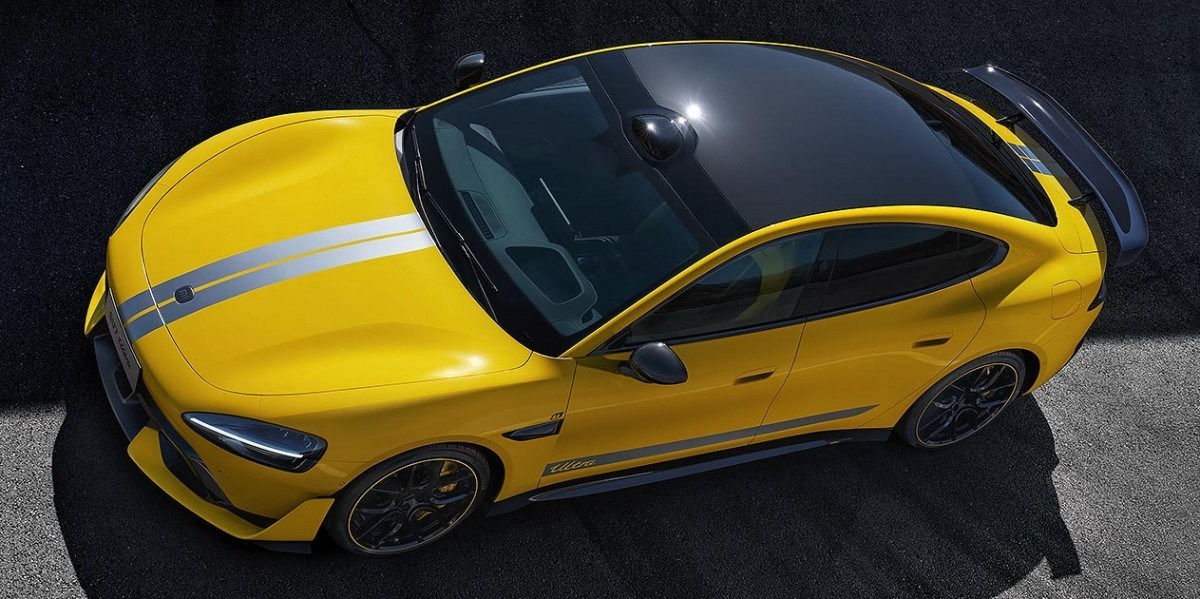
Asking buyers to spend six figures on an electric sedan from a manufacturer best known in the West for producing affordable smartphones needs a lot of confidence in the product. You can't rely on decades of heritage to sell a $102,355 car. That means the chassis engineering, the digital software integration, and the quality of the cabin materials all have to justify the financial leap without a moment of hesitation from the buyer. Leasing options provide an alternative entry point. You can get into the base SU7 starting at 3,899 AED ($1,062) a month.
The YU7 SUV takes the same formula and applies it to the highly lucrative family-hauler segment, starting at a rather bold 184,900 AED ($50,347). YU7 is a substantial piece of machinery - 196.8 inches in length and 78.6 inches across, and it has the same 118 inches wheelbase found on the sedan. If you happen to park it next to a Tesla Model Y, the size difference is pretty obvious. The standard Model Y is more compact at 188.6 inches long and 75.6 inches wide, sitting on a shorter 113.8 inches wheelbase. The YU7 pushes firmly past the compact class into mid-size luxury dimensions.
What genuinely borders on the absurd is the performance of the YU7 GT. With 738 kW (990 hp) and a peak torque output of 788 lb-ft, it delivers the kind of experience that would have shamed supercars only a few years ago. We have somehow reached an era where thousand-horsepower outputs are casually bolted into daily-driven family transport. It is a shocking amount of power for a vehicle meant to tackle the school run. It demands absolute respect from whoever happens to be sitting behind the wheel.
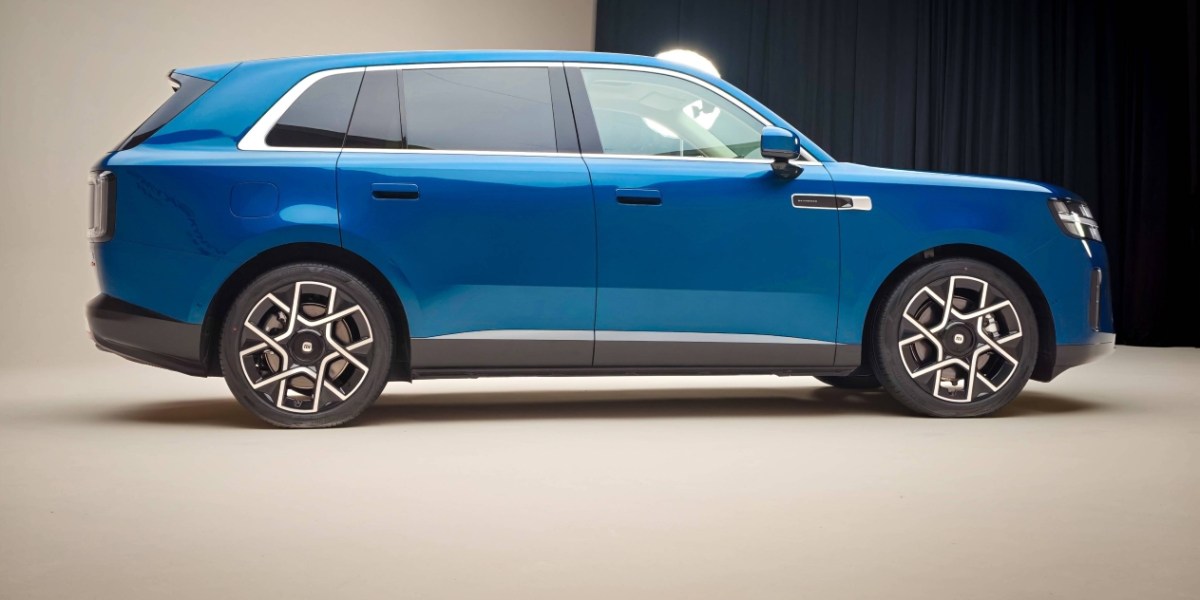
I'm actually far more intrigued by SkyNomad. It is Xiaomi's highly pragmatic answer to range anxiety. Sticking a 1.5-l turbocharged petrol engine under the hood as a generator is a proven and effective bridge for buyers not ready to rely entirely on public charging infrastructure. The entry-level five-seat SkyNomad N70 has a starting price of 209,900 AED ({{57,155 USD}}) - that's an 81% premium over its domestic price tag.
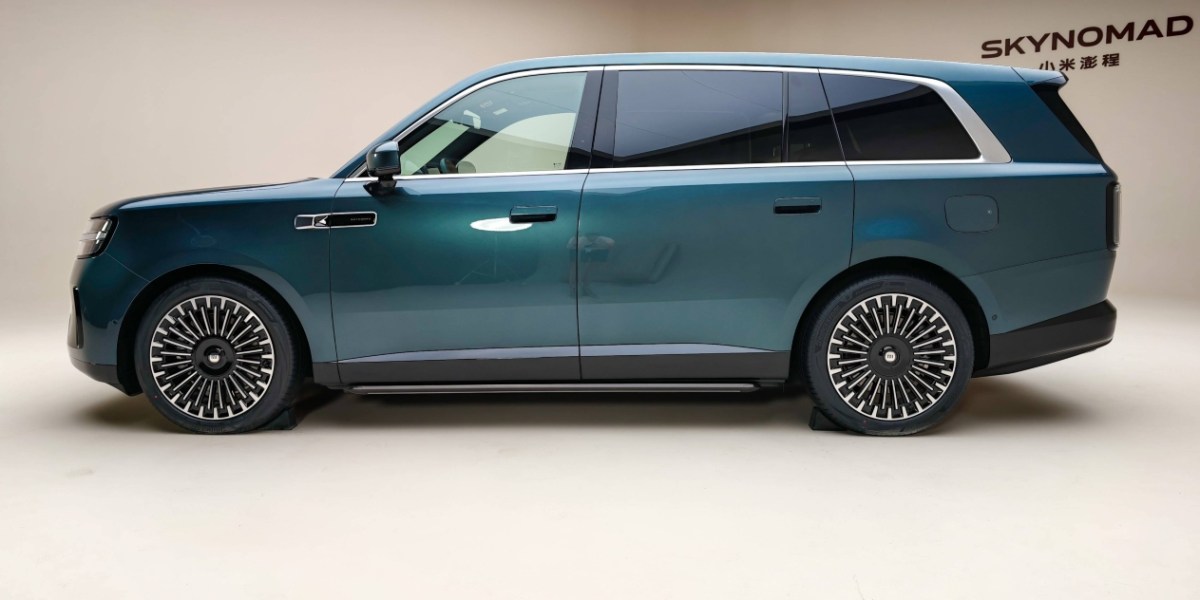
If you go for the seven-seat N90, you're looking at a vehicle of massive proportions. It stretches out to 208.1 inches in length with a sprawling 121.3 inches wheelbase, and a weight of 6,261 lb. That puts the N90 in direct contention with the Li Auto L9, another extended-range leviathan. The L9 is similarly vast, measuring 206.9 inches long with a 123 inches wheelbase, and weighing in at 6,250 lb.
These aren't just cars - they are mobile living rooms designed to isolate occupants from the outside world. The N90 has a 76 kWh NMC battery pack that delivers between 226 miles and 230 miles of pure-electric range under the WLTP testing cycle. Once that charge depletes, the petrol generator takes over. It draws from a 60-l fuel tank to push the combined WLTP range to a more reassuring 825 miles, or an advertised 1,059 miles on the more optimistic CLTC cycle. It's a complex and heavy drivetrain solution that took a lot of calibration to keep the combustion engine's vibrations out of the cabin. But for owners regularly crossing the long, desolate highway stretches of the Middle East, it offers total peace of mind.
Gargash Prime Automotive provides the necessary safety net for early adopters. They're advertising warranties of up to five years or 93,200 miles, with maintenance covering the first 37,300 miles. But this distributor-led rollout is only the opening act. Xiaomi is slowly piecing together the logistical puzzle for its European assault in 2027.
Back in September, they signed memorandums of understanding with eight German dealer groups, including heavyweights like Emil Frey and LUEG. Their recruitment of automotive legal and finance personnel in Sydney, Australia, strongly suggests they are preparing the groundwork for right-hand-drive markets. Lei Jun is playing a patient, strategic long game. The hardware is serious, and the pricing proves they aren't hunting for bargain buyers.




From the team behind
GSMArena.com
Facebook
Twitter
Instagram
RSS
Settings
Log in I forgot my password Sign up