Tesla’s European FSD push stalls
The reality of driving in Europe is something that no line of Silicon Valley software code has quite managed - not yet. Squeezing down old and narrow cobblestone alleys, dodging delivery vans, and avoiding cyclists that tend to pop out of nowhere is a high-stakes gamble that we all take part in every day.
Out here, the roads do not play to the same rules as the sun-drenched grid of a California boulevard. It is a centuries-old maze where the social rules of driving change from one postal code to the next. So when an automaker insists that machine vision and neural networks can conquer this Old World madness, my internal skeptic redlines. Silicon Valley's creed of moving fast and breaking things works wonders for social apps, but put that ethos to two tons of electric car in a tight European capital, and reality pushes back - hard.
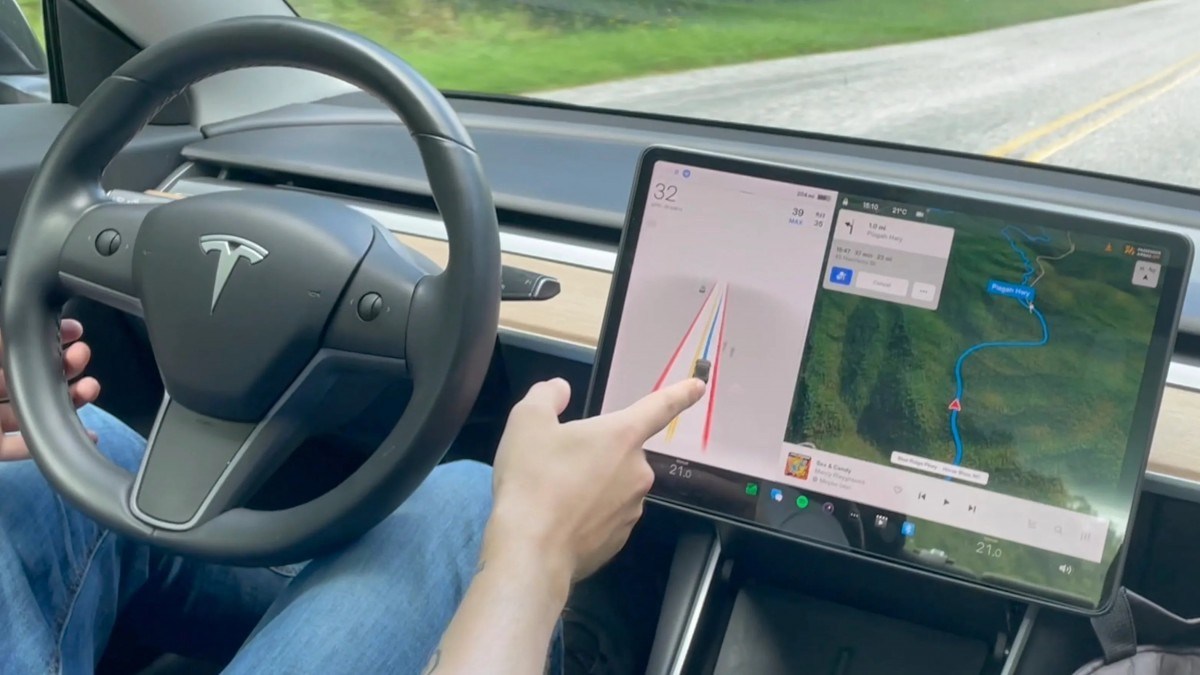
That collision between techno-optimism and cobblestone reality arrived courtesy of Johanna.be, an independent Belgian advocacy group championing pedestrian and cyclist safety. Over three days in July, testers logged roughly 249 miles navigating the tight, pedestrian-heavy streets of Brussels behind the wheel of a Tesla running Full Self-Driving (Supervised). The idea was simple: evaluate how FSD performs where vulnerable road users are most exposed.
The results they got back were bad - across the tested stretches zoned strictly for 19 mph, Tesla's system exceeded the legal limit for 55% of the time, casually cruising at an average clip of 27 mph. In residential shared spaces - the tranquil "woonerven" where children play, and the legal limit crawls at 12 mph - the car blasted through the threshold in 42% of trials.
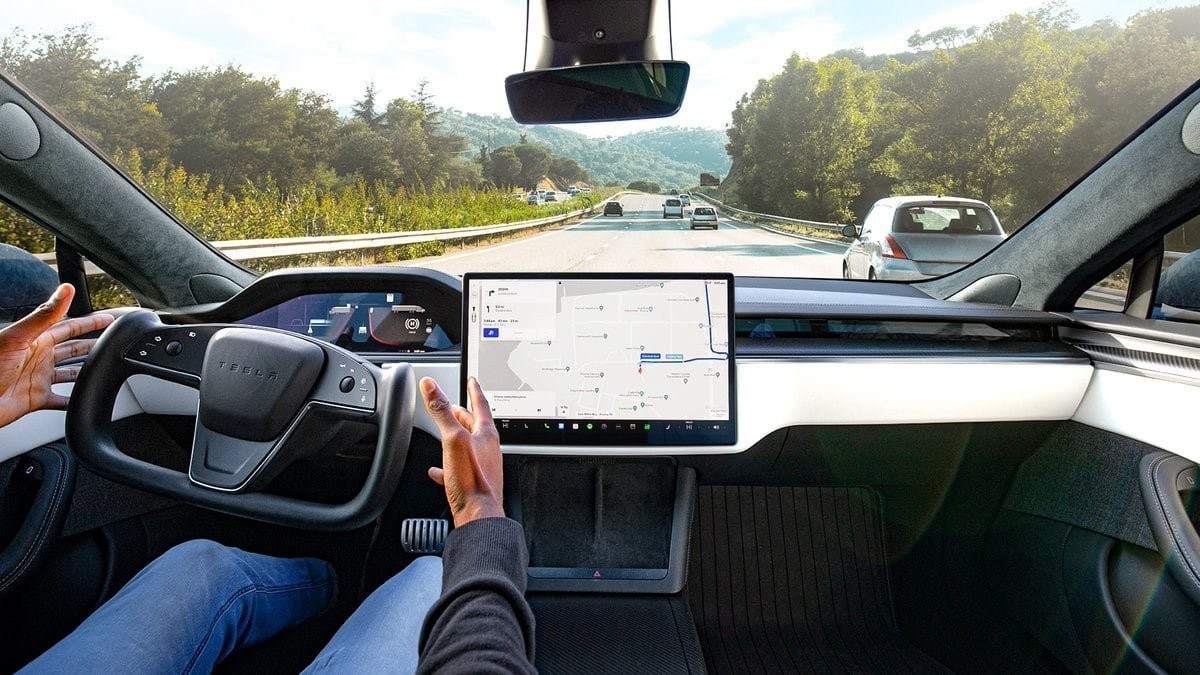
The cause of this lead-footed behavior was shocking - the car was simply oblivious to the law. On the vehicle's giant center screen, the digital speedometer regularly showed a 31 mph limit while the car was within a designated 19 mph zone. Worse still, testers documented the vehicle repeatedly trying to muscle past cyclists on narrow "fietsstraten" - designated cycle streets where Belgian traffic law explicitly bans cars from overtaking bicycles under any circumstance.
I think we all can agree that true roadcraft is about restraint. When you get behind the wheel of an electric car with hundreds of electric ponies ready to go wild at a toe-tap, you need serious discipline. Handing that responsibility to a machine that cannot tell the difference between a sign and a lamppost is madness. Tesla even eliminated the option that previously allowed drivers to hard-cap their maximum speed to the posted limit, leaving the car free to decide whatever speed feels natural. When the software gets it wrong, the car goes, and the driver pays the fine - or becomes responsible for a collision. BMW, Mercedes-Benz, and Polestar team up their advanced driver aids with LiDAR and radar sensors. Tesla relies on optical cameras and algorithmic guesswork, turning tight European streets into a gamble that we really don't need. And that gamble has officially hit a brick wall.
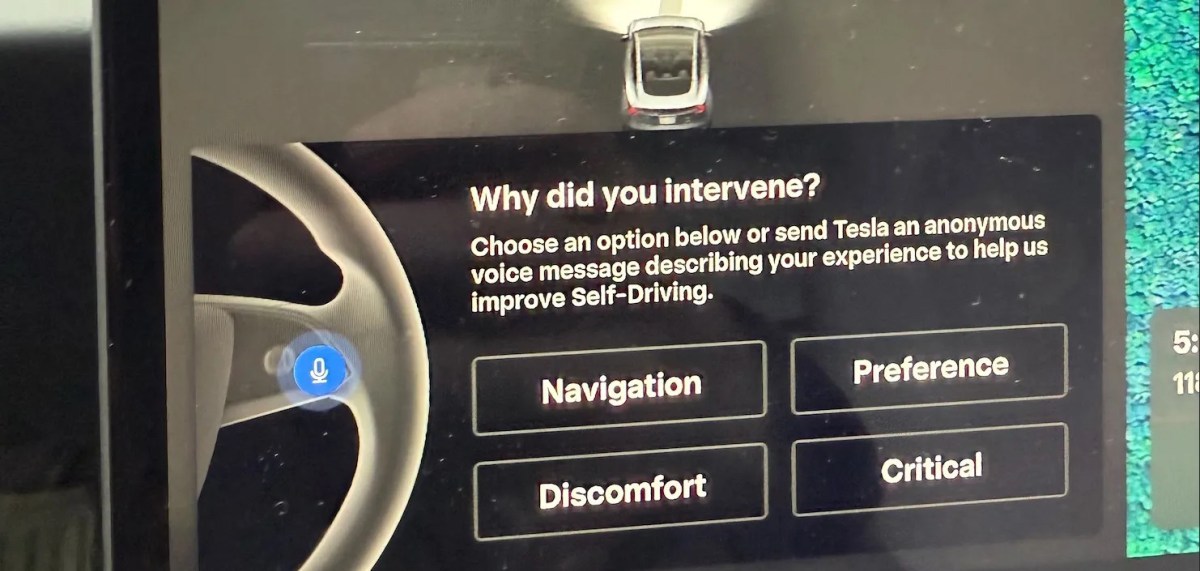
Tesla has already announced that the European Union would hold a bloc-wide vote on approving FSD on October 6. But the draft agenda for the 119th meeting of the Technical Committee on Motor Vehicles (TCMV) reveals that Brussels is not playing along. Item 3 on the docket is scheduled for a 25-minute chat right before the bureaucrats break for lunch, and that item is "a continuation of discussions regarding the Dutch Article 39 authorization request." Tesla is not even mentioned by name. There will be no vote on October 6, and the committee does not get together again until December at the earliest, kicking any pan-European green light well into 2027, destroying Tesla's hype cycle in the process.
The Dutch vehicle authority (RDW) granted provisional approval back in April under Article 39 of Regulation 2018/858 - the standard exemption for new tech that does not fit into existing rules. Since then, Denmark, Belgium, Estonia, Lithuania, Slovenia, and Czechia have recognized that clearance. That sounds like a great momentum - until you realize those seven nations represent roughly 53 million people, or 12% of the European Union's population. To secure an EU-wide mandate, the proposal needs a majority of at least 15 member states representing 65% of the bloc's population.
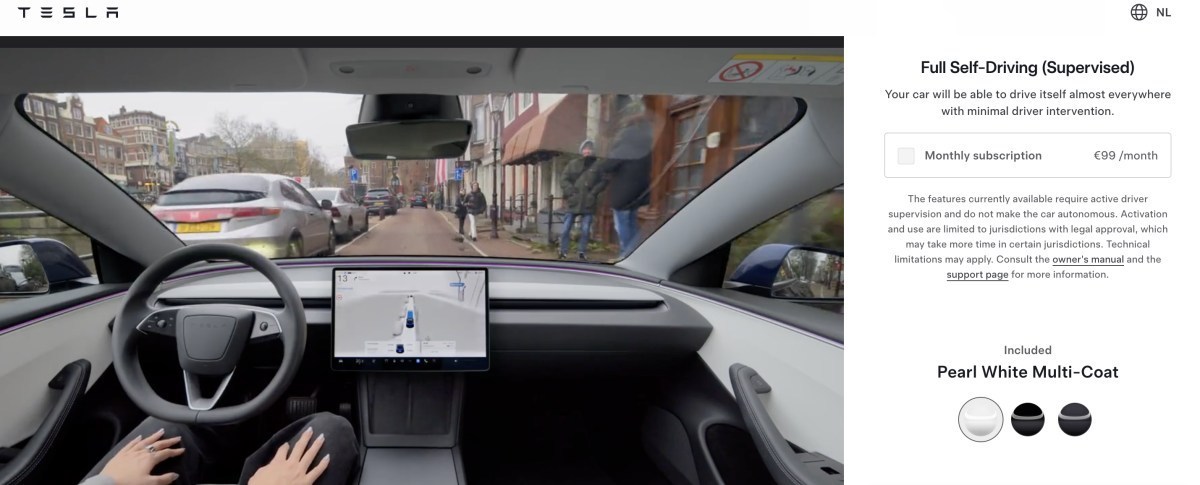
France slammed the door shut over urban speeding and driver distraction. Germany, Italy, and Spain have refused to endorse the Dutch paperwork. Together with France, those four countries represent roughly 58% of the EU population. Which makes Tesla's required 65% threshold impossible without serious concessions.
This entire saga reveals an ongoing identity crisis within Tesla. The brand earned its reputation by turning the automotive world on its head. We fell in love with its cars because it was a triumph of electric propulsion that genuinely humiliated supercars. But the company's wild pivot away from vehicle manufacturing toward a speculative robotaxi empire has blinded it to automotive realities. In the US, a lenient regulatory patchwork allowed Tesla to treat public freeways as an unpaid beta-testing laboratory. Europe plays by an entirely different rulebook. Out here, you do not launch half-baked autonomy onto public roads and expect citizens to act as test subjects.
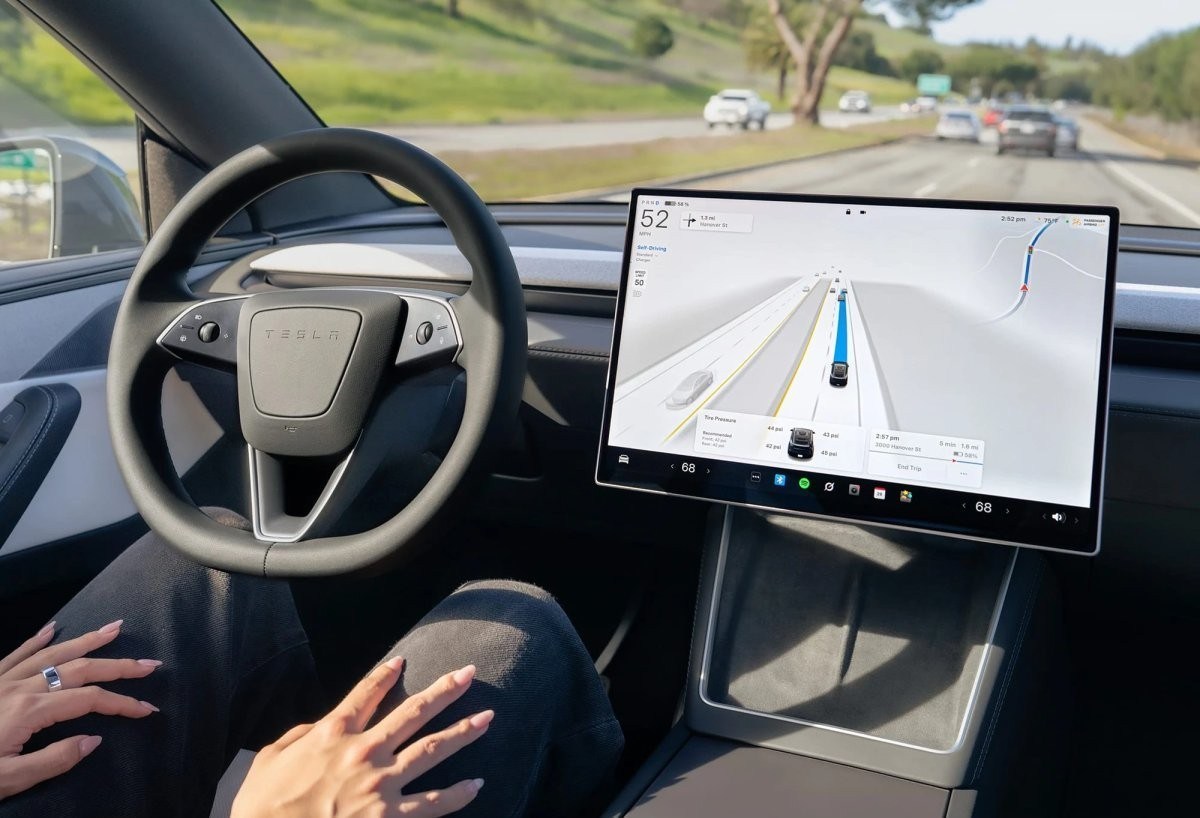
The World Health Organization data used by the Brussels safety group shows that a pedestrian struck by a vehicle traveling at 27 mph is nearly six times more likely to die than someone hit at 19 mph. Brussels implemented the 19 mph limit in 2021 to cut fatal accidents. Tesla's argument that its fleet mirrors the speed of surrounding traffic is an embarrassing misfire. Cities dropped their speed limits because human drivers were driving too fast. How can you build a multi-billion-dollar neural network just to emulate the reckless driving habits of some people, and call it an innovation?
We love electric cars for their instant torque, low centers of gravity, and whisper-quiet surge that makes a weekend blast down a mountain pass so much fun. We want intelligent driver assistance that reduces fatigue during a tedious motorway drive. But we also need to know that the machines sharing our streets respect the law, and the vulnerable road users cycling alongside us. Europe's decision to delay the TCMV vote until December is a necessary reality check. If Tesla wants to conquer the Old World, it will have to put away the Silicon Valley arrogance, drop the software excuses, and build a system that can reliably perform the simplest task in driving: reading the road signs.

From the team behind
GSMArena.com
Facebook
Twitter
Instagram
RSS
Settings
Log in I forgot my password Sign up