Tesla's self-driving dreams hit regulatory potholes and licensing dead ends
An announcement from Tesla about its advanced driver assistance system, Full Self-Driving (Supervised), set off a brief wave of excitement across Europe. The EV maker claimed that the Netherlands' vehicle authority RDW had agreed to grant national approval for the system by February 2026. For European EV owners who have waited years for the full capabilities of FSD, this seemed like a major breakthrough.
Unfortunately, this being Tesla, that excitement quickly turned into confusion when the RDW itself stepped in to deny the claim. The regulator clarified that it had established a schedule with Tesla for the company to demonstrate the system's safety in February 2026, but this was not a promise of actual approval.
To get around the notoriously slow process of EU-wide rules, Tesla is trying a new tactic: seeking a "national exemption" in a single country, like the Netherlands. The company hopes that once the Netherlands grants this pass, other European Union member states will quickly follow suit, creating a fast-track, domino effect for a wider launch.
Tesla has been working hard toward shipping Full Self-Driving (Supervised) in Europe for over 12 months now. We have given FSD demos to regulators of almost every EU country. We have requested early access, pilot release programs or exemptions where possible.
— Tesla Europe & Middle East (@teslaeurope) November 22, 2025
We have developed…
Tesla argues that many current rules for advanced driving features are "outdated" and that changing the FSD software to meet every single one would make the system "unsafe and unusable" for drivers. Instead, the company wants approval rule-by-rule. As proof of the system's ability, Tesla has already conducted internal testing that covered over 1 million kilometers across 17 European nations. What the company did not share, however, was any data about how often a human driver had to take over during those test drives.
This new timeline, even with the RDW's clarification, is being met with a lot of doubt from longtime industry watchers. Tesla CEO Elon Musk has made big promises before that did not pan out. Back in early 2022, he suggested FSD would launch in Europe that summer. It did not happen. A more recent promise pointed to an early 2025 release, which also came and went.
The challenges for Tesla are not limited to Europe's roads. The company's long-standing pitch that it is not just an EV manufacturer, but an "AI and robotics company," is weakening in the face of marketplace reality. The idea that every other major automaker would eventually be forced to license FSD technology to survive attracted more Tesla investors.
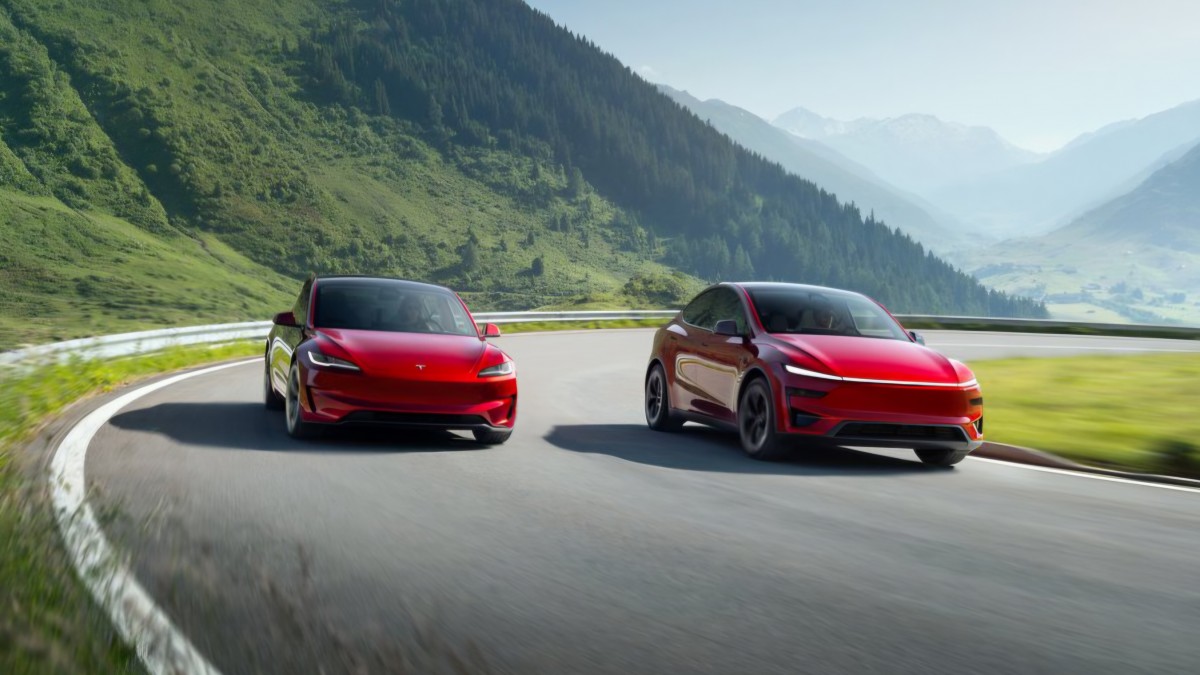
After years of boasts and hints about deals, Mr. Musk finally admitted a striking truth: no one wants the software. He claimed that the other automakers asked for "unworkable requirements." We now know what those requirements likely were. Ford CEO Jim Farley, who was likely one of the executives in those talks, publicly threw cold water on the idea, stating clearly that he believes Waymo is better.
The conflict between Tesla and the legacy auto industry boils down to safety and legal responsibility. Traditional automakers, such as Mercedes-Benz, follow a slow, rigorous "V-model" of testing and safety validation. When Mercedes-Benz released its true Level 3 Drive Pilot system, the company agreed to take full legal liability for the car when the system is engaged.
Tesla's strategy is far different. It uses an "aggressive deployment" approach, releasing the "Supervised" software directly to customers and relying on them to help validate the system's real-world performance. This has led to a string of federal investigations and lawsuits. Just this month, Tesla settled a major lawsuit involving a Model Y on Autopilot crashing into a stationary police vehicle.
I’ve tried to warn them and even offered to license Tesla FSD, but they don’t want it! Crazy …
— Elon Musk (@elonmusk) November 24, 2025
When legacy auto does occasionally reach out, they tepidly discuss implementing FSD for a tiny program in 5 years with unworkable requirements for Tesla, so pointless. 🤷♂️
🦕 🦕
The settlement avoided a public jury verdict, but it signaled to the broader industry that Tesla knows it faces risk in court. Automakers do not want to license a system that may require them to pay for mistakes, making a request for indemnification an "unworkable requirement" for Tesla.
The brand's troubles go beyond software, too. A recent TUV report from Germany showed that two of the most popular EV models, the Model Y and the Model 3, are also the two most likely to fail their annual technical inspection tests in the country. Between regulatory battles, licensing failures, and mounting maintenance concerns, the road ahead doesn't get any easier for Tesla.

Reader comments
- Anonymous
- AfM
Maybe, just maybe if you can't drive a vehicle, you should sit on the passenger side or in the back - just sayin
- Sam
- IbF
You just don't realize how great is FSD. I use it everyday and it makes driving fun and easy.
- Anonymous
- iJp
Crazy thought. How about dealing with all the wrongful death lawsuits and demonstrate an extended period of time with no major injuries or fatality in the real world before even considering getting approval for further rollout.

From the team behind
GSMArena.com
Facebook
Twitter
Instagram
RSS
Settings
Log in I forgot my password Sign up