The breakthrough lithium-sulfur battery promises 5 times more capacity
Down Under, something electrifying is brewing, and no, it's not another Crocodile Dundee movie. Australian researchers are boasting of a major leap in the battery world, potentially changing the game for electric vehicles and smartphones alike. The name of the game changer? The lithium-sulfur (Li-S) battery.
Developed at Monash University in Melbourne, the newly minted Li-S battery design offers an impressive array of advantages over the traditional lithium-ion batteries we've all come to know (and sometimes, grudgingly, replace). Holding a whopping five times the energy while ringing in at half the cost, the new battery tech looks like the Holy Grail the world has been looking for.
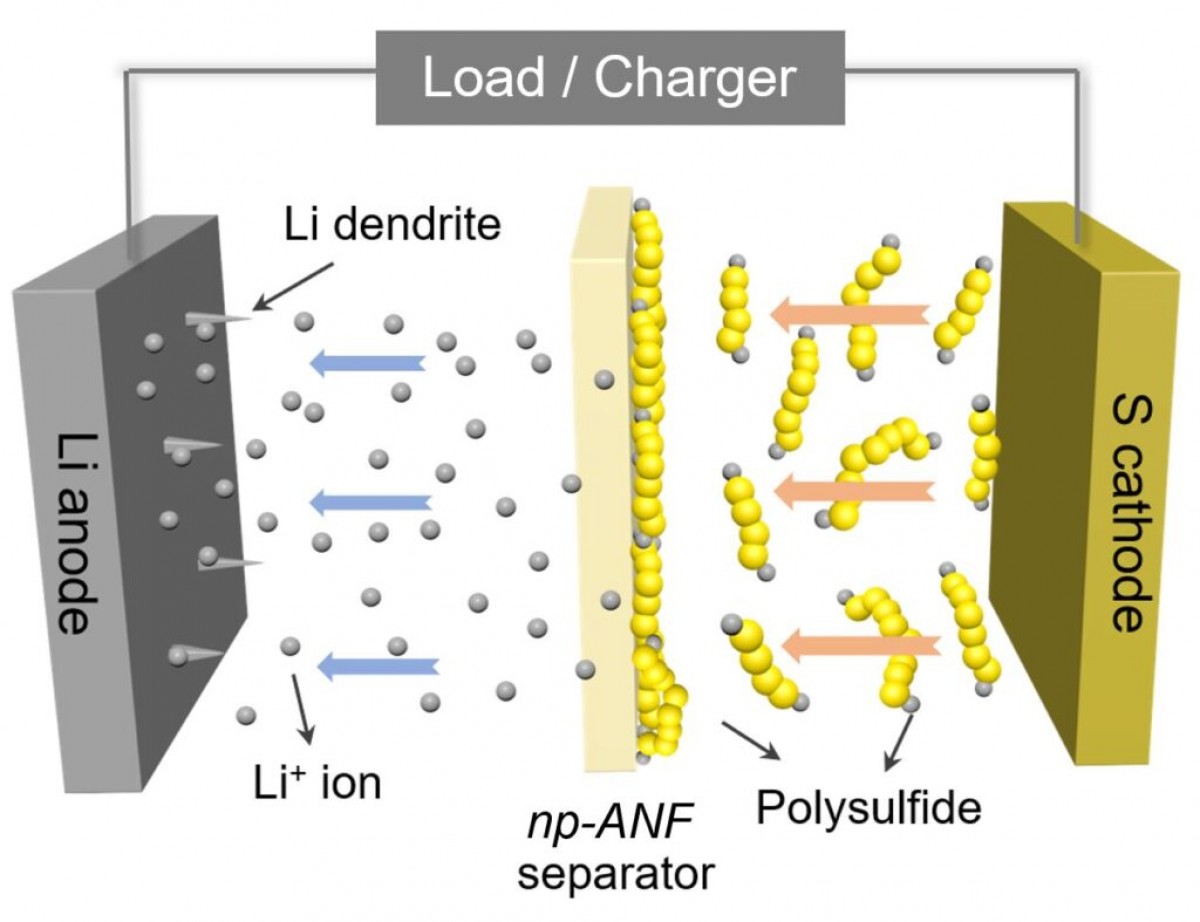
The nitty-gritty of this advancement revolves around reducing the amount of lithium used and significantly bolstering the battery's lifespan. But it's not just the enhanced longevity that's drawing attention. These Monash wizards have introduced a "nanoporous polymer-coated lithium foil anode," which, in simpler terms, is a snazzy new design that's easier on the wallet and packs more energy.
Historically, Li-S batteries had some, let's call it, "unwanted chemistry." When the lithium anode and sulfur cathodes decided to mingle, they spawned dendrites - treelike structures - which would degrade the battery and the electrolyte. As a result, these batteries would sometimes call it quits after a measly 50 cycles. And in a rather dramatic exit, sometimes they'd even short-circuit and set the flammable electrolyte ablaze. Sounds like a dramatic soap opera in Battery Land, right? Well, lithium-ion batteries aren't innocent either, occasionally going up in flames.
However, the Monash researchers, led by the ever-enthusiastic PhD student Declan McNamara, devised a remedy to these melodramatic issues. Their polymer coating, thinner than a sheet of paper and full of minuscule holes (less than a nanometer wide), acts as a warden of sorts. It permits lithium ions to roam freely while obstructing other meddlesome chemicals. According to McNamara, this coating not only acts as a jailer but also as a support system, aiding lithium in its charging and discharging escapades.
"If you think of metallic lithium as a teen with boundless energy, a bad battery just lets that energy go wasted," explains McNamara, "However, if harnessed right, this energy can lead to outstanding storage devices that are simple to create. This new coating gets us closer to manufacturing efficient Li-S batteries."
Backing McNamara, Professor Mainak Majumder points out that the study lays down a novel blueprint to guard Li-metal from rapid decay, previously the proverbial Achilles' heel of Li-S batteries. According to Professor Matthew Hill, another member of the think-tank, these batteries could be the next big thing for a market that's hungry for advanced energy solutions, particularly as the demand for electric vehicles, aircraft, and electronics surges.
Now, while the Li-S battery is currently soaking up the limelight, it's essential to remember that the battery universe is vast. Other budding contenders like zinc-ion, sodium-ion, and iron-air are also vying for a slice of the pie, eager to challenge lithium-ion's long-standing reign.




Reader comments
- Steamy
- 7Bq
Well it's new haha, how you expect it to be a tech that has been around and not being used when it was just developed give it time we will see

From the team behind
GSMArena.com
Facebook
Twitter
Instagram
RSS
Settings
Log in I forgot my password Sign up