Xiaomi targets half a million electric cars sold in 2026
It was not long ago that Xiaomi was only known for making smartphones and affordable fitness trackers. Now, the tech giant is proving that it can build electric cars just as fast as it builds phones. During a recent live stream, Xiaomi CEO Lei Jun shared some big news about where the company is headed. The brand wants to deliver 550,000 EVs in 2026 - a big step up from the already high numbers they saw in 2025.
To understand why this number is so large, we have to look at what Xiaomi did last year. For 2025, the company originally set a goal to deliver 350,000 electric cars. They hit that goal in early December, which was much earlier than anyone expected. By the end of 2025, the company delivered more than 410,000 units. To go from 410,000 to 550,000 in just one year means the company expects to grow by about 34%. That is a lot of new EVs hitting the streets in a very short amount of time.
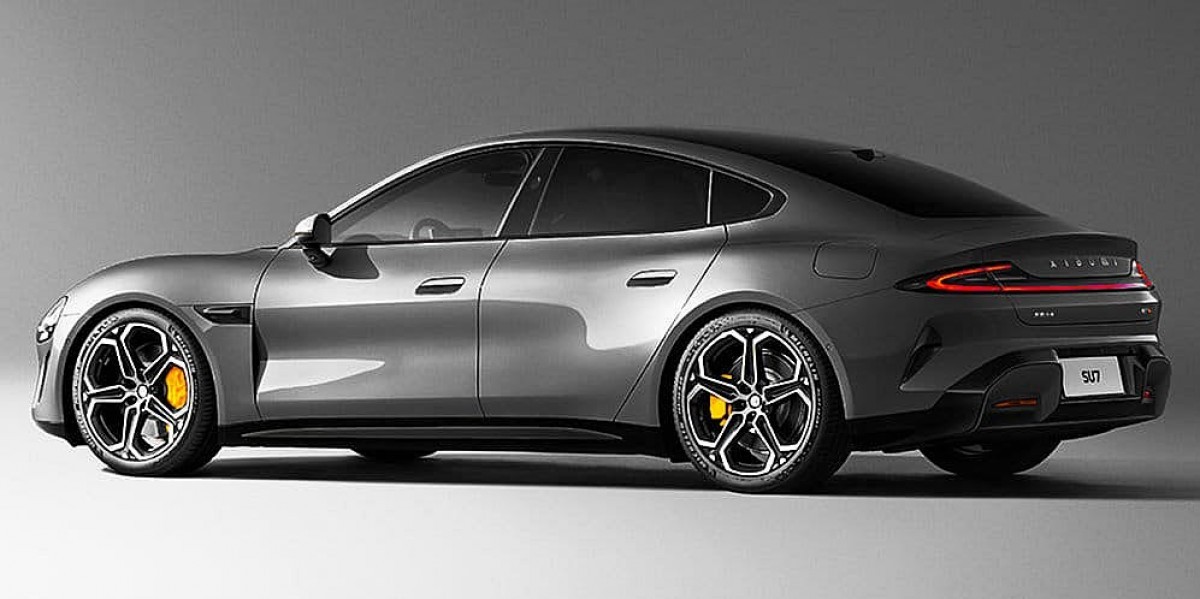 Xiaomi SU7 MAX - source: Xiaomi
Xiaomi is still a very new name in the world of electric cars. The company officially said it would start making cars on March 30, 2021. Many people thought they were starting too late because other Chinese brands and Tesla were already very popular. But Xiaomi proved the doubters wrong by becoming one of the fastest-growing brands in the industry. They even managed to make money sooner than most new car companies. In the third quarter of last year, the EV unit reported its first profit after delivering 108,796 cars.
Right now, if you want a Xiaomi car, you usually look at the SU7, a sleek electric sedan, or the YU7, which is a larger SUV. These two models have been the main reason for the company's quick success. But Xiaomi knows that it needs more variety if it wants to reach that 550,000 delivery goal in 2026. Buyers like choices, and the company is getting ready to provide several new ones.
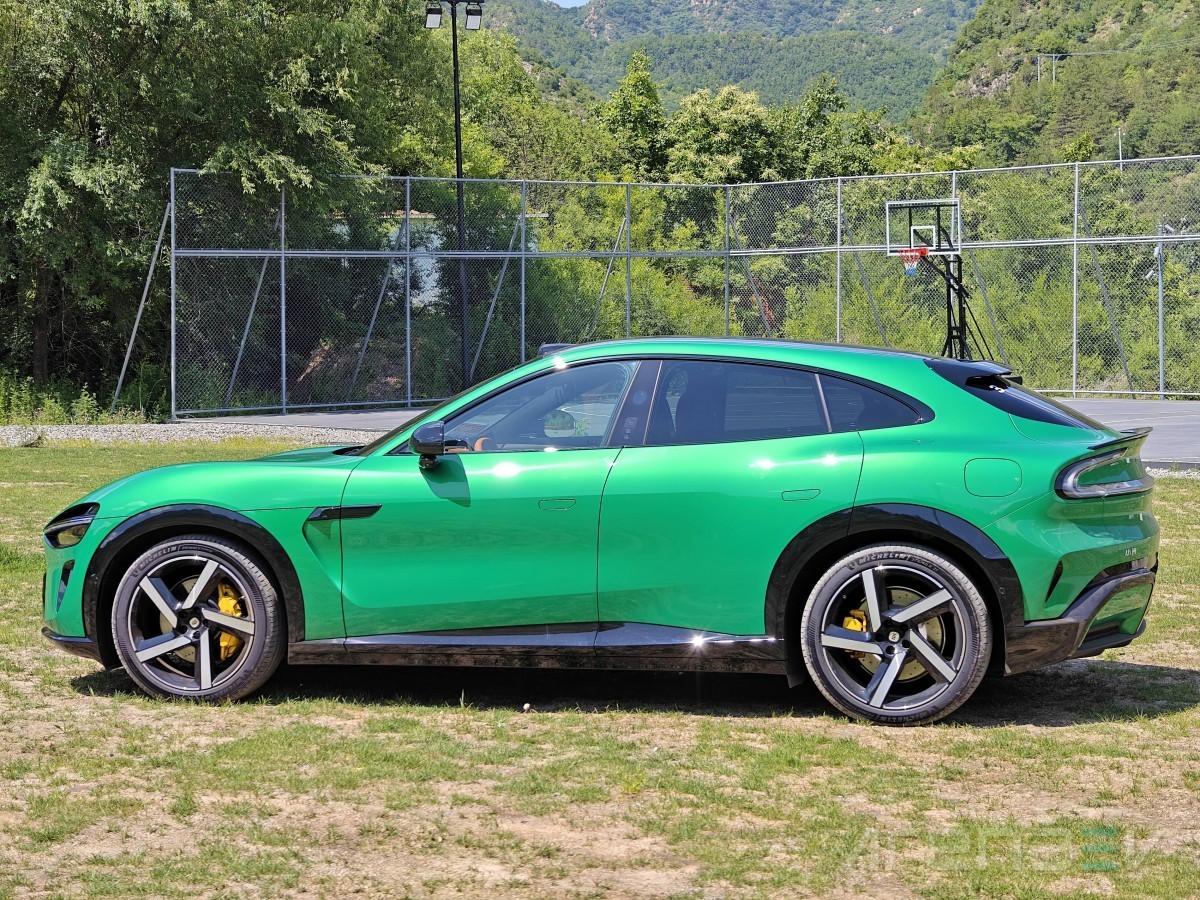 Xiaomi YU7 - source: ArenaEV
The plan for 2026 includes four new models to keep customers interested. First, the company will update its popular SU7 sedan with a facelifted version. They also plan to release an "executive" version of the SU7 for people who want more luxury.
The biggest change is the move toward "extended-range" vehicles. Unlike pure electric cars that only run on a battery, these use a small gasoline engine to charge the battery while driving. This helps people drive longer distances without worrying about finding a charging station. Xiaomi plans to launch both a five-seat and a seven-seat version of these extended-range SUVs.
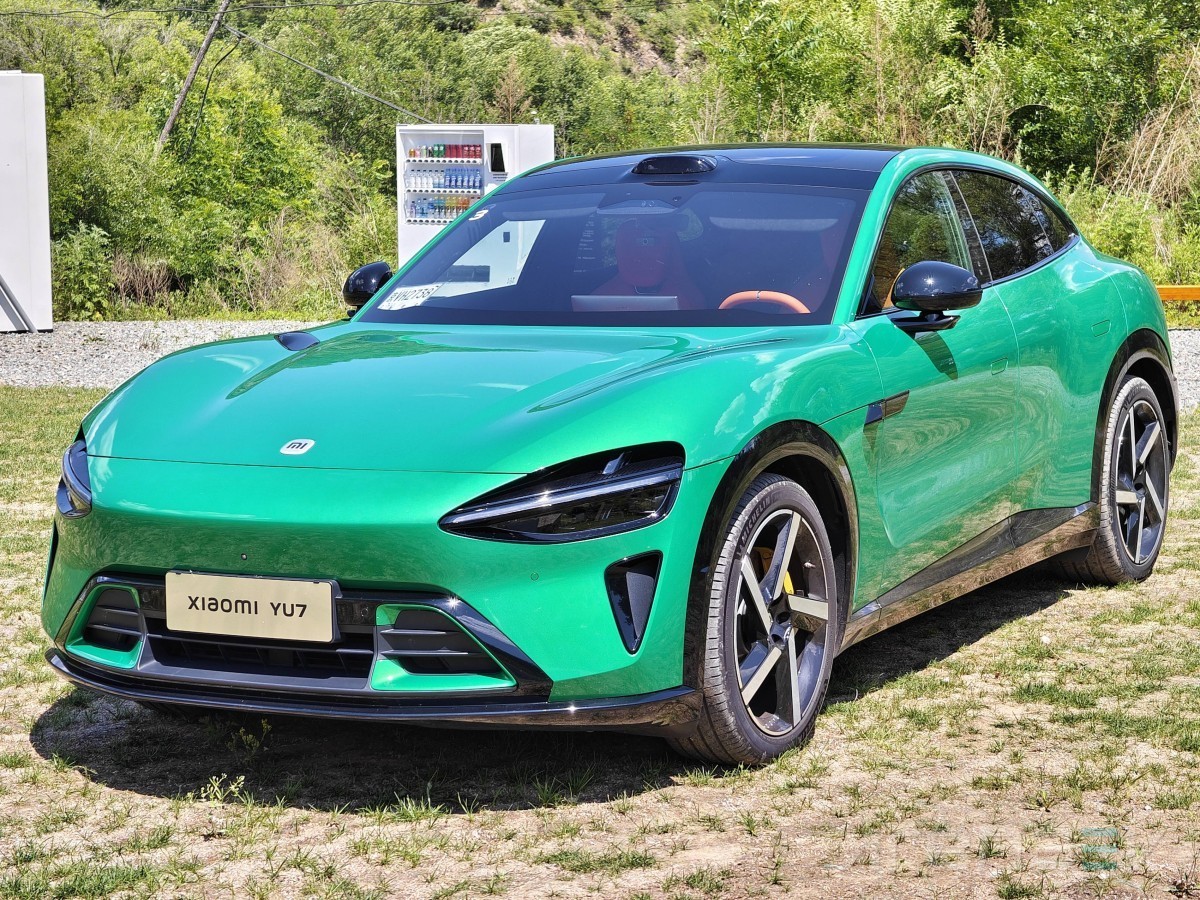 Xiaomi YU7 - source: ArenaEV
Timing is everything in the car business. Xiaomi plans to release the updated SU7 and the large seven-seat SUV during the first half of 2026. The executive sedan and the smaller five-seat SUV should follow in the second half of the year. By spreading these releases out, the company can keep people talking about its brand all year long.
These goals might seem ambitious, but the data shows that people are buying what Xiaomi is selling. In December alone, the company delivered over 50,000 vehicles. That was a record for them. We will know the exact numbers later this month when the official China Passenger Car Association report comes out. For now, it is clear that Xiaomi is no longer just a "phone company." It is a serious car company that is making the transition to electric cars look surprisingly easy. If they hit their 2026 targets, they will end up being one of the biggest names in the global EV market.



Reader comments
- AJ74
- 4fP
"Half a million cars sold", or in this case, 490,000 sold to the Chinese government, sitting in miles and miles of EV parking lots.
- Anonymous
- JE$
They probably expect a slowdown or demand for their cars. But they should be capable of ~600,000 car per year based on the number of cars they delivered in December, which was over 50,000.
- Anonymous
- JE$
And what would gain Xiaomi by releasing a $10,000 car? You should ask yourself a single question. What's better for Xiaomi? Selling 500,000 cars for $10,000 in 1/2 year or selling 500,000 cars for $30,000 in a year? They have better margin...

From the team behind
GSMArena.com
Facebook
Twitter
Instagram
RSS
Settings
Log in I forgot my password Sign up