Ford goes back to the drawing board with the new $30,000 electric truck
Ford is hitting the reset button on its future. After watching the high-priced F-150 Lightning fail and the Mustang Mach-E struggle to navigate a tough market, the American automaker is pivoting toward something different. The company wants to build electric cars that regular families can actually afford to buy. This plan centers on a brand-new foundation called the Universal Electric Vehicle platform, or UEV. Ford executives know that cheap EVs from Chinese competitors are a major threat, and this $30,000 truck is their primary weapon to fight back. When it arrives in 2027, it will be the most important vehicle Ford has made in decades.
The UEV platform serves as a flexible base for many future models. It's a high-tech Lego set that allows Ford to build different types of cars on the same chassis. The new electric truck will be a midsize vehicle, roughly the same size as the popular Ford Maverick. Ford is moving away from the "bigger is better" philosophy and instead, they are focusing on a size that fits comfortably in most suburban garages and city streets. The platform is designed to support eight different vehicles in total, including SUVs and small vans.
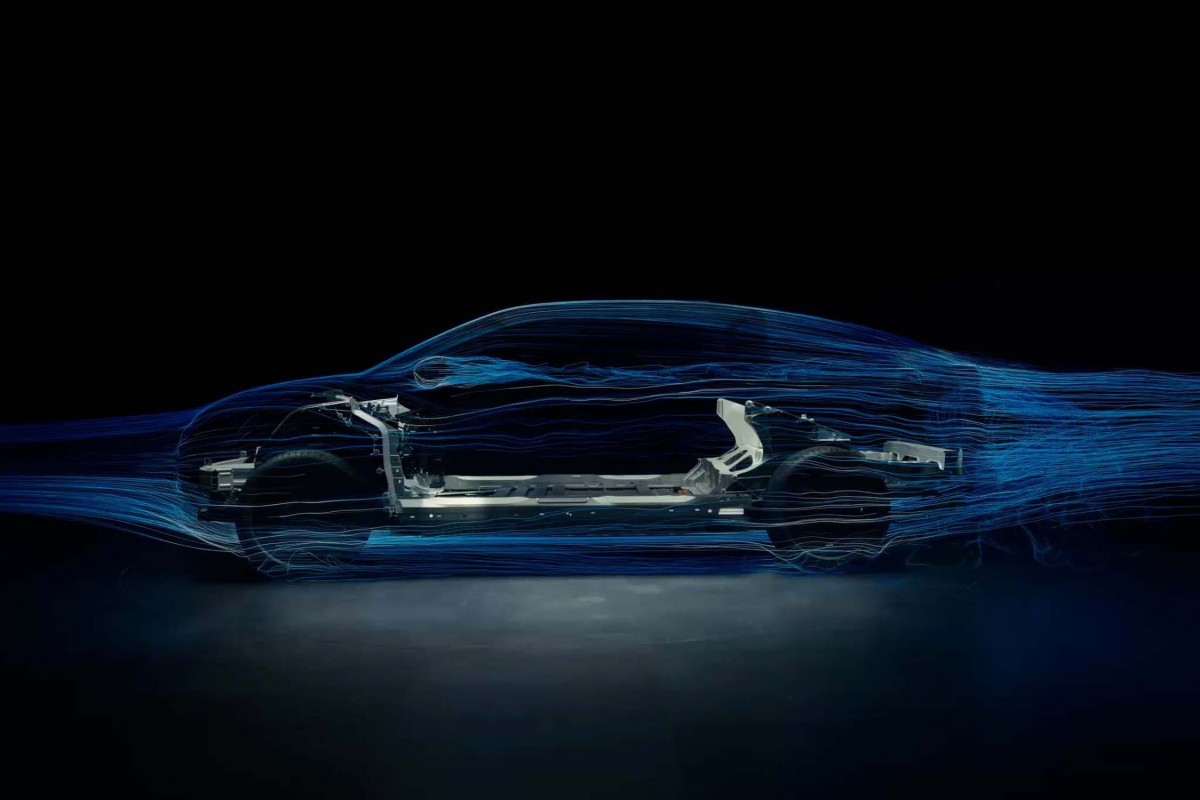 The new truck will have a very low drag coefficient - source: Ford
Surprisingly, the entry-level price tag does not mean this truck is slow - Ford is promising some serious performance numbers. They want the truck to go from 0 to 60 mph in just 4.5 seconds. That speed matches the Mustang EcoBoost, meaning this affordable hauler will be faster than many sports cars. Ford is also promising that the vehicle will not feel like a budget option. Even at the $30,000 price point, the truck will have high-quality software, a modern interior, and many features that EV shoppers expect.
To make the $30,000 price possible, Ford engineers had to change how they think. They became "bounty hunters" for efficiency, looking for every possible way to save money and energy. For example, they completely redesigned the side mirrors. Most modern cars use two motors in each mirror for adjusting the glass and folding the housing. Ford's new design uses just one motor to do both jobs. This change makes the mirror 20% smaller and reduces its weight. This tiny adjustment alone apparently adds about 1.5 miles of range.
 The mirrors will be smaller to help improve the range - source: Ford
Not surprisingly, aerodynamics play a massive role in the new design. The team wants this truck to be 15% more slippery in the wind than any other truck currently on the market. They shaped the body to help air flow smoothly over the bed and engineers found a way to steer air around the front tires so it misses the rear tires entirely. This trick adds another 4.5 miles of driving range.
The battery technology itself is a major cost-saver. Ford is moving away from expensive materials like nickel and cobalt. Instead, they will use lithium-iron phosphate (LFP) batteries. These cells are cheaper to produce, very durable, and can be charged to 100% every day without wearing out quickly. Ford will build the LFP batteries at a new plant in Michigan. The truck will also use a 400V electrical system since the 800V setup offers slightly faster charging, but costs 20% more to build.
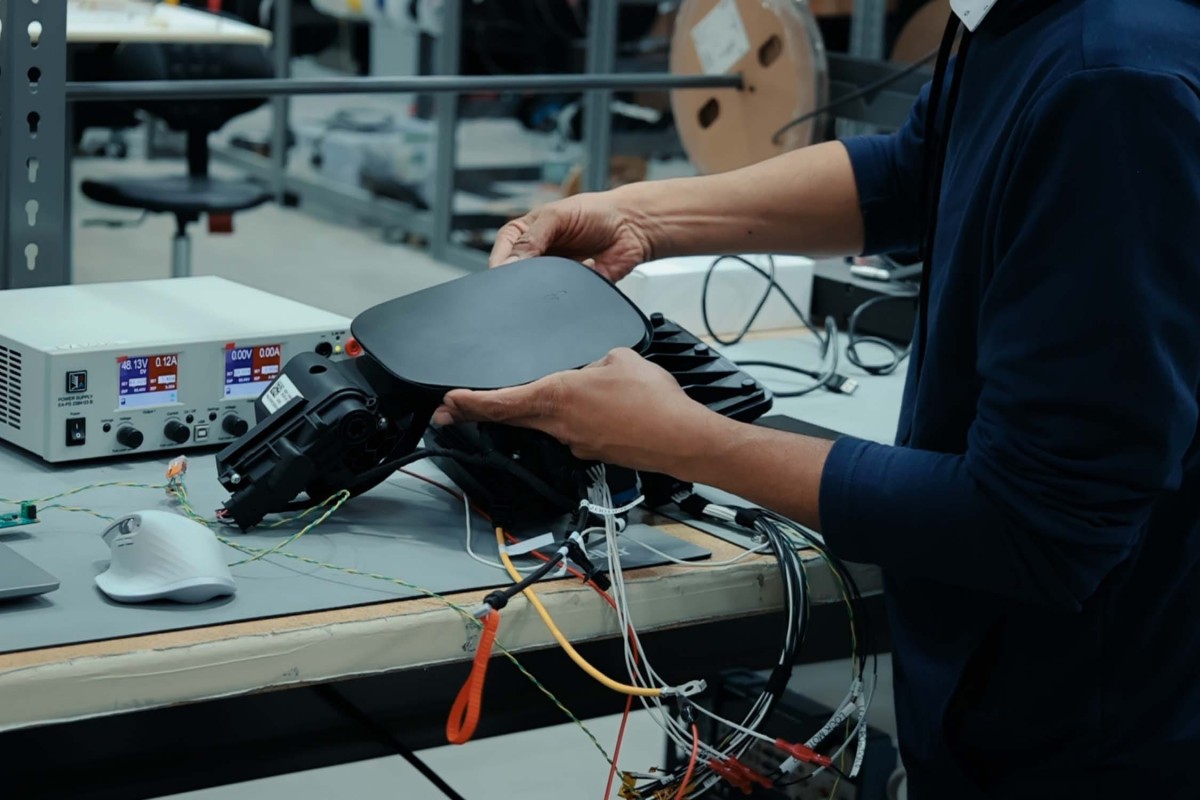 Testing the charge port door - source: Ford
Inside the cabin, owners will find a surprising amount of room. Ford claims the truck will have more passenger space than a Toyota RAV4. This is possible because the battery pack is part of the truck's frame, and the seats bolt directly onto the top of it. This removes the need for a separate floor and battery housing, which creates a lower roofline and more headroom.
And since this is 2026, the new truck is also a "software-defined vehicle." In older cars, dozens of small computers control things like the windows, the radio, and the engine. Ford's new truck uses a centralized system called the "E-Box" that manages everything from power to charging. It also features a 48V electrical system, a major upgrade from the 12V systems used since the 1950s. This allows Ford to use thinner, lighter wires. In fact, they removed over 3,999 ft of wiring, saving about 22 lb of weight.
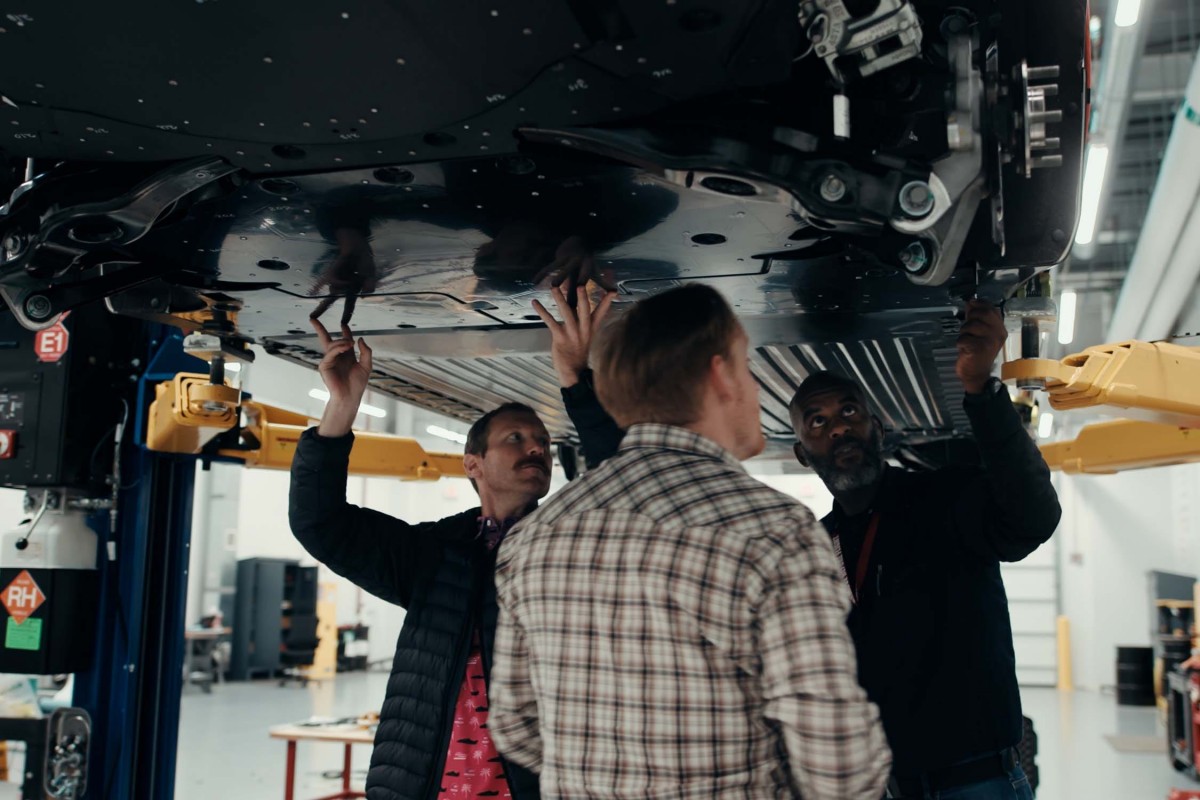 Engineers testing the underbody shield - source: Ford
When this new Ford truck launches in 2027, it will come with BlueCruise as standard. This system allows drivers to take their hands off the steering wheel on thousands of kilometers of highway. By 2028, Ford hopes to upgrade the truck to Level 3 autonomy, allowing the driver to take their eyes off the road in specific conditions.
Ford is also changing how it builds cars to stay profitable. They will use "unicastings" for the upcoming truck - these are massive single pieces of aluminum. For the Maverick, Ford has to weld and glue 146 different parts together to make the frame, which will be replaced with just two large cast parts for the new vehicle, making the assembly process 15% faster and much cheaper.


Reader comments
- Nimk
- U@m
Ford thinks EV buyers don't know anything about EV tech. Buyers know exactly how outdated and overpriced ford EVs are. Please don't push 400V junk as tech revolution when market is at 1000V
- Gkord
- U@m
Cheaper battery? Use sodium battery not LFP. 800V might cost more to build, but its future proof (current tech is 1000V) and faster charging. 400V slow charging truck wont sell, especially not with a $30k price tag, that's not cheap. Slate EV is...

From the team behind
GSMArena.com
Facebook
Twitter
Instagram
RSS
Settings
Log in I forgot my password Sign up