BMW says new electric M3 will match ICE version's price
Buying a fast car usually comes with a lot of tough choices - the right color, the best leather for the interior, and how much power you really need. But soon, BMW will remove one of the biggest headaches for car buyers: the price difference between gas and electricity. For the first time ever, the legendary BMW M3 will come in two flavors - gasoline and electric - and they will cost almost exactly the same amount of money.
This is a huge deal. Usually, if you want an electric version of a fast car, you have to pay a lot more. Batteries are expensive to build, and new technology usually costs a premium. But BMW is breaking that rule. They want to make sure that when you walk into a dealership in 2027, you choose your new ride based on how it drives, not how much is in your bank account.
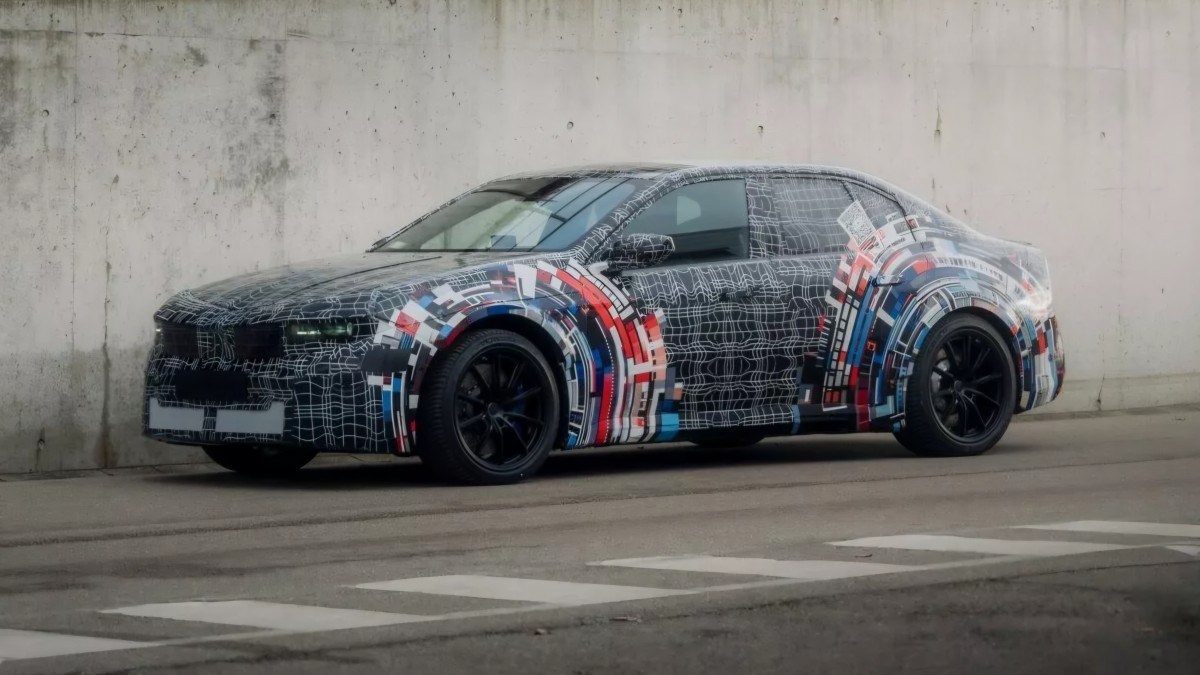
The upcoming electric M3, with internal code "ZA0," is expected to be a total beast. It will feature four electric motors, giving the car nearly 1,000 horsepower - almost double the power of the gas-powered M3 we see on the roads today.
On the other side of the garage, we have the next-generation gas M3, known by the code "G84." Even though the world is moving toward EVs, BMW knows that some people still love the sound of a turbo six-cylinder engine. This gas "twin" will likely produce in excess of 550 horsepower. While that is much less than the electric version, it is still more than enough to get you to work very, very quickly.
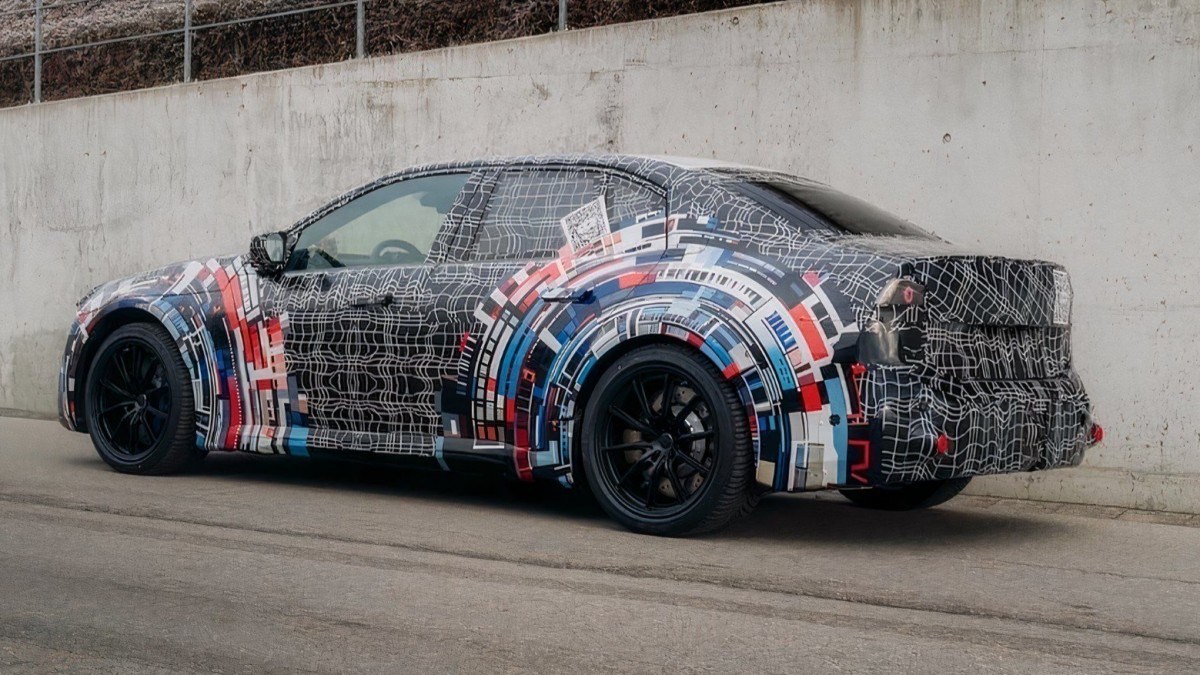
A car with 1,000 horsepower would normally cost hundreds of thousands of dollars or euros. But by pricing the electric M3 in the "same ballpark" as the gas model, BMW is doing something sneaky and smart. They are making the electric version look like an incredible bargain. In the United States, the current M3 starts at about $80,650. If the new ones stay near that price, you could be getting supercar levels of power for the price of a standard luxury sedan.
Sylvia Neubauer, the boss of sales for BMW's M division, says the goal is to give people "the choice." She knows that some "petrolheads" will never want to plug a car into a wall. By keeping the prices close, BMW doesn't have to argue about money. Instead, they can focus on the "M DNA" - both cars will be fun to drive, easy to handle, and very fast around corners.
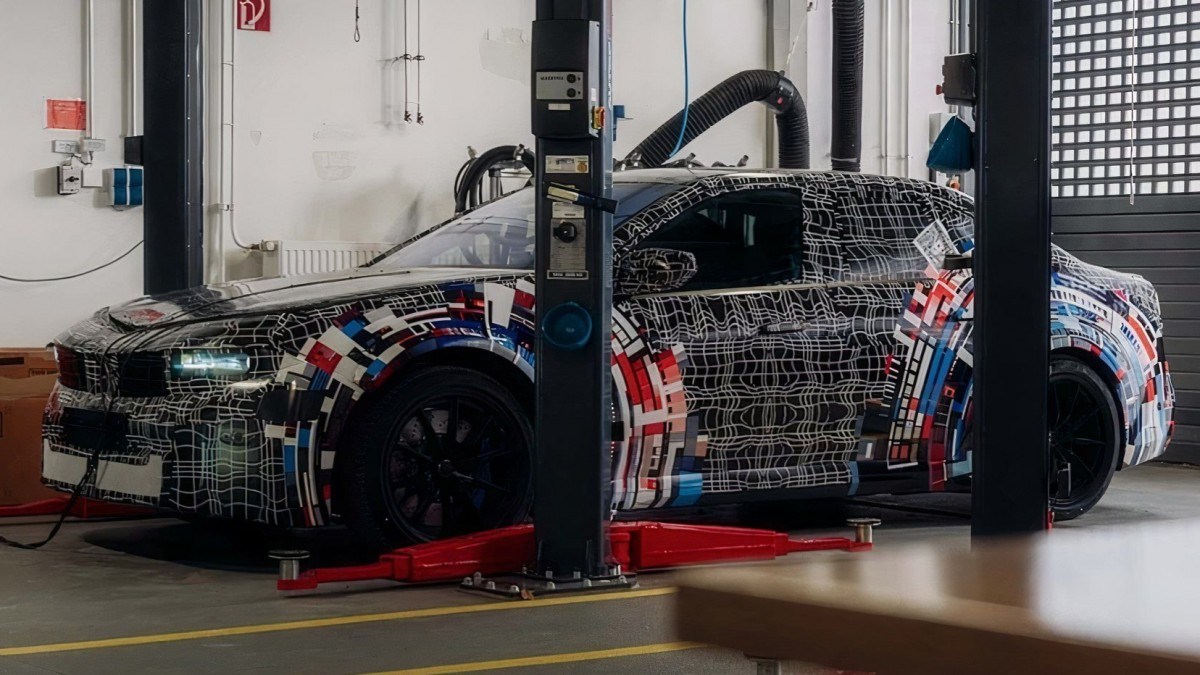
Even though they will look like twins, these two cars are built very differently. The electric M3 will use a brand-new "Neue Klasse" platform. This design is built specifically for batteries and motors. The gas M3 will stick to a revised version of the older "CLAR" frame. BMW is giving it a total makeover so it looks just as futuristic as the electric one. Both cars will share a new design style that looks clean and sharp. You might have to look at the tailpipes - or the lack of them - to tell which one is which.
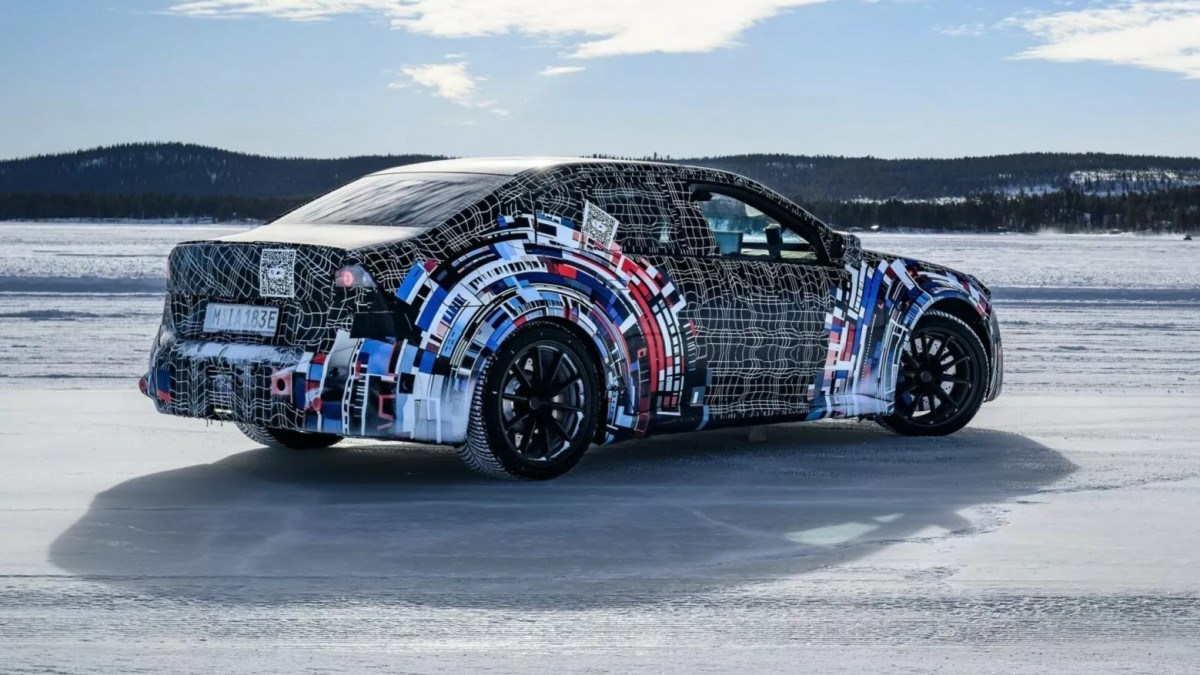
BMW has a bit of a challenge on its hands. Many people who buy the M3 love the sound of a gas engine. To help them change their minds, BMW plans to let people test-drive the new EVs on special tours. Neubauer admits they won't convince everyone to switch to electricity. Some people will stick with gas forever, and BMW is perfectly fine with that.
The company is being very flexible with how they will build the new M3. Their factories can change quickly. If everyone wants the gas version, they will build more of those. If the 1,000-horsepower electric model becomes a huge hit, they can ramp up production for that instead. This "wait and see" approach keeps the company safe while the world decides how it really feels about electric cars.
This new strategy is a turning point since fast EVs used to be seen as expensive toys for tech fans or people who only cared about the environment. By making an electric M3 that is more powerful than the gas version - but costs the same - BMW is making a strong argument for the future.
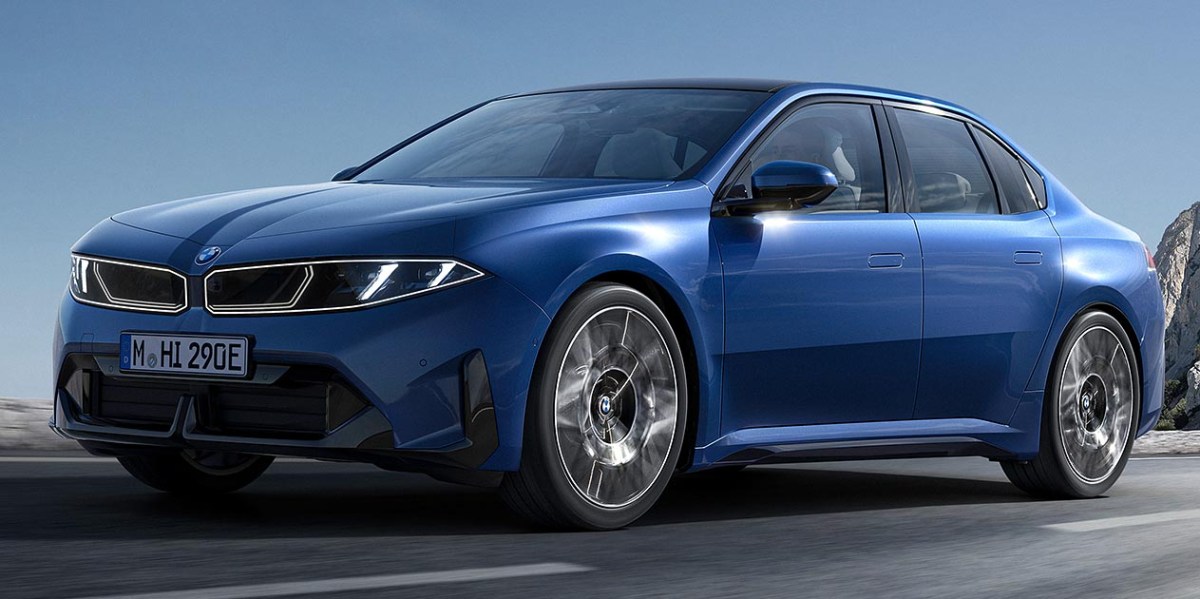 The new i3 will serve as a blueprint for the all-electric M3
Whether you choose the gas-sipping G84 or the lightning-fast ZA0, you are getting a piece of history. BMW is betting that "sheer driving pleasure" doesn't need a specific type of fuel. It just needs a driver who wants to go fast. As we head toward 2027, the choice between gas and electric is finally becoming less about our wallets.


From the team behind
GSMArena.com
Facebook
Twitter
Instagram
RSS
Settings
Log in I forgot my password Sign up