Hyundai refreshes the IONIQ 5 and adjusts pricing
Hyundai officially revealed the refreshed 2027 IONIQ 5 in South Korea, bringing lower prices and new features to its popular electric SUV. The global EV landscape is changing quickly, and it is forcing legacy automakers to adjust their strategies. By reducing the entry cost, Hyundai wants to appeal to those still undecided and price-conscious buyers who have yet to switch to EVs.
The updated model comes at a time when competition in the homeland of Hyundai has reached a boiling point. Last month, the Tesla Model Y officially became the best-selling vehicle in South Korea, completely outshining local pride by outselling every single domestic vehicle from both Hyundai and Kia. Apparently, domestic loyalty has its limits when consumers look at their wallets.
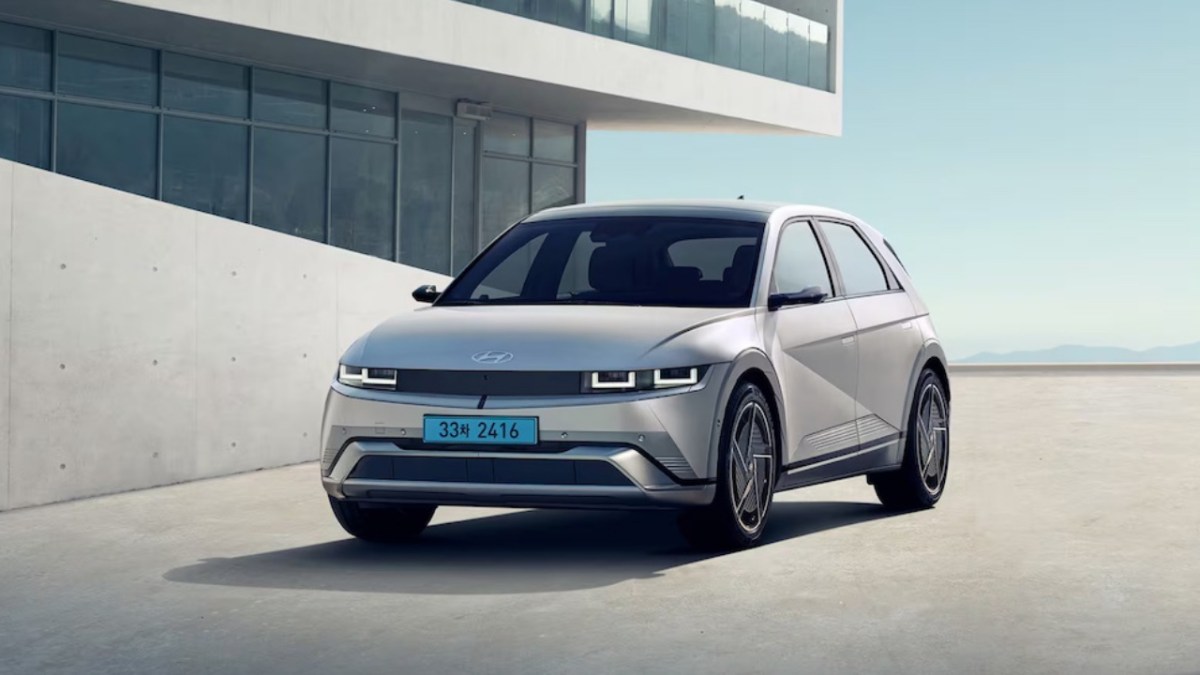
For the 2027 model year, Hyundai altered the lineup structure for the IONIQ 5. The company compressed the previous Standard model variants into a single, value-focused trim called the E-Value+. For buyers looking for more driving distance, the Long Range version divides into five distinct options: E-Lite, Modern, Premium, Inspiration, and N-Line. Hyundai claims that this new lineup gives customers a straightforward path when choosing their preferred options without getting lost in a sea of unnecessary trim names - all we see are six different trims that possibly could have been boiled down to three.
The entry-level 2027 Hyundai IONIQ 5 E-Value+ has a starting price of 47.35 million won, which translates to roughly $31,230, allowing Hyundai to position the vehicle below its main American rival. The rear-wheel-drive Tesla Model Y sells for 49.99 million won in South Korea, or about $32,700.
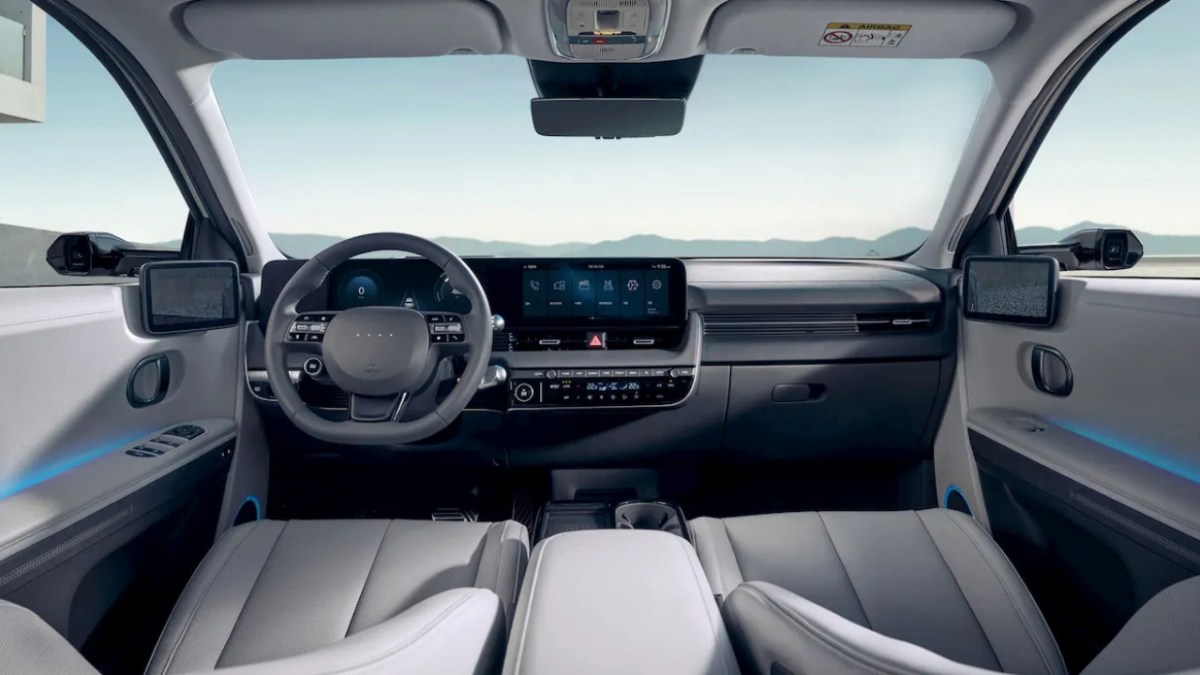
Hyundai also dropped prices for the mid-level options in its home market. The Modern trim had its price cut by 1.6 million won ($1,050) while adding useful features that previously belonged to the more expensive Exclusive package. The Premium trim price was lowered by 900,000 won (nearly $600). In terms of final pricing with tax benefits, the Long Range E-Lite starts at 50.64 million won ($33,400), the Modern is 52.90 million won ($34,900), and the Premium stands at 58.25 million won ($38,400).
Buyers who want luxury or sportiness can select the top-end options. The sporty N-Line starts at 59.45 million won ($39,200), and the new top-shelf Inspiration trim costs 61.50 million won ($40,560). The Inspiration version adds a Surround View Monitor, Remote Smart Parking Assist 2, and collision avoidance systems for the front, side, and rear. It also brings a Comfort Plus package, which includes power-adjustable front passenger seating, memory settings for all occupants, and a power-sliding second-row seat. Additionally, all trims from the Premium level up now include tailgate emergency lighting and a 100-watt USB charging port as standard.
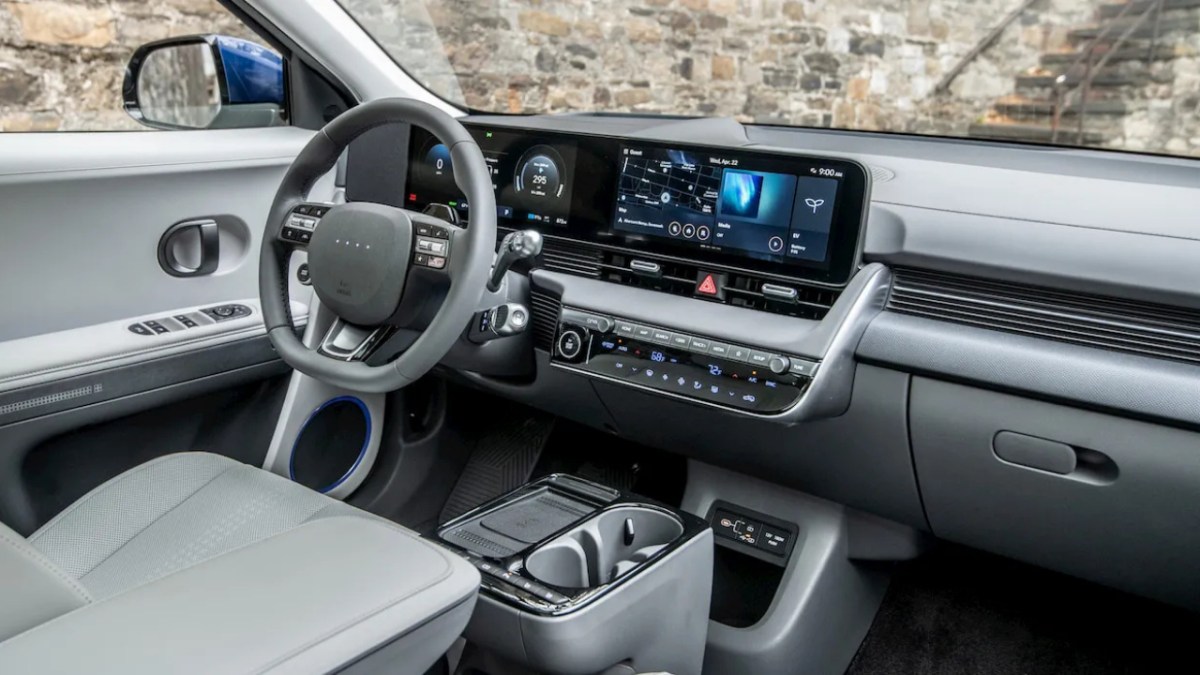
The 2027 changes apply to South Korea for now, but Hyundai is already using aggressive pricing to move existing stock in North America. The brand cut prices on the 2026 IONIQ 5 by up to $9,800 on specific trims, bringing the entry price down to a very accessible $35,000, putting the EV among the most affordable in the United States. It competes directly with budget-friendly options like the Chevrolet Equinox EV, the Chevrolet Bolt, the Nissan LEAF, and the Toyota bZ. Customers can even lease the 2026 models for as low as $259 per month.
Unfortunately, Europe isn’t so lucky. The 2026 IONIQ 5 still starts in the UK from a rather steep $55,886 for the Advance model, with the most expensive N-Line S listed at $73,135. These are quite shocking prices when compared to the US market - let’s hope the new pricing reaches Europe as well.
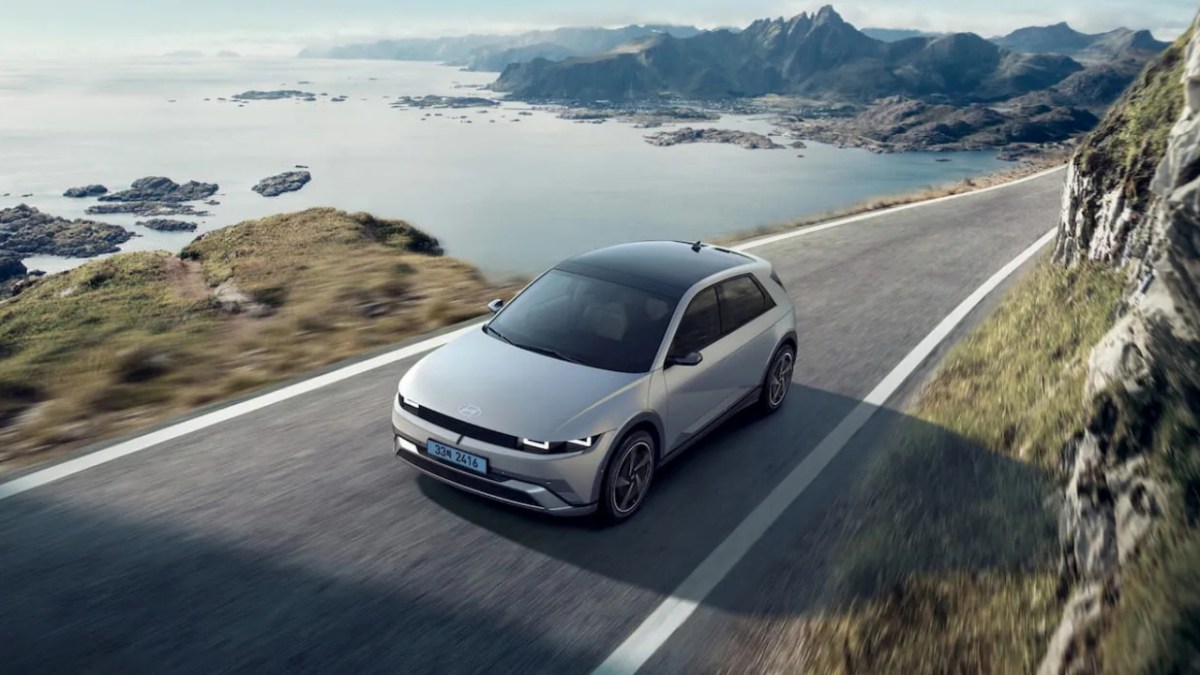
On the technical side, the base version of the vehicle has an EPA-estimated driving range of up to 245 miles, and for an extra $2,500 for the rear-wheel-drive SE variant, that driving distance can go up to 318 miles. Connecting the car to a 350-kW DC fast charger adds 178 miles of driving range in approximately 15 minutes. In the US, the vehicle also adopts the NACS port, allowing drivers to access the Tesla Supercharger network alongside a standard CCS adapter for other public networks.
To reassure buyers who are nervous about battery longevity in electric cars, Hyundai packages the car with a comprehensive warranty. The manufacturer covers the battery pack against defects for 10 years or 100,000 miles. Will these continuous price adjustments and feature updates help Hyundai reclaim the top spot from its global competitors? We won’t have to wait too long for that answer.
On a side note - independent automotive experts continue to praise the utility of the IONIQ 5. Kelley Blue Book recognized the model as the best family EV for 2026, highlighting its balance of affordability, spaciousness, and modern tech.



From the team behind
GSMArena.com
Facebook
Twitter
Instagram
RSS
Settings
Log in I forgot my password Sign up