Leapmotor B05 lands in Europe with an aggressive starting price
The European EV market received another affordable contender. Chinese automotive manufacturer Leapmotor is launching its new compact model, the B05. It's the first hatchback from the brand known for compact crossovers, as the company tries to merge performance metrics with an affordable price point. Consumers in continental Europe get a very attractive base price, but buyers in the United Kingdom must pay a premium due to extra distribution costs. At $41,879 (before any discounts and government grants), UK drivers will probably think twice before they take a leap.
Continental buyers can get their hands on the entry-level Leapmotor B05 for a starting list price of $31,500. At this price level, the newcomer undercuts many established hatchbacks in the region, bringing some heat to traditional brands. Leapmotor claims it wants to change the conversation around budget-friendly EVs by offering premium features as standard equipment rather than forcing buyers to pay for expensive optional packages.
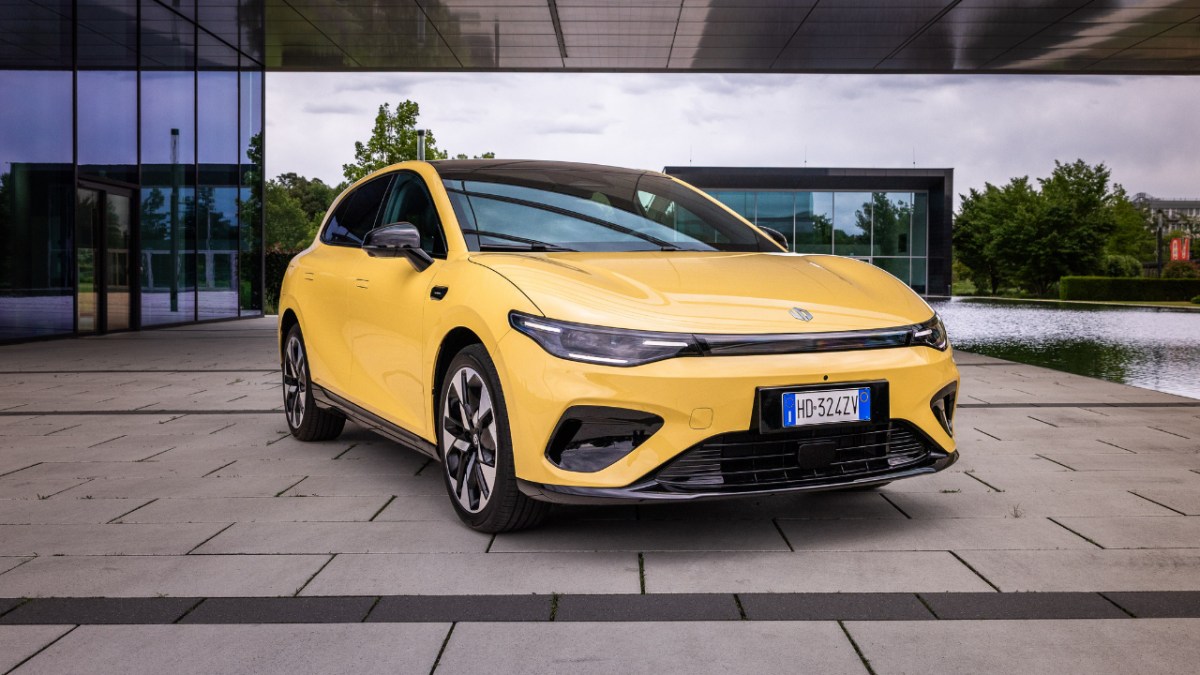
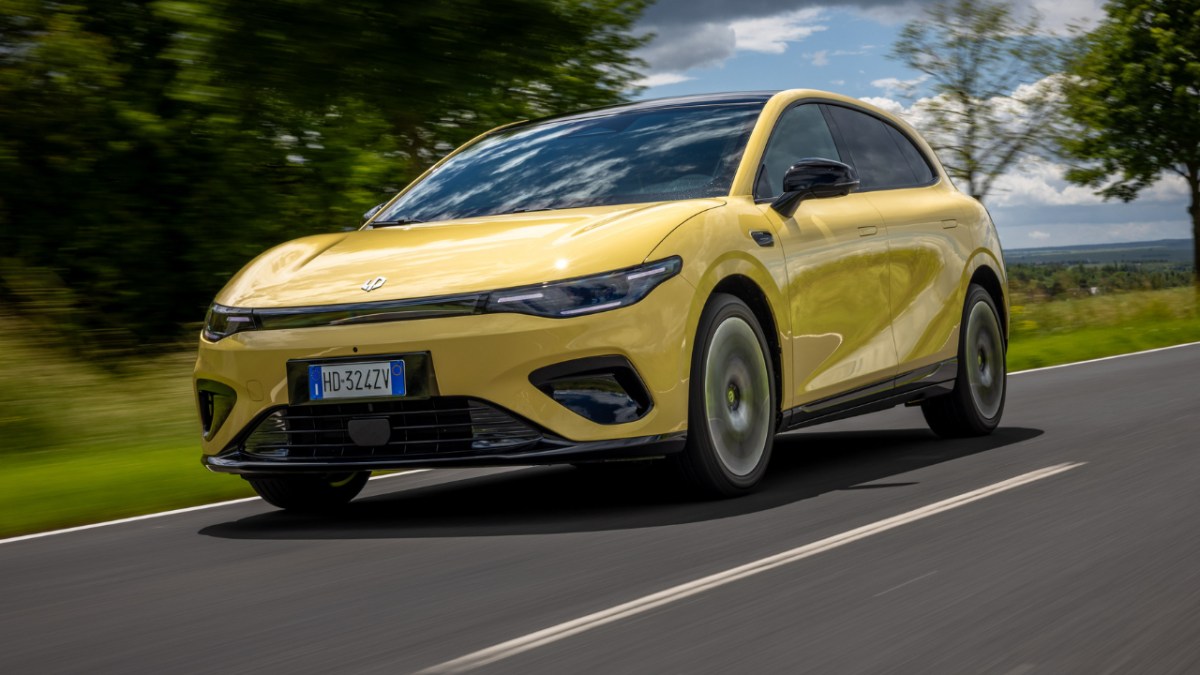
Visually, the B05 is a winner - it adopts a wide-body, coupe-inspired silhouette that helps it stand out from typical urban hatchbacks. The physical dimensions give it a strong road presence, highlighted by a wide 74 inches shoulder width that adds stability during cornering. To improve energy efficiency, the designers achieved a remarkably low drag coefficient of 0.26 by integrating clean, sculpted lines, hidden door handles, frameless doors, and 19-inch aerodynamic alloy wheels.
Unlike many entry-level EVs that focus on low production costs over driving dynamics, the B05 relies on a rear-wheel-drive architecture. The vehicle splits its weight evenly with a perfect 50:50 distribution between the front and rear axles. To ensure the car matches local driving preferences, the Stellantis global chassis team co-developed and tuned the platform specifically for European roads. We get a traditional McPherson architecture at the front and a more sophisticated multi-link configuration at the rear to balance comfort and handling response.
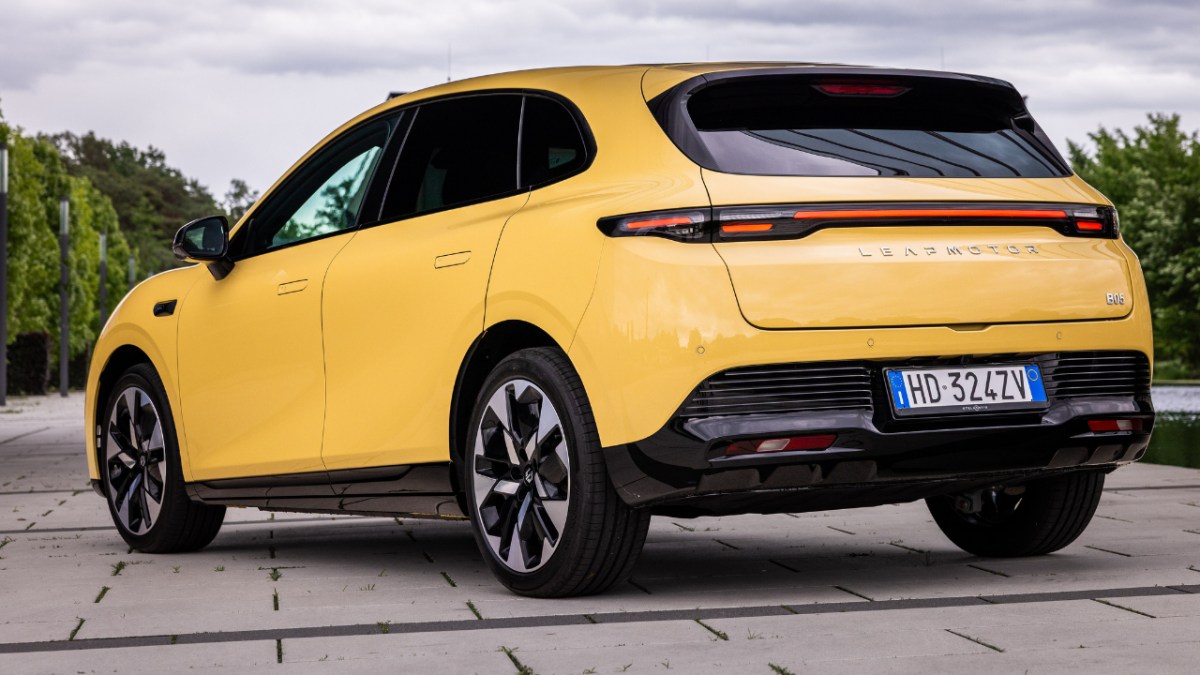
The electric powertrain delivers a decent level of performance for a budget vehicle. The electric motor generates up to 218 horsepower (160 kW) and 177 lb-ft of torque. This output allows the new Leapmotor to accelerate from 0 to 62 mph in a swift 6.7 seconds. Drivers can also engage a dedicated Launch Control mode to optimize traction and acceleration from a dead stop, giving the vehicle an engaging personality on the road.
On the battery side of things, Leapmotor uses an innovative Cell-to-Chassis (CTC) architecture. This engineering technique integrates the battery modules directly into the vehicle structure instead of placing a separate battery pack inside a heavy frame. CTC technology reduces overall vehicle weight, improves structural rigidity, and frees up valuable legroom inside the cabin. Buyers can select one of two lithium-ion battery capacities. The base 56.2 kWh battery offers a driving range of up to 249 miles under the WLTP testing cycle, while the larger 67.1 kWh battery extends that driving range up to 299 miles.
The electrical system supports high-speed DC fast charging, allowing the battery pack to jump from a 30% state of charge to an 80% state of charge in approximately 17 minutes. Leapmotor hasn't revealed the official numbers here, but the charging time suggests the smaller battery can accept no more than 120 kW DC, and in those 17 minutes, it can add about 124 miles of range. It's not revolutionary, but it makes the car practical enough for long-distance travel and eliminates the long waiting periods that often discourage mainstream buyers from switching to EVs.
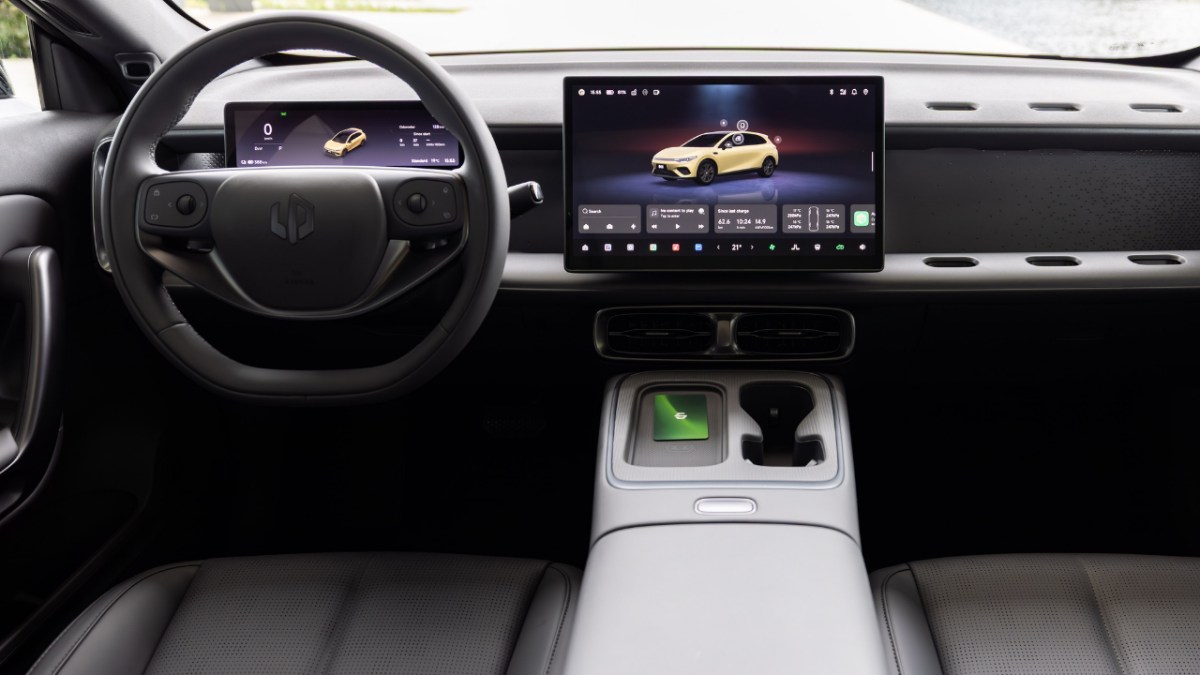
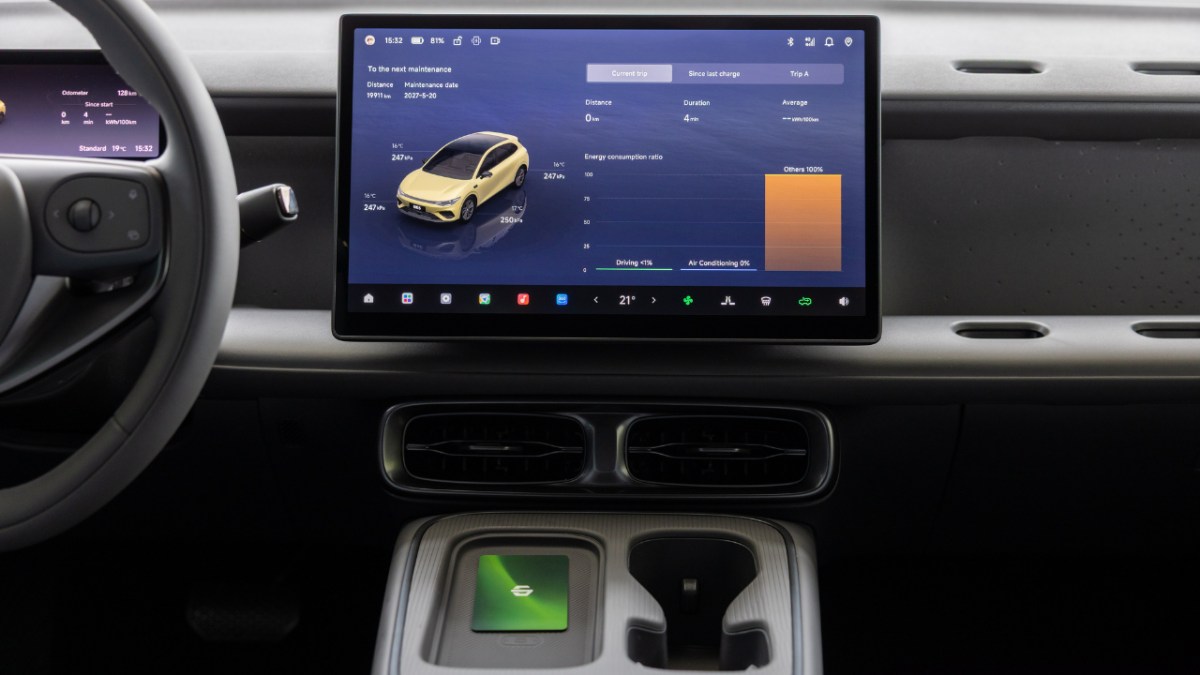
Inside the cabin, the modern dual-screen cockpit runs the company's latest operating system. A large 14.6-inch central infotainment touchscreen manages media and navigation, and a smaller 8.8-inch digital cluster displays speed and vital driving data directly ahead of the driver. Owners can also use the integrated Leapmotor App on their smartphones to control the car remotely. The mobile application allows users to check the vehicle's status, pre-condition the climate control system, schedule charging times during off-peak hours, and use their smartphone as a digital key.
The interior layout focuses on passenger comfort and sustainable materials. The seats use eco-leather upholstery that fully complies with strict OEKO-TEX environmental safety standards, ensuring a toxin-free environment. A standard panoramic glass roof floods the interior with natural light, heated front seats will keep passengers warm on cold winter days, and clever storage solutions spread throughout the cabin to maximize everyday utility.
Leapmotor wants buyers to know that safety engineering plays a central role in the vehicle's development. The high-strength steel body structure achieves a torsional stiffness rating of 34,500 Nm/°, providing excellent protection during a collision. Inside the vehicle, a comprehensive seven-airbag system offers full-cabin occupant protection. To prevent accidents before they occur, the vehicle includes 21 Advanced Driver Assistance Systems (ADAS) functions. These active safety electronic features gather data from an array of 14 separate sensors and cameras to monitor traffic and keep the vehicle safe.
With the European launch, Leapmotor goes after a specific demographic of younger, design-conscious urban drivers who want connected technology without sacrificing driving enjoyment. The company frames its marketing campaign around the concept of unlocking a higher level of everyday electric mobility. By blending emotional design with strong technical specifications, the new hatchback wants to be seen as an expressive alternative in a segment that focuses on rational utility.




From the team behind
GSMArena.com
Facebook
Twitter
Instagram
RSS
Settings
Log in I forgot my password Sign up