Leaked design drawings reveal the new Lucid Cosmos
Lucid faces a critical moment in its short history as an automotive manufacturer. The EV startup has received praise for its engineering in the past, but it still continues to lose money. Low sales volumes for the Lucid Air sedan and Gravity SUV have created high inventory levels. To solve its financial problems, the company needs a high-volume product that appeals to a broader global audience. After teasing its smallest EV yet, the secret is now out courtesy of the EUIPO.
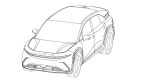
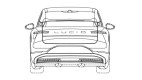
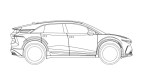
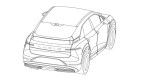
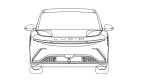
The official design drawings appeared in a public filing from the European Union Intellectual Property Office. Lucid filed these documents under its legal corporate name, Atieva Inc., on May 22, and the office published them on June 15. The registration contains a series of individual views of the new electric crossover. Although the document does not use the specific name, the drawings exactly match the vehicle that company executives showed to investors in March.
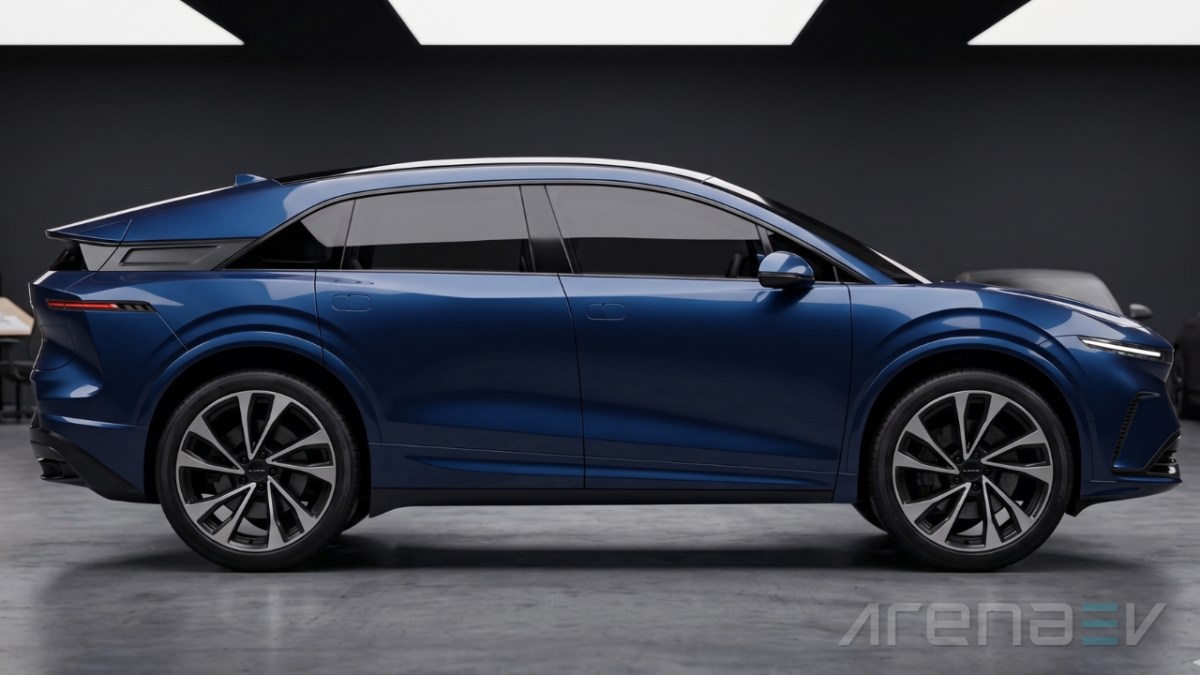
The company calls this new EV the Lucid Cosmos - it will serve as the entry point for the brand, targeting a starting price below $50,000, but the fully equipped trim levels will push prices into the $70,000 range. With this pricing structure, Lucid wants to challenge dominant market leaders among family EVs - Tesla Model Y and the brand-new Rivian R2. The Cosmos is apparently the first of three affordable electric cars planned for the new midsize platform.
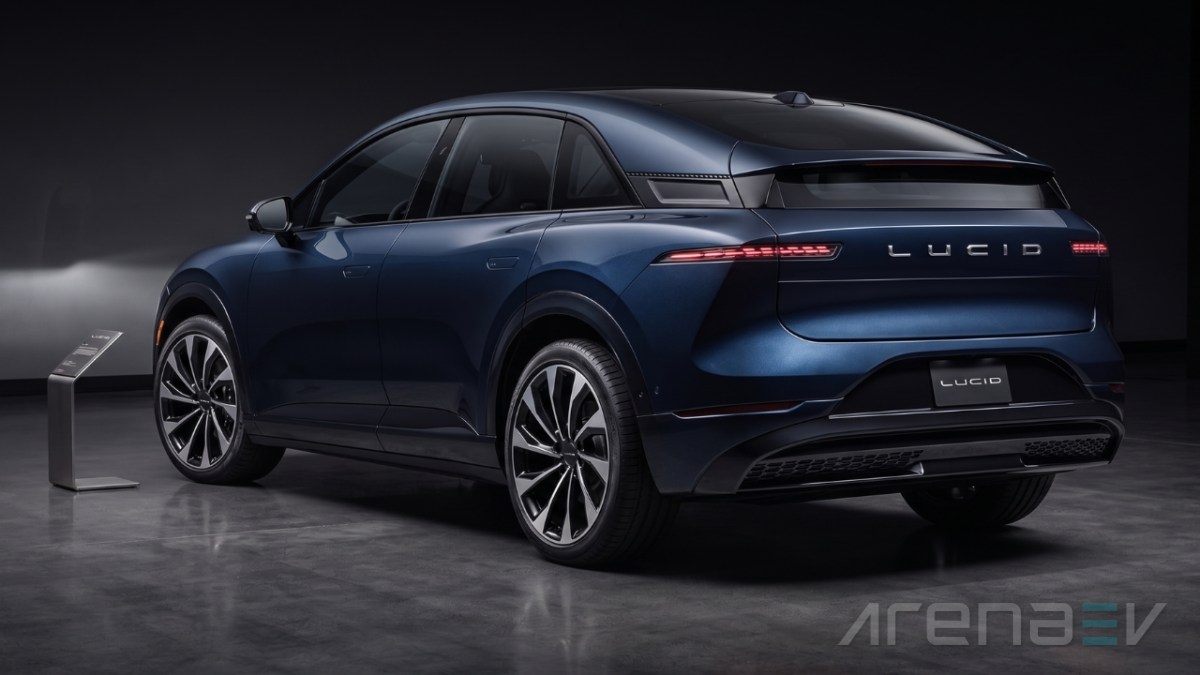
The patent drawings reveal a vehicle that looks like a smaller version of the larger Gravity SUV - it has the same cab-forward proportions. The nose of the Cosmos has a much larger brand emblem than previous models, and the side profile shows a softer shape with a sharply angled roofline. At the back, a spoiler splits the rear glass window into two parts. Large letters spell out the company name across the tailgate between the rear lights.
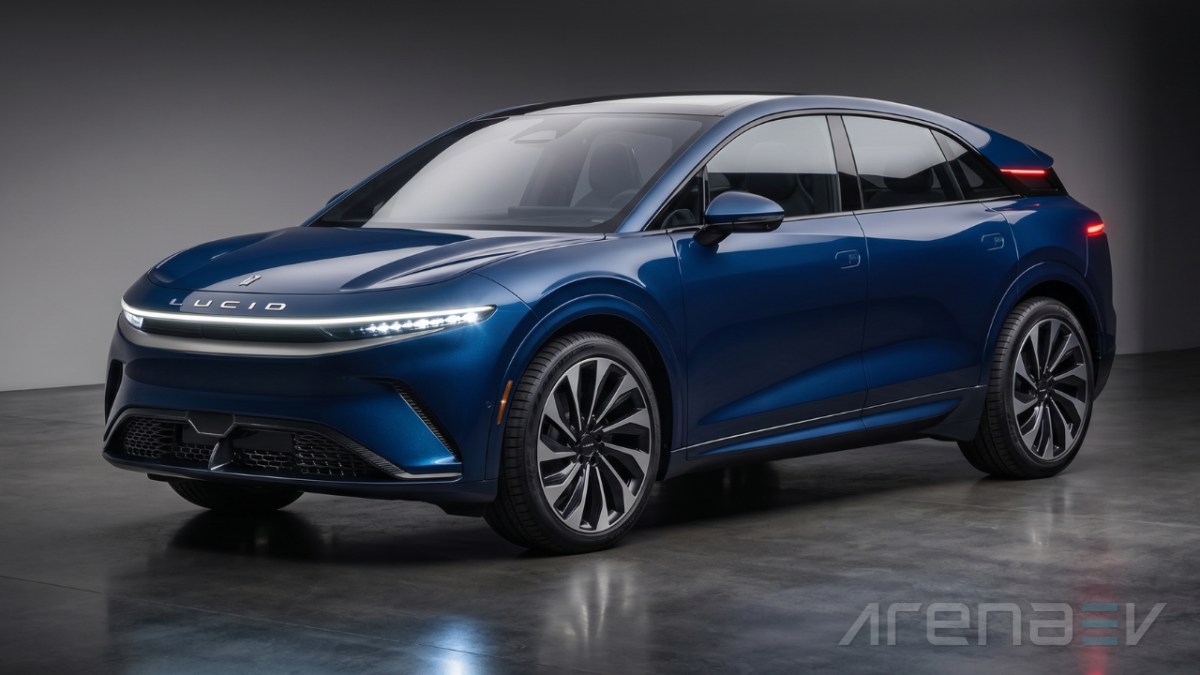
Aerodynamics play a big role in the overall efficiency of modern electric cars. Lucid claims the Cosmos has a low drag coefficient of 0.22, which makes it highly aerodynamic. This shape should help the vehicle achieve its target range of 300 miles from a relatively small 69 kWh battery pack. For drivers who want speed, the high-performance variant of the new EV will apparently accelerate from 0 to 60 mph in 3.5 seconds.
The Cosmos is the first to get the new electric drive unit called Atlas. Lucid states that the new motor is 23 percent lighter and uses 30 percent fewer parts than its current motors. The vehicle runs on an 800V electrical architecture, which allows the battery to add 200 miles of range in 14 minutes of charging. Additionally, Cosmos will support sending power back to a home or the electrical grid.
According to people who have already seen the prototype units, Cosmos introduces a new interior design language for the brand. Previous models used multiple connected screens, but the new model has a single large display that spans the entire dashboard. The center console includes two physical control dials with storage space underneath. Lucid designed this simplified screen layout to support future autonomous driving features, and the company intends to use these midsize EVs as robotaxis through a partnership with Uber.
We are getting closer to the official unveiling of the new Cosmos, and the public is getting excited, but the ultimate success of this new model will depend on manufacturing execution. Lucid plans to start vehicle production in Saudi Arabia late this year, and Cosmos is supposed to be built at the factory in Arizona six to twelve months later, but the company is infamous for its ambitious timelines and subsequent production delays. To reach profitability, Lucid must build the Cosmos in high volumes, and it has to keep the promised sub-$50,000 entry price. Will it, though?




From the team behind
GSMArena.com
Facebook
Twitter
Instagram
RSS
Settings
Log in I forgot my password Sign up