Chinese state buys Nio’s battery swap stations
When Nio first began dotting the Chinese landscape with robotic battery swap stations, many dismissed the whole enterprise as an eccentric, money-burning vanity project. Conventional wisdom dictated that building huge drive-in mechanical vaults was a financial dead end - a capital incinerator bound to buckle under the weight of its own concrete. Rival carmakers took the easy route by telling buyers to find a public plug, but Nio insisted on shouldering the cost of building a bespoke energy network from scratch.
The early balance-sheet bleeding was terrifying. The first-generation swap sheds cost an astronomical RMB 3 million (around $400,000) each before you even loaded a single lithium pack into the rack. Even after Nio engineering teams relentlessly trimmed the fat - whittling second-generation setups down to RMB 2 million (about $300,000) and subsequent third- and fourth-generation stations to roughly RMB 1.5 million (near $200,000) - the cumulative price tag was shocking. Pouring more than RMB 20 billion (north of $3 billion) into ground-level charging and swapping hardware would give any CFO sleepless nights.
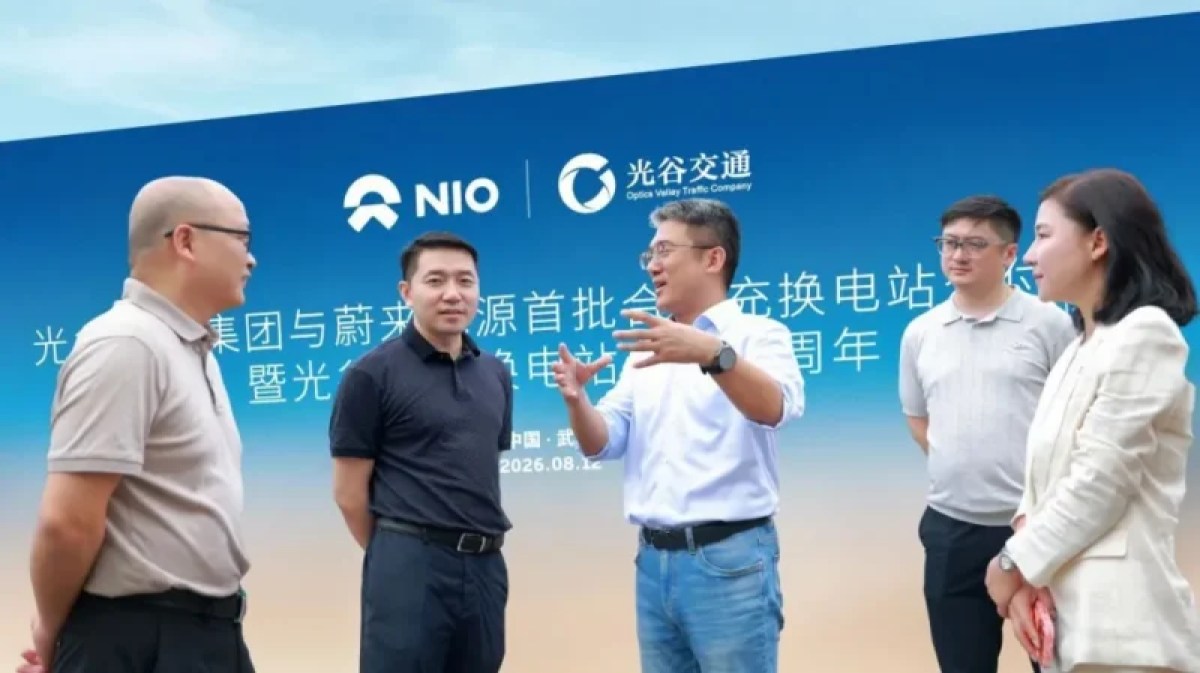
But now, Nio is pulling off a strategic U-turn to shed that heavy property baggage without sacrificing its signature mechanical party trick. In Wuhan, Nio Power finalized the handover of a first batch of 36 swap stations to the state-owned Optics Valley Traffic Company, effectively putting every swap installation in the city under government-backed asset ownership. Instead of acting as an overleveraged infrastructure landlord burdened by relentless depreciation,
Nio is sliding into the role it was actually meant to play: an agile, high-tech operator managing the software, the robotics, and the customer experience. And although it might look like one, this Wuhan handover is not a desperate local bailout. It is a new national blueprint.
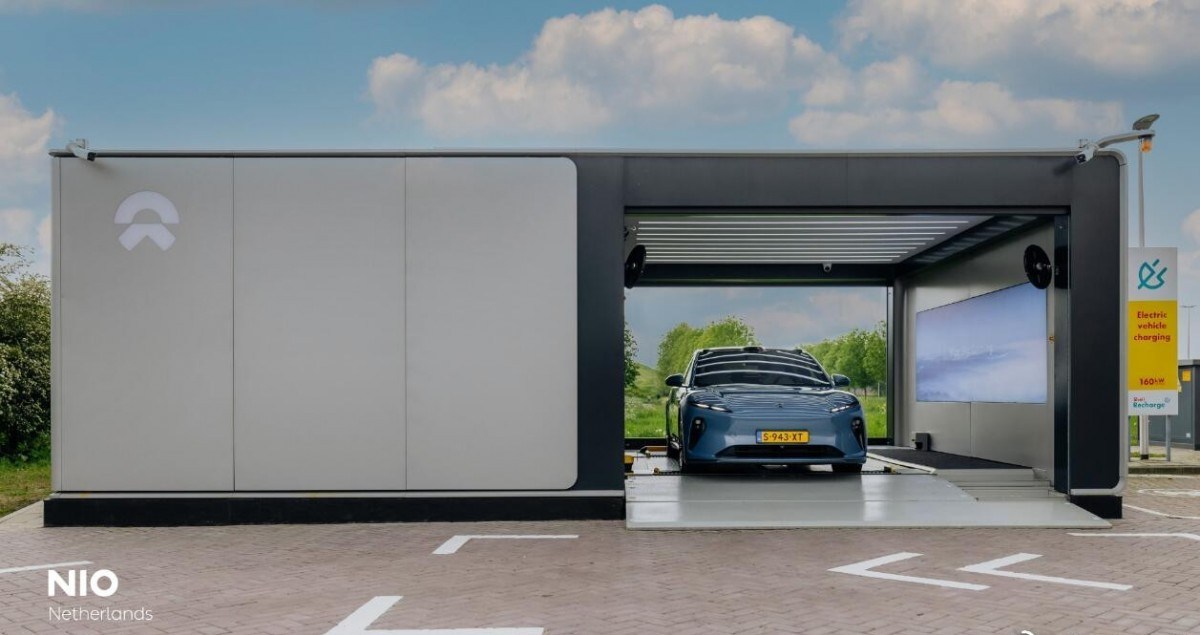
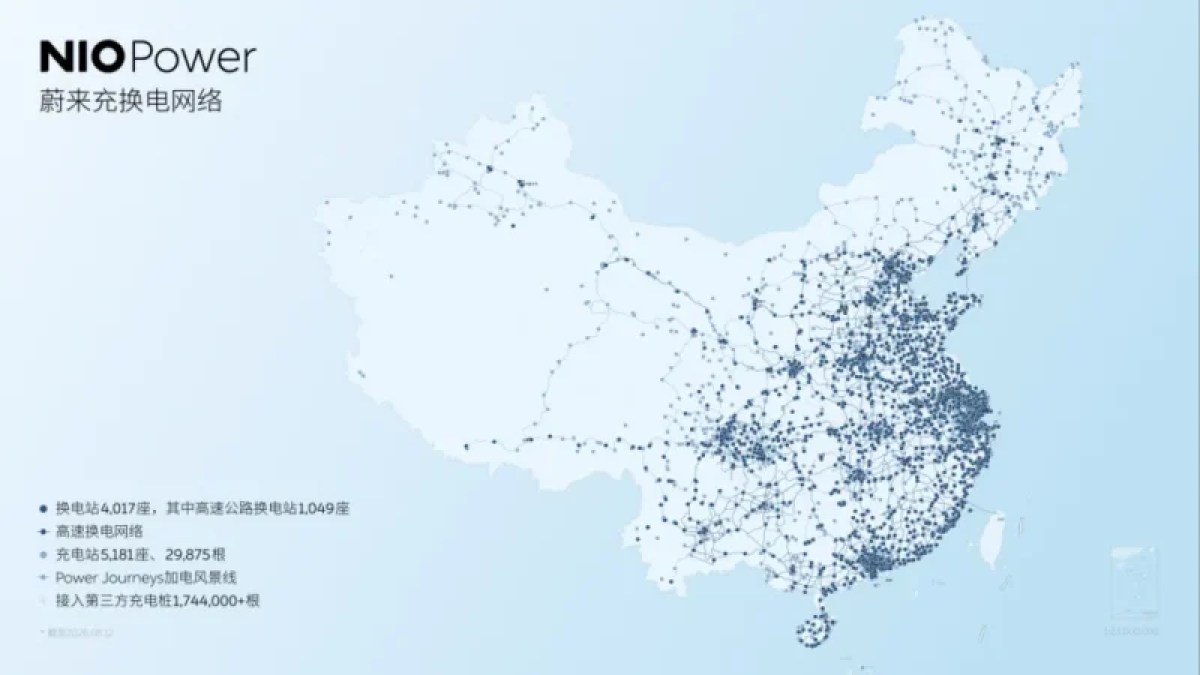
Nio Power has already allied with over 40 state-owned platforms and institutional financiers across 25 provinces to transfer asset ownership of more than 800 swap stations. The brand owns a web of 9,198 energy locations at the moment (4,017 automated swap stations and 5,181 charging stations backed by 29,875 dedicated plugs), which have already handled over 120 million battery swaps. In high-traffic hubs like Shanghai, where daily volume is knocking on the door of 10,000 pack swaps, the stations are approaching the financial break-even line.
That clever combo of battery swapping convenience and aggressive vehicle pricing is translating into showroom traffic. Across the first seven months of 2026, Nio delivered 227,057 vehicles - a 68.0% jump year on year that carried the company past 1,224,649 lifetime sales. The core luxury Nio brand accounted for 139,496 deliveries, the high-volume Onvo family marque added 52,618 units, and the compact, city-focused Firefly runabout threw into the bucket 34,943 sales of its own.
When multi-brand volume meets an asset-light infrastructure model, the corporate ledger finally swings into the black. In the fourth quarter of 2025, Nio delivered its first profitable quarter in company history, booking a net profit of RMB 2.8 billion (around $400 million) and an operating profit of RMB 1.25 billion (about $200 million). Proving that performance was no flash in the pan, the opening quarter of 2026 saw revenue leap 112.2% year on year to RMB 25.53 billion (roughly $3.7 billion), locking in operating profit of RMB 66.8 million (nearly $10 million).
Attempting to build attractive electric cars and single-handedly fund the real estate of an entire nation’s energy grid was always a dangerous gamble. Convincing state infrastructure funds to own the heavy concrete and metal while Nio collects the operational dividends was a brilliant move. It should allow the company to focus more on its core business - making EVs that everyone wants to buy.




From the team behind
GSMArena.com
Facebook
Twitter
Instagram
RSS
Settings
Log in I forgot my password Sign up