BYD’s Fang Cheng Bao Formula S and S GT go on sale in China
For the past couple of years, Fang Cheng Bao was the brand you associated with squared-off, boulder-crawling plug-in beasts - a sub-brand built specifically to pull wealthy outdoor hobbyists away from their Land Cruisers and Defenders. Yet here we are, watching that off-road-centric outfit park a pair of sleek EVs right in the Xiaomi SU7 and Tesla Model 3's front yard.
The new models - the Formula S coupe-styled sedan and its wagon sibling, the Formula S GT shooting brake - borrow their design cues from the Fang Cheng Bao Super 9 concept. But what really is shocking is the ruthless pricing. When pre-orders opened on August 20, BYD pegged the series between RMB 230,000 and RMB 280,000 - which already was attractive. But at the official launch, BYD announced that the Formula S will start at RMB 189,900 (around $27,900), and top out at RMB 229,900 (around $33,800). That's a 17.4% haircut - RMB 40,100 (nearly $ 6,000) shaved clean off the bottom end before the first customer even signs a finance agreement.
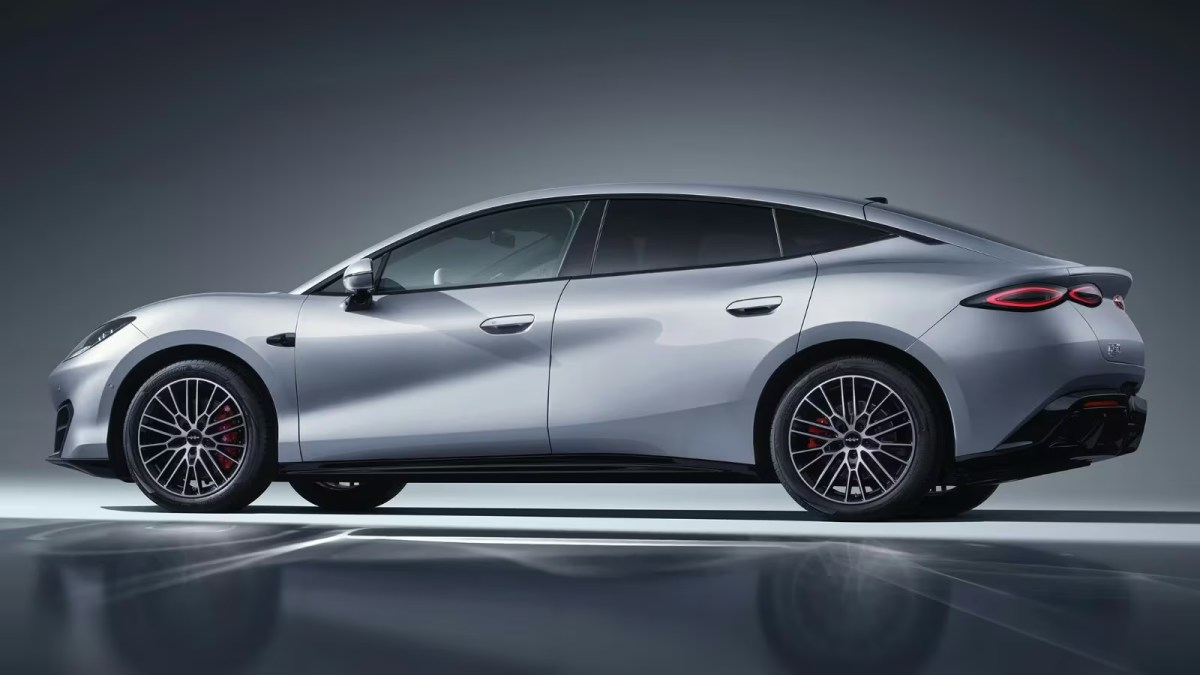
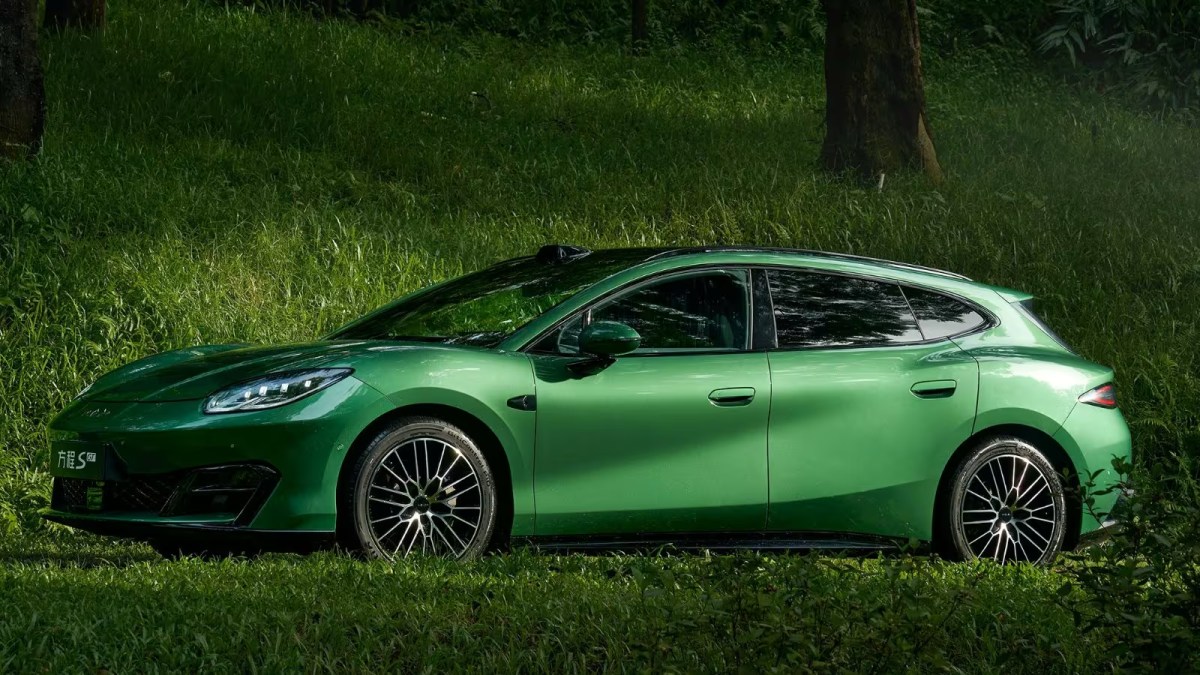
Even the stunning Formula S GT shooting brake starts from RMB 219,900 (about $32,300). Tesla's refreshed Model 3 asks around RMB 235,500 to RMB 259,900 in China, and Xiaomi's smash-hit SU7 starts from RMB 215,900 in its baseline trim. Fang Cheng Bao is undercutting the entire class while possibly offering more.
Size-wise, the Formula S twins dwarf the American benchmark. The Formula S stretches to 199.2 inches in length, it is 77.4 inches wide, and stands 58.4 inches tall on a 116.5 inches wheelbase. The shooting brake Formula S GT is surprisingly shorter at 197.8 inches; it is 77.4 inches wide and 57.4 inches tall, but it shares the identical 116.5 inches wheelbase.
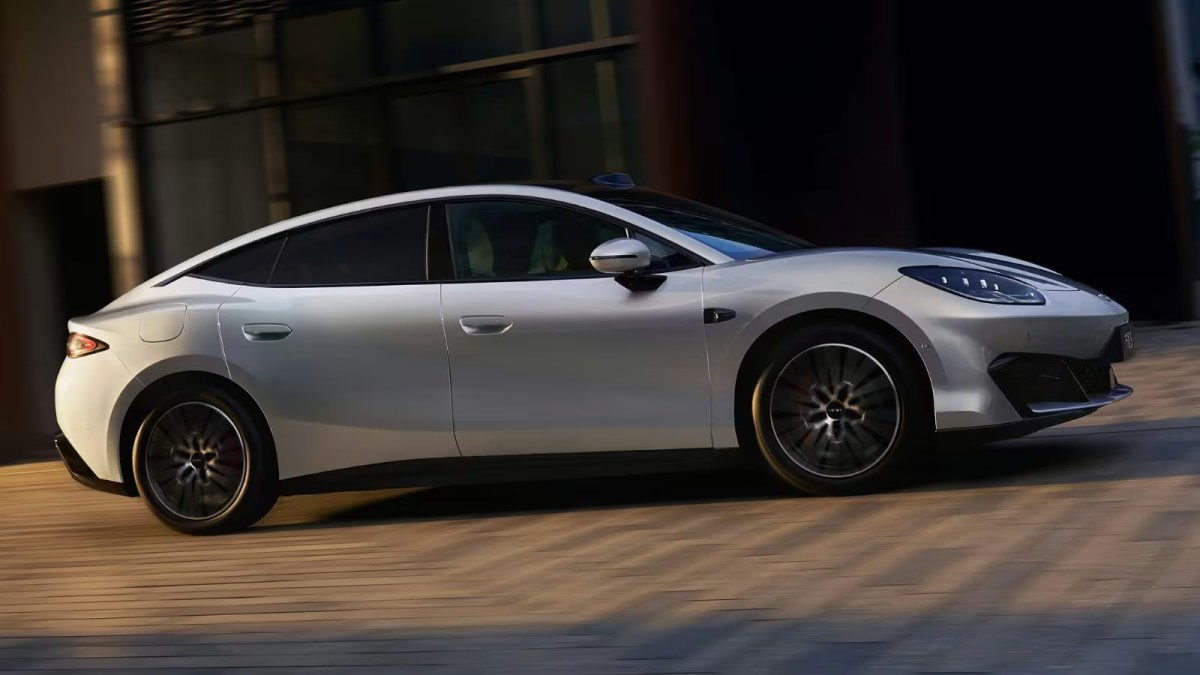
Compare that to the Tesla Model 3 - 185.8 inches bumper-to-bumper and 72.8 inches across the beam - and you realize BYD is delivering an executive-class room for compact-exec cash. Against the low-slung Xiaomi SU7 (196.7 inches long, 77.3 inches wide, with a 118 inches wheelbase), the Formula S is longer and wider, and it has a drag coefficient of 0.22 (0.25 on the GT).
Both Formula S models use BYD's second-generation Blade Battery setup paired with high-performance electrical architecture, and the charging times sound like pure witchcraft. Hook either car up to a flash-charging station, and you will watch the battery sprint from 10% to 70% in five minutes flat. Give it nine minutes, and you are sitting at 97% capacity.
The base rear-wheel-drive Formula S has a 76.744 kWh battery delivering 454 miles of CLTC range, and the long-range rear-driver bumps capacity to 92.093 kWh for a 559 miles run between top-ups. If you go for the Formula S GT, every single trim comes standard with that larger 92.093 kWh pack, yielding 528 miles in rear-drive spec and 454 miles in dual-motor guise. Even the all-wheel-drive Formula S sedan manages 466 miles on the official test cycle.
The single-motor, rear-wheel-drive Formula S comes tuned for either 245 kW (329 hp) or 300 kW (402 hp), whereas the GT wagon starts right out of the gate with the 300 kW motor. Step up to the all-wheel-drive variants on either body style, and the powertrain delivers a combined 490 kW - that's 657 horsepower.

But the real party piece is what BYD has stashed under the chassis. The Formula S series introduces DiSus-M, an intelligent magnetic suspension system. Unlike conventional air springs, DiSus-M has fluid infused with microscopic magnetic particles, allowing dampers to adjust their stiffness in milliseconds. If you hit an expansion joint mid-corner, the car will stiffen the loaded side before you even register the bump.
For buyers who prefer cloud-like compliance over razor-sharp body control, BYD also offers DiSus-A, a dual-chamber air suspension setup paired with variable-damping shock absorbers. BYD prices both DiSus-A and DiSus-M models identically across equivalent trims - a brilliant bit of product planning that lets drivers make a choice based on handling taste rather than their bank balance.
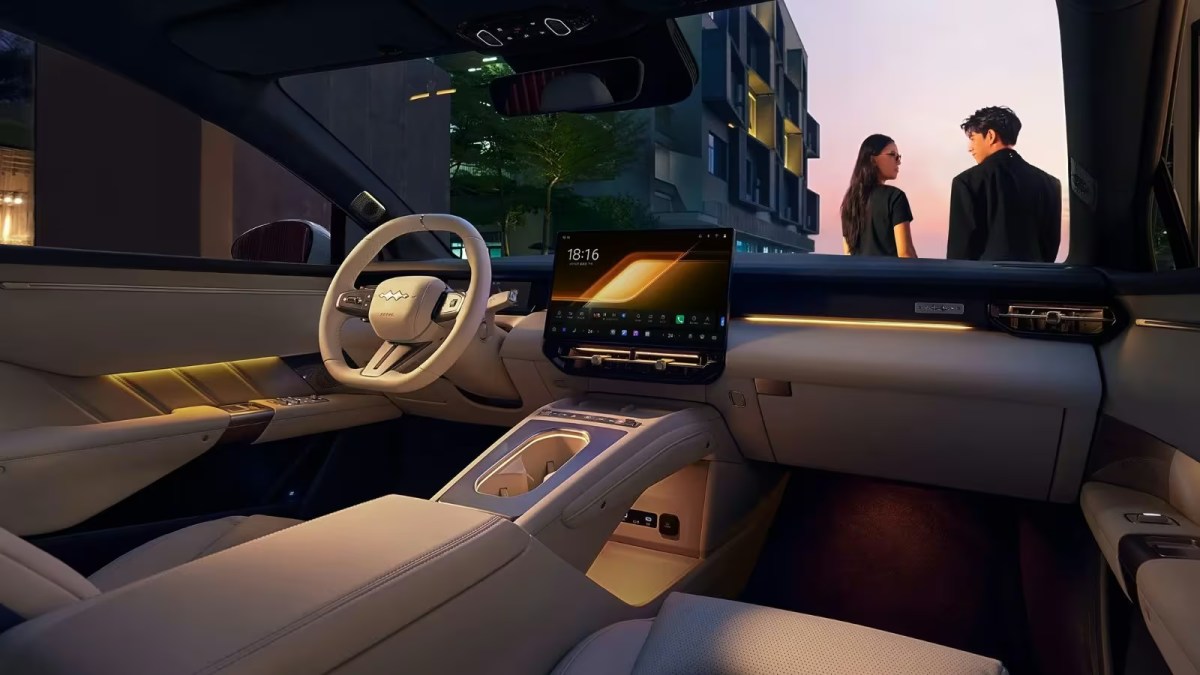
The cockpit balances digital theatre with an unusual dose of tactile fun. We get a sweeping 26-inch augmented reality head-up display, plush zero-gravity seating, and an acoustic soundscape tuned by French audiophile brand Devialet. On top of that, BYD engineered an open modular hardware ecosystem throughout the cabin.
Thanks to an array of PIN, magnetic, and threaded docking points, owners can bolt in physical shortcut dials, mount swiveling magnetic mood lights, or - because this is China's ultra-playful domestic market - plug in karaoke microphones for highway jam sessions.
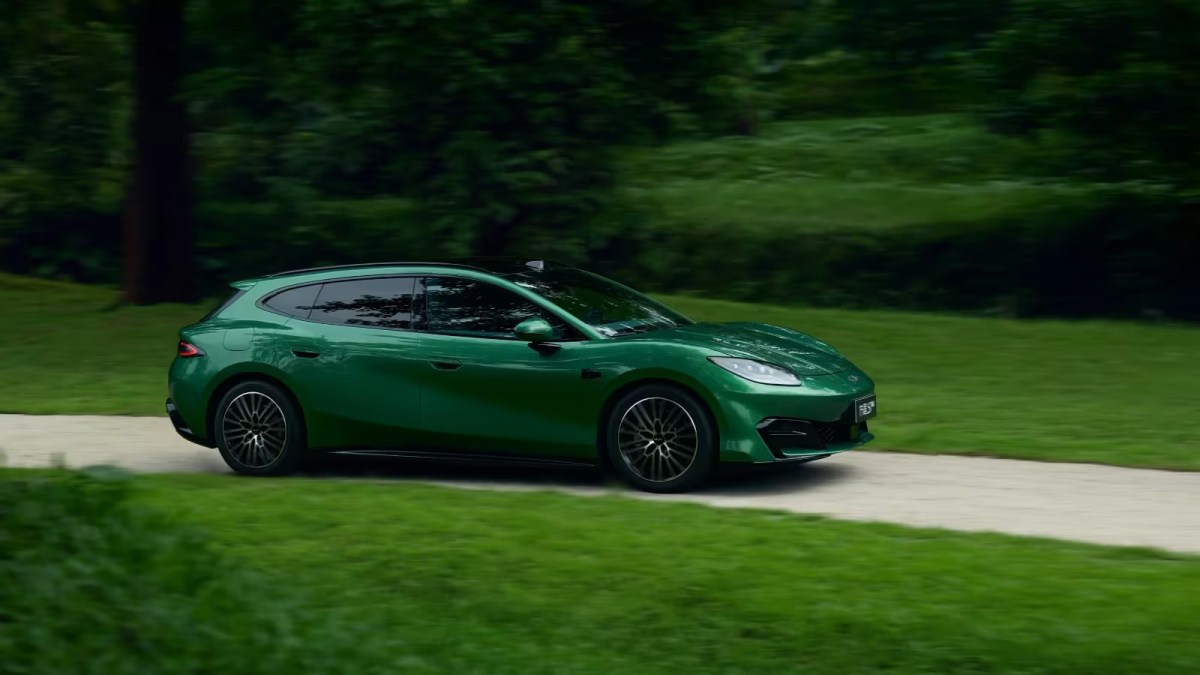
The Formula S family comes with a LiDAR sensor and BYD's proprietary "God's Eye B" driver-assistance suite; both the sedan and the shooting brake support full urban and highway navigation on autopilot (NOA), and both can perform automated parking routines. BYD needed this tech maturity to prove it can out-think Silicon Valley start-ups at their own game.
The Formula S and Formula S GT prove that BYD can pivot on a dime - if it has to. Bringing premium design down to mass-market, throwing in bespoke magnetic chassis tech, and offering a proper shooting brake body style right alongside the standard sedan - it is all Fang Cheng Bao firing a shot across the bow of every premium EV on the planet. Chinese driving enthusiasts have plenty of reasons to smile; the rest of us need to be patient - the Chinese are coming to a dealership near you.



From the team behind
GSMArena.com
Facebook
Twitter
Instagram
RSS
Settings
Log in I forgot my password Sign up