Lynk & Co built a cut-price EV to save its skin - 15,000 orders confirm they got it right
China, China, China… Nobody pauses to offer condolences in its cutthroat battery-electric dogfight - you really cannot call it another name. A simple stumble invites the competition to feed on your carcass. Lynk & Co felt that chill right down its spine this summer when its sales went into the red - deliveries down 37.44% year-on-year in August, total volume down by 14.84% across the first eight months of the year. When you are losing market share at that rate, you do not issue polite press releases. You build something that hits the market like a sledgehammer.
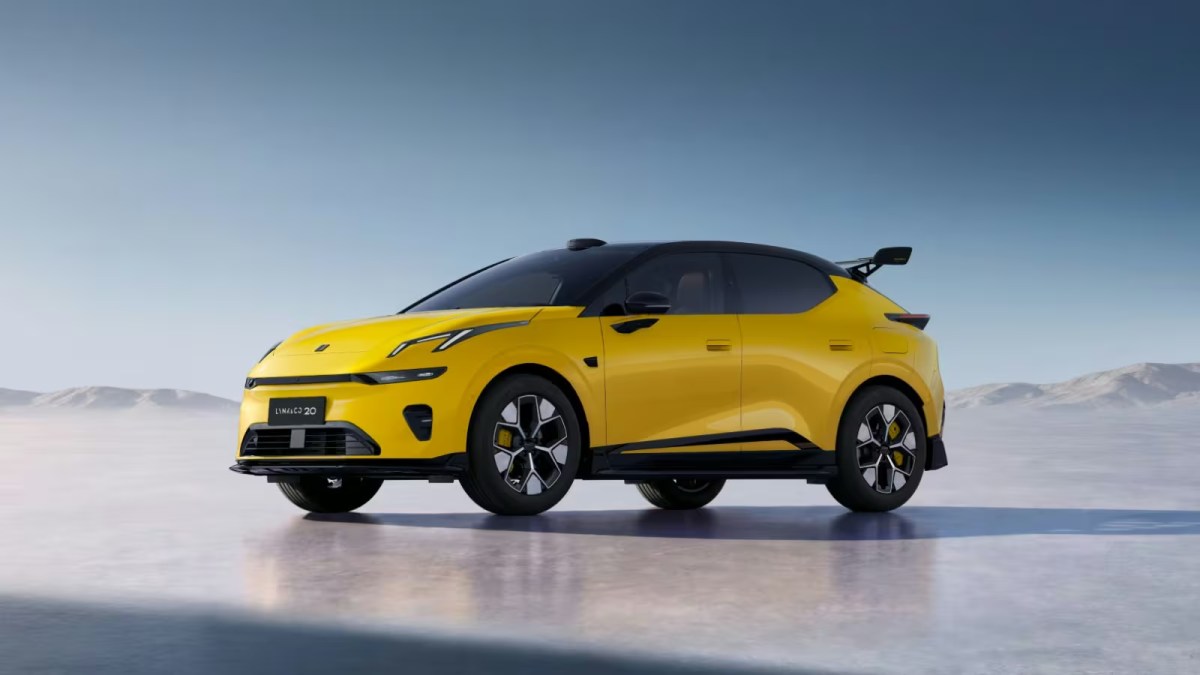
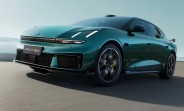
The freshly minted Lynk & Co 20 lost the "Z" to bring it back into line with the brand's classic numeric hierarchy, but European showrooms will get it as the new 02. But ignore the badge shuffle for a moment and look at what is actually happening here. In China, this electric hatchback has hit the market with an introductory promotional sticker of RMB 118,800 - which converts to $17,620. Even standard showroom pricing only stretches from RMB 123,800 ($18,450) up to RMB 163,800 ($24,410) for the full-fat flagship.
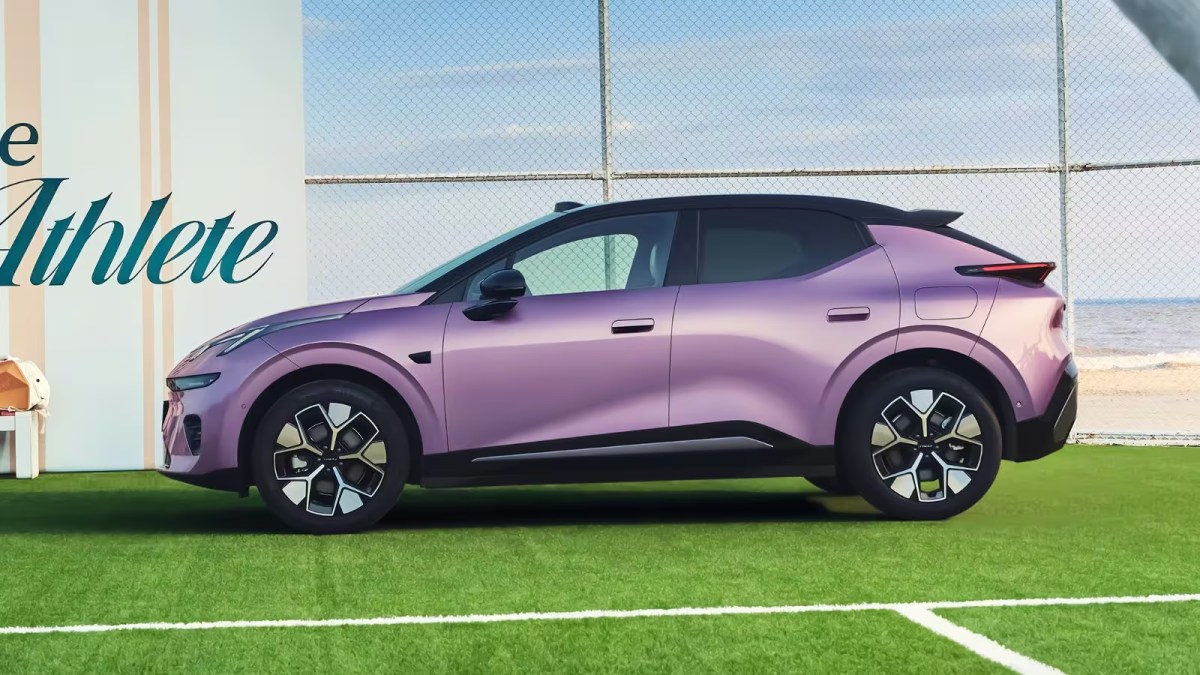
In the West, seventeen grand gets you a plastic-trimmed city hatch with halogen headlights and an asthmatic vacuum cleaner instead of an engine. In China, Geely is offering an 800V silicon carbide electrical architecture, 6C fast-charging, and standard roof-mounted LiDAR.
And we didn't have to wait too long for the market's response. Chinese buyers know good value when they see it, and within sixty minutes of the launch going live, Lynk & Co registered 14,663 firm, locked-in customer orders. These are committed buyers laying down real money and ticking option boxes.
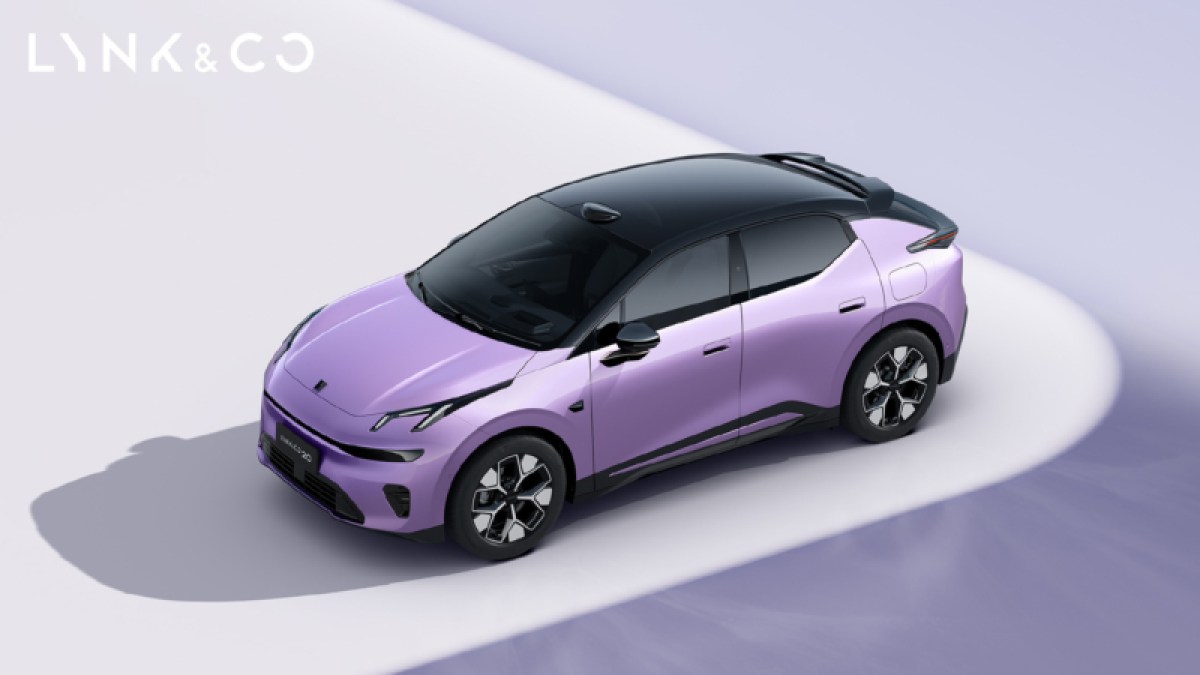
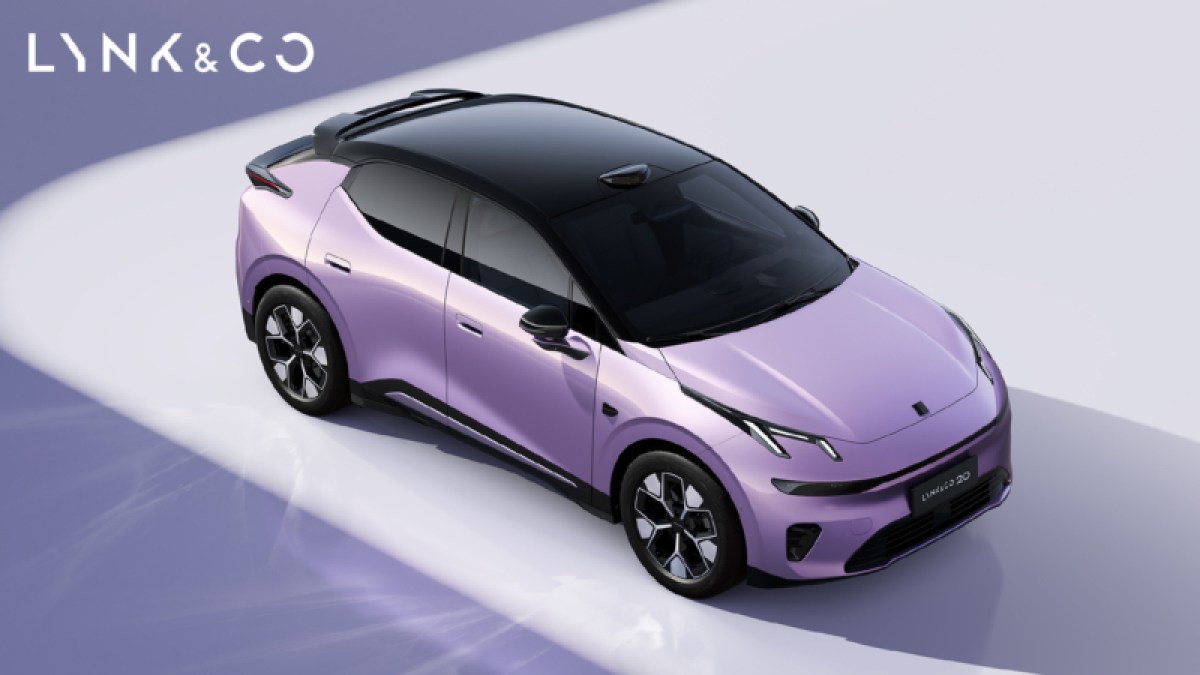
The refreshed "20" sits on Geely's Sustainable Experience Architecture (SEA2) used by Volvo and Zeekr, but it is the physical packaging where the Lynk & Co 20 stands out. The body stretches to 177 inches in overall length, with a width of 72.6 inches, a height of 61.9 inches, and a 108.5 inches wheelbase. Its corporate cousin, the fashionable Volvo EX30, measures a compact 166.7 inches stem-to-stern on a 104.3 inches wheelbase. Even against the Zeekr X (which is 174.5 inches long and sits on the same 108.5 inches wheelbase), the 20 looks longer, lower, and more athletic.
Many electric crossovers present cavernous exterior footprints only to offer shallow trunks, but the engineers here managed to carve out 15.9 ft³ of rear cargo capacity, expanding to 49.8 ft³ when you drop the rear seats. Up front, lifting the hood reveals a 125-l frunk complete with an integrated power outlet and a 55 lb cargo rating - a decent cubby that easily swallows charging cables and roadside clutter.
But the true gem hides under that refreshed body - Geely's new 16-in-1 integrated electric drive unit (internally designated TZ184QY301), with a remarkable 93% efficiency rating. It channels 245 kW (that is 329 hp in old money) and 236 lb-ft of instant twist to the rear wheels. No front motor corrupting the steering geometry, no torque-steer tugging at the rim - pure, rear-wheel-drive dynamics damped by MacPherson struts up front and a sophisticated five-link independent suspension arrangement out back.
Nail the throttle from a standstill, and it will charge from 0 to 62 mph in 6.4 seconds on its way to a tidy 125 mph ceiling. With curb weights pinned between 4,001 lb and 4,231 lb depending on the battery pack, it manages to keep its heft in check.
Naturally, Geely could not resist leaning into some silliness for the flagship "Flying Edition" trim, priced at RMB 163,800 (around $24,410). Ticking that box adds to your family-friendly commuter an aggressive carbon-fiber rear wing, a front splitter, side skirts, and an honest-to-goodness rear aerodynamic diffuser. Is a functional carbon downforce package on a single-motor crossover with a 6.4-second sprint time a joke? Without question. Does it inject a bit of rebellious character into a segment choked by bland transport pods? Absolutely. It is a cheeky visual swagger that makes sensible German rivals look sterile.
Unlike the vast majority of compact crossovers crawling around on 400V electrical hardware, the 20 packs a full 800V silicon carbide backbone mated to lithium iron phosphate (LFP) cells. Buyers choose between a 61.52 kWh pack with 339 miles of CLTC range (about 278 miles on the tougher European WLTP test) and a larger 70.01 kWh unit that pushes endurance to 391 miles CLTC (or 321 miles WLTP).

But the headline is not the range - it is the charging curve. Armed with 6C charging capability and a peak DC intake of 460 kW, this pack will go from 10% to 80% state of charge in about 12 minutes. By the time you find your way to a service station, get your caffeine fix, and get back, the car is ready to roll.
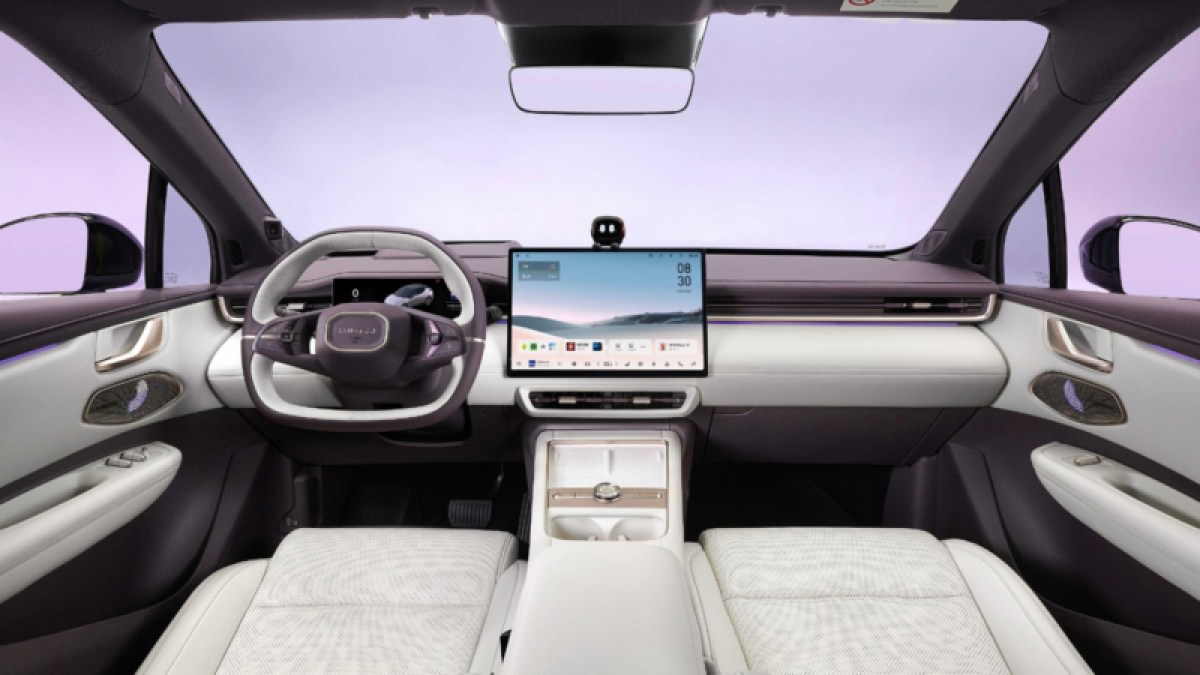
The most annoying part about Chinese "budget" EVs is that their cabins refuse to play the budget card. The new 20 is no different - you get a sharp 15.4-inch floating central touchscreen running the Flyme Auto interface, complemented by a slim 10.2-inch digital instrument cluster and a full head-up display. In typical Chinese domestic market fashion, the interior trim is playfully flamboyant: contrasting white-and-purple upholstery, tactile gold-finished speaker grilles, and purple seatbelts.
Sitting on the top of the dash is the "Super Eva" animated AI voice assistant - a physical avatar inspired by Nio's dash-top Nomi buddy. Audiophiles get a 23-speaker Lynk Sound acoustic setup complete with speakers inside the driver's headrest. The floating center console comes with a cooled 50W wireless phone charging pad and an onboard 6.8-l refrigerator.
In another surprising move, Lynk & Co has fitted a 192-line roof-mounted LiDAR sensor as standard across all five variants. Backed by 28 individual radar units running the Geely Afari Smart Driving (G-ASD) H5 architecture, the car supports point-to-point Navigation on Autopilot across both highways and urban environments, and it gets fully automated parking routines.

The Lynk & Co 20 is so much more than a clever facelift of the Z20. It is a survival gambit from a brand that found itself slipping and decided to attack its way out of trouble. Lynk & Co is supposed to be seen as the avant-garde, youthful bridge between Geely's mass-market cars and Volvo's Scandinavian luxury. But with domestic sales sliding, identity alone was no longer enough. The answer is an 800V powertrain, rear-wheel-drive balance, class-dwarfing cabin dimensions, top-shelf tech, and a rock-bottom entry price that still feels like a clerical error.

From the team behind
GSMArena.com
Facebook
Twitter
Instagram
RSS
Settings
Log in I forgot my password Sign up