Australia and New Zealand join long list of Cybertruck-less countries
A good utility vehicle is supposed to earn its keep not through showroom drama, but through how well it works with the roads, lanes, parking bays, and the everyday tasks of the real world. When a vehicle needs an entire country to reshape its streets and change regulations just to accommodate its presence - reality usually wins.
That reality finally caught up with Tesla this week, as the company formally notified reservation holders in Australia and New Zealand that plans to produce the Cybertruck for their markets have been scrapped. For those who put down a refundable deposit of {{A$150}} nearly seven years ago, the resolution arrived in a tidy customer service email. Tesla promised a full refund within 30 days and offered a free one-year subscription to its supervised driver-assist software - a package valued at A$1,788 - provided the customer agrees to buy a Model 3 or Model Y instead. It's a slightly cynical attempt to convert a broken promise into immediate sale - the game of three cups comes to mind.
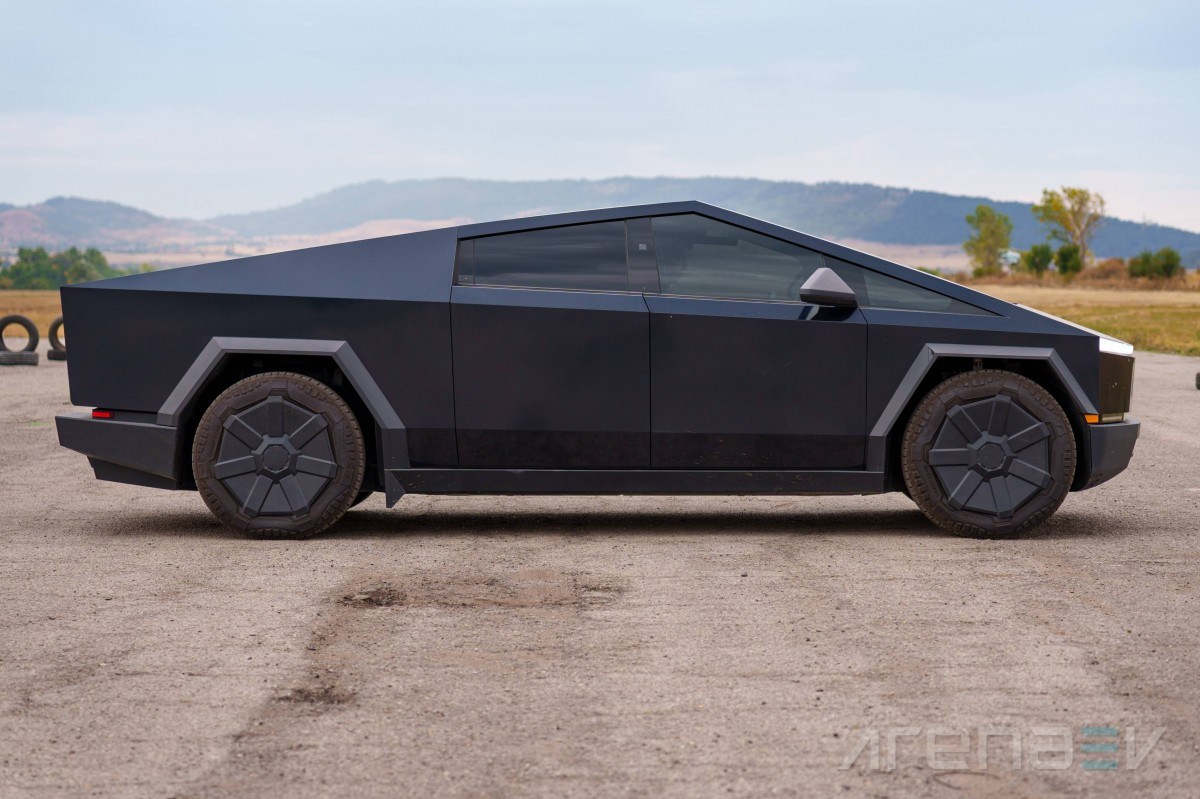
Let's not pretend we are surprised - the writing had been on the wall from day one. Manufacturing right-hand drive vehicles needs a bit more than simply moving a steering wheel and pedal box across an instrument panel. Usually it means new stamping setups, mirrored wiring harnesses, revised crash structures, and dedicated sub-assembly routing. When a factory is already wrestling with the complexities of folding ultra-hard stainless steel sheet metal, trying to engineer a low-volume run for Australia, New Zealand, the United Kingdom, and Japan makes little financial sense. Without right-hand drive homologation, the vehicle was dead on arrival.
Or was it? One thing that does not add up with this explanation is the fact that Cybertruck doesn't have a steering rack or standard hydraulic brake booster. It has an electro-hydraulic brake system, and it uses steer-by-wire, meaning - at least in theory - it doesn't matter which side of the car the steering wheel or pedal box is. It should have been a simple case of a new dashboard, new harness, and Bob's your Australian uncle.
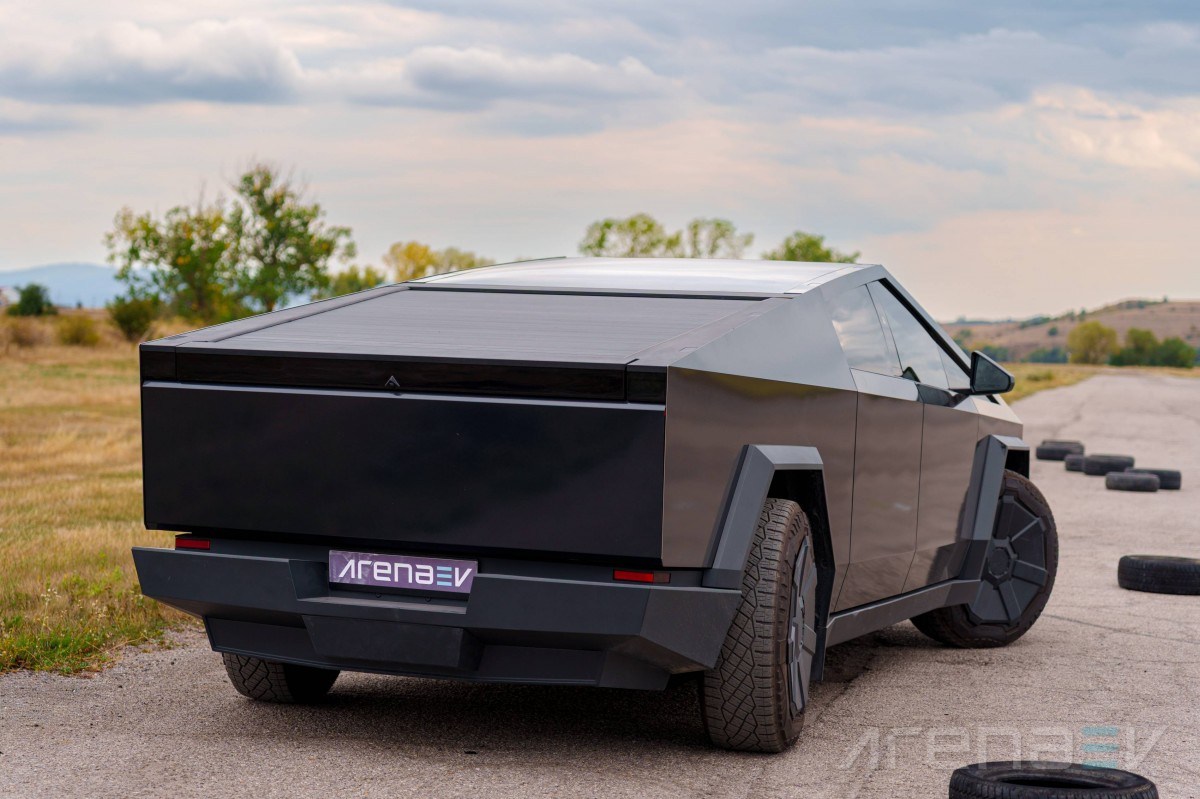
But even if the steering wheel was on the right, the scale of this truck makes it an awkward fit outside of North America. The Cybertruck is 223.7 inches long, 86.6 inches wide with folded mirrors, sits 69.1 inches tall, and has an RV-like 143.1 inches wheelbase. In dual-motor trim, it hits the scales at 6,603 lb, rising to 6,843 lb for the tri-motor variant. Those dimensions put it well outside the envelope of traditional regional workhorses, turning ordinary tasks like breakfast drive-throughs or parking outside a trade supply shop into unnecessary drama.
Ford built the F-150 Lightning to match traditional commercial dimensions, stretching even longer at 231.7 inches. But because the Ford has a conventional aluminum cab on a steel ladder frame, its weight stays leaner at 6,014 lb. On the other end of the spectrum, the Rivian R1T is "only" 217.1 inches long, and 81.8 inches wide. Sure, the Rivian is a lifestyle adventurer that can slip down a forested trail, whereas the Cybertruck occupies a strange middle ground: bigger than mid-size utes, yet less practical than a conventional full-size American pickup.
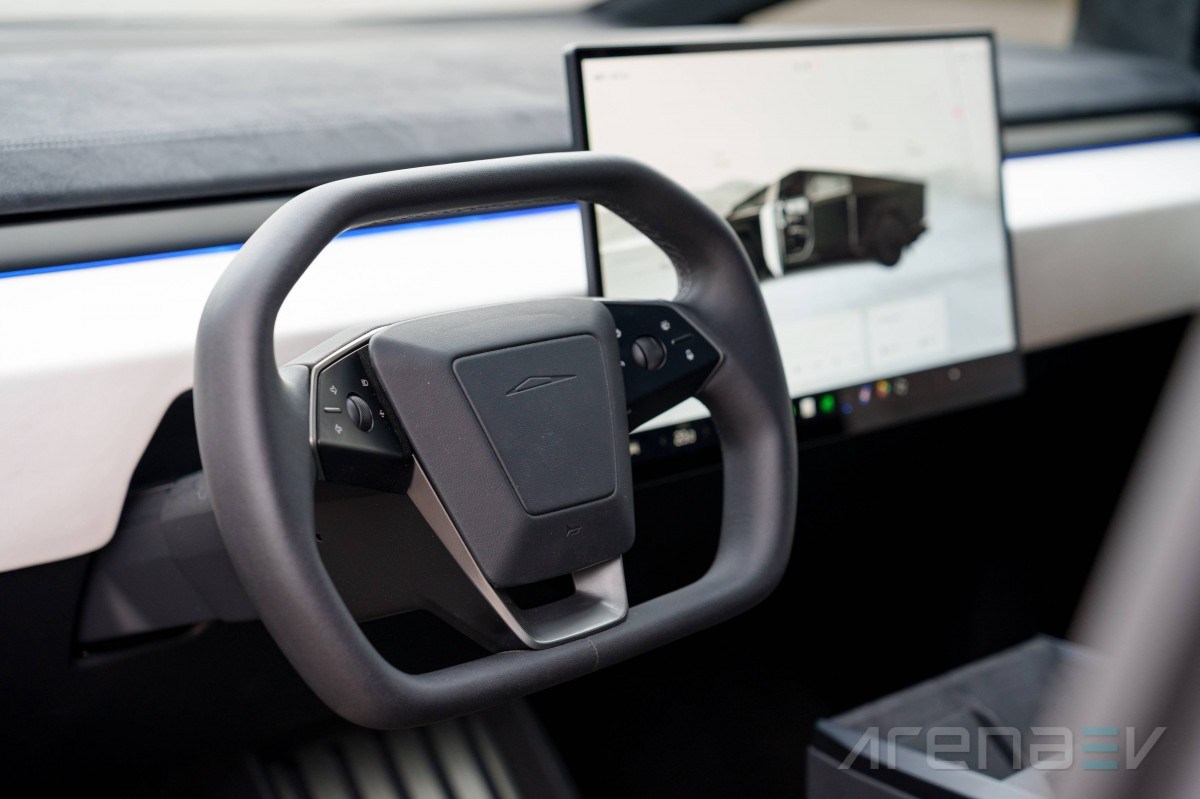
The engineering is awesome, but often feels at war with the vehicle itself. The steer-by-wire system and standard four-wheel steering are absolutely brilliant, shrinking the turning circle and giving the front axle a directness that makes no sense in a vehicle this size. At lower speeds, you turn the rectangular yoke and the truck darts with unexpected agility. But you cannot simply steer away mass. The moment you encounter uneven road cambers, the stiff body structure sends shudders through the suspension bushings. There is very little of the compliant, relaxed gait that experienced truck owners expect.
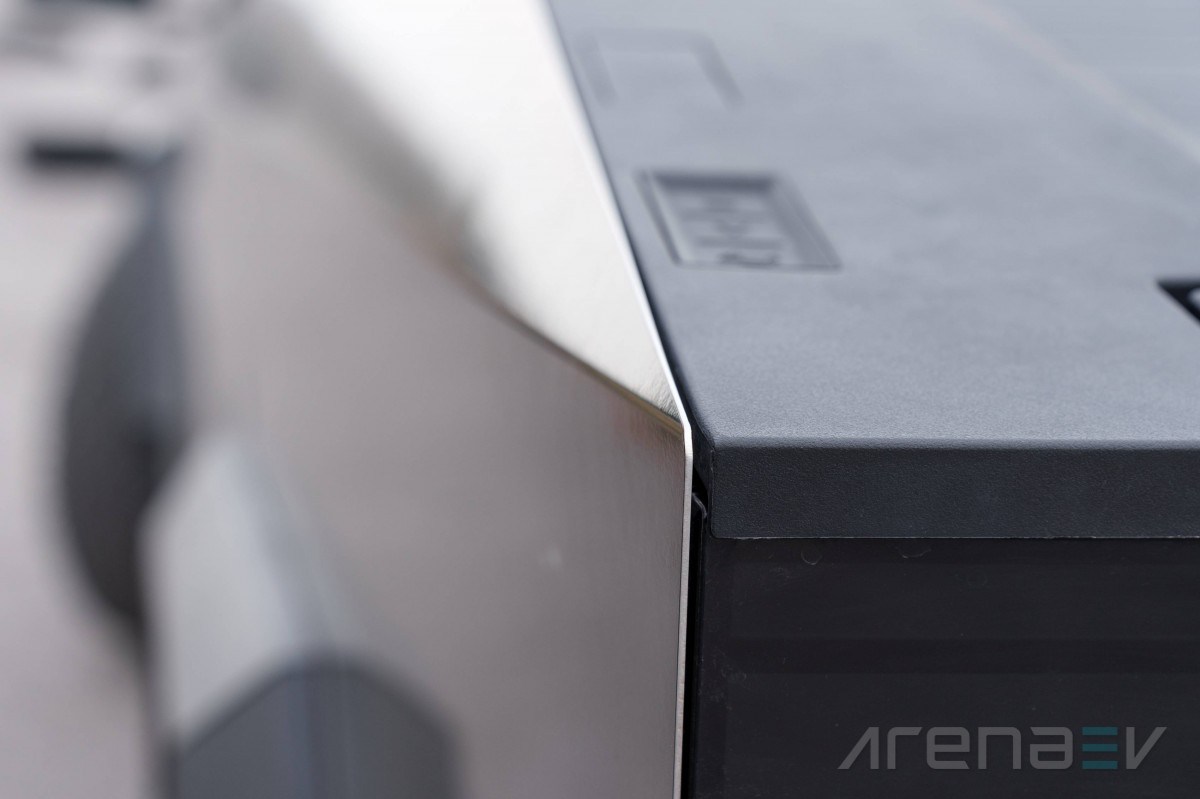
Chassis dynamics aside, the vehicle ran headfirst into the strict pedestrian protection rules that govern European and Australian road safety. In Europe, vehicles need deformable front impact zones and generous clearances between exterior sheet metal and rigid engine bay components - the Cybertruck will never be certified for general sale. German transport authorities concluded that "the vehicle deviates from European safety directives, and its rigid stainless-steel panels and sharp front corners pose excessive risks to vulnerable road users." The US Army Customs Agency even barred military personnel from privately importing the trucks into European bases. Australian Design Rules are similar European standards, meaning Tesla would have had to completely redesign the truck's front clip to earn approval - an expense that simply could not be justified.
Even if (and it's a huge "if") there was any justification at the start, it eventually disappeared as North American sales fell off the cliff. When Tesla first showed the prototype, company executives boasted about global demand with more than one million hand-raisers, projecting annual production rates reaching 250,000 units. The actual sales numbers tell a painful story. Deliveries reached roughly 39,000 units in the United States throughout 2024, slipping to about 20,250 units in 2025. By late 2026, sales are hovering between 11,000 and 16,000 Cybertrucks - about 5% of those lofty targets.
In markets like Australia and New Zealand, utility buyers are unsentimental. The dual-cab landscape is ruled by the likes of the Toyota Hilux, Ford Ranger, and Isuzu D-Max - vehicles engineered to haul fencing materials across corrugated red dirt and riverbeds, and survive decades of heavy abuse with basic hand tools. A stainless-steel wedge carrying an imported price tag well into six figures was never going to threaten the trade fleet. Local buyers may enjoy electric acceleration, but they prize payload endurance, effortless accessory mounting, and the certainty that replacement parts are stocked at the local dealership three hours down the track.
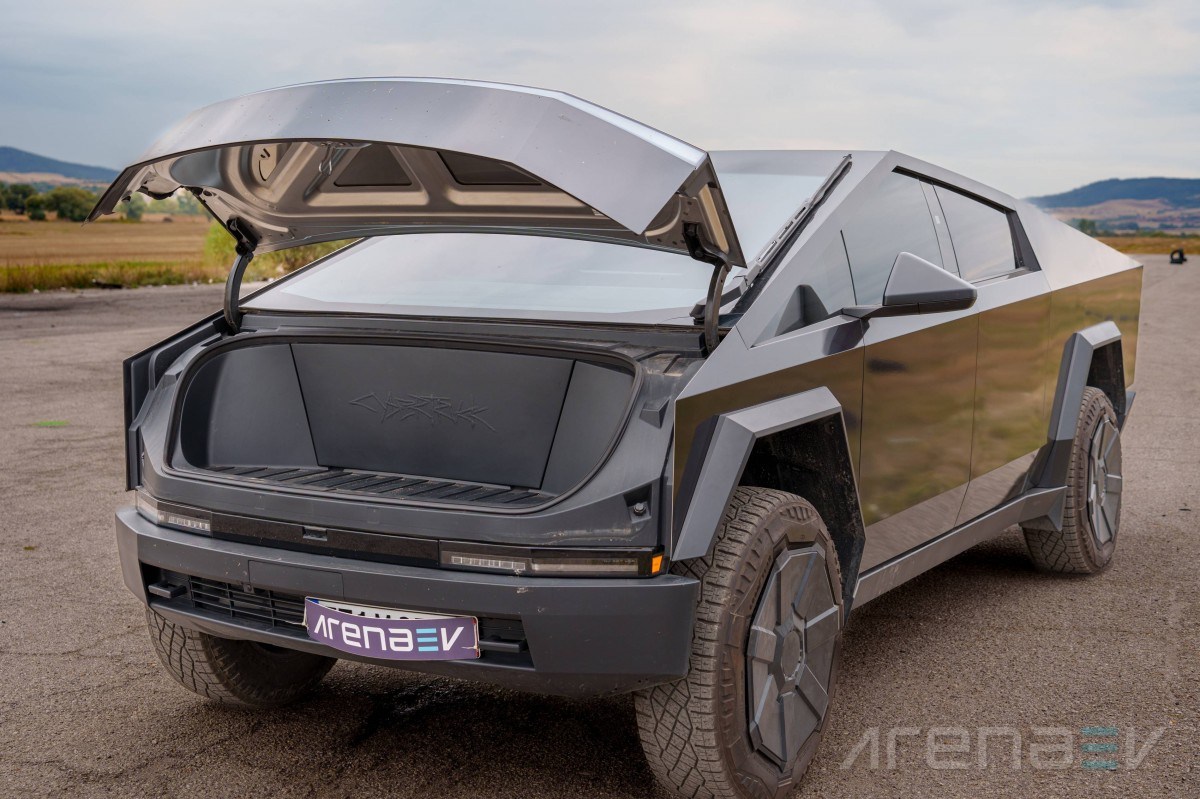
Seven years of waiting ended not with a dramatic product launch, but with an automated refund notification. The Cybertruck will remain a fascinating, albeit polarising sight on American highways. I think true automotive progress should be measured by how well a vehicle fits into the world it was built for - not by how loudly it rejects it. How long before Tesla pulls the plug on the Cybertruck in the US? You might not like that idea, but that moment is coming, and it'll be a huge shame.



From the team behind
GSMArena.com
Facebook
Twitter
Instagram
RSS
Settings
Log in I forgot my password Sign up