Real demand or leftover stock? The truth behind Xiaomi’s electric SUV inventory
The internet loves a quick conclusion, especially when it involves technology giants entering the automotive world. When Xiaomi Auto founder Lei Jun announced that customers could pick up a limited number of YU7 electric SUVs within a few hours, online critics quickly claimed that the vehicle was losing its appeal. Commentators jumped on the news to suggest that weak consumer demand was creating unmanageable inventory - official data and upcoming product strategies tell a completely different story.
A closer look at the ordering platform reveals exactly where these rapid-delivery YU7 come from. Instead of a factory floor overflowing with unwanted electric cars, the immediate stock is made up of mostly vehicles from canceled orders or transactions that failed due to finance issues. Xiaomi also includes "almost-new" models in this mix. These units suffered minor cosmetic damage during transport before registration, and the company sells them with complete repair history disclosed to buyers.
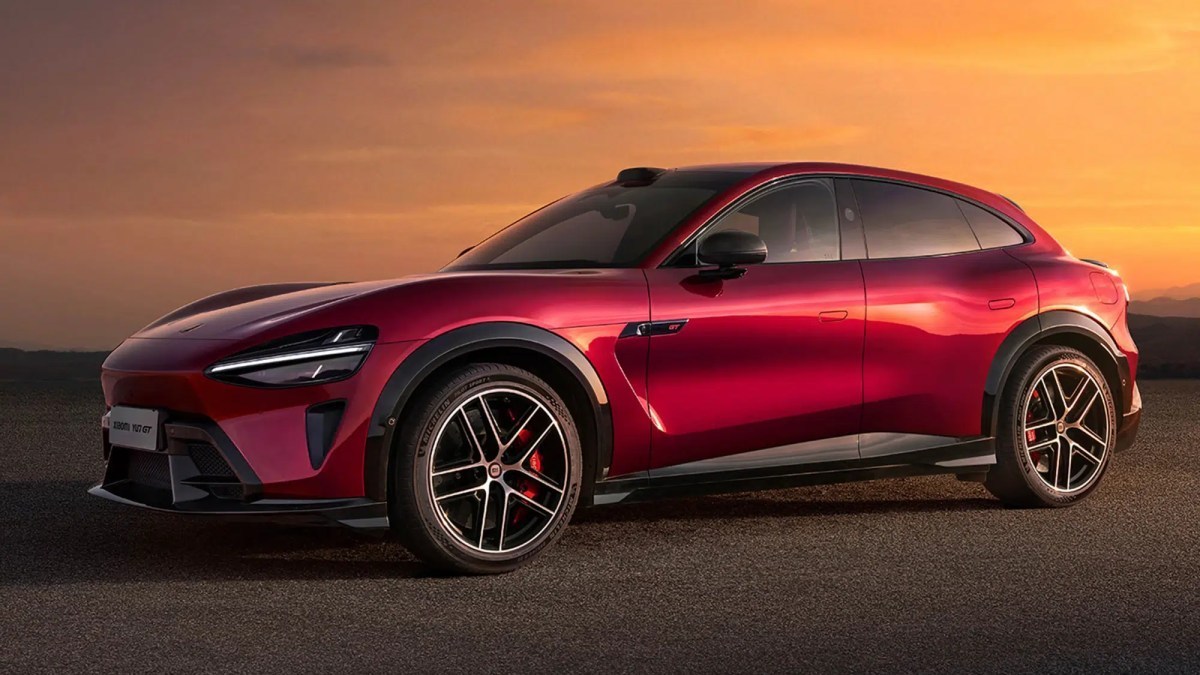
This type of fast delivery is not a sudden emergency measure for the brand. In May, Xiaomi announced that some existing stock vehicles could reach customers in just two hours. This is a massive shift from the early days of the YU7, when buyers routinely faced waiting periods between 33 weeks and 56 weeks depending on the configuration they chose. The manufacturer attributes the shorter lead times to improved production capacity rather than a sudden drop in customer interest.
In fact, normal custom orders for the YU7 still need a lot of patience. Buyers who customize their vehicles must wait between 6 weeks and 9 weeks for delivery. Like the earlier SU7 sedan, the YU7 SUV experienced a massive wave of initial orders that naturally quieted down over time. Critics pointed to the cooling enthusiasm as a sign of trouble, but market experts view this deceleration as a standard normalization phase for any highly anticipated launch.
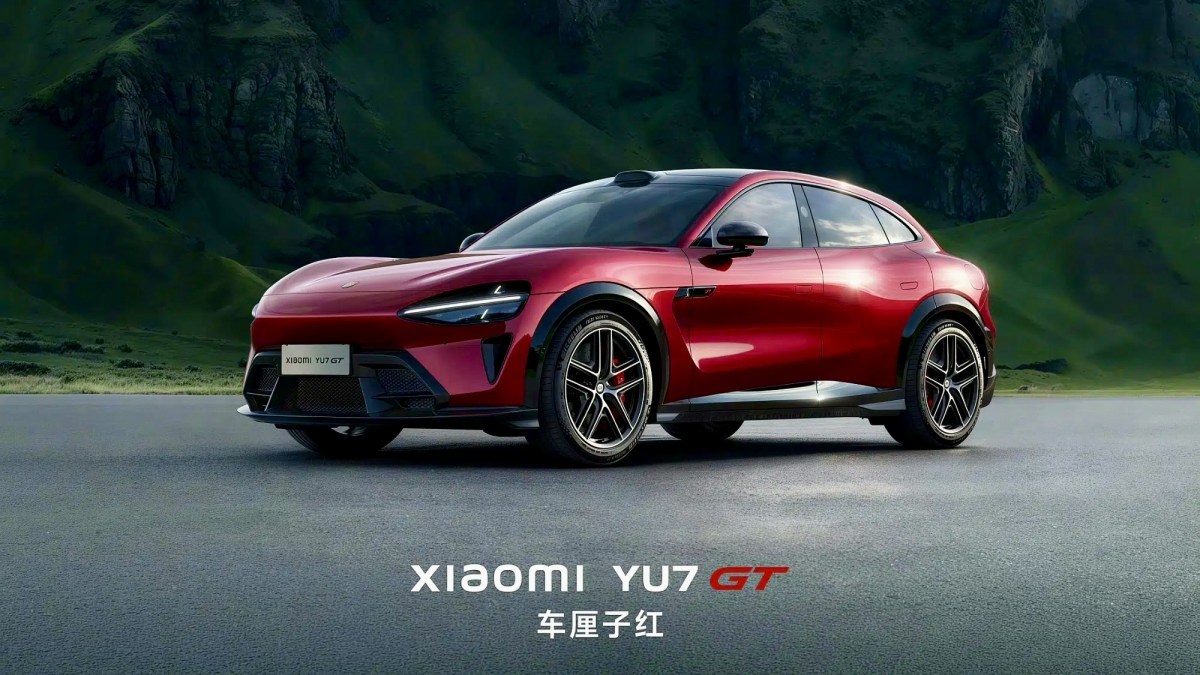
Domestic sales figures reveal this stabilization process. Data from China EV DataTracker shows that domestic sales of the YU7 dropped from 37,869 units in January 2026 to 20,196 in February. The downward trend continued into the spring, with sales hitting 13,558 vehicles in March and landing at 9,876 in April. Sure, these numbers are far below the frantic launch-period headlines, but the YU7 still is a major sales pillar for Xiaomi Auto.
Despite the drop in individual YU7 numbers, the company's overall performance is as strong as ever. Xiaomi Auto achieved a total of 36,702 vehicle deliveries in April 2026 - a sharp 71.2% increase compared to the previous month (2.6% market share in China). The company maintained its upward path into May, reporting total deliveries of over 30,000 EVs.
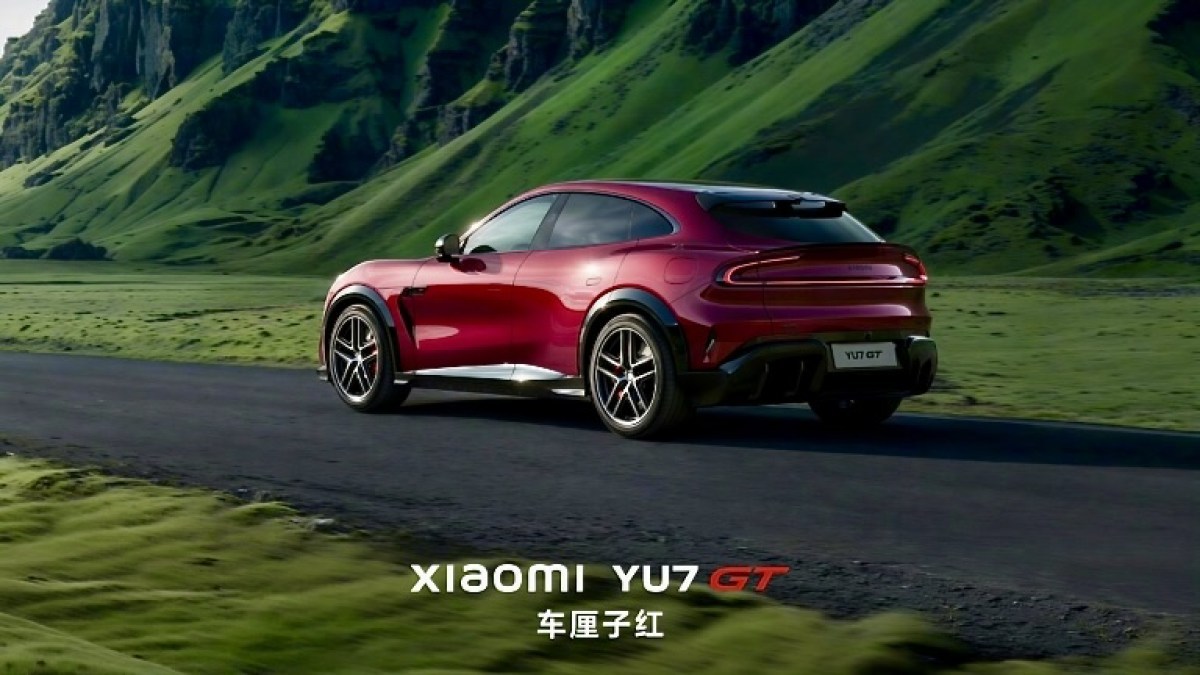
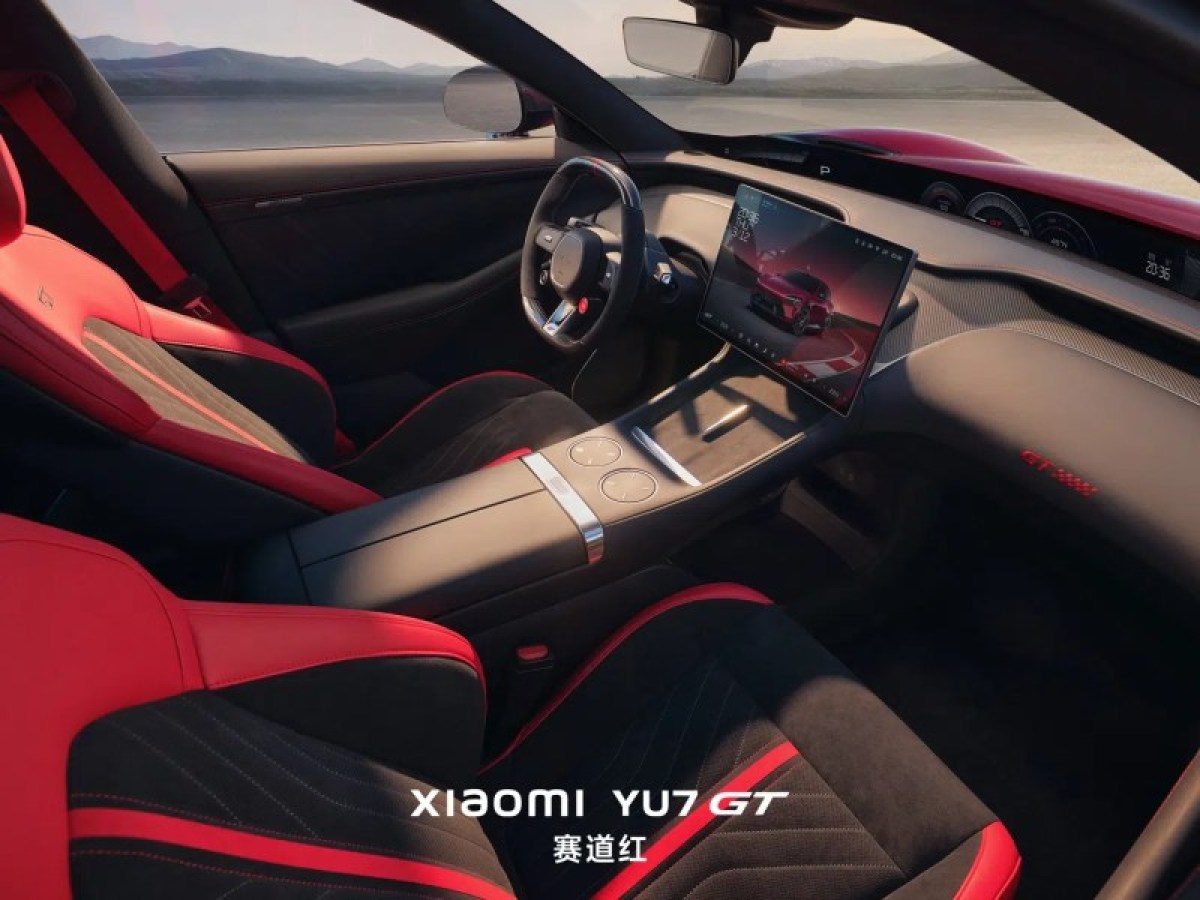
To keep buyers interested and diversify its lineup, the brand is branching out into different automotive niches. For performance enthusiasts, the company introduced the YU7 GT with a starting price of $57,300. The track-ready SUV even set a new lap record at the famous Nürburgring racetrack in Germany before it arrived in retail stores.
Xiaomi is also looking beyond pure battery-powered vehicles to capture a wider audience. Test vehicle sightings reveal an internal project named "Kunlun," focused on building three extended-range electric SUVs. These hybrid-like EVs combine a standard battery-electric drivetrain with a small, gasoline-powered generator. The generator does not drive the wheels directly, but it charges the battery on the go - perfect for family buyers who worry about finding fast-charging stations in remote regions.
The tech firm has already registered the name "Xuntian," which industry experts believe could become a dedicated sub-brand for these upcoming family vehicles. The product expansion comes at a time when Xiaomi Auto faces intense pressure to reach its ambitious 2026 delivery target of 550,000 electric cars. Company records show that the brand delivered between 140,000 and 150,000 vehicles during the first five months of the year, meaning production must accelerate a lot to hit the annual goal.
Growing a car business from scratch also brings severe financial pain. Xiaomi revealed that its automotive division lost approximately $5,600 per vehicle during the first quarter of 2026. Massive investments in research, development, and new factory tools continue to drain cash. Public scrutiny is exceptionally high too, as demonstrated by a fire involving an SU7 Ultra model. An internal company investigation revealed that data from the vehicle showed the battery pack did not fail before the fire started.




From the team behind
GSMArena.com
Facebook
Twitter
Instagram
RSS
Settings
Log in I forgot my password Sign up