Shell’s new cooling fluid to make charging EVs much faster
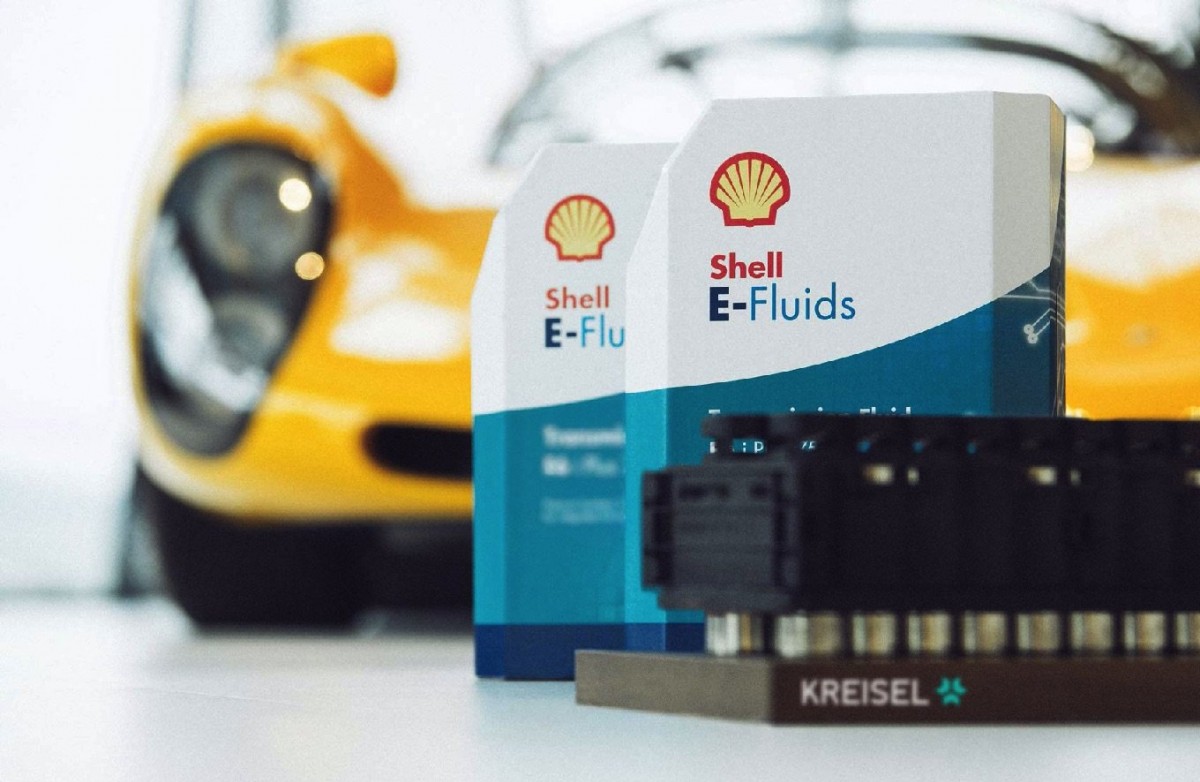
Shell has developed a new fluid that it claims can drastically cut down the time it takes to charge an EV battery. The company suggests its new thermal management fluid could help to charge an electric car battery from 10% to 80% in less than 10 minutes.
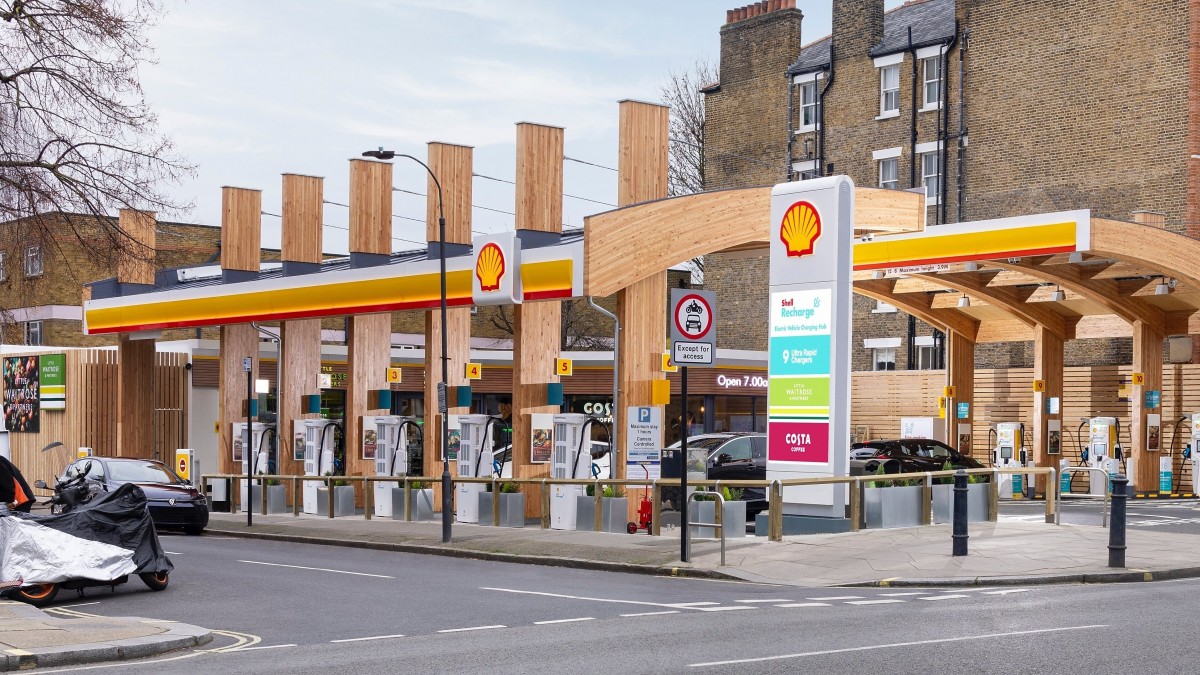
One of the biggest drawbacks for people considering switching to electric cars is charging time. You can fill a gasoline car in a few minutes, but charging an EV can take anywhere from 30 minutes at a fast charger to several hours at home. This wait time is a major inconvenience for many people.
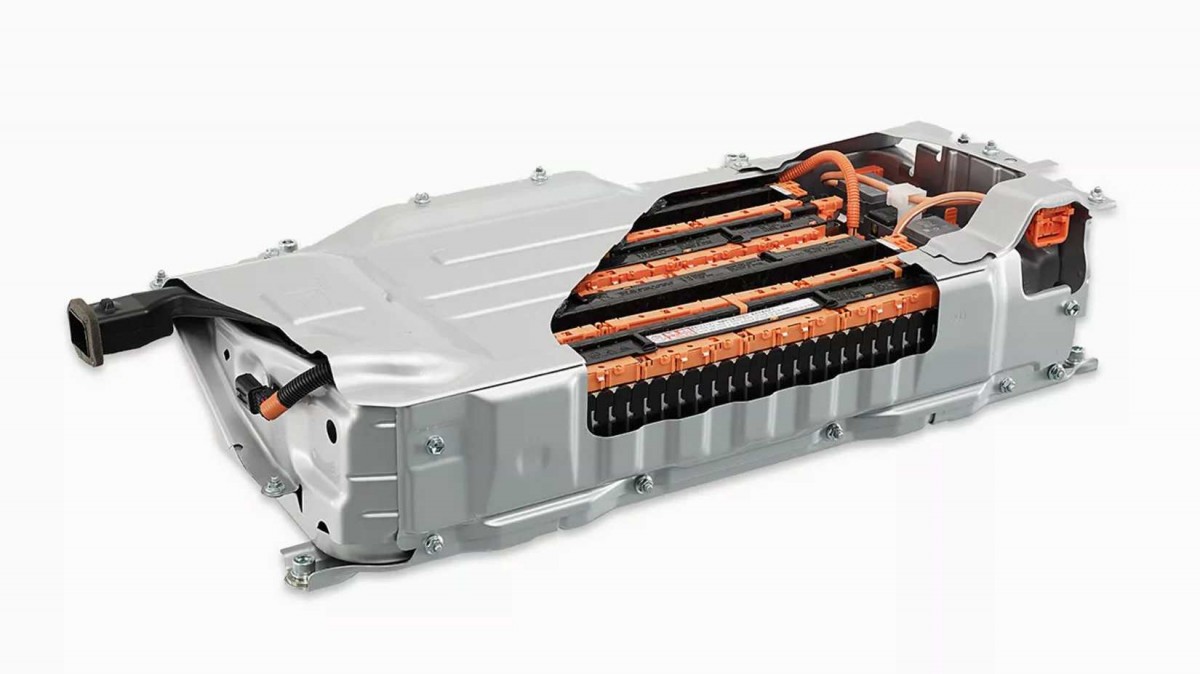
The reason charging takes so long is heat. Pushing electricity into a battery quickly generates a lot of heat. Too much heat can damage the battery cells, reducing their lifespan and even creating safety risks, and for that reason car manufacturers have to limit charging speeds to keep the battery at a safe temperature.
Shell's solution is a clever one. The company, working with the engineering firm RML Group, has created a non-conductive fluid designed to be poured directly into the battery pack. This fluid surrounds each individual battery cell, filling all the tiny gaps.
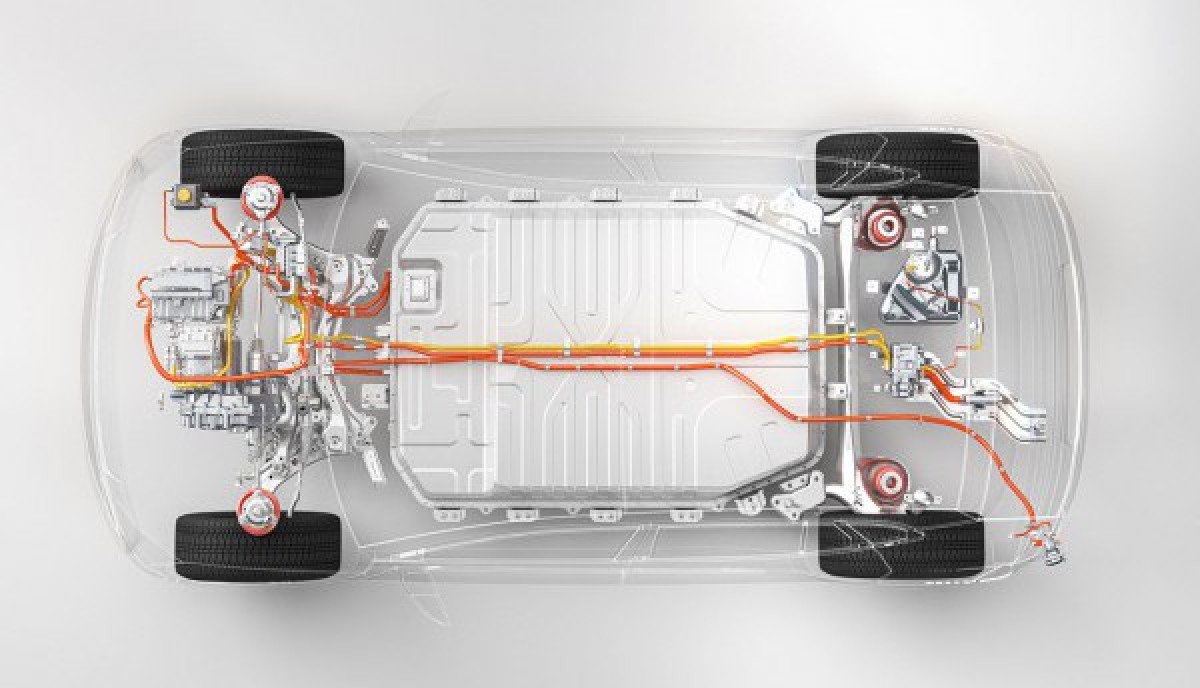
Because the liquid is in direct contact with the cells, it can pull heat away much more effectively than current cooling methods, which often rely on cooling plates or channels that don't touch every part of the battery. By keeping the cells cool, the battery can handle much faster charging currents without overheating or suffering damage.
To prove its concept, Shell tested the fluid on a 34 kWh battery pack. This is a relatively small battery that we usually find in cars such as the new Honda N-ONE e or the Fiat 500. The test battery did really well - it charged from 10% to 80% in just under 10 minutes.
Shell also did some math on what this could mean for future, highly efficient electric cars. It calculated that a very aerodynamic car getting 6 miles per kWh could add about 15 miles of range for every minute it's plugged in. The only issue with this math is that no production EV is that efficient yet.
Of course, Shell isn't the only company racing to solve the fast-charging puzzle. The world's largest battery manufacturer, CATL, has also made a lot of progress. The just-revealed Shenxing Pro battery can apparently charge from 10% to 80% in around 15 minutes. It might seem this number is worse than what Shell achieved, but that's until you realize CATL's battery has 122 kWh capacity - nearly four times more than the test battery Shell used.
It's good to see legacy oil companies looking to the future, but the road ahead for Shell's technology will depend on a few key factors. Automakers will need to design new battery packs specifically for this type of liquid-immersion cooling. The cost of the fluid and the new battery design will also play a big role. If it's more expensive, it may only appear in high-end luxury EVs at first.


Reader comments
- Anonymous
- 35Z
Sigh, Shell can back off from Evs, let the big boys do the job. Ain't no cooling fluid going to make a difference, we don't need cars with 30 plus kWh, we need at least 100kWh.

From the team behind
GSMArena.com
Facebook
Twitter
Instagram
RSS
Settings
Log in I forgot my password Sign up