Skoda hypermiles the new Peaq to claim 936-km record-breaking range
Hypermiling is very much like competitive meditation - it demands a monk-like discipline, bordering on clinical obsession. Tires pumped to granite firmness, every comfort accessory banished, climate systems powered down, and a right foot operating with the featherlight delicacy of a watchmaker. Nobody actually drives like this in the real world, yet car companies simply cannot resist the siren song of a massive distance record.
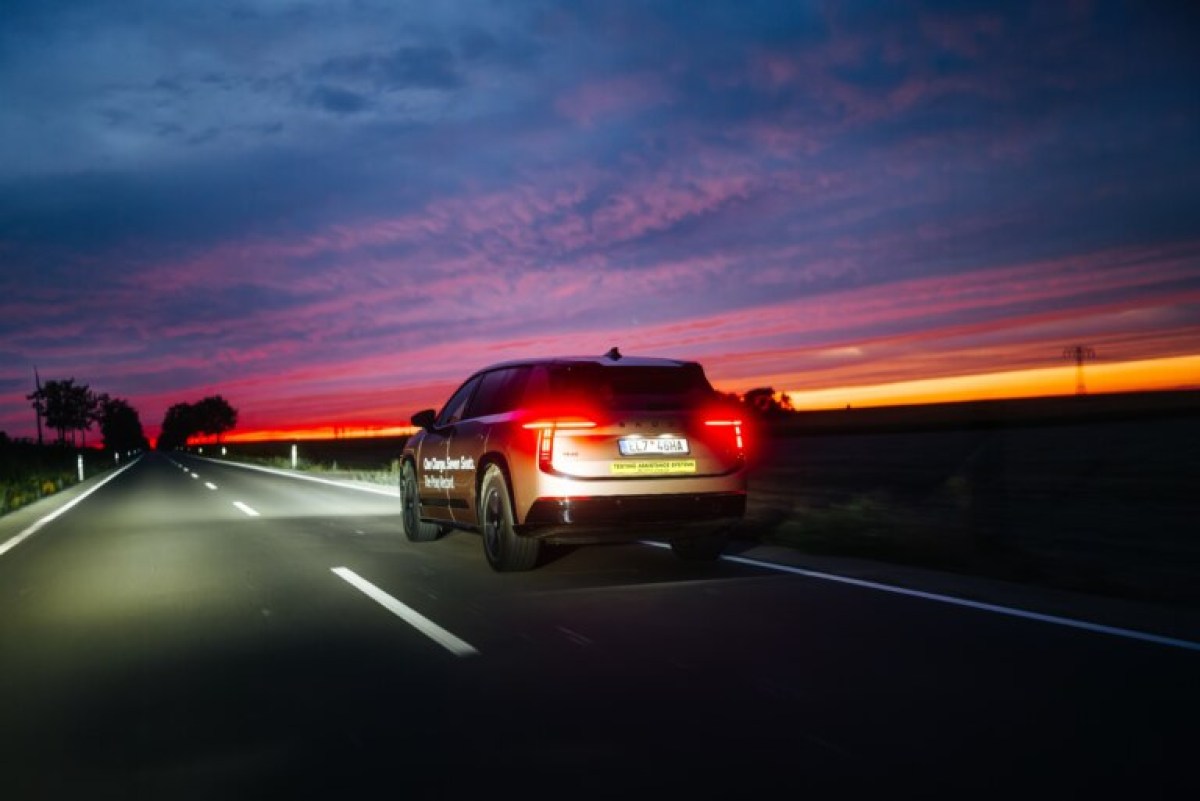
Skoda Peaq, a seven-seat electric flagship, rolled all the way from its birthplace in Mladá Boleslav to the sand dunes of Zandvoort on a single charge. As expected, the headline figures land with theatrical flair: Skoda's engineering squad squeezed an astonishing 936-km out of the production Peaq 90, drawing juice from a 91 kWh lithium-ion battery pack with an 86 kWh usable capacity.
With TÜV SÜD certifiers slapping stickers on to keep everyone honest, the crew breezed straight past the car's official WLTP figure of 402 miles by almost 45%. Along the way, the big family hauler reportedly logged an average energy consumption of just 9.2 kWh per 62 miles. On paper, it sounds like a world's greatest technical triumph, the kind that corporate marketeers love plastering across glossy billboards.
Then you ask Google Maps if it's possible, and the glorious illusion begins to crack into a rather comedic reality. Mladá Boleslav to the Dutch coast is a trek of roughly 936 km (945 according to Google when avoiding highways) across the spine of Germany. Even if you explicitly order your navigation software to shun high-speed Autobahns and meander exclusively along secondary roads, the drive ought to swallow roughly 16 hours.
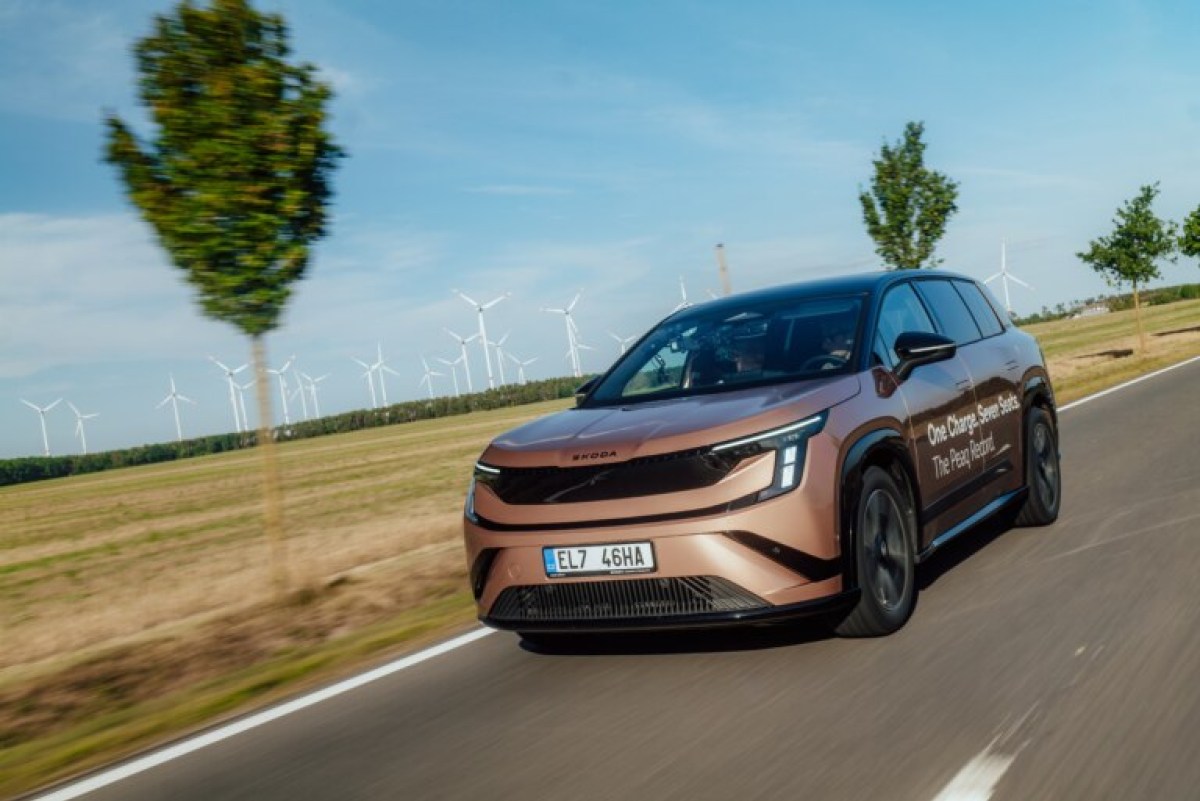
Skoda's brave marathoners, however, took somewhere around 26.5 hours to reach the seaside resort. If you scrutinize the official media photos, an awkward timestamp on the dashboard shows an odometer roll-out at 7:31 AM rather than the press release's claimed "midday" departure. Should the camera clock speak the truth, that jaunt stretched to a painful 31 hours.
That means our intrepid crew drifted across Western Europe at an average moving pace between 19 mph and 24 mph, depending on which time you trust. Honestly - an amateur cyclist on a carbon-frame road bike could have done it quicker. I am fairly confident I could nurse an absurd four-figure range out of an electric golf cart if I spent an entire working week drafting the slipstream of a tractor and getting all the regen I could downhill. Sluggish crawls across backroads reveal plenty about aerodynamics, but they tell everyday drivers absolutely nothing about surviving a wet Friday afternoon sprint down the motorway with screaming kids in the third row.
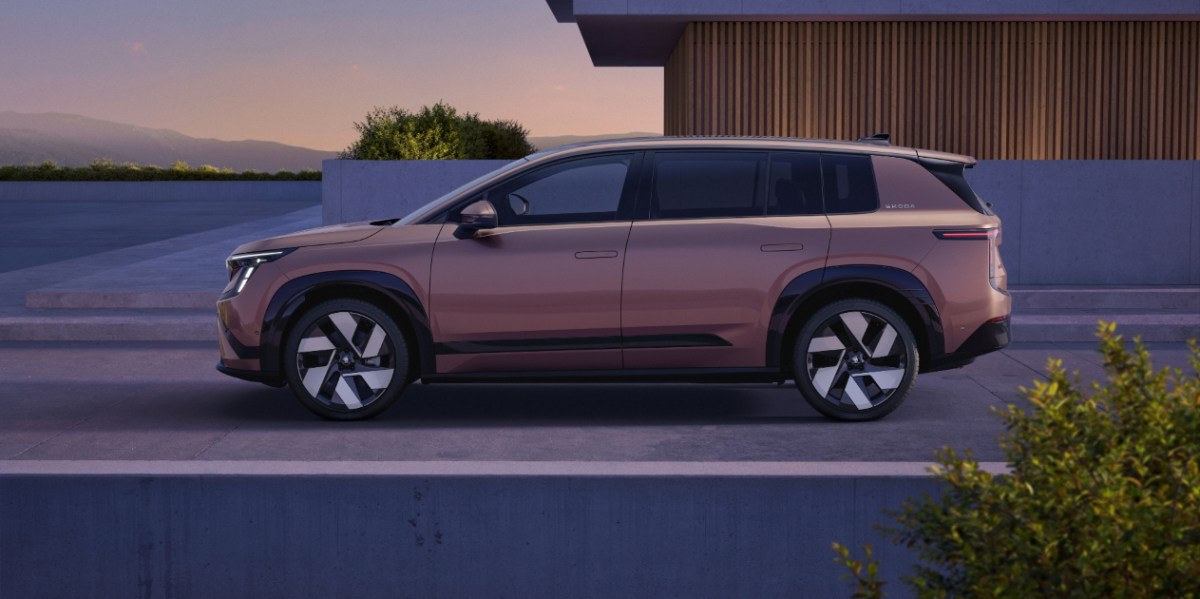
Still, under all that PR pantomime is a truly clever piece of packaging and aerodynamic refinement. Shoving a seven-seater through the air at an average of 9.2 kWh per 62 miles - even at bicycle speed - means obsessive attention to airflow. The Peaq has a drag coefficient of 0.249, a very slippery figure achieved through active cooling flaps, flush pop-out exterior door handles, and a tapered roofline derived directly from the Vision 7S concept car. Skoda managed to make a large people-carrier slice through the atmosphere with less resistance than plenty of pint-sized hatchbacks.
Stretching 191.9 inches from nose to tail on a 116.7 inches wheelbase, with a width of 73.5 inches and a ground-hugging roofline of 65.5 inches, the Peaq takes a different design philosophy than something like the Kia EV9. The Korean rival is a towering monument of visual bravado: at 197.4 inches long, 78 inches wide, and standing 70.1 inches tall, it weighs north of 5,732 lb. The EV9 punches through the air like a concrete tower block, whereas the Peaq went for the sleek, wagon-adjacent stance that Czech designers executed better than almost anyone else in the business.
The higher up the prestige ladder we look, the sharper that contrast gets. The plush Volvo EX90 casts a huge shadow at 198.3 inches in length and tips the scales at nearly 6,173 lb, demanding a wallet-scorching price that easily clears $99,600 - that's before you even notice the option list. Down in the more modest family territory, the Peugeot E-5008 measures 188.6 inches and retails around $56,200, but its tighter cabin pinches knee room for adult passengers relegated to the rearmost perches.
Skoda threaded the needle neatly here: despite its sleek silhouette, the Peaq still has 7.8 ft³ of usable luggage volume behind the third row of seats. With starting prices hovering around $62,100, and rising toward $76,100 for the dual-motor 90X flagship, it undercuts the Scandinavian and Korean giants, and manages to offer more everyday usability.
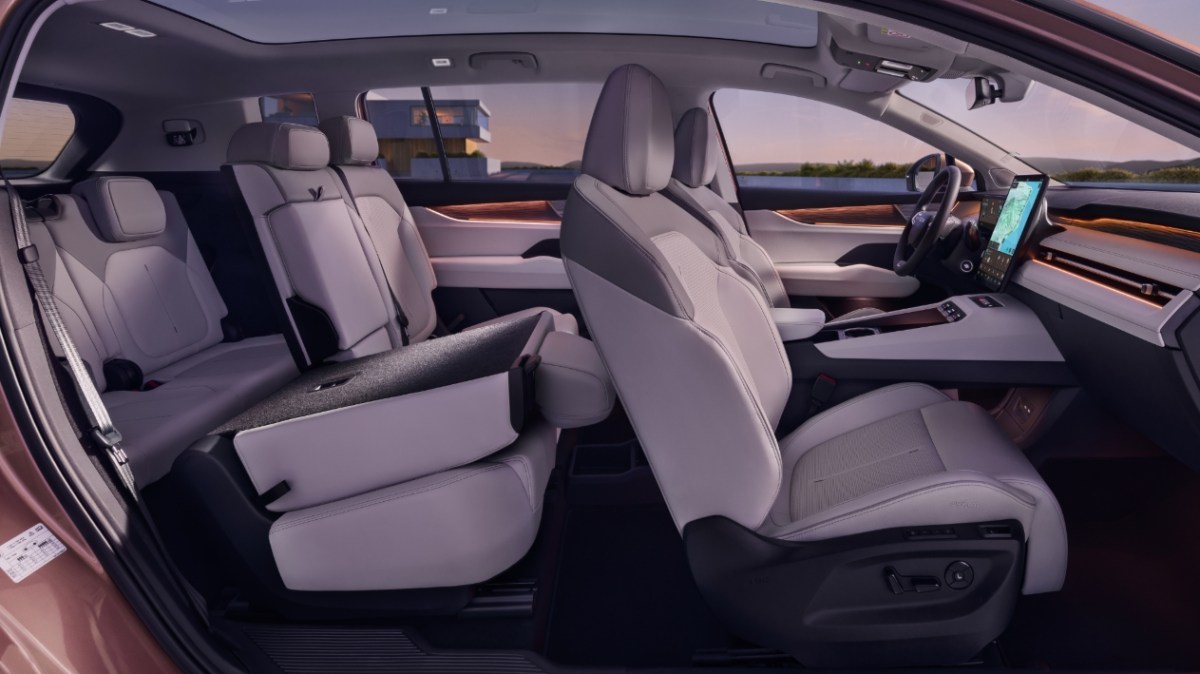
We need to be completely honest about what happens when real owners take delivery: nobody will drive this machine like a hypermiling hermit. The production Peaq 90 delivers 210 kW (that is 286 horsepower) to its rear axle courtesy of the Volkswagen Group's punchy APP550 electric motor. You do not buy a rear-wheel-drive EV with that many ponies waiting under your right boot just to dawdle behind combine harvesters.
Once you turn the aircon on, fire up the heated seats, merge onto the Autobahn at 81 mph, and let those 286 horses stretch their legs, physics will deliver a bill you cannot escape from. In the real world, you can expect consumption to settle somewhere between 19 kWh to 22 kWh per 62 miles, returning a perfectly respectable, real-world highway range closer to 249 miles, maybe 280 miles at a push.
The record run on its own reflects how far Skoda has traveled as a brand. The Czech outfit used to be the butt of tired jokes, building quirky runabouts before reinventing itself under Volkswagen ownership as the master of utilitarian value. Over the past five years, vehicles like the Enyaq and the new Elroq demonstrated that Mladá Boleslav could beat its German parent company at its own platform game.
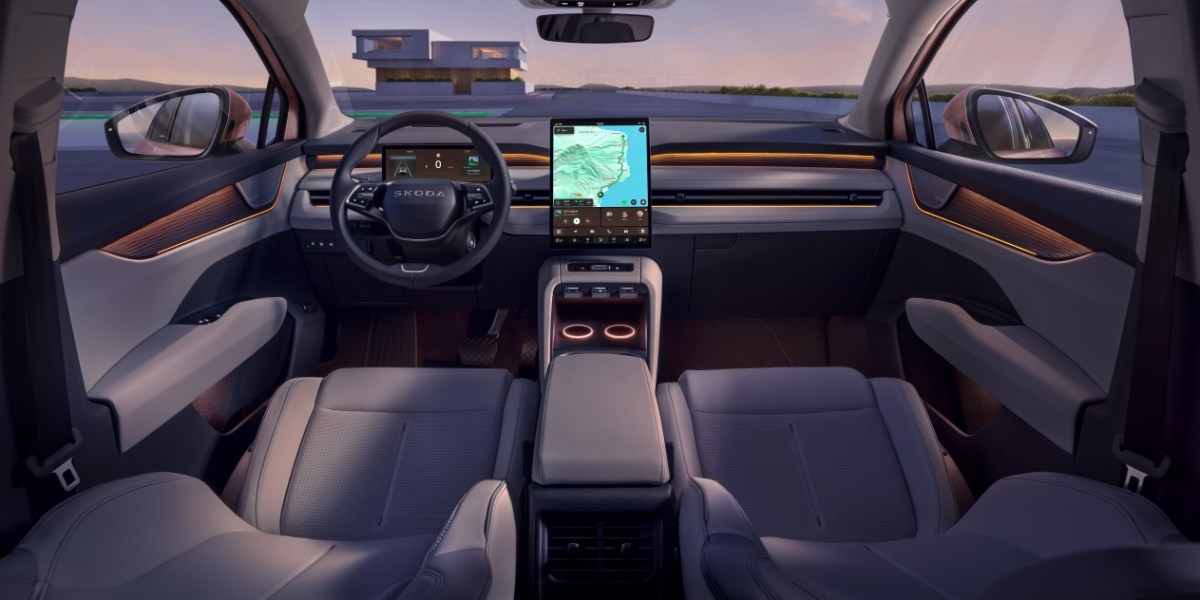
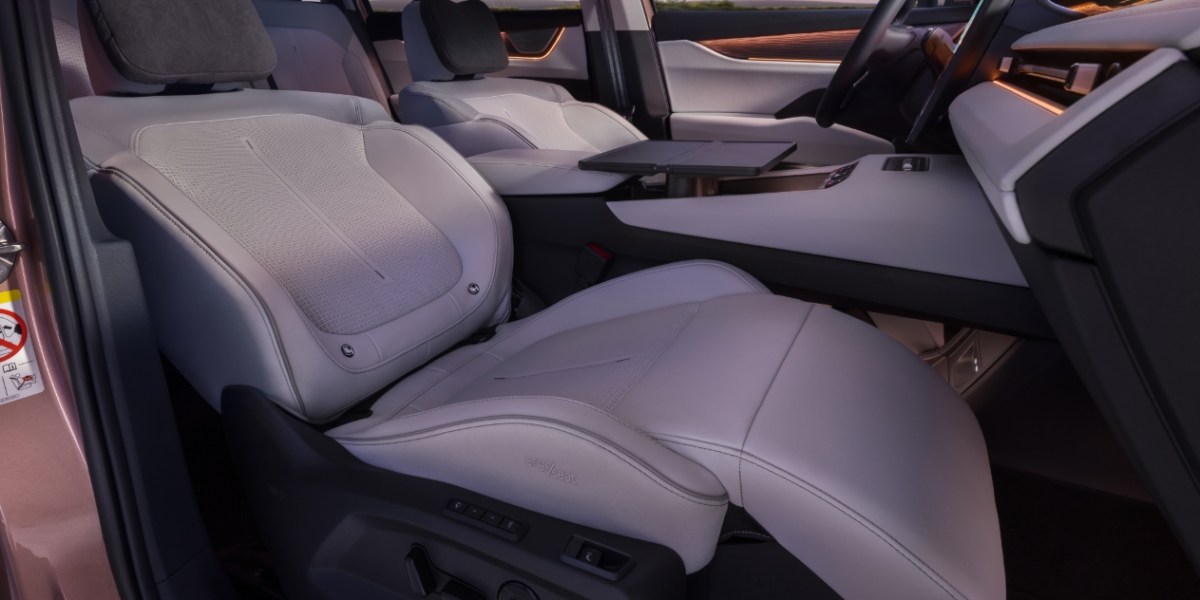
Wolfsburg stumbled through clunky software iterations and awkward interior ergonomics on early ID models, but Skoda consistently delivered better switchgear, smarter cabins, and handsome designs. The Peaq inherits that pragmatic brilliance, and adds some genuine flagship flair. Alongside the trick Modern Solid design language, the cabin has an electrochromic panoramic glass roof with Dynamic Shade Control, bidirectional charging capability, and a three-pin domestic vehicle-to-load socket sitting right inside the boot - you can run an electric espresso maker or camp fridge directly off the 86 kWh pack.
Naturally, because it is a Skoda, you still get the umbrella neatly tucked inside the front door jamb. The European market has already responded with enthusiasm, placing more than 10,000 firm pre-orders before the first batch of customer deliveries even reaches dealerships.
Hypermiling stunts are a harmless piece of corporate theatre, where PR departments and obsessive engineers join hands to see how far a battery can stretch under laboratory-grade crawl conditions. The Peaq's 936-km coastal cruise does not mean you can drive your family from Prague to Amsterdam without stopping for a coffee and a splash of fast-charging electrons. But it proves that Skoda's new flagship has an exceptionally slippery aerodynamic profile and an electric powertrain efficient enough to keep the class leaders sweating. And that is great news.


Reader comments
- Anonymous
- Aky
While it's impressive theyangf to get the drag coefficient down as much as they did. If everyone wasn't so pointlessly obsessed with SUVs then it could be even lower. 0.2 is clearly achievable from a saloon car and I'm sure an estate c...

From the team behind
GSMArena.com
Facebook
Twitter
Instagram
RSS
Settings
Log in I forgot my password Sign up