Tesla faces potential California sales ban over self-driving labels
Tesla is again in hot water, this time with California regulators regarding how it describes its driver-assistance technology. An administrative law judge ruled that the company should have its sales license suspended for 30 days. This decision comes after the California Department of Motor Vehicles (DMV) argued that the automaker used confusing language to market its famous "Autopilot" and "Full Self-Driving" (FSD) features. Officials believe these names make people think electric cars can drive themselves without any human help, which, as we know, is not the case.
The judge agreed with the 30-day suspension, but the DMV is not shutting down Tesla showrooms just yet. The agency decided to put the punishment on hold for 90 days, giving the company extra time to fix its advertisements and marketing materials. If the carmaker removes the misleading claims and updates its branding to be more honest, it will avoid the ban. DMV Director Steve Gordon noted that the state just wants the company to do its job and label its products properly, similar to how it operates in other parts of the world.
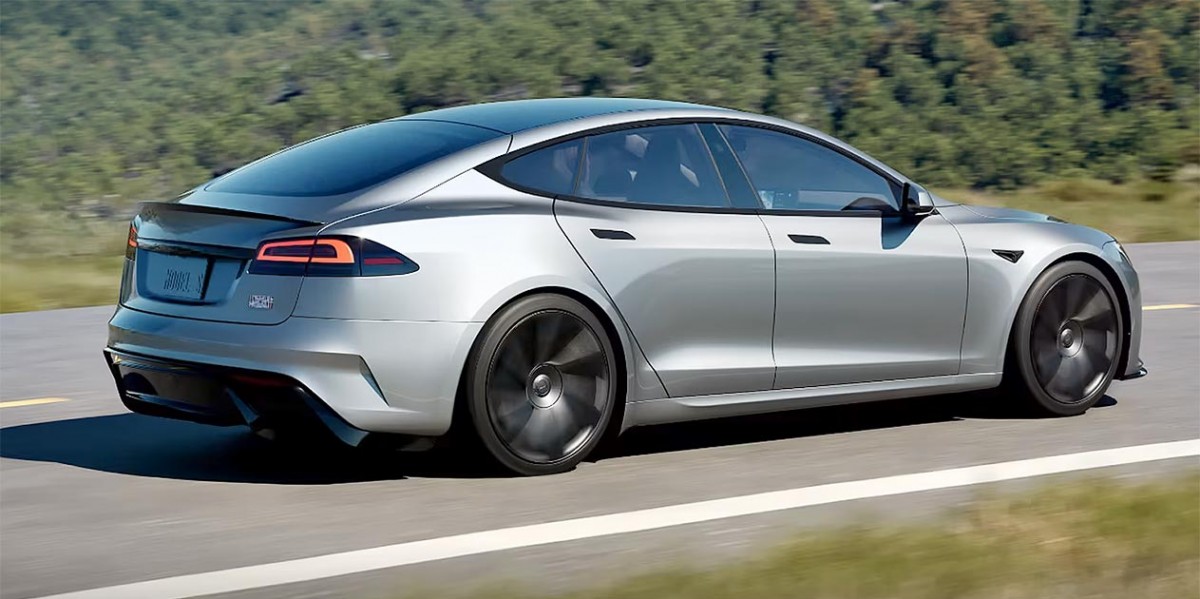
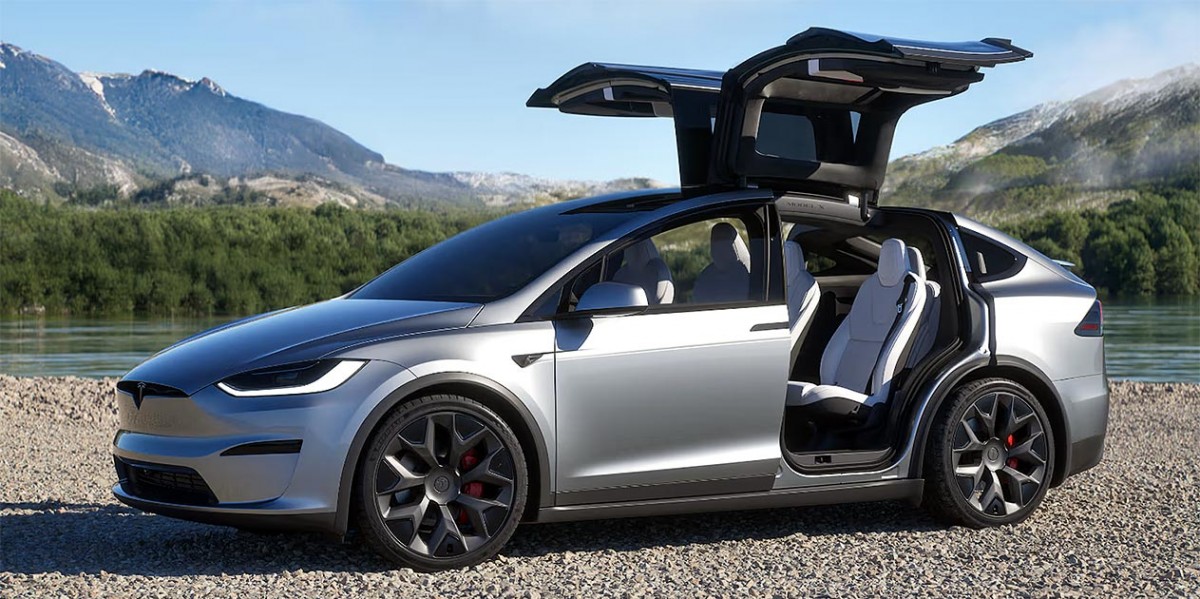
California is an important part of the EV market, accounting for nearly one-third of all Tesla sales in the United States. A total ban on sales would be a huge blow to the company's finances. Beyond just selling cars, Tesla also builds many of its vehicles in the state. The factory in Fremont, California, is responsible for producing the Model S and Model X, along with the high-volume Model 3 and Model Y. The DMV has put the manufacturing license suspension on hold indefinitely, but the threat to sales remains very real if the company does not comply with the new rules.
The essence of the legal battle is about how much a car can actually do on its own. The DMV says that names like "Full Self-Driving" suggest a level of autonomy where a person could take a nap while the car moves. In reality, these systems are advanced driver-assist tools. They can help steer, brake, and change lanes, but a human must always pay attention and be ready to take over. To address some of these concerns, the company recently added the word "Supervised" to the FSD name. However, regulators feel more needs to be done to ensure buyers know these EVs are not fully robotic yet.
Lawyers for the automaker argue that the company has never lied to its customers. They claim the brand has always been clear that drivers must keep their hands on the wheel and eyes on the road. Despite these defenses, the company is facing a tough time. Demand for electric cars has slowed down recently as some government tax breaks have ended. Because so much of the company's stock market value is based on the promise of future robotaxis and self-driving technology, losing a legal battle over those very names could be a major setback to Elon Musk's vision.
For now, the electric vehicle giant has 90 days to prove it can play by the rules. It can choose to appeal the decision in court or change its website and brochures to satisfy the DMV. If it fails to make these changes, the 30-day sales ban will kick in. This case is a big deal for the entire automotive industry. It shows that even the most famous tech companies must be very careful about how they describe "self-driving" features to the public. For residents of California, it means the way they buy their next Model 3 or Model Y might look a little different in the coming months.

From the team behind
GSMArena.com
Facebook
Twitter
Instagram
RSS
Settings
Log in I forgot my password Sign up