Toyota shelves the futuristic Lexus sedan
The global auto market is forcing even the largest automakers to hit the brakes and rethink their billion-dollar EV investments. In a major shift, Toyota Motor Corporation confirmed it has canceled plans for a next-generation battery-powered luxury sedan under its Lexus brand. The vehicle, which was designed to challenge premium rivals like the new BMW i3 sedan, will no longer make it to production. With this decision, Toyota joins a growing industry trend where car companies are scaling back ambitious electrification timelines to match changing consumer demand.
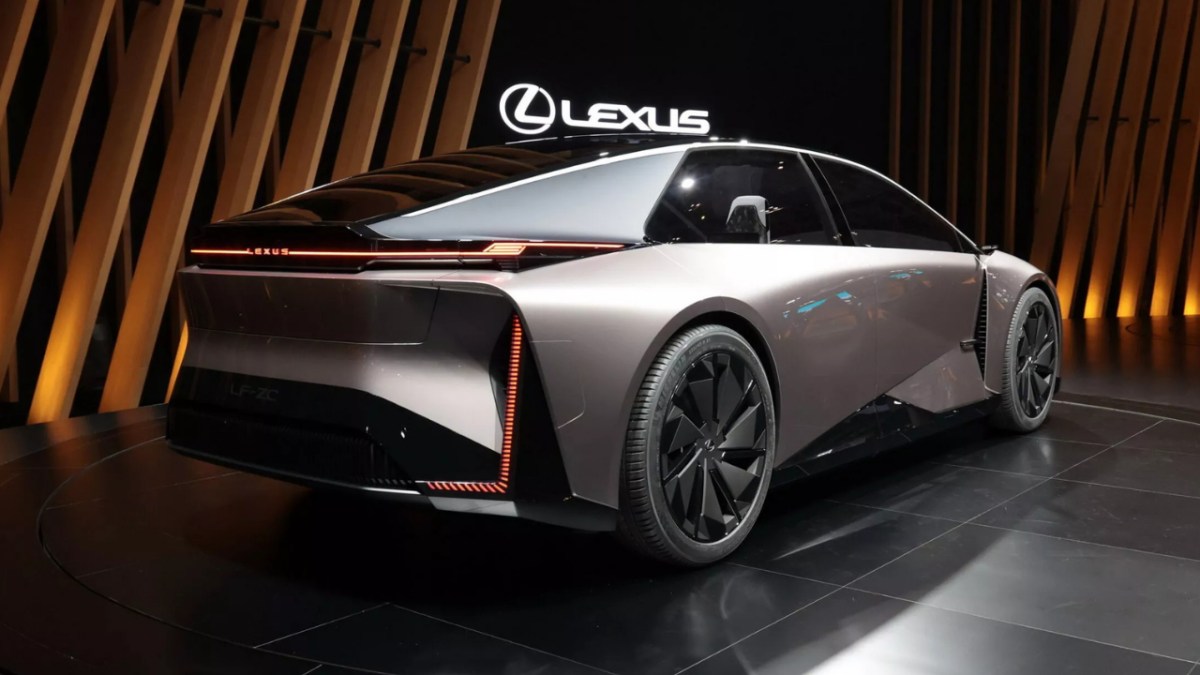
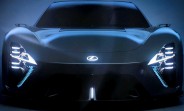
The canceled EV was the production version of the Lexus LF-ZC concept, a sleek electric sedan first revealed at the 2023 Japan Mobility Show. Toyota wanted to start manufacturing this year, but ended up delaying the launch to mid-2027. Unfortunately, the project has been shelved altogether now. The electric Lexus was going to be a tech flagship, showcasing brand-new EV architecture and pushing the boundaries of traditional automotive manufacturing.
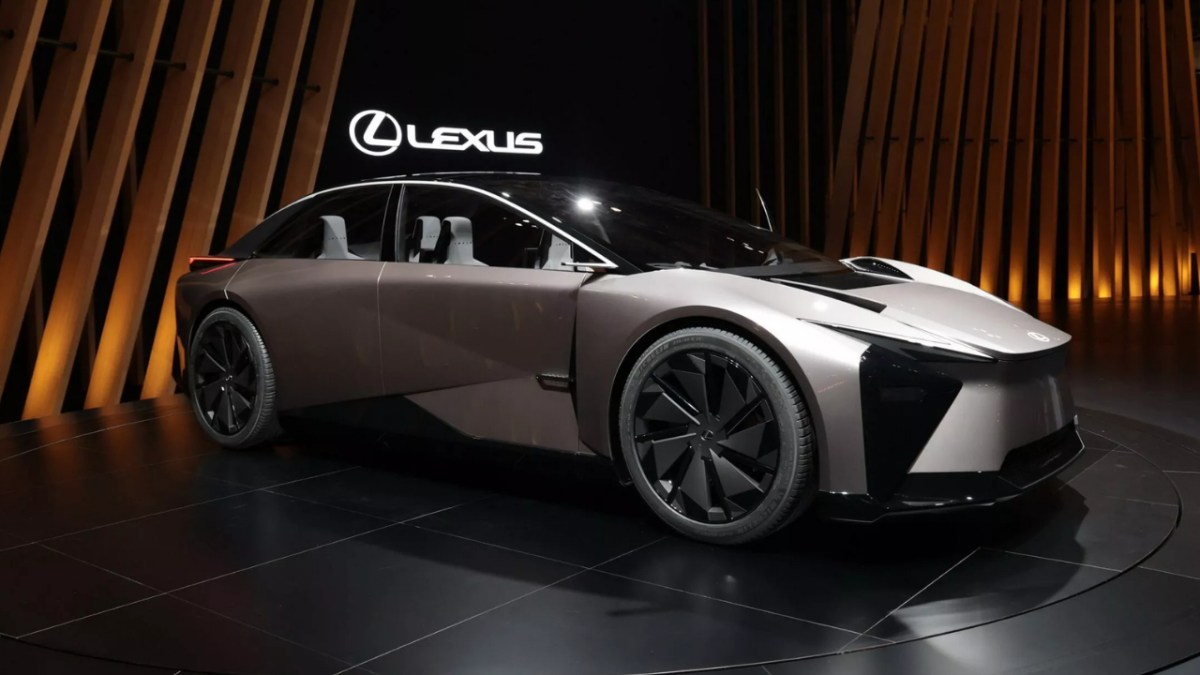
The luxury sedan itself is dead, but Toyota is not abandoning the advanced engineering developed for the project. The company will continue to pour resources into two key technologies that were central to the Lexus LF-ZC: gigacasting and solid-state batteries. Gigacasting uses massive aluminum die-casting machines to produce large, single-piece structural components for electric cars, drastically reducing manufacturing complexity and vehicle weight. Solid-state batteries promise to deliver much longer driving ranges and quicker charging times than current liquid-electrolyte packs.
Instead of deploying high-tech innovations in a traditional low-slung sedan, Toyota plans to use them where the financial returns are more secure. Consumer buying patterns show that global drivers are overwhelmingly choosing SUVs and high-riding crossovers over traditional sedans. This trend is especially true in the premium EV market, where a commanding seating position and added utility are major selling points. If Toyota introduces a next-generation electric vehicle using these advanced manufacturing techniques, it will almost certainly be an SUV.
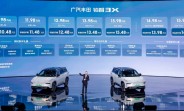
Interestingly, the corporate pivot takes place during a period of solid sales growth for Toyota's plug-in division. The automaker expanded its global sales of electric cars by 42 percent in 2025, delivering more than 190,000 units worldwide. The sales surge was mainly driven by the updated Toyota bZ SUV, a global model priced from $38,665 in the United States, helped by the lower-priced bZ3X SUV. The bZ3X was launched in early 2025 in China with a highly competitive starting price of roughly RMB 109,800 (approximately $15,000), but it is an exclusive offering for the Chinese automotive market.
Despite positive sales numbers, economic and political shifts have made the global automotive landscape challenging for new EVs. In North America, key federal EV incentives have been removed, slowing down sales dramatically. Changing political sentiment in Europe has weakened support for previous environmental mandates, with many governments going back on the once-planned 2035 ban on internal combustion engines. These changing regulations have forced corporate executives to rewrite product roadmaps that suddenly look a tad too optimistic.
Toyota is not the only automaker navigating these difficult regulatory and market corrections. Across the industry, legacy brands are delaying factory updates, shrinking their electrified portfolios, or canceling electric vehicle platforms altogether. Making the wrong gamble on product planning comes with an enormous financial penalty. Honda Motor Company altered its own electric vehicle strategy by canceling its upcoming 0 Series EV lineup, a corporate retreat that resulted in nearly {{$16 billion in write-downs and financial charges.
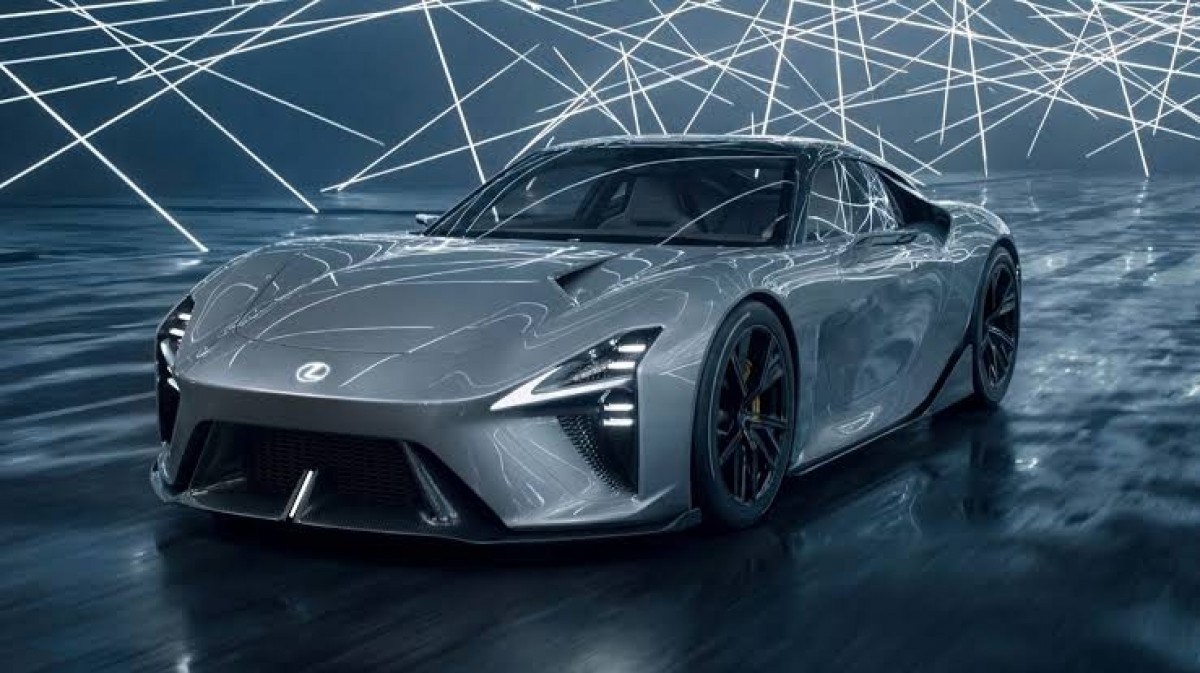
Even with the cancellation of the LF-ZC sedan, Lexus is keeping a distinct path toward high-performance electrification. The luxury brand is developing an all-electric flagship sports coupe designed as the spiritual successor to its legendary, V10-powered LFA supercar. This high-end performance model will serve as the battery-powered sibling to an upcoming V8-powered racing machine from Toyota, proving that while sensible SUVs will dominate the volume targets, the company still wants to inject excitement into its future EVs.
Reader comments
- Beglaiiine
- J5b
Consumer demand for CHEAP EVs is growing* A Yaris electric would do pretty great if sold as a reasonable price.
- p-run
- MUY
"car companies are scaling back ambitious electrification timelines to match changing consumer demand." BS. Consumer demand for EVs is growing...

From the team behind
GSMArena.com
Facebook
Twitter
Instagram
RSS
Settings
Log in I forgot my password Sign up