Volkswagen finally gives the ID. Buzz Cargo the length it deserves
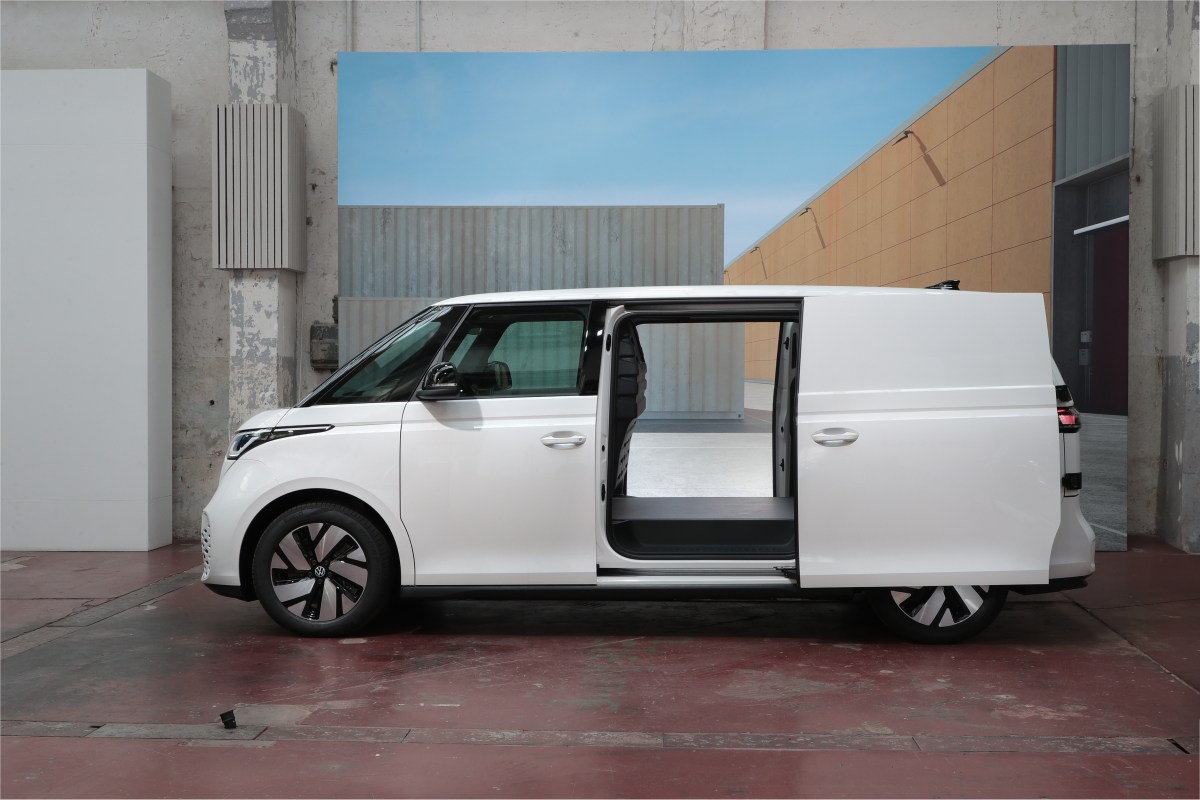
Hanover finally flipped the switch on the long-wheelbase Volkswagen ID. Buzz Cargo. It's the electric van everyone knew was coming - stretched to proportions that actually make sense for people who haul things for a living.
The Hanover plant is the historic beating heart of Volkswagen Commercial Vehicles - the same place where generations of the legendary T-series vans earned their stripes hauling plasterboard and plumbing supplies across Europe. Now, 11,000 employees are building a bespoke EV architecture right alongside the combustion-powered Multivan and the upcoming California camper. It's a tricky balancing act. Forcing a chassis originally engineered for passenger duties to do the unglamorous work of a builder's workhorse requires serious retooling on the assembly line.
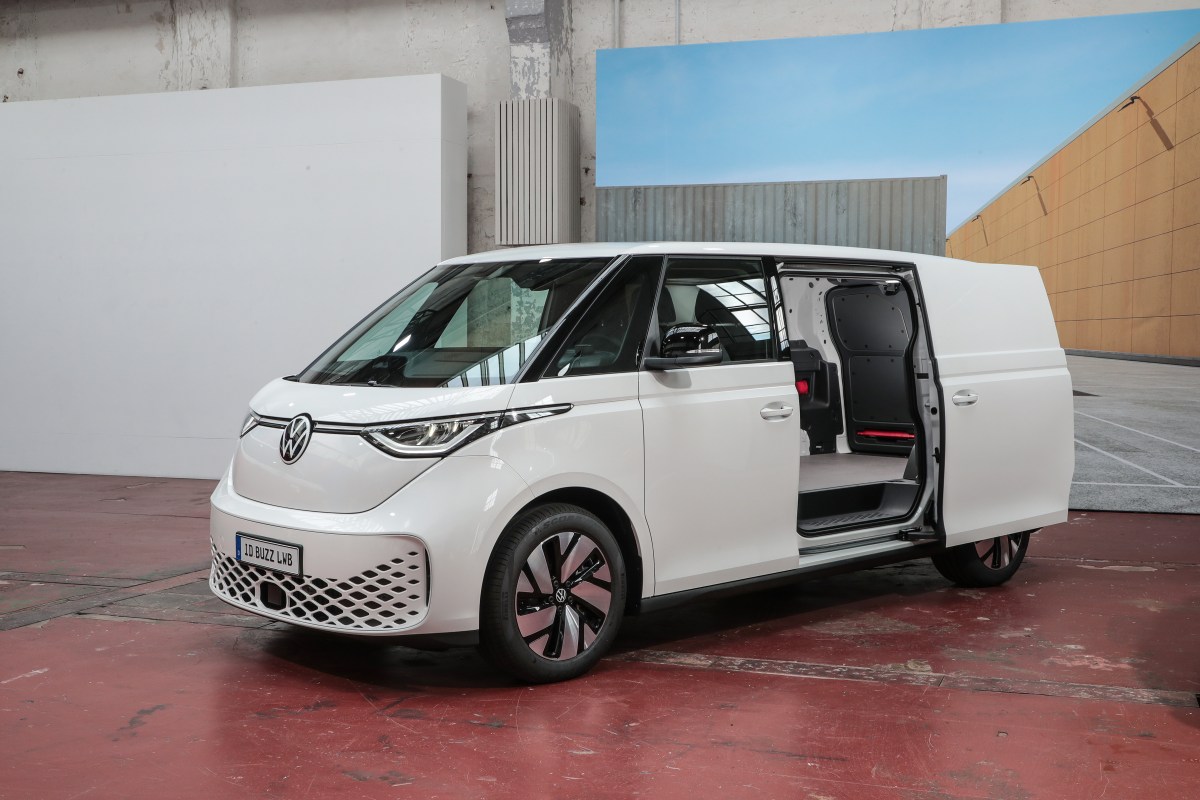
Adding physical length was non-negotiable if Volkswagen wanted fleet managers to take the ID. Buzz platform seriously. The standard-wheelbase Buzz is a brilliant lifestyle statement and a fun coastal cruiser, but it's always been a compromised B2B delivery vehicle.
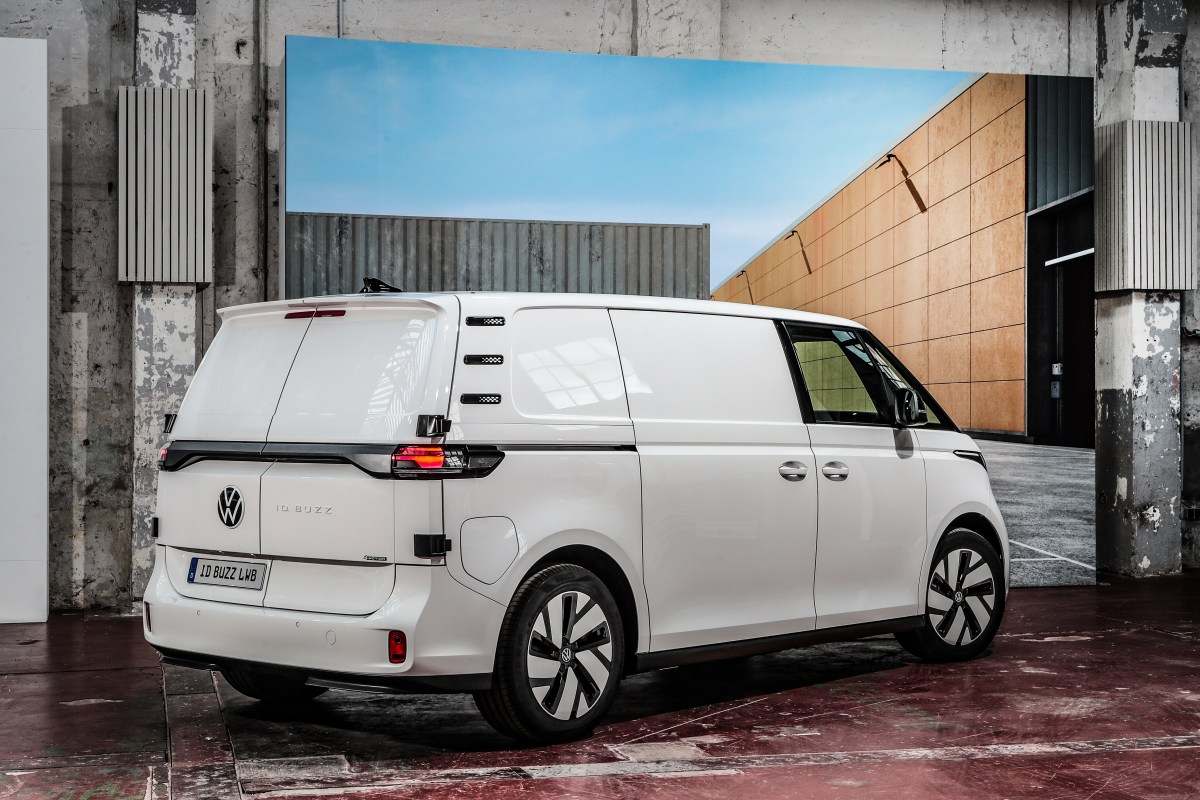
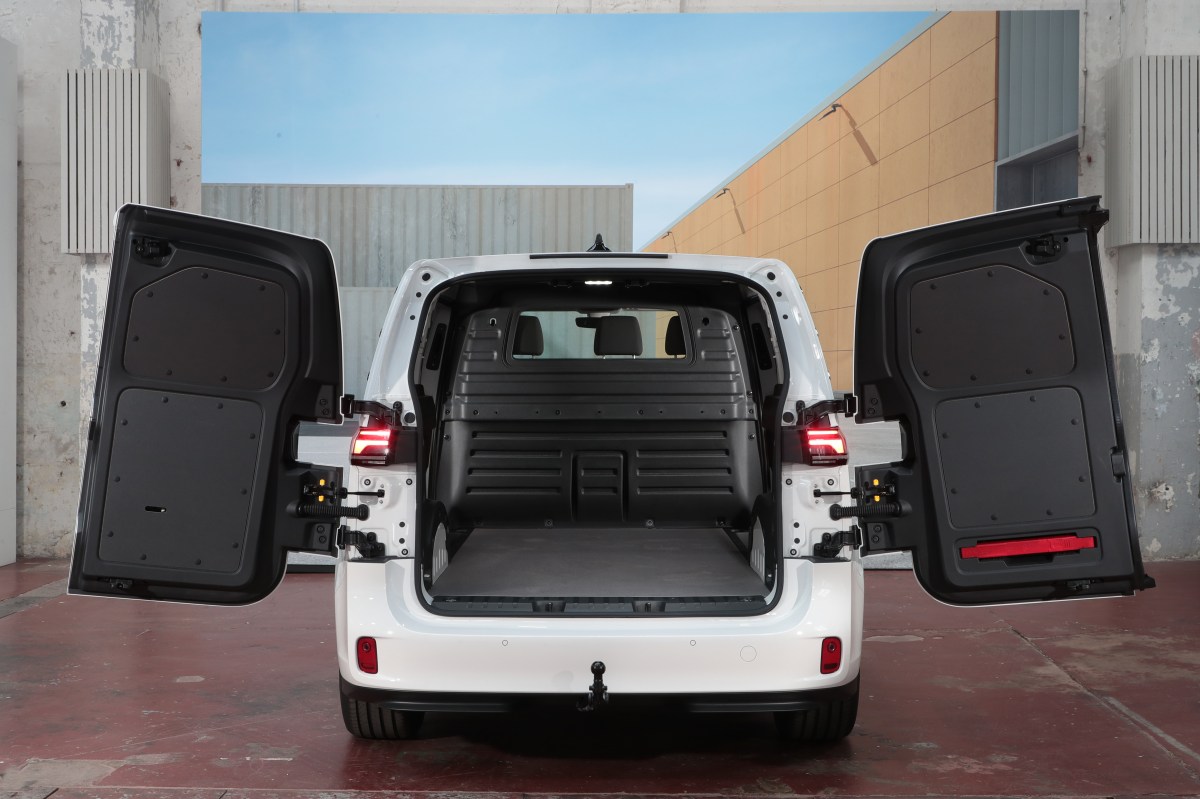
The long-wheelbase Buzz grows to an overall length of 195.3 inches, pushing its wheelbase to 128 inches while maintaining the exact same front and rear overhangs. That stretch yields a load floor measuring 96.8 inches from the bulkhead to the rear barn doors. The resulting total cargo volume sits at 4.4 cubic meters. It isn't class-leading - the Ford E-Transit Custom in its shortest L1 configuration measures roughly 198.8 inches long but offers a vastly superior 5.8 cubic meters of space. Mercedes-Benz pulls a similar trick with the eVito L2. It measures 202.4 inches bumper-to-bumper while swallowing 6.0 cubic meters of freight. The Buzz is limited by its passenger-first skateboard chassis and relatively high floor. It simply can't match the utility of a purpose-built box van.
But VW engineers finally managed to fix the one major issue with the standard short-wheelbase van. The dual sliding doors are now wide enough to swallow a standard Euro pallet sideways right off the forklift.
Under the reinforced floorboards sits a large 86 kWh battery pack. You get two distinct drivetrain flavors right out of the gate. The base setup is a rear-wheel-drive single motor pushing 210 kW - or roughly 286 horsepower. If your daily delivery routes involve muddy construction sites, rutted farm tracks, or alpine switchbacks, Volkswagen offers a 4MOTION dual-motor all-wheel-drive variant cranking out 250 kW - that’s 340 horsepower in a panel van. It's absurd. The grunt totally eclipses the sluggish, clattering diesel workhorses it replaces. Thankfully, the throttle response on these MEB-based vans is sharp without being aggressive.
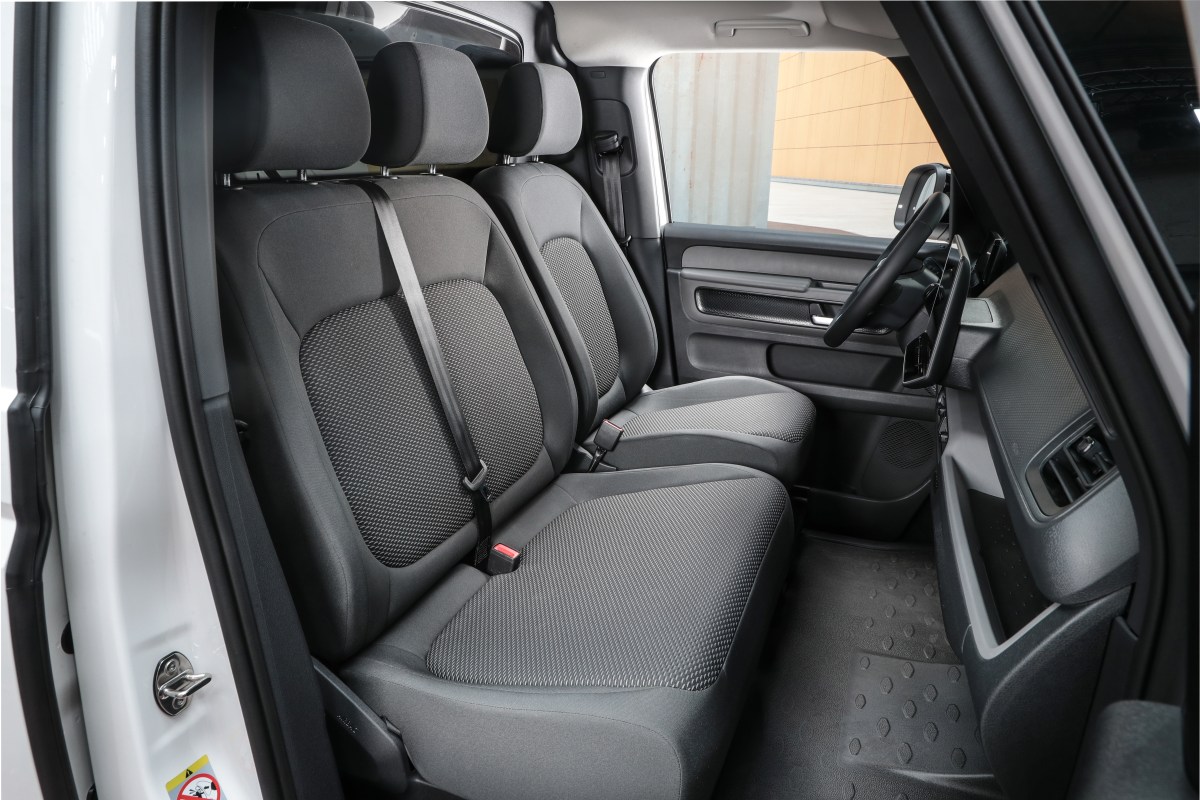
The rear-drive model promises an optimistic WLTP range of 280 miles to 304 miles on a full charge. The heavier, grippier all-wheel-drive version drops that slightly to somewhere between 267 miles and 286 miles. But range is only half the battle for a commercial operator. I always look at payload limits and towing capacity as the true metrics of small business survival.
The ID. Buzz Cargo LWB is rated to pull up to 3,968 lb on a 12 percent gradient, which is genuinely impressive. But then you hit the payload constraints. The reality of hauling heavy battery packs means the rear-drive version maxes out at a payload of 1,543 lb, and the dual-motor 4MOTION setup drops to a very restrictive 1,336 lb. It's a real bottleneck. If you load up the back with heavy-duty tools, a commercial compressor, and a few stacks of raw materials, you'll trigger the weight limit long before you run out of volume.
Both variants of the stretched Buzz top out at a solid 200 kW DC fast-charging rate. That translates to a 10 to 80 percent battery bump in about 28 minutes if you find a reliable charger.
Volkswagen is throwing its latest generation of ID. software into the utilitarian cabin. It's a relief. The catastrophic launch of their early touch-based infotainment systems left deep scars, but the new interface is snappier and has a third-party app store. It also brings standard one-pedal driving to the commercial lineup for the first time. The optional Travel Assist suite now reads traffic lights. But the real headline feature for the B2B crowd is the new PowerSocket setup. It's a clever Vehicle-to-Load adapter that plugs directly into the exterior charging port, letting independent contractors draw up to 3.6 kW of peak power - or 3.0 kW continuously - straight from the van's main battery.
Of course, you pay a lot for all this retro-futuristic charm and high-voltage capability at the dealership. The entry point for the standard-wheelbase Cargo sits at $47,616 before VAT. But the long-wheelbase pricing ramps up aggressively from there. You're looking at a starting price of $56,810 for the rear-drive LWB model, and $59,310 if you want the all-wheel-drive 4MOTION capability. It adds up fast. Once you spec a few essential options, a functional interior racking system, and local registration taxes, you're looking at a wildly expensive commercial vehicle.
Volkswagen isn't just competing with legacy heavyweights like Ford and Mercedes here - they're desperately fighting a brutal wave of cheap, hyper-utilitarian electric vans pouring into the European market from Chinese automakers. The Buzz relies heavily on its brand cachet and iconic styling to justify the premium. For a boutique urban coffee roaster, a high-end florist, or a trendy craft brewery, the rolling billboard effect of the Buzz might actually be worth the cash. But for the fleet operator crunching spreadsheets, the math is going to be a much tougher sell.
-
 All-electric 2023 Ford E-Transit Custom has 380km of range
-
 Volkswagen took electric motor from ID.7 and squeezed it into the ID.Polo GTI Clubsport
-
 Volkswagen opens UK orders for the ID. Cross as its small electric SUV strategy finally gets real
-
 Volkswagen ID. Era 5X brings new architecture to China for under $15,000

From the team behind
GSMArena.com
Facebook
Twitter
Instagram
RSS
Settings
Log in I forgot my password Sign up