Volkswagen ID. ERA 5X revealed by MIIT - a new direction for Wolfsburg
How times change in Wolfsburg and Shanghai. A decade ago, the idea that Volkswagen - pretty much the king of global automotive engineering - would turn to a young Chinese tech startup to co-develop its core electric vehicle architectures was unthinkable. Yet here we are staring at filings from China's Ministry of Industry and Information Technology, admiring the newly revealed SAIC Volkswagen ID. ERA 5X.
This one is quite important - it isn't some random compact crossover tossed into the white-hot Chinese electric melting pot. It is a good-looking mashup on wheels. Built on the brand-new Compact Main Platform (CMP) and equipped with the China Electronic Architecture (CEA) co-developed alongside XPeng, this five-seat SUV is Volkswagen's admission of truth. The Germans realized that to win back momentum in the world's most aggressive EV market, they must adopt local speed and digital brains.
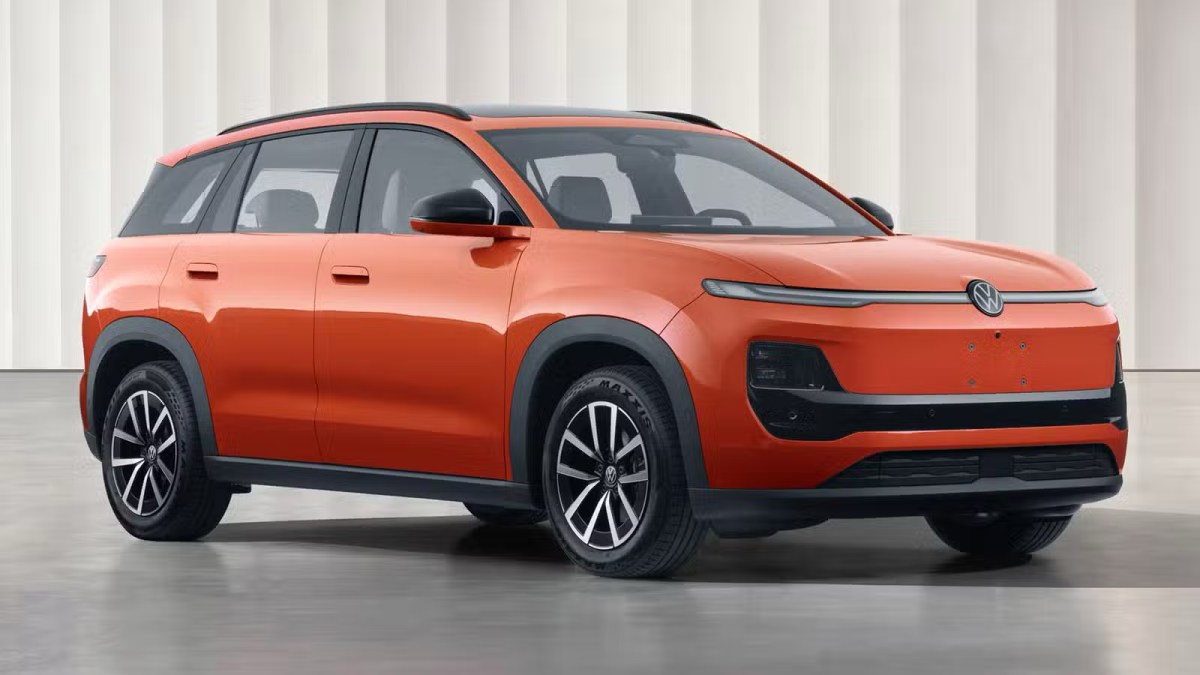
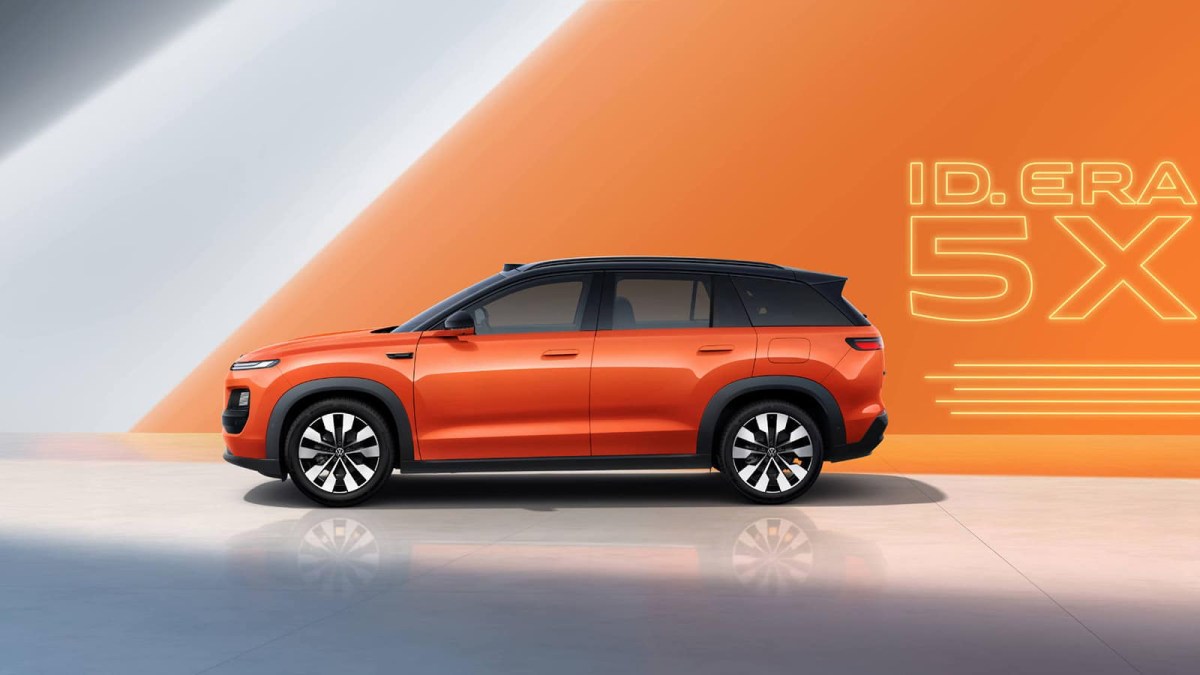
At first glance, the ID. ERA 5X trades the soft, somewhat rounded aesthetics of Europe's original MEB-platform cars for a sharper, far more confident stance. Up front, a continuous LED daytime running light strip stretches across the nose with an illuminated VW emblem resting at center stage, flanked by main headlight pods integrated lower in the bumper.
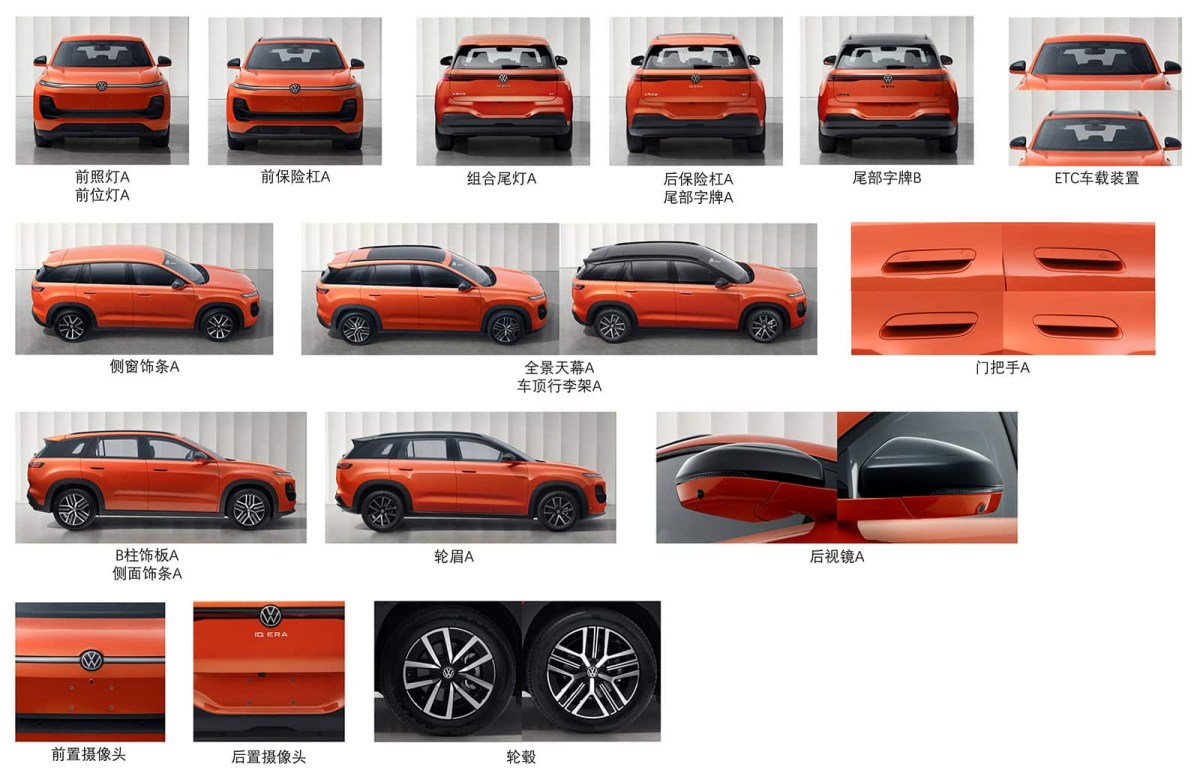
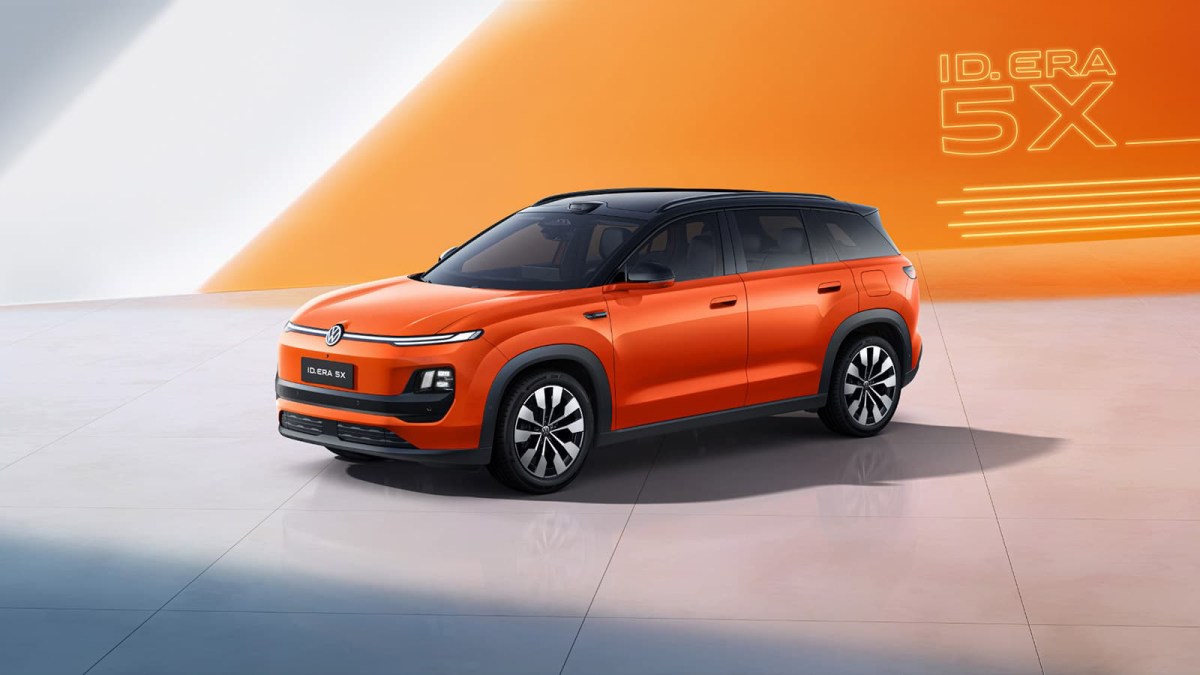
The side profile has a sporty "small fastback" silhouette, sweeping back toward a neat tailgate spoiler that keeps air clean off the rear glass. Factory options include wheel sizes from 17 to 19 inches, custom exterior trim accents, two-tone contrasting roof paint, a full panoramic glass roof, and integrated roof rails for weekend getaway gear.
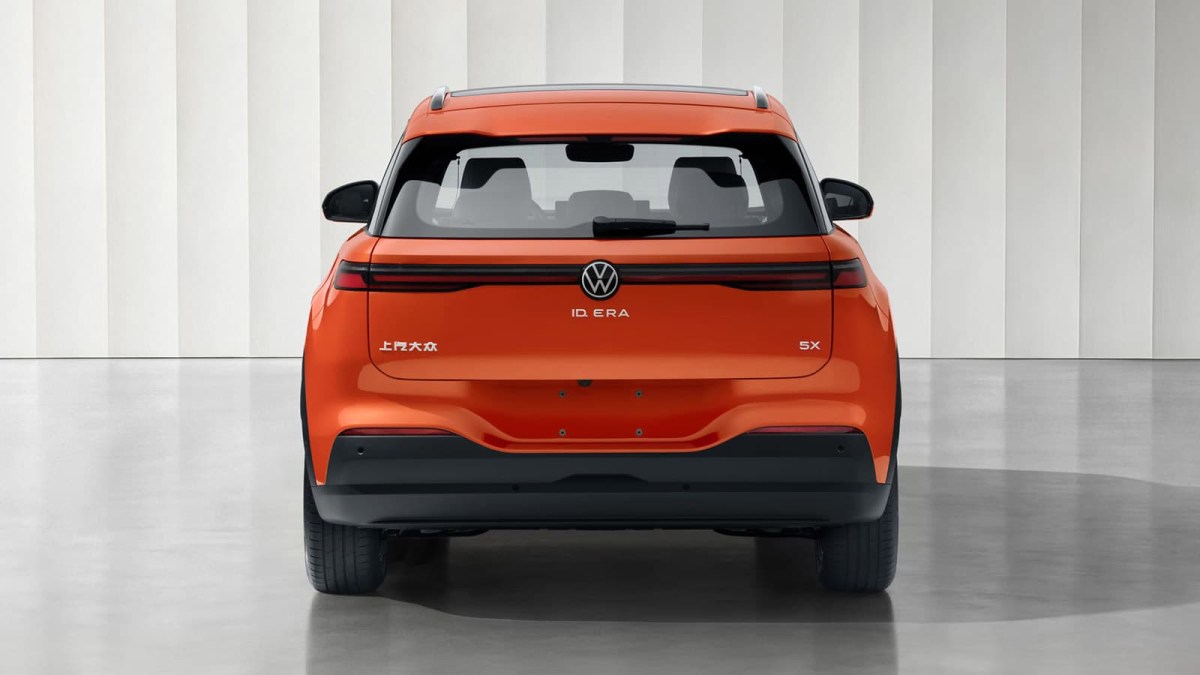
The ID. ERA 5X measures 179.5 inches in length, 74.6 inches in width, it is 64.2 inches tall, and it rolls on a generous 110.8 inches wheelbase. Stack those numbers against its European-spec sibling, the Volkswagen ID.4, and the ID. ERA 5X is slightly shorter overall, but it pushes wider by 1.73 inches and stretches its wheelbase by an extra 1.73 inches compared to the ID.4.
Compare it to global benchmark heavyweights like the Tesla Model Y at 187 inches long with a 113.8 inches wheelbase, and the 5X is more city-friendly. Surprisingly, it easily out-stretches popular compact entry vehicles like the BYD Atto 3 (175.4 inches long with a 107.1 inches wheelbase).
Under that crisp sheet metal sits a sensible, no-nonsense powertrain designed for efficiency. Propulsion comes from a single rear-mounted electric motor sourced from United Automotive Electronic Systems, generating a peak output of 155 kW (208 horsepower) and taking the 3,715 lb crossover to a top speed of 109 mph.
Energy storage is taken care of by a lithium iron phosphate (LFP) battery pack supplied by industry titan CATL. VW has kept specific kWh capacity and official driving range figures under wraps for now, but opting for LFP chemistry is a tactical decision: thermal durability, lower production costs, and excellent cycle life help to keep retail pricing low.
But the real headline story here is the 5X's digital nervous system. In early electric vehicles, software integration was Volkswagen's Achilles' heel that delayed key product launches across Europe. Partnering with XPeng to create the CEA electronic framework changes that entirely.
The ID. ERA 5X has a roof-mounted LiDAR unit paired with the "Xingyun" intelligent driver assistance suite, enabling true end-to-end Level 2++ Urban Navigation on Autopilot (NOA) for navigating complex city traffic. Inside the cabin, passengers get the "Yunqi" smart cockpit setup, designed to swap traditional nested infotainment menus for lightning-fast voice commands and fluid human-machine interaction.
This compact SUV is a member of a new wave of electric cars. SAIC-VW's ID. ERA lineup already launched its flagship - the large ID. ERA 9X range-extended luxury SUV - and is preparing pre-sales for the sleek ID. ERA 5S sedan. But the story of VW's newfound Chinese strength takes a fascinating turn. Volkswagen Group CEO Oliver Blume acknowledged that Western operations could benefit from Chinese development speed and cost architecture, hinting that models like the ID. ERA series could eventually be exported back to European shores or built using spare capacity in German plants.
Watching a legacy automotive titan change its engineering philosophy in real time is quite something. The ID. ERA 5X isn't another boring electric appliance built to chase volumes. It is a blueprint for how established automakers can survive the transition into software-driven electric mobility. Marrying German chassis engineering with Chinese digital smarts and localized battery supply chains was a good idea. If this electric crossover makes the boat trip across to European showrooms with an aggressive price tag, rivals will have plenty of reason to feel uneasy.
Reader comments
- Sam
- 0pu
This is a great looking car. Nice straight lines, big windows, square practical body, sitting low on the wheels, maybe having buttons inside and software fixed, this is a car I would like to have.
- Anonymous
- K1F
I'm not into EV much, but an EV SUV under 1.7 tonne? Turns out having a single electric motor is the answer after all.

From the team behind
GSMArena.com
Facebook
Twitter
Instagram
RSS
Settings
Log in I forgot my password Sign up