ArenaEV.com ArenaEV.com

Facebook

Twitter

Instagram

RSS

Settings
Units
Power
Standard
Consumption
Currency

Log in

Login

I forgot my password
Sign up
ADVERTISEMENTS

Xiaomi uses CATL and BYD batteries to increase SU7 production

  • Post your comment
  • Comments (4)

Max McDee, 27 May 2024

Xiaomi

Xiaomi moves quickly to address delivery bottlenecks for its first electric car - the SU7. To ramp up production capacity, Xiaomi has announced that the entry-level variant of the SU7 will be randomly equipped with batteries from CATL and BYD, two leading battery suppliers in the industry.

This unexpected partnership is a significant step for Xiaomi EV as it seeks to overcome production challenges and meet the growing demand for its electric SUV. By diversifying its battery suppliers, Xiaomi aims to ensure a steady supply chain and accelerate delivery.
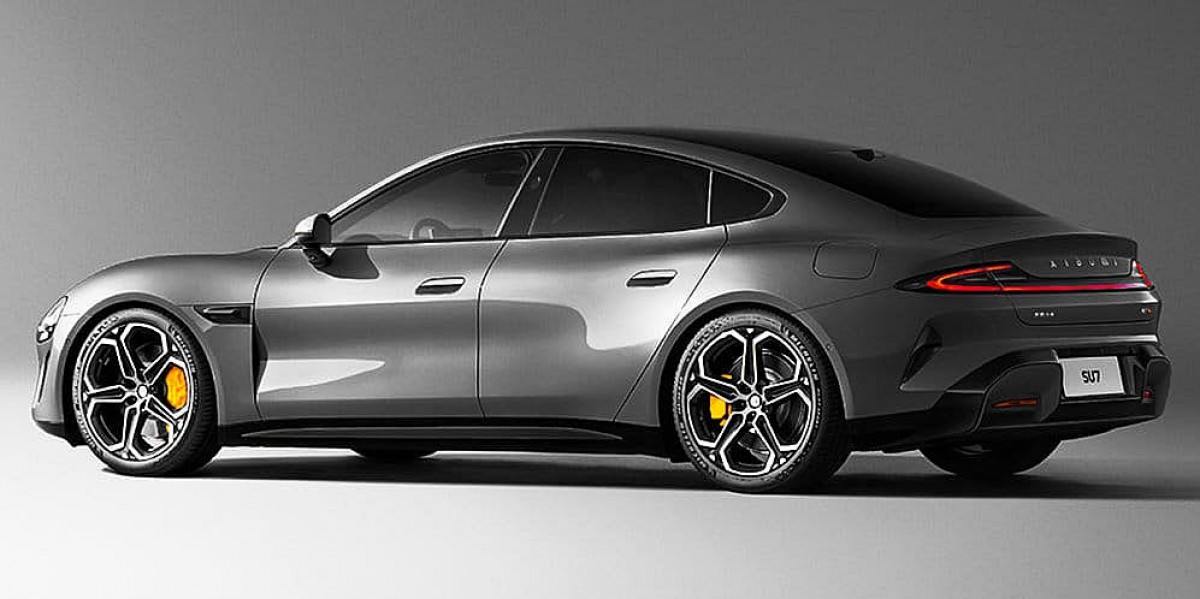
Xiaomi uses CATL and BYD batteries to increase SU7 production

The decision to incorporate both CATL and BYD batteries in the standard version of the SU7 highlights Xiaomi's commitment to providing customers with top-notch technology and performance. Both battery options boast an impressive CLTC range of 435 miles, ensuring ample driving distance on a single charge. Both batteries support fast charging, allowing for a 217 miles range replenishment in just 15 minutes.

Xiaomi EV has assured customers that the choice of battery supplier will not affect the vehicle's performance or range. The company emphasizes that both CATL and FinDreams (BYD's battery manufacturing arm) are industry leaders, guaranteeing high-quality and reliable battery cells.
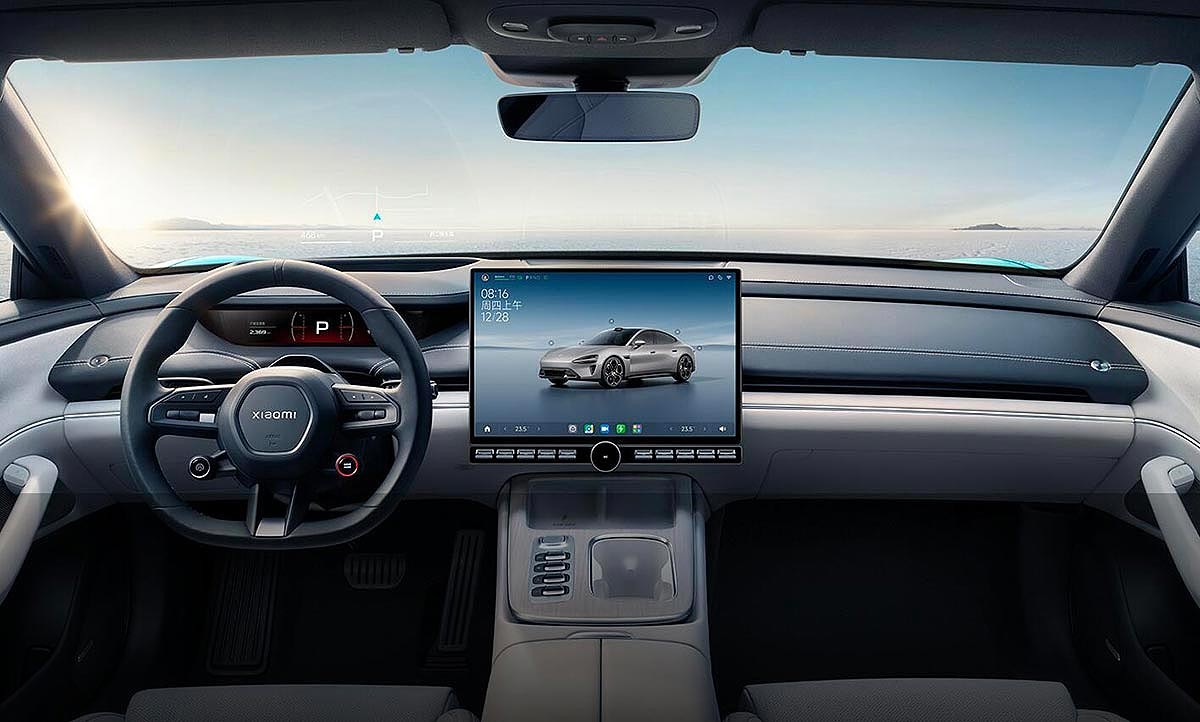
Xiaomi uses CATL and BYD batteries to increase SU7 production

Xiaomi EV has announced plans to implement double-shift production at its factory starting in June to further streamline the production process. Coupled with the expanded supplier network, it should help the company to increase monthly deliveries to over 10,000 units.

The Xiaomi SU7, launched in March 2024, has garnered considerable attention with its three variants: standard, Pro, and Max. Priced competitively from RMB 215,900 ($29,800), the SU7 offers a range of options to cater to different customer preferences and budgets.

The standard version, initially powered by BYD's blade batteries, now benefits from the addition of CATL's battery technology. The Pro version has CATL's Shenxing Battery, while the top-tier Max version features CATL's Qilin Battery. Each variant offers varying battery capacities and CLTC ranges, allowing customers to choose the best fit for their needs.

Via

This article contains localized units and prices. Change settings.
Your choice
Related articles
  • Xiaomi unveils new AI Auto World Model framework as it faces $460M Q1 loss Xiaomi unveils new AI Auto World Model framework as it faces $460M Q1 loss
  • Xiaomi targets Tesla domination with new YU7 models Xiaomi targets Tesla domination with new YU7 models
  • Xiaomi YU7 GT is the fastest production SUV to go around the Nürburgring Xiaomi YU7 GT is the fastest production SUV to go around the Nürburgring
  • Xiaomi unveils Crimson Red YU7 GT ahead of official launch Xiaomi unveils Crimson Red YU7 GT ahead of official launch

Reader comments

T
  • Tell the truth
  • X32
  • 03 Jun 2024

Do U know. Tesla make in China too

  • Reply
R
  • Reality...
  • IWT
  • 29 May 2024

I agree with you 💯 👍🏻. And now since these aren't selling in their mainland, they have started to dump them into European countries, hoping to make at least some money thanks to the ridiculous emissions standards of Europe...

  • Reply
y
  • yalim
  • mu4
  • 28 May 2024

it so many faults and quality issues even in safety side of things. they are simply not capable of producing a car that meets 2024 standards. they have so low quality and still speed up production. classic Chinese strategy. only focused on quantity, ...

  • Reply
  • Read all comments
  • Post your comment
Total reader comments: 4

  • Home
  • Compare
  • News
  • Terms
  • Reviews
  • About us
  • Tesla
  • Volkswagen
  • Audi
  • Porsche
  • BMW
  • Mercedes
  • Hyundai
  • Kia
  • Renault
  • Nissan
  • Dacia
  • Ford
  • Jeep
  • Volvo
  • Polestar
  • Zeekr
  • Jaguar
  • Mini
  • Toyota
  • Mazda
  • MG
  • Voyah
  • Lucid
  • Rivian
  • Cadillac
  • Chevrolet
  • GMC
  • RAM
  • Subaru
  • Nio
  • Xpeng
  • BYD
  • All brands

EV finder

ADVERTISEMENTS

Latest models

  • ModelLancia
    Gamma FWD LR
  • ModelFerrari
    Luce
  • ModelMercedes
    AMG GT 63 4-Door Coupé 4MATIC+
  • ModelAudi
    Q4 e-tron performance
  • ModelAudi
    Q4 Sportback e-tron
  • ModelBMW
    i7 LCI M70 xDrive

Featured

  • EREV or Extended Range Electric Vehicle explained EREV or Extended Range Electric Vehicle explained
  • EV vs ICE - differences and similarities EV vs ICE - differences and similarities
  • Polestar 3 edges Tesla Model 3 out in 24 vehicle winter range test Polestar 3 edges Tesla Model 3 out in 24 vehicle winter range test
  • Benefits of dedicated EV platforms Benefits of dedicated EV platforms
  • VW ID.4, Audi Q4 and Skoda Enyaq - three identical yet so different EVs VW ID.4, Audi Q4 and Skoda Enyaq - three identical yet so different EVs

Reviews

  • Jeep New Compass e FWD review Jeep New Compass e FWD review
  • NIO ET7 quick review and drive NIO ET7 quick review and drive
  • Volkswagen ID. Buzz Pro review Volkswagen ID. Buzz Pro review
  • 2025 Hyundai Inster Long Range review 2025 Hyundai Inster Long Range review
ADVERTISEMENTS

Home News Compare About us RSS feed Facebook Twitter Instagram

© 2022-2026 ArenaEV.com Mobile version EV Finder Glossary Privacy Terms of use

From the team behind
GSMArena.com