Your Polestar now talks back as Google Gemini rolls out across the fleet
Polestar began sending out a major software update to its vehicles, bringing Google Gemini into the cabin. It replaces the older Google Assistant with a much smarter artificial intelligence. Starting in the United States, drivers no longer have to talk to their cars like they are barking orders at a robot.
Until recently, using voice commands in a car was quite clunky. You had to memorize specific phrases. If you wanted to find a store, you had to say exactly the right words. If you stumbled over a sentence, the car would get confused. Polestar and Google are now ending that era. With the new Gemini system, drivers can use "free-flowing conversation." This means you can talk to your car just like you would talk to another person sitting in the seat next to you.
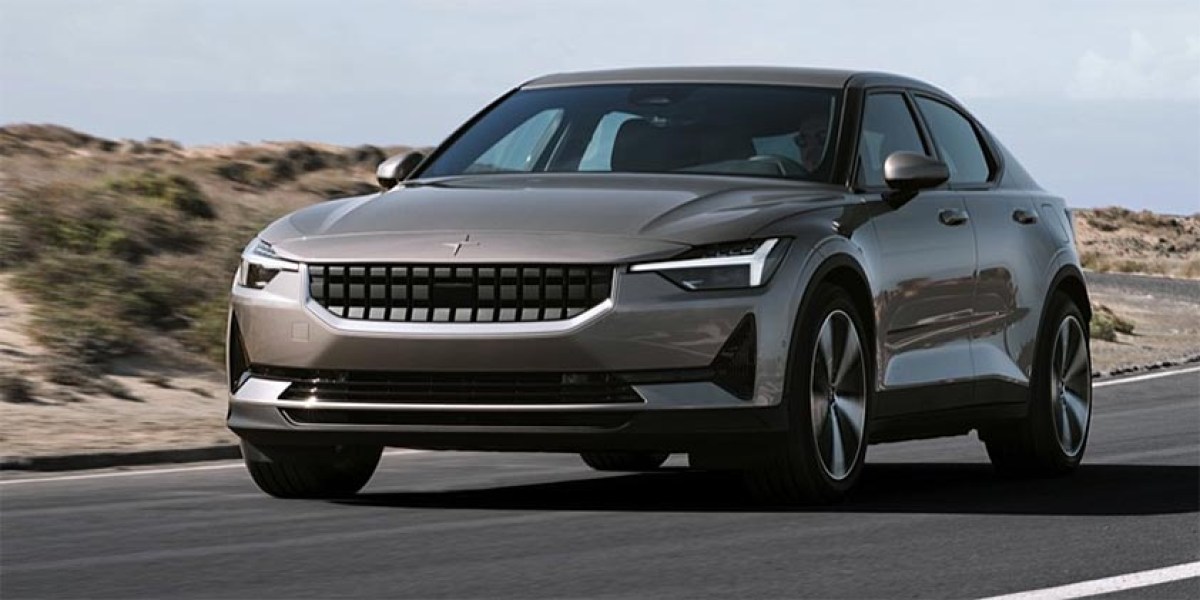
The update arrives through an "over-the-air" or OTA update. Owners of eligible electric cars will see a message pop up on the large screen in the middle of their dashboard. They can choose to accept the new AI or keep the old system for a while. However, Polestar says that over time, Gemini will completely take over. Currently, the update is available for drivers in the US who use American English, but the company plans to add more languages and countries very soon.
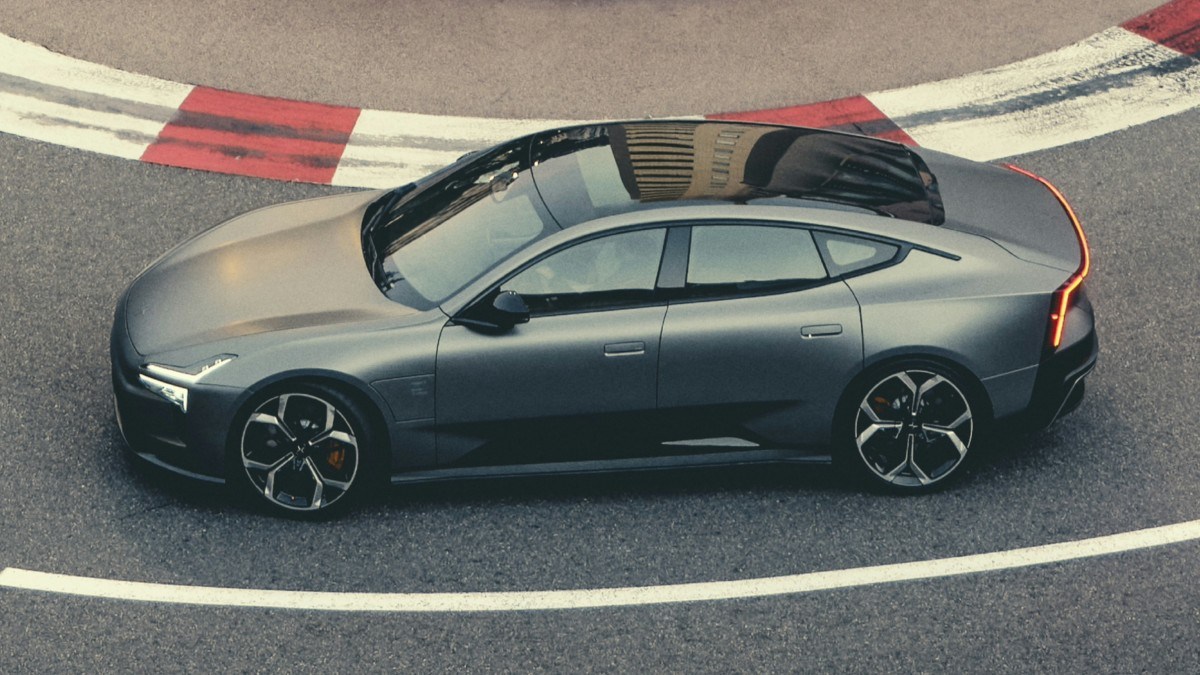
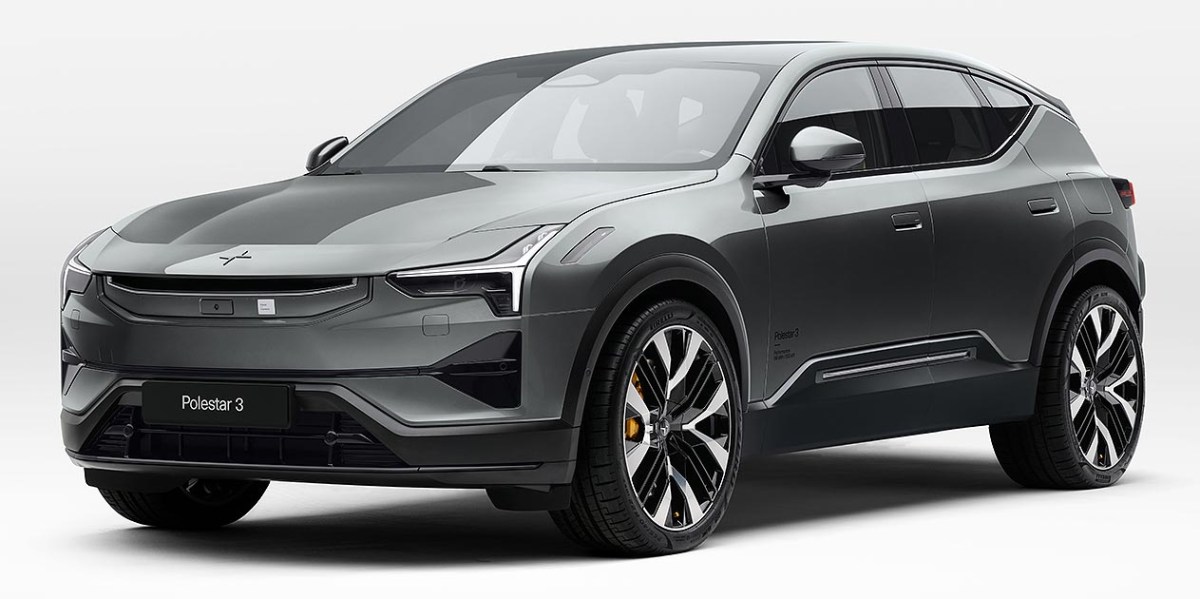
Most of the brand's lineup will get the update. This includes the popular Polestar 2, the large Polestar 3 SUV, and the sleek Polestar 4. Even the upcoming Polestar 5 grand tourer is part of the update. In fact, Polestar used the Polestar 5 to show off the technology at an event in Finland recently. The only model missing out is the Polestar 1. Because that car was a low-volume hybrid and not a mass-produced EV, it does not have the hardware needed for this specific update.
One of the best things about this change is how the car understands complicated thoughts. In the past, you might say, "Hey Google, find a supermarket." Now, you can be much more specific. You can say, "Hey Google, let's find a store on the way home, and tell my friend Joe I am coming." The car understands that you have two different goals. It finds the best route and sends a text message at the same time. You do not have to start a new search if you forget a small detail. The AI remembers what you were talking about and can answer follow-up questions.
There is also a new tool called Gemini Live. You can start it by saying, "Hey Google, let's talk." This is a hands-free way to get help with daily life while you drive. If you are stuck in traffic and need a dinner recipe or ideas for a birthday present, you can brainstorm with the car. It listens and responds in a way that feels natural, helping drivers keep their eyes on the road instead of looking at their phones for help. The AI also helps break down language barriers. The system can now translate messages instantly. For example, a driver can speak a message in English and tell the car to translate it into Swedish before sending it.
The update is part of a long partnership between Polestar and Google that started in 2018. In 2020, the Polestar 2 became the very first car in the world to launch with Google's car software built in. Other companies like Tesla try to build all their own software from scratch, but Polestar decided to work with Google, allowing them to get new features faster. One recent example is "Live Lane Guidance" for the Polestar 4. This feature uses the car's cameras to help drivers stay in the correct lane on busy highways. It requires software version 4.2.9 or 4.2.10.
Hans Bleckert, a top manager at Polestar, says this is a huge shift in how people use their EVs. He believes that this is just the beginning of what AI can do for drivers. Michael Lohscheller, who leads the Polestar brand, is also pushing for these digital upgrades to make their electric cars feel more modern. By focusing on how humans actually speak, Polestar is making the car feel less like a tool and more like a helpful partner.


Reader comments
- Frici
- n}e
Completely pointless feature, the telephone can also do it. They should rather focus to safer LMFP batteries and low temperature efficient operation. The car sits 20+hrs a day in the garage.

From the team behind
GSMArena.com
Facebook
Twitter
Instagram
RSS
Settings
Log in I forgot my password Sign up