Chinese scientists build new electric car batteries from plastic
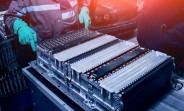
The batteries that we use to power electric vehicles rely on heavy metals like cobalt and nickel. Unfortunately, these metals are hard to find, are expensive, and often come from places with poor working conditions. But a new study published on February 18, 2026, shows that we might be able to trade those heavy metals for something much lighter and more common: organic polymers.
Professor Xun Yinhua from Tianjin University and Professor Huang Fei from South China University of Technology led the team of scientists. Their work, featured in the journal Nature, describes a new kind of "organic" battery. Instead of the usual metal-filled parts, this battery uses a special plastic-like material called PBFDO, which acts as the cathode.
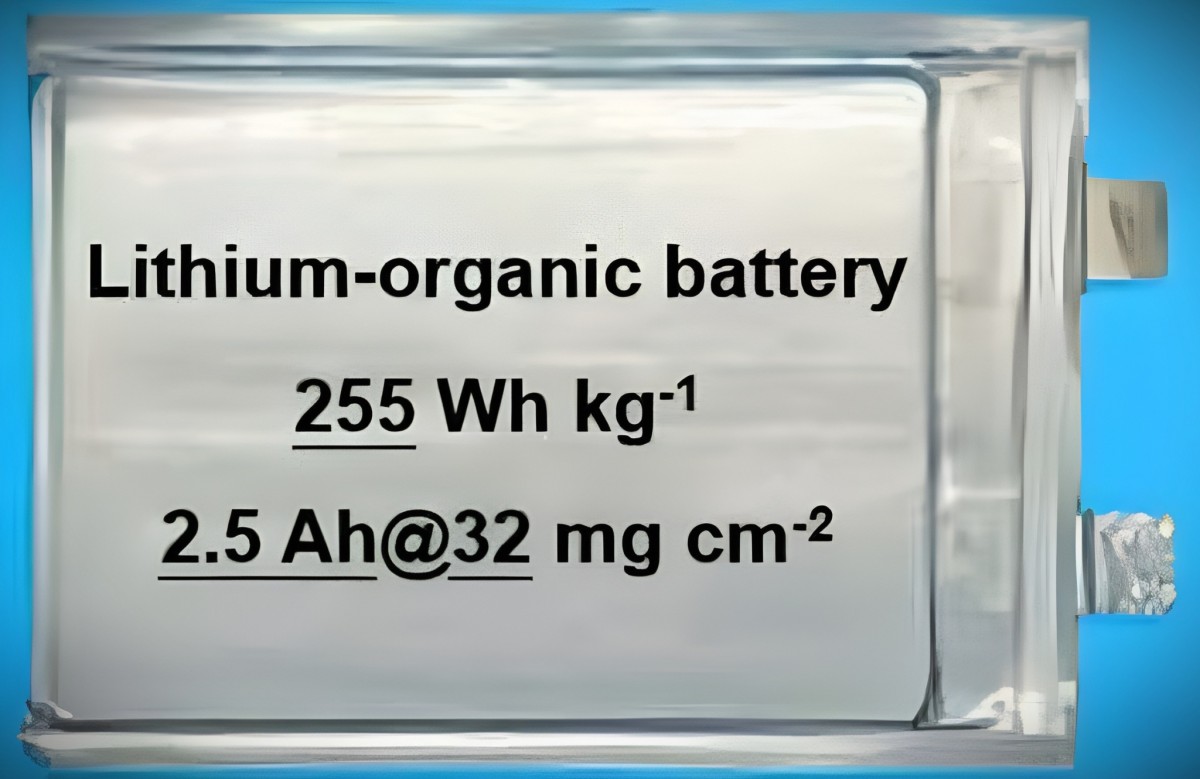
Most EVs today use batteries that are sensitive to the weather. If it gets too cold, they lose power. If it gets too hot, they can become dangerous. This new organic battery is different. It can work in temperatures as low as -94°F and as high as 176°F. This massive working range means an electric car could start easily in a freezing Arctic winter or drive through a scorching desert without any trouble.
The researchers built real "pouch cells," which reached an energy density of 250 Wh/kg. That's as much energy as the high-tech batteries found in many electric cars on the road today. Usually, when scientists try to use organic materials, the batteries are too weak, but this time, they proved that an organic battery can actually keep up with the current tech.
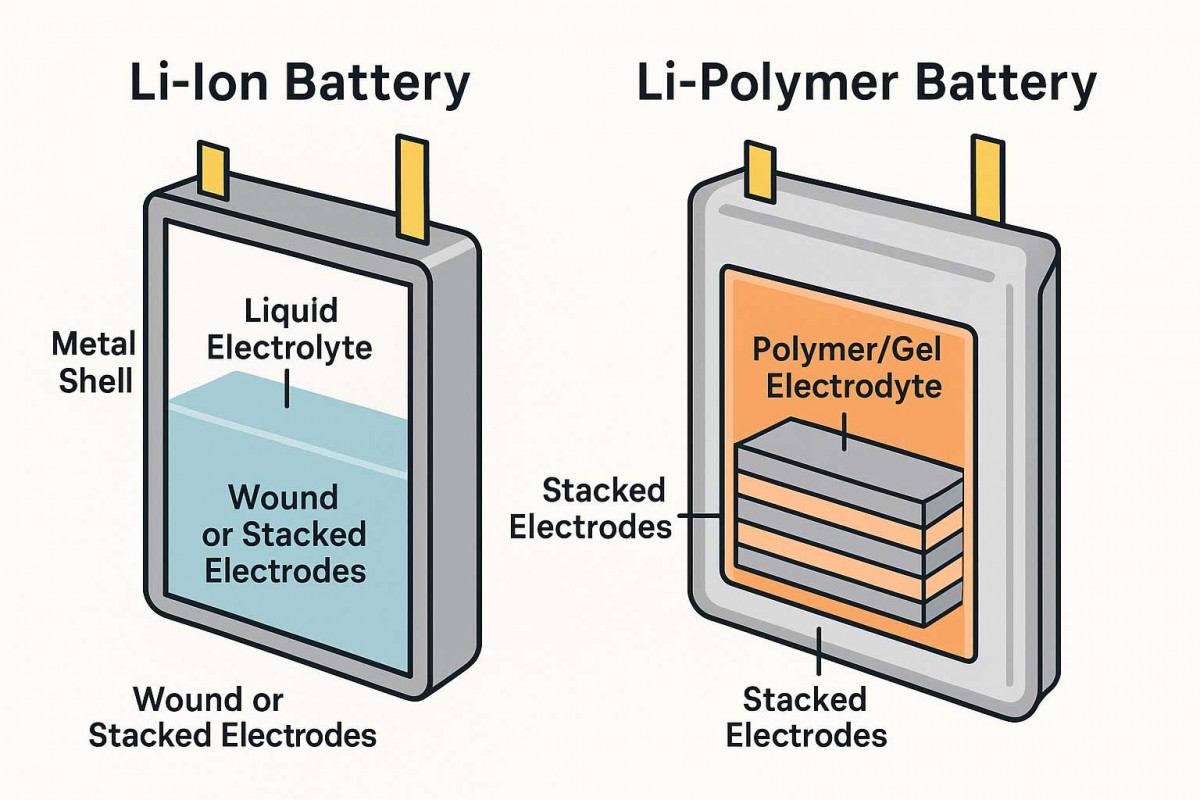
Traditional lithium batteries can catch fire if they get pierced or crushed in an accident. The team of scientists put their new battery through some serious tests, including driving a needle straight through it. The battery didn't smoke, it didn't catch fire, and it didn't change shape.
Because the PBFDO material is a polymer, it is also very flexible. The researchers found they could bend, stretch, and squish the battery without breaking it. This is great news for the future of car design. Instead of a giant, heavy box under the floor, future batteries might be able to fit into different shapes or even be part of the car's frame.
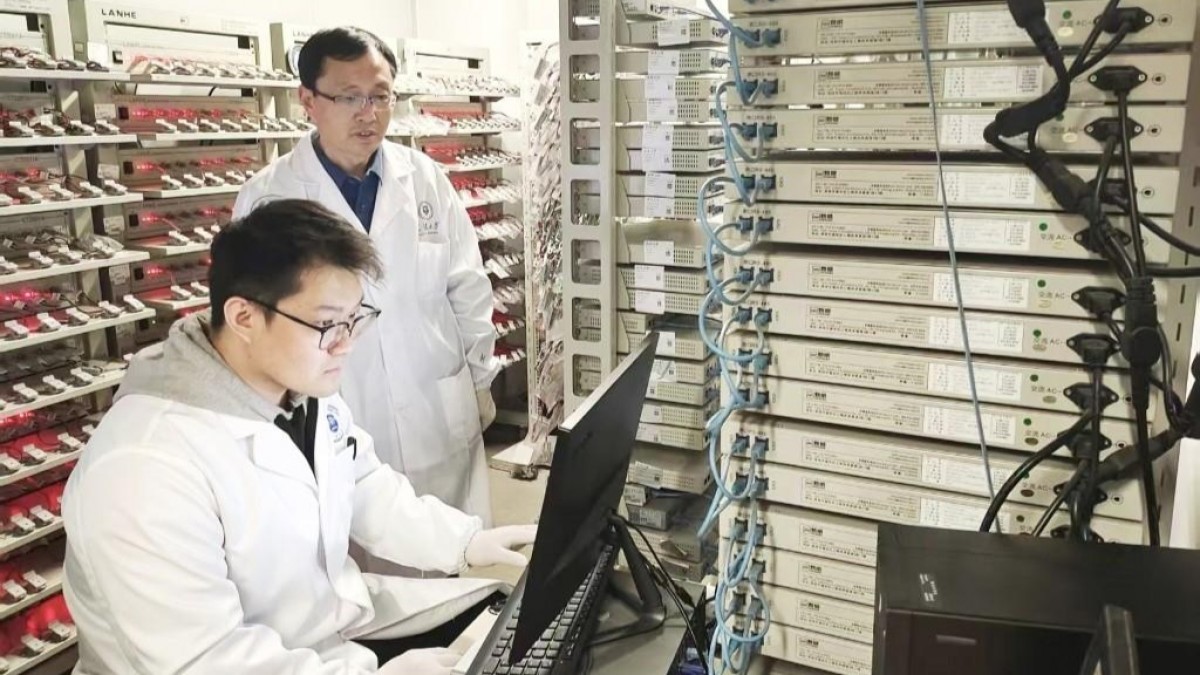
One of the best things about this discovery is where the materials come from. Cobalt and nickel are hard to get out of the ground, but organic polymers are made from common molecules that are easy to find. This makes the batteries much more sustainable.
The new technology is still in the prototype stage, but it fits perfectly with where the car world is going in 2026. Many car companies are already planning to show off new kinds of batteries this year - some are looking at solid-state batteries, and others are interested in using sodium. The organic polymer pathway is another tool that could make cars cheaper and easier to build.
Reader comments
- Pumpkin
- 0@0
Geely EX5 uses LFP with typical organic liquid electrolyte. It can catch fire, it is just slightly more resistant to it than a typical liquid electrolyte NCM cell. The battery is prismatic in shape and performs very similarly to BYD's Blade it w...
- EV owner
- swp
Very good to know, I have Geely EX5 and batterry cant catch fire even if it is damaged

From the team behind
GSMArena.com
Facebook
Twitter
Instagram
RSS
Settings
Log in I forgot my password Sign up