Deep staff cuts at Lucid amid softening EV demand
Lucid Group announced a major restructuring plan on Monday that includes cutting its US workforce by 18 percent. The luxury electric vehicle manufacturer is trying to lower its expenses as the American EV market slows down. This is the second massive round of layoffs for the company in less than six months, revealing the intense pressure this automotive startup finds itself under.
The job cuts will eliminate around 1,500 positions across many departments and will affect full-time corporate staff, independent contractors, and hourly manufacturing employees. This round of layoffs follows a previous 12 percent round of cuts that took place in February. At the end of 2025, Lucid reported a total global headcount of roughly 9,000 workers.
This is a major downsizing, and it arrives just three weeks after a big change in corporate leadership. Silvio Napoli formally took over as the permanent chief executive officer on June 1. Napoli offers an unconventional background for an EV executive, having previously served as the chairman and chief executive officer of Schindler Group, a Swiss manufacturer of elevators and escalators. The new CEO now faces the difficult task of stabilizing a vehicle manufacturer that has struggled so far to meet its targets.
As part of the corporate restructuring, chief operating officer Marc Winterhoff left the firm immediately. Winterhoff had previously managed the company as its interim chief executive officer for over a year before Napoli arrived. Instead of replacing him, Lucid completely eliminated the chief operating officer position to streamline its management structure. Winterhoff will receive a generous severance package, dedicated security support, and will keep his company vehicle.
The departure of the COO extends a long pattern of executive turnover at Lucid. Founder and longtime chief executive Peter Rawlinson resigned abruptly in February 2025. Later that year, the firm dismissed chief engineer Eric Bach, leading to an ongoing wrongful termination lawsuit. Earlier this month, senior executive Emad Dlala resigned from his post only a few months after a major promotion.
To adjust to slowing sales, management is also scaling back operations at its assembly plant. The company confirmed it will eliminate the second production shift at its AMP-1 manufacturing facility in Casa Grande, Arizona. Company representatives stated that the factory changes will help to align output with actual market demand and reduce vehicle inventory. Last month, the brand suspended its financial guidance as the new leadership team evaluates overall business operations.
The decision to eliminate an entire factory shift came from a growing gap between manufacturing capacity and retail sales. The brand has consistently built more EVs than it can sell, and that inventory imbalance reflects wider trouble. During 2025, the brand suffered a huge net loss of $2.7 billion ($1.35 billion in total revenue). On top of that, the company reported a negative free cash flow of $3.8 billion last year - that’s a 31 percent increase in cash burn compared to the previous twelve-month period.
The wider auto sector is challenging at the moment. Consumers are adopting electric cars at a much slower pace than manufacturers originally anticipated. Changes in government regulations have added to these difficulties. The current US administration eliminated the $7,500 federal tax incentive for purchasing new EVs, making premium plug-in vehicles way more expensive for American buyers.
Deep pockets are the only reason the company can survive these heavy losses. Saudi Arabia’s Public Investment Fund owns a majority stake in the vehicle manufacturer and has contributed billions of dollars to keep the operations going. This sovereign wealth funding prevents an immediate existential crisis, allowing the brand to absorb two large-scale layoffs in a single calendar year.
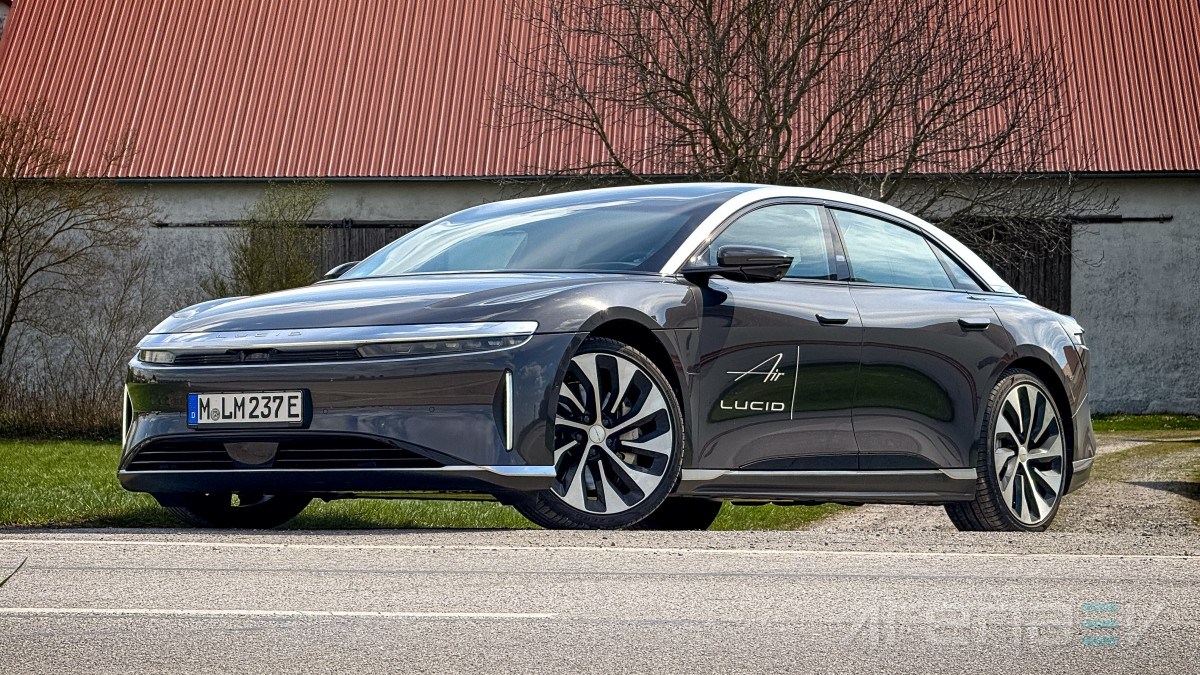
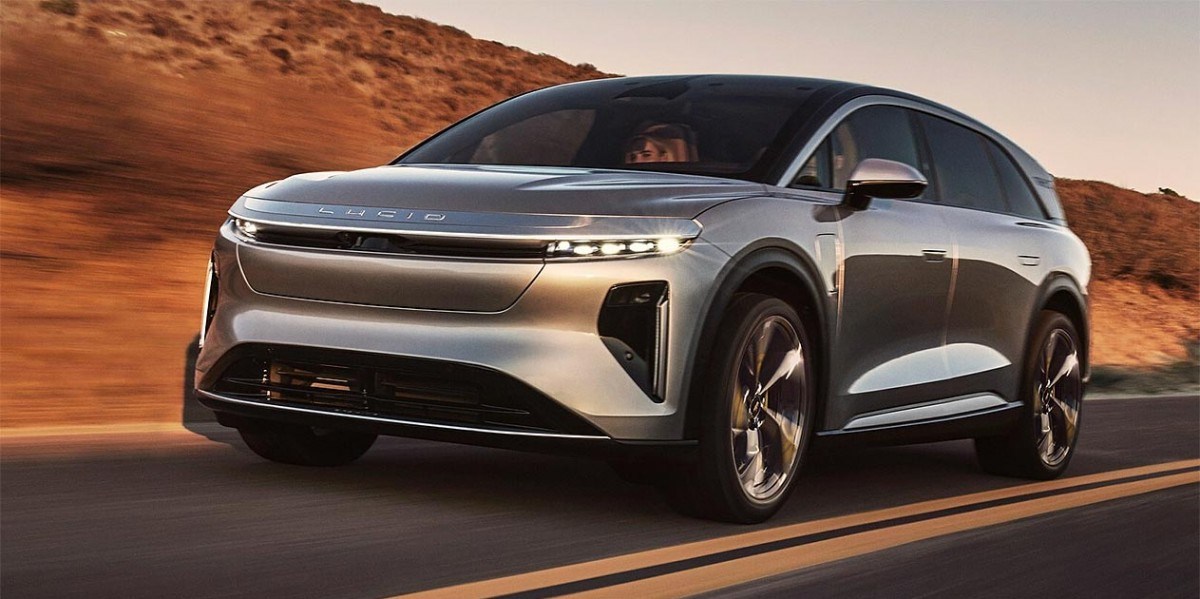
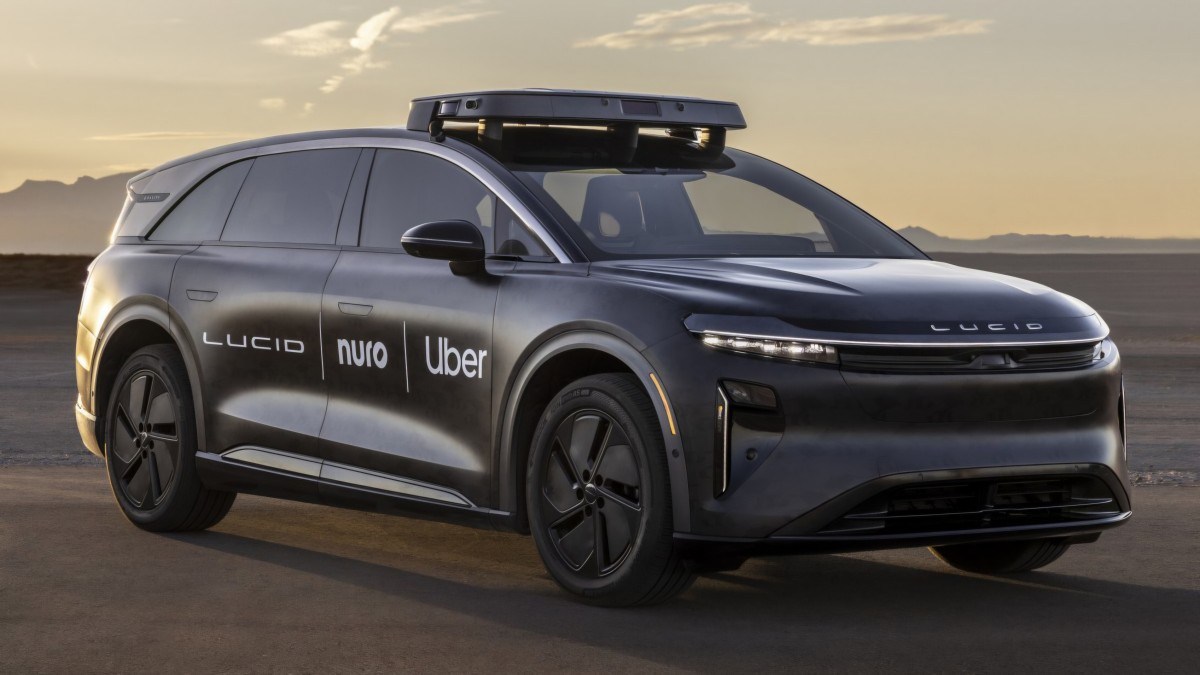
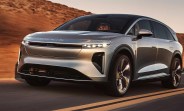
Despite financial and organizational trouble, the brand continues to receive praise for its automotive engineering. The Lucid Air sedan and the Gravity SUV remain highly regarded for their technical capabilities and range. The company also continues to develop hands-free driving technology and maintains its plans to launch an autonomous robotaxi service in San Francisco later this year through a partnership with Uber and Nuro.
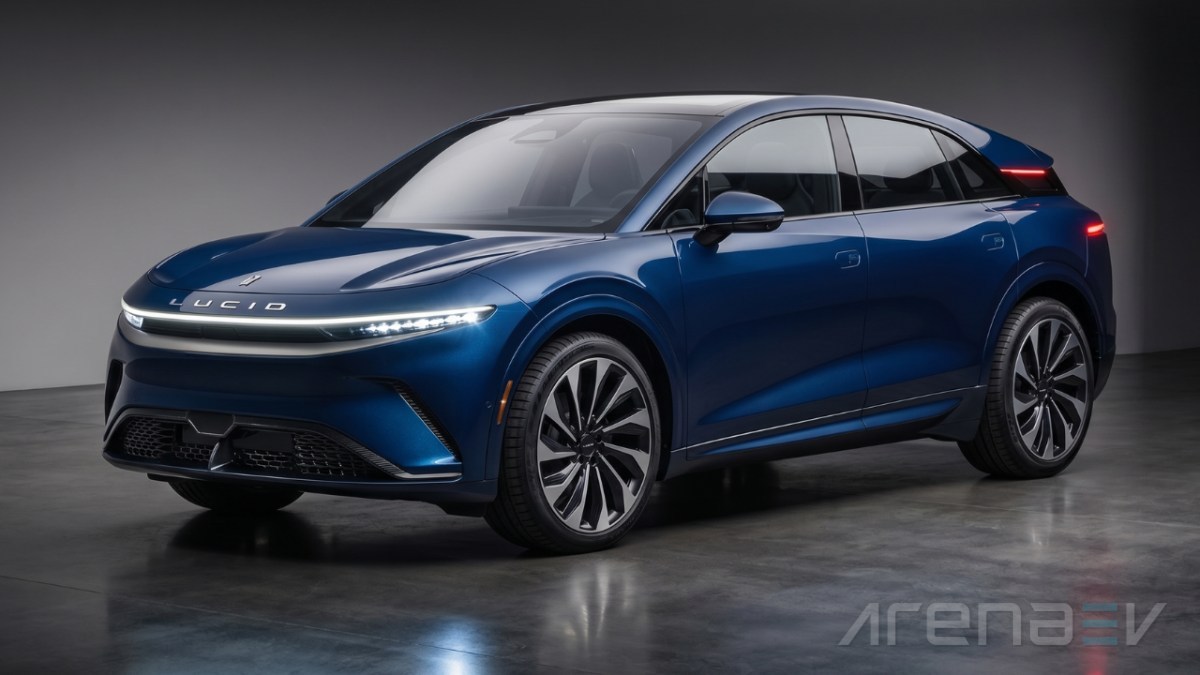
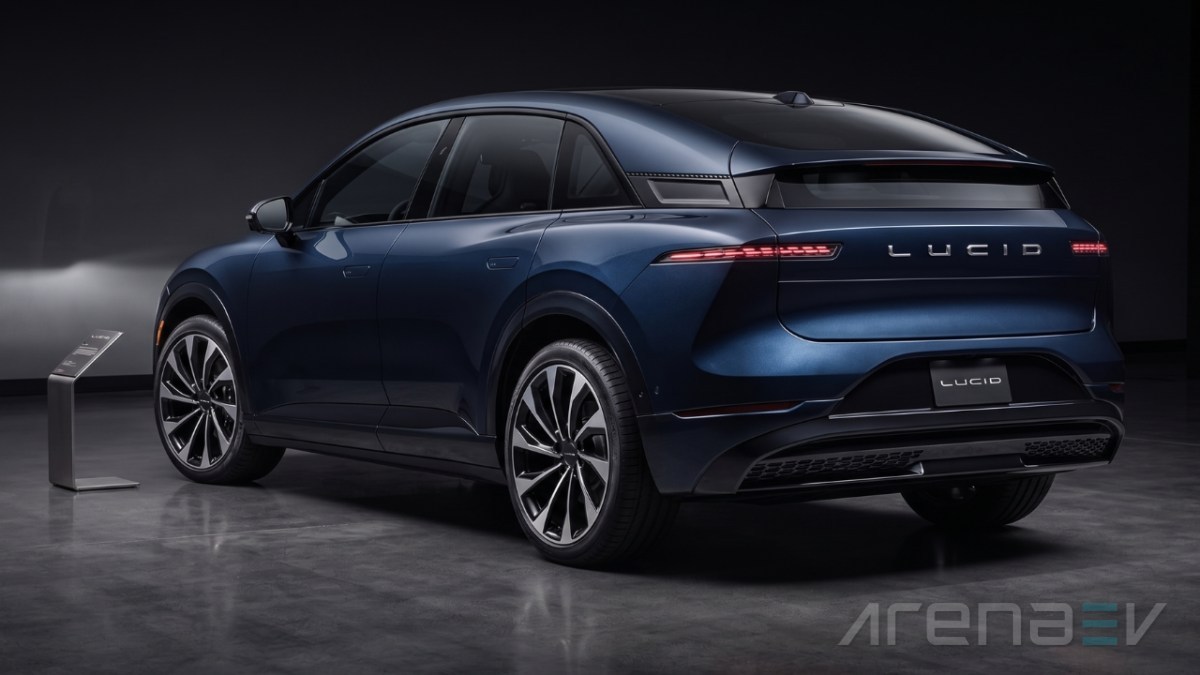
The long-term survival of the automaker now depends on its next model, the Cosmos SUV. This upcoming EV uses the new compact Atlas drive unit and will carry a starting price below $50,000. The accessible price point should help the new SUV to compete directly with popular mass-market options like the Tesla Model Y.
Reader comments
- Anonymous
- JSv
I don't know why people call Peter the founder. He joined the company after it was established as Atieva. He is responsible for both the good and the bad in this company, but to me, he is primarily responsible for the current problems and for ...

From the team behind
GSMArena.com
Facebook
Twitter
Instagram
RSS
Settings
Log in I forgot my password Sign up